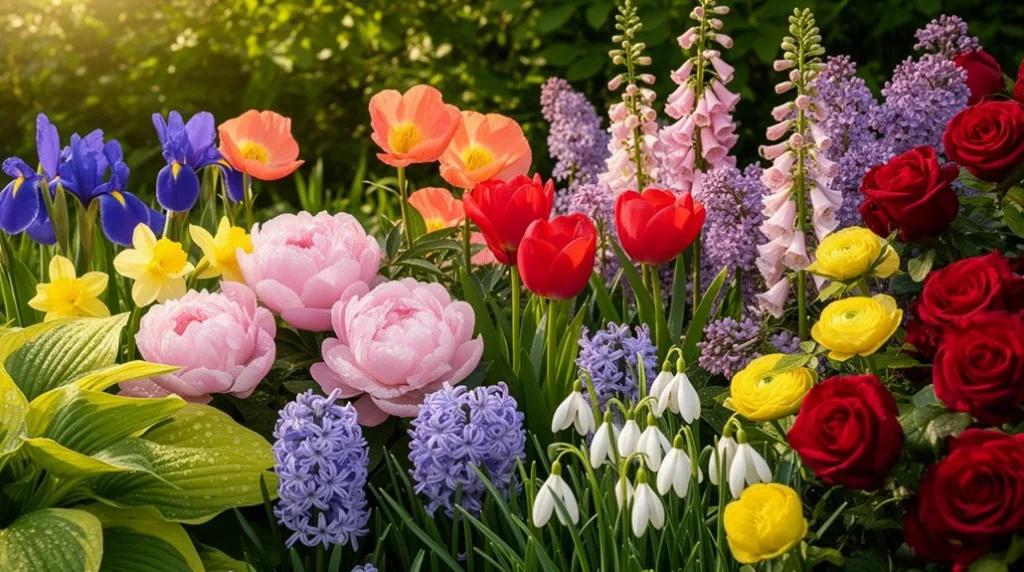
You’ll find a garden that bursts with color, scent, and texture when you mix classic tulips and daffodils with fragrant hyacinths, early‑blooming crocuses, and long‑lasting peonies. Add shade‑tolerant hellebores, vertical sweet peas, and bold irises for structure, and you’ll keep the beds lively from frost‑thaw to summer heat. The right spacing, soil prep, and staggered planting dates will make each bloom shine—so you can enjoy a continuous spring display without a pause.
Key Takeaways
- Choose a mix of early‑blooming bulbs (tulips, crocuses, hyacinths) and perennials (hellebores, primroses) for continuous spring color.
- Plant bulbs at the recommended depth (3–8 inches) in well‑drained soil, spacing 2–12 inches apart for optimal growth.
- Provide full sun to light shade, consistent moisture, and mulch for frost protection and soil health.
- Fertilize with balanced slow‑release fertilizer in early spring and divide crowded clumps every 3–5 years.
- Deadhead spent blooms and allow foliage to die back naturally to store energy for next season.
Tulip – Classic Spring Flower for Bold Color
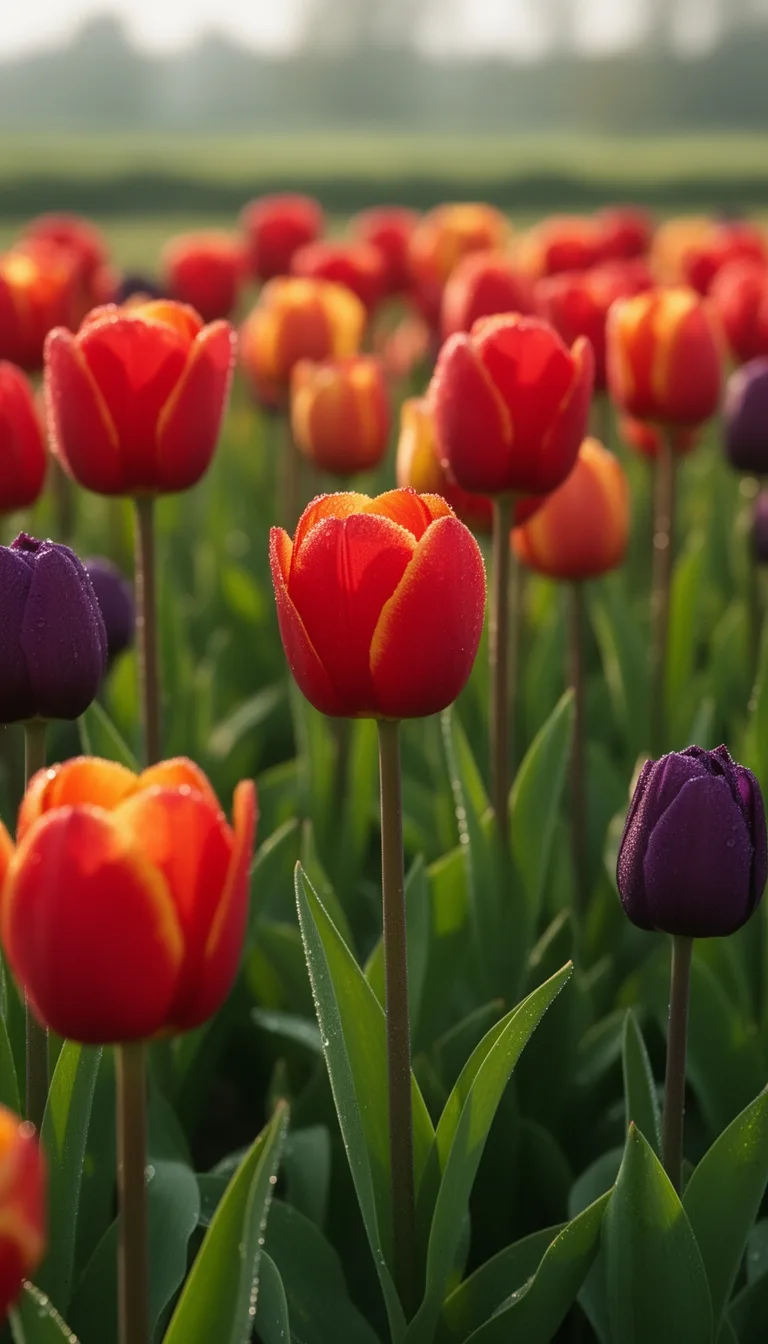
Plant tulips early, and you’ll reward your garden with bold, vibrant color that lasts through spring.
Choose a sunny spot with well‑drained soil, then loosen the top six inches and mix in a handful of compost.
Space bulbs 4–6 inches apart, planting them 6–8 inches deep with the pointy end up.
Water gently after planting, then cover with mulch to retain moisture and deter weeds.
As the frost thaws, keep the soil moist but not soggy; tulips need steady moisture to develop strong roots.
When buds appear, protect them from late frosts with a light row.
After blooming, let foliage die back naturally—this stores energy for next year’s display.
For continuous color, stagger plantings by two‑week intervals.
Daffodil – Cheerful Yellow Spring Flower That Returns Annually
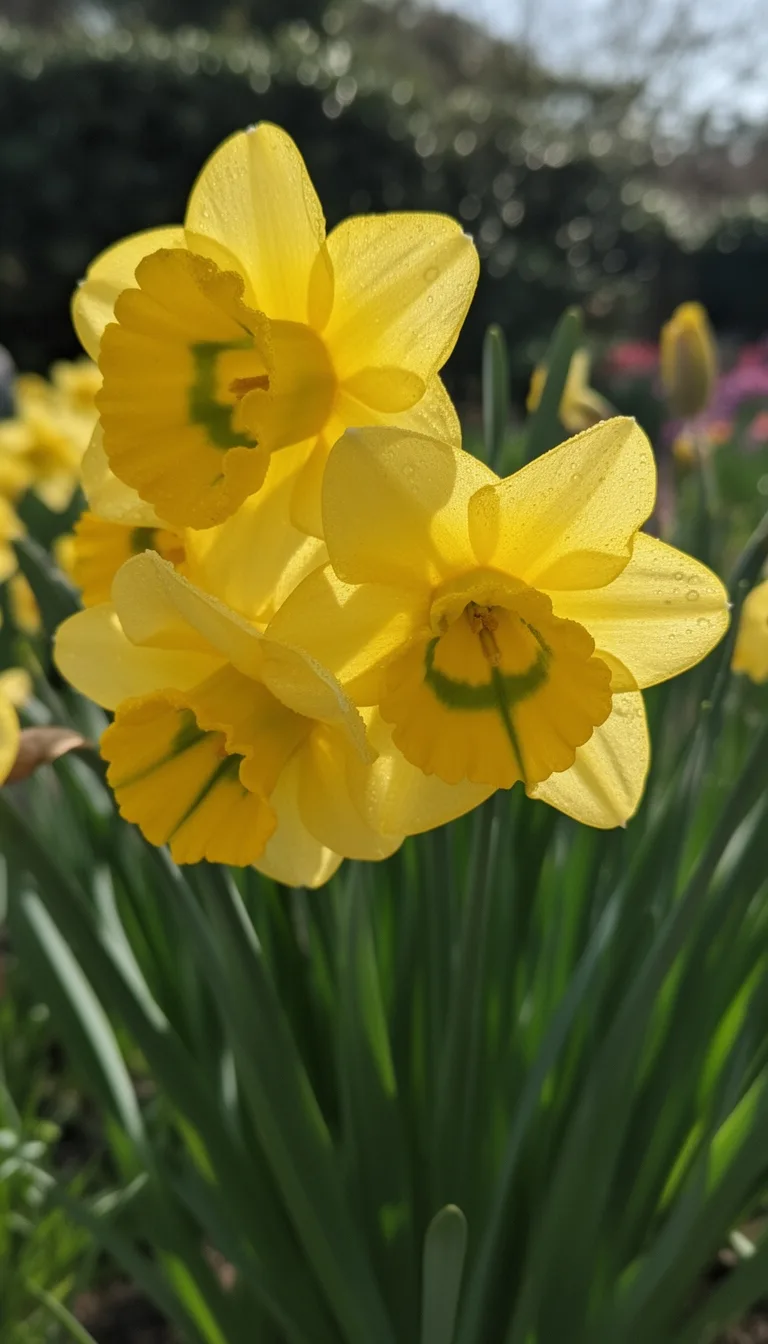
Daffodils reliably brighten any spring garden with their cheerful yellow trumpets, and you’ll find them returning year after year with minimal effort.
Plant bulbs in well‑drained soil at a depth of three times their height, spacing them six to eight inches apart. Choose a sunny spot, but they tolerate light shade; ensure the ground dries before winter. Water after planting, then let rain do the work; over‑watering can cause rot.
Mulch to protect roots from frost and to suppress weeds. When foliage dies back, resist the urge to cut it off—photosynthesis stores energy for next season’s bloom.
Divide clumps every three to five years to prevent overcrowding and maintain vigor. With these steps, you’ll enjoy reliable, low‑maintenance color each spring.
Hyacinth – Fragrant Spring Flower for Early Blooms
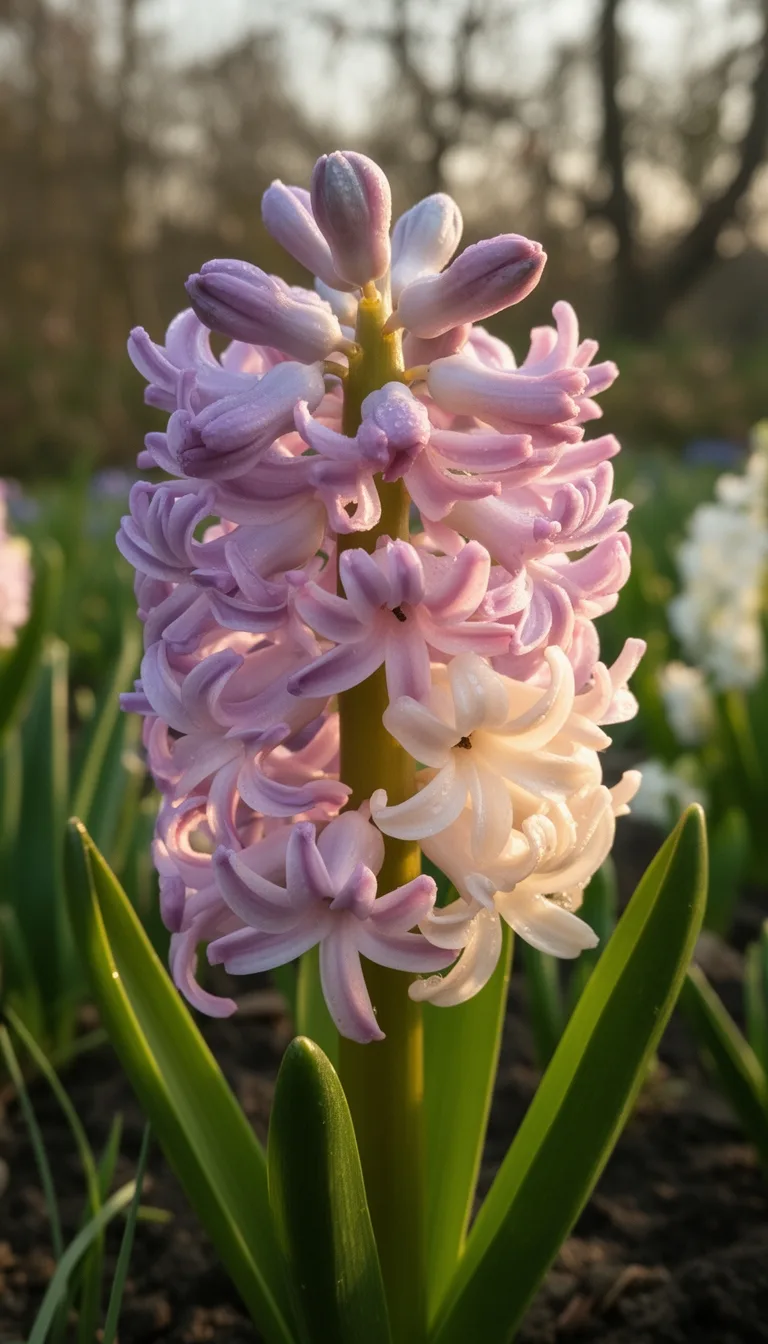
Scented clusters of hyacinths burst onto the garden in early spring, delivering a punch of color and fragrance that awakens the senses.
Plant the bulbs 6‑8 inches deep, spacing them 4‑6 inches apart, and choose a sunny to partially shaded spot with well‑draining soil. Water after planting, then let the soil dry between waterings to prevent rot.
Fertilize with a balanced, slow‑release feed in early spring; the bulbs will use the nutrients for robust growth. Trim foliage only after it yellows, allowing the plant to store energy for next year.
Divide crowded clumps every 3‑4 years to maintain vigor. For a continuous display, stagger plantings by two‑week intervals. Enjoy the sweet perfume that lingers for weeks, attracting pollinators and uplifting your garden’s early‑season atmosphere.
Crocus – Early‑Spring Flower That Pops Through Snow
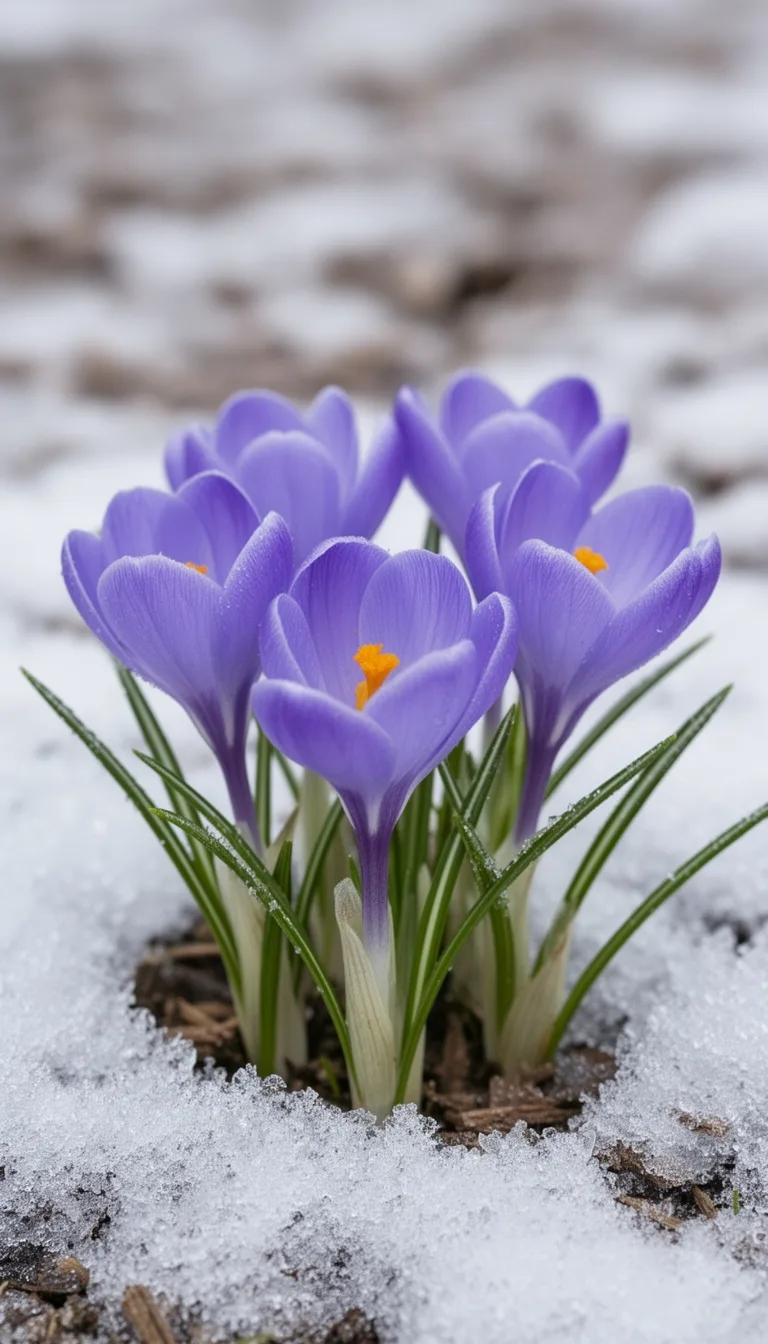
After the hyacinth’s fragrant clumps fade, the crocus steps in, pushing tiny cups of color through late‑season snow.
You’ll plant crocus bulbs in well‑drained soil, 3‑4 inches deep, spacing them 2 inches apart.
Choose a sunny spot or light shade; they tolerate cold and will emerge even when the ground is still frosty.
Water sparingly until growth begins, then keep soil moist but not soggy.
Expect blooms in March or early April, lasting two weeks before fading.
After flowering, let the foliage die naturally to feed the bulb for next year.
Divide clumps every 3‑4 years to prevent overcrowding and maintain vigor.
Harvest the blossoms for cut flowers or let them self‑seed for a natural carpet of spring color.
Peony – Lush Spring Flower for Large, Scented Bloums
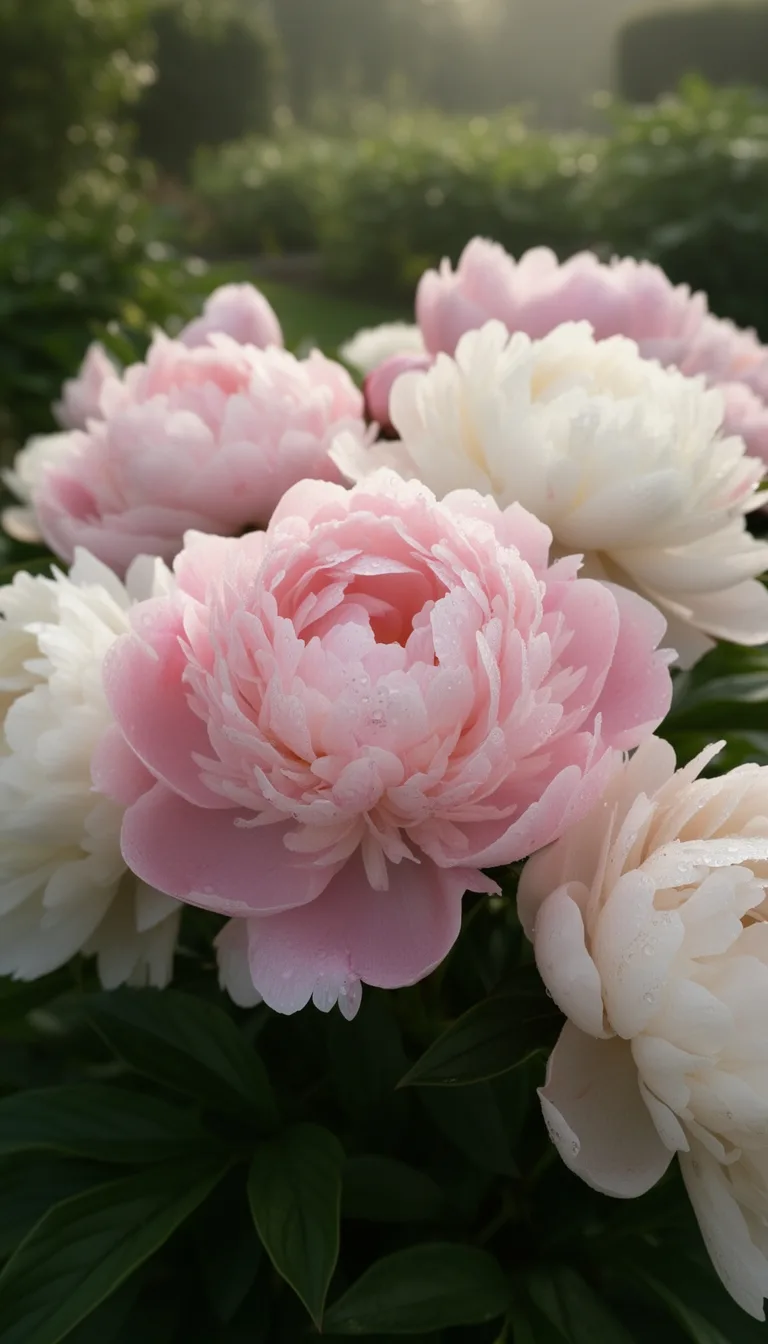
Plant peonies in a sunny, well‑drained spot and you’ll soon enjoy their massive, fragrant blooms that dominate the garden in late spring. Choose varieties that suit your climate; dwarf types fit borders, while hybrids fill beds. Space plants 3–4 ft apart to improve airflow and reduce disease. Mulch to retain moisture and protect roots through winter. Feed with a balanced fertilizer in early spring, then prune after flowering to keep foliage tidy.
| Care Aspect | Recommendation |
|---|---|
| Sunlight | 6‑8 hours direct |
| Soil pH | 6.5‑7.0, rich organic |
| Watering | Even, moist, not soggy |
| Fertilizer | Balanced 10‑10‑10, early spring |
| Pruning | Remove spent stems after bloom |
Follow these steps and your peonies will reward you with lush, scented displays year after year.
Ranunculus – Delicate Spring Flower With Rose‑Like Petals
Add a burst of color to your spring garden with Ranunculus, whose rose‑like petals unfurl in vibrant shades ranging from soft pastels to bold crimsons.
Plant the tubers in well‑drained soil after the last frost, spacing them 6–8 inches apart to allow airflow.
Choose a sunny spot; they thrive in full sun to light shade and need consistent moisture—water at the base to keep foliage dry and prevent rot.
Fertilize with a balanced, slow‑release formula at planting, then feed every four weeks while they’re growing.
Deadhead spent blooms to encourage a second flush in late summer.
In cooler climates, lift the tubers before frost, store them in a cool, dry place, and replant in spring for repeat brilliance.
Forget‑Me‑Not – Tiny Blue Spring Flower for Ground Cover
A handful of forget‑me‑not seedlings can instantly soften a bare patch with their delicate sky‑blue blossoms, creating a low‑maintenance carpet that thrives in cool, damp conditions.
Plant them in partial shade, spacing 6‑8 inches apart, and water consistently until roots establish.
They prefer well‑drained, loamy soil enriched with compost; a pH of 6.0‑7.0 yields the best color intensity.
Mulch lightly to retain moisture and suppress weeds, but avoid heavy mulch that smothers the tiny stems.
As spring rains arrive, expect rapid spreading; trim back any leggy growth to keep the mat dense.
Fertilize sparingly—once in early spring with a balanced 10‑10‑10 granular feed—then let the plants self‑sustain through the season, providing a soft, blue blanket that fills gaps between larger perennials.
Pansy – Cool‑Season Spring Flower With Vibrant Faces
After the delicate blue carpet of forget‑me‑not fades, the bold faces of pansies step in, delivering vivid color even in cool spring weather.
You’ll plant them in early spring, spacing each seedling 6–8 inches apart, preferably in well‑drained soil with a pH of 6.0–7.0.
Sow seeds thinly, cover lightly, and keep the bed moist until germination, which occurs in 7–14 days.
Water consistently, but avoid waterlogging; a drip line or soaker hose works best.
Feed with a balanced, water‑soluble fertilizer every three weeks to sustain the bright, multi‑colored blooms.
Pinch back the first flower stems to encourage bushier growth and a longer display.
Pansies tolerate light frosts, so you can extend the season into early summer with shade and regular deadheading.
Primrose – Evergreen Spring Flower for Early Color
Primrose bursts into color as soon as the soil thaws, delivering evergreen foliage and delicate, cup‑shaped blossoms that brighten early spring beds.
You’ll plant them in partially shaded spots where morning sun meets cool, damp earth. Space each plant 6–9 inches apart; their shallow roots spread quickly, so a light, well‑draining mix of compost and sand works best.
Water consistently until seedlings are established, then cut back to a modest schedule—over‑watering invites rot.
Mulch with leaf litter to retain moisture and suppress weeds.
In late winter, pinch back the growing tips to promote bushier growth.
Expect a continuous display from March through May, and enjoy the low‑maintenance, evergreen backdrop they provide for other spring perennials.
Anemone – Graceful Spring Flower for Meadow‑Style Gardens
Nestled among the dewy grasses of a meadow‑style garden, Anemone delivers delicate, nodding blossoms that sway with the slightest breeze.
You’ll plant them in full sun to light shade, spacing each crown 12‑18 inches apart to let foliage breathe.
Choose a well‑draining soil mix enriched with compost; a pH of 6.0‑6.5 works best.
Water consistently until seedlings establish, then cut back to occasional deep soak—overwatering invites rot.
Deadhead spent flowers to encourage a second bloom wave in late spring.
Mulch lightly to retain moisture and suppress weeds, but keep the mulch a few inches from the crown to prevent fungal issues.
Anemones thrive in clumps, so divide them every three to four years to maintain vigor and prevent overcrowding.
Lily of the Valley – Sweet‑Scented Spring Flower for Shady Spots
If you have a shady corner in your garden, Lily of the Valley is the perfect sweet‑scented addition. You’ll plant it in moist, well‑draining soil and let it spread naturally, creating a fragrant carpet that thrives under trees or along north‑facing walls.
Its tiny bell‑shaped white flowers bloom early, attracting pollinators while masking less pleasant odors.
Maintenance is minimal: water regularly until established, then trim after flowering to keep the clump tidy and encourage a second flush.
- Plant in partial shade, full sun
- the consistently moist soil
- Mulch to retain moisture, suppress weeds
- Divide every 3–4 years to prevent overcrowding
- Protect from deer with netting or repellents
Iris – Striking Spring Flower With Bold Petal Patterns
Plant Iris in a sunny or partially shaded spot, and you’ll instantly add bold, geometric color to your spring garden. Choose a well‑draining mix of compost, sand, and loam; avoid water‑logged soil that rots rhizomes. Space crowns 12–18 inches apart, allowing each plant room to expand.
Water deeply after planting, then keep soil evenly moist but not soggy; a drip line works best. Feed with a balanced fertilizer in early spring, then switch to a low‑nitrogen formula as blooms appear to encourage flower over foliage.
Deadhead spent blooms to prolong display, and cut back foliage after it yellows to prevent disease. Divide clumps every three to five years in late summer, keeping healthy roots intact for vigorous regrowth.
Snapdragon – Vertical Spring Flower for Garden Borders
Add snapdragons to your garden border for a striking vertical display that catches the eye from every angle. You’ll appreciate their spiky, dragon‑shaped blooms that rise in neat, upright spikes, perfect for framing pathways or hedges.
Plant them in well‑drained soil, space each 12‑18 in., and water consistently until established. Their hardy nature tolerates partial shade, yet they thrive in full sun, delivering vibrant reds, pinks, whites, and purples throughout spring.
Prune spent spikes to encourage fresh growth and maintain a tidy silhouette. Use them as a living fence, a backdrop for lower‑growing perennials, or a color‑contrast against foliage.
- Choose a sunny, well‑drained site
- Space 12‑18 in. apart for air flow
- Water regularly until roots establish
- Pinch back after first bloom for rebloom
- Deadhead spent spikes to prolong display
Sweet Pea – Climbing Spring Flower With Fragrant Vines
Sweet peas climb effortlessly up trellises and fences, filling the air with a sweet, heady perfume that lingers through the garden. You’ll plant them in early spring, spacing seeds 2 inches apart, then water gently until seedlings emerge. Support vines with a thin trellis; they’ll twine naturally, reducing pruning time. Choose disease‑resistant varieties, and pinch back tips after the first bloom to encourage a second flush. Harvest pods before they turn brown for the freshest fragrance in bouquets or culinary dishes.
| Soil Type | pH Range | Sun Exposure |
|---|---|---|
| Loam | 6.0–7.0 | Full sun |
| Sandy | 6.5–7.5 | Partial shade |
| Clay | 6.0–6.8 | Full sun |
| Compost‑rich | 6.2–7.2 | Full sun |
| Well‑drained | 6.0–7.0 | Partial shade |
Freesia – Colorful Spring Flower for Cut‑Flower Arrangements
After the fragrant vines of sweet peas fade, freesia steps in with its sleek, trumpet‑shaped blossoms that hold their color and scent long after being cut.
You’ll find freesia thrives in well‑drained soil, prefers full sun to light shade, and needs moderate watering.
Plant bulbs in early autumn for a spring burst, and pinch back stems to encourage bushier growth.
When you harvest, cut early in the morning; the flowers will last up to two weeks in a vase if you change water every two days.
Use these tips to keep your cut‑flower arrangements vibrant and fragrant throughout the season.
- Plant bulbs 4‑6 in. deep, spacing 6 in. apart
- Water consistently, avoiding soggy roots
- Provide 6‑8 hours of sunlight daily
- Pinch back after first bloom to promote branching
- Harvest in cool morning hours for longest vase life
Hellebore – Late‑Spring Flower That Thrives in Shade
When shade dominates your garden, hellebore steps in as a reliable late‑spring bloom that thrives where many others falter. You’ll appreciate its glossy, evergreen foliage that frames each cup‑shaped flower, emerging from late February through May.
Choose a spot with dappled shade and well‑drained, slightly acidic soil; amend heavy clay with leaf mold or pine bark to improve texture. Plant the rhizomes 4–6 inches deep, spacing them 12–18 inches apart for air circulation.
Water consistently during the first growing season, then reduce frequency as the plant establishes. Mulch lightly to retain moisture and suppress weeds. Fertilize sparingly with a balanced, slow‑release formula in early spring.
Expect a palette ranging from ivory and soft pink to deep purple, providing subtle color when other bulbs are still dormant.
Begonia – Shade‑Loving Spring Flower for Colorful Foliage
If hellebore gives you a subtle, late‑spring splash in the shade, begonia can brighten the same spot earlier with its vivid foliage and colorful blooms.
You’ll love how its glossy leaves, ranging from deep emerald to silver‑variegated, hold moisture and stay lush even in dim light. Plant them in well‑draining soil, keep the root zone consistently moist, and fertilize lightly every four weeks. Deadhead spent flowers to encourage repeat blooming, and watch the foliage maintain its brilliance through spring.
- Choose shade‑tolerant varieties for north‑facing beds.
- Use a peat‑based potting mix to retain moisture.
- Water at the base to keep leaves dry and prevent disease.
- Mulch lightly to moderate soil temperature.
- Divide clumps every two years for vigor.
Aster – Late‑Spring Flower That Draws Butterflies
Usually you’ll find asters thriving in the late‑spring sun, where their daisy‑like blossoms attract butterflies and hummingbirds alike. Plant them in well‑drained soil, space 12‑18 inches apart, and water consistently until roots establish. Fertilize lightly with a balanced granular feed in early May, then deadhead spent blooms to prolong display. Asters tolerate full sun to light shade, and they resist most pests, making them low‑maintenance staples for pollinator gardens.
| Soil | Sun | Water |
|---|---|---|
| Loam | Full | Moderate |
| Sandy | Partial | Light |
| Clay | Full | Regular |
| Compost‑rich | Partial | Consistent |
| Mulched | Full | Minimal |
Select varieties ranging from violet to pink, and enjoy a steady stream of butterflies through June.
Camellia – Evergreen Spring Flower for Warm Climates
Plant camellias in a sunny, sheltered spot where the warm climate lets their glossy, evergreen leaves and fragrant, rose‑scented blooms thrive. You’ll appreciate their compact habit, which fits garden borders and containers alike, and their early‑season color that lifts the landscape before many other flowers open.
Choose varieties suited to your zone, and you’ll enjoy a low‑maintenance, year‑round accent that tolerates heat and occasional drought.
- Select cultivars with disease‑resistant leaf texture.
- Position near a south‑facing wall for extra warmth.
- Space plants 4–6 ft apart to allow airflow.
- Mulch with pine bark to retain moisture.
- Prune only after flowering to shape without sacrificing buds.
Planting & Care Tips for All Spring Flowers
After showcasing camellias’ sunny, low‑maintenance charm, the same principles apply to every spring bloom you’ll grow.
Start by testing soil pH; most spring flowers thrive at 6.0‑6.5. Amend with compost and coarse sand to improve drainage. Plant seeds or transplants at a depth twice the seed size, spacing them to allow airflow and prevent disease. Water immediately after planting, then keep soil consistently moist—no soggy patches. Mulch with shredded bark to retain moisture and suppress weeds. Fertilize with a balanced 10‑10‑10 formula every four weeks, tapering off after the first frost. Deadhead spent blooms to encourage rebloom and remove any diseased foliage promptly. Adjust watering as temperatures rise, and you’ll enjoy a vibrant, resilient spring display.
Conclusion
Enjoy the burst of color and scent these 20 spring blooms bring, and keep your garden thriving by matching each plant to its ideal spot, soil, and spacing. Plant early, stagger sowing, and mulch for moisture retention. Deadhead spent flowers, fertilize lightly, and watch as new growth returns each year. With thoughtful timing and care, your garden will stay vibrant from the first crocus to the late‑season asters.
The Only Tools You Need for a Thriving Garden 🌱
Whether you're a weekend gardener or growing daily — these hand-picked tools make every session faster, easier, and more satisfying.