
Imagine you’re planning a garden but want maximum color with minimal fuss. You can achieve that by choosing the right plants. We’ll explore twenty reliable flowers, from cheerful annuals to hardy perennials, that thrive in sun or shade and even tolerate dry soil. Discover which ones work best for your specific spaces and how a few simple strategies ensure your garden flourishes effortlessly.
Key Takeaways
- Choose fast-growing annuals like zinnias and marigolds for continuous, easy blooms.
- Select low-maintenance perennials like daylilies and coneflowers for reliable color year after year.
- Incorporate drought-tolerant plants like blanket flower and sedum for resilient, sunny spots.
- Plant early bulbs like daffodils and crocus for vibrant, low-care spring impact.
- Use shade-tolerant foliage plants like hostas and coral bells for beautiful, textured gardens.
What Makes a Flower Truly “Easy” to Grow?
You’ll often hear flowers described as “easy to grow,” but what does that really mean for your garden? An easy flower asks very little from you and rewards you generously. It’s forgiving if you forget a watering or don’t have perfect soil. It’ll thrive without constant pampering or complex feeding schedules.
Look for qualities like drought tolerance, which means you won’t have to baby it through every dry spell. Disease resistance is key, too, so you won’t be fighting off mildew or pests every week. Most importantly, an easy plant fits your specific garden conditions—whether that’s full, blazing sun or a shadier spot. When a plant matches its site, its basic needs are already met.
Can’t-Kill Annuals: Start With Marigolds and Zinnias
Building on that understanding of easy flowers, some annuals are famously resilient, and marigolds and zinnias are perfect examples to start with. You simply sow seeds directly in sunny, well-drained soil after frost danger passes. They need little care beyond occasional watering if it’s dry. Both bloom prolifically until fall, offering vibrant color with minimal effort. Marigolds’ compact forms work in borders, while tall zinnias create stunning backdrops.
| Flower | Key Benefit | Best For |
|---|---|---|
| Marigold | Pest-repellent properties | Edging, containers |
| Zinnia | Continuous, large blooms | Cutting gardens, borders |
| Marigold (French) | Long flowering season | Mass planting |
| Zinnia (Profusion series) | Disease resistance | Hot, humid climates |
| Both | Easy from seed | Beginner gardeners |
You’ll find their cheerful flowers reward even the most basic gardening attention.
Plant These Easy Perennials Once, Enjoy for Years
If you’re looking to reduce yearly planting, often the best solution is to incorporate reliable perennials. These plants return season after season, requiring minimal yearly effort after their initial establishment.
Start with classics like daylilies, which thrive in full sun and offer vibrant blooms. Siberian iris is another excellent choice, tolerating varied conditions with graceful flowers. For shaded areas, plant hardy hostas; their lush foliage provides lasting beauty.
Always prepare your soil well at planting time, ensuring proper drainage and amending with compost. Give each perennial adequate space to grow and establish a strong root system in its first year.
With just this initial care, you’ll enjoy their dependable presence and color for many years to come.
Drought-Tolerant Flowers That Thrive on Neglect
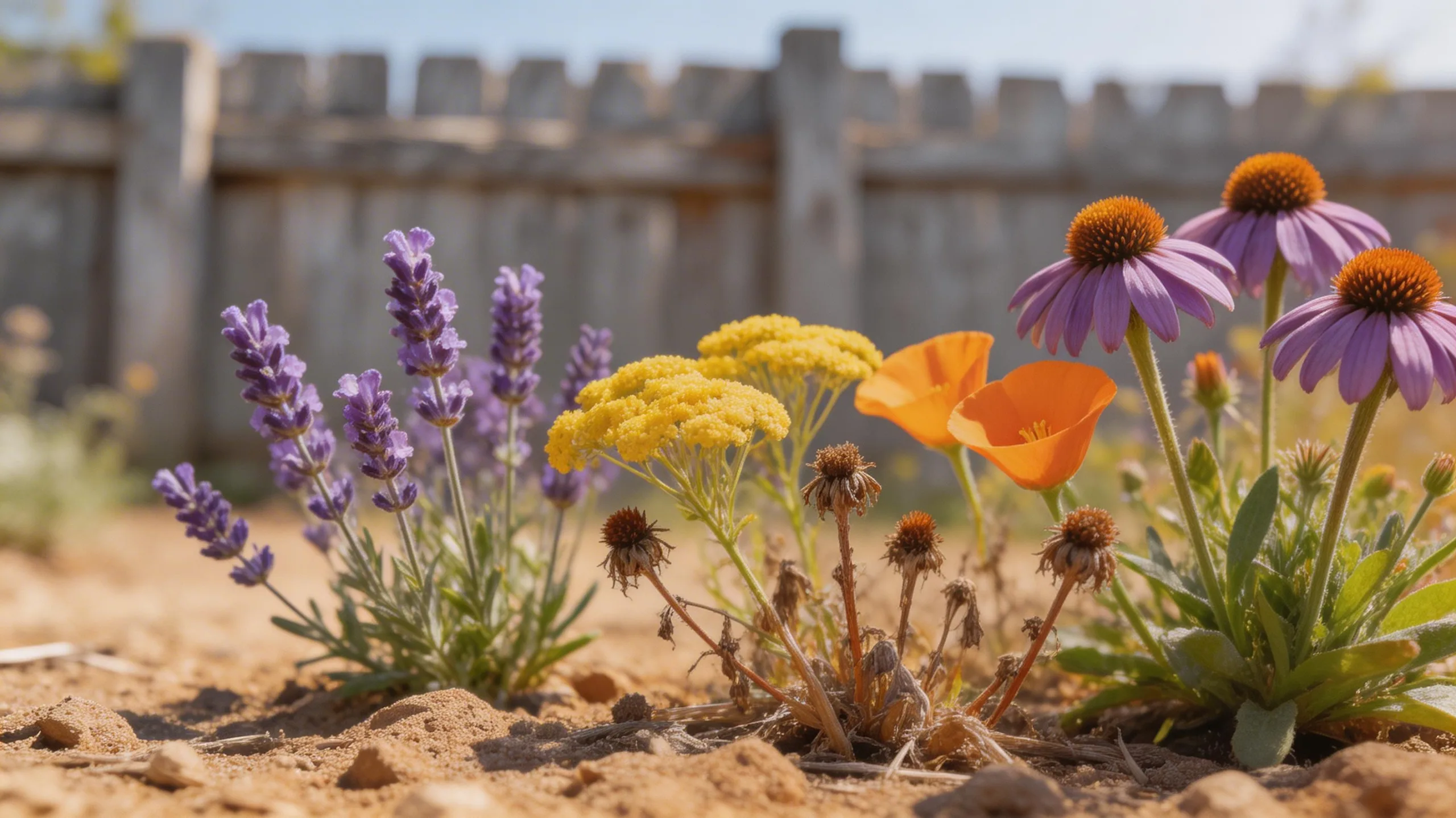
Moving on to gardens in hot, dry climates, you can count on drought-tolerant flowers to thrive with minimal water. Their secret is storing water in fleshy leaves or developing deep, extensive roots. You’ll appreciate their resilience during dry spells or if you’re a busy gardener.
For great results, choose proven performers. Consider planting blanket flower, whose fiery blooms last all summer. Russian sage adds elegant, airy lavender spires. Sedums offer varied textures and late-season color. Yarrow provides flat flower clusters perfect for pollinators.
Plant them in well-drained soil and water deeply but infrequently to encourage strong roots. Once established, you can often rely on rainfall alone. Their low-maintenance nature delivers reliable beauty, proving that a vibrant garden doesn’t require constant attention.
Easy Flowers for Sunny, Hot Spots
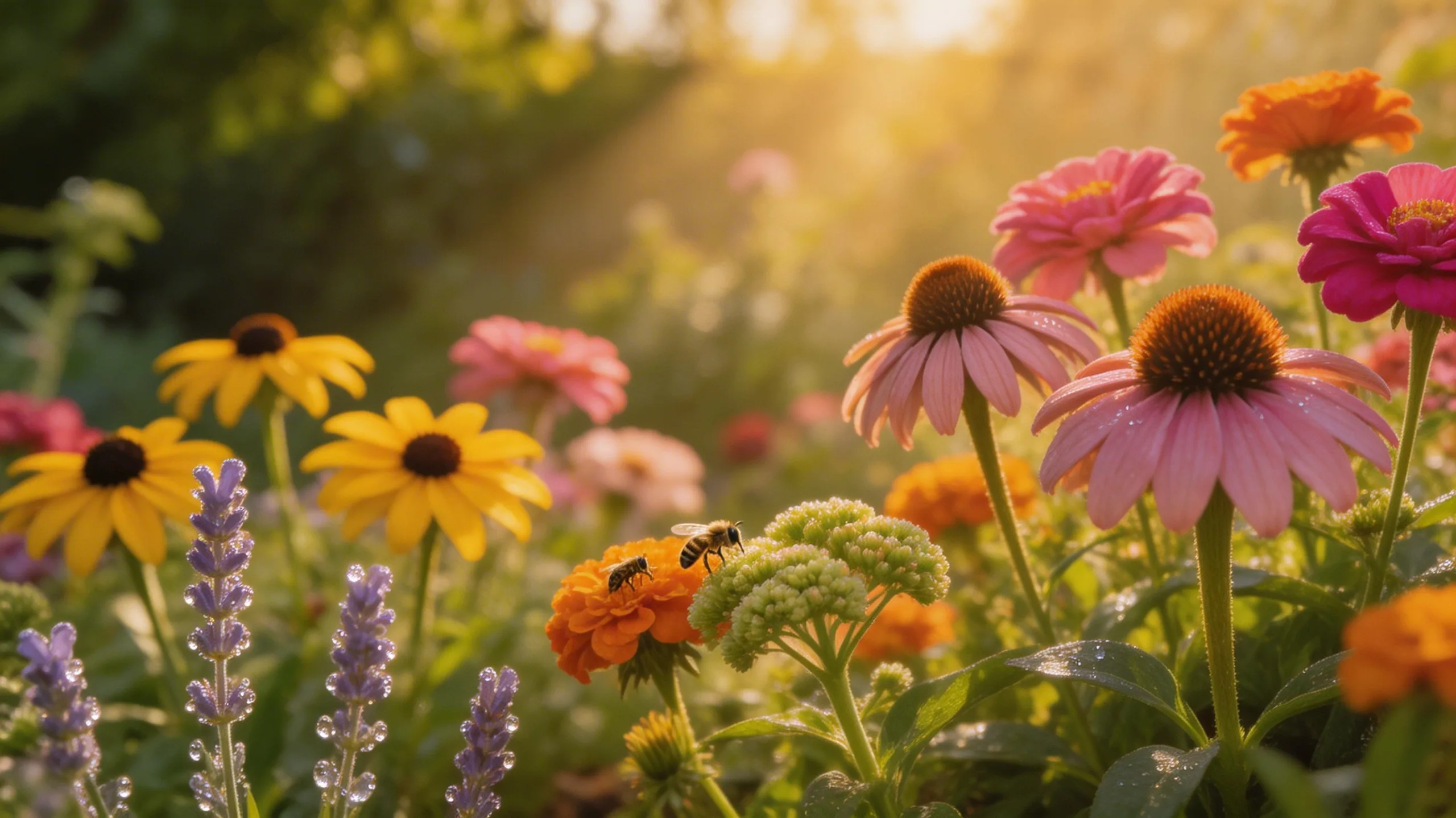
You’ll often find some of the easiest flowers thrive in full sun and heat. For vibrant, low-maintenance color, consider zinnias. You simply sow seeds directly in the ground after frost, and they’ll bloom abundantly all summer with minimal care.
Marigolds are another excellent choice; their cheerful blooms repel some pests and handle intense sun with ease. You can’t go wrong with sunflowers, either. Choose a dwarf variety for borders or a giant type for a dramatic statement.
Portulaca, or moss rose, is perfect for dry, hot spots where other plants struggle. Its succulent leaves store water, and it carpets the ground in bright flowers. Just give these tough plants well-drained soil and watch them flourish.
Colorful Flowers for Shady Garden Corners
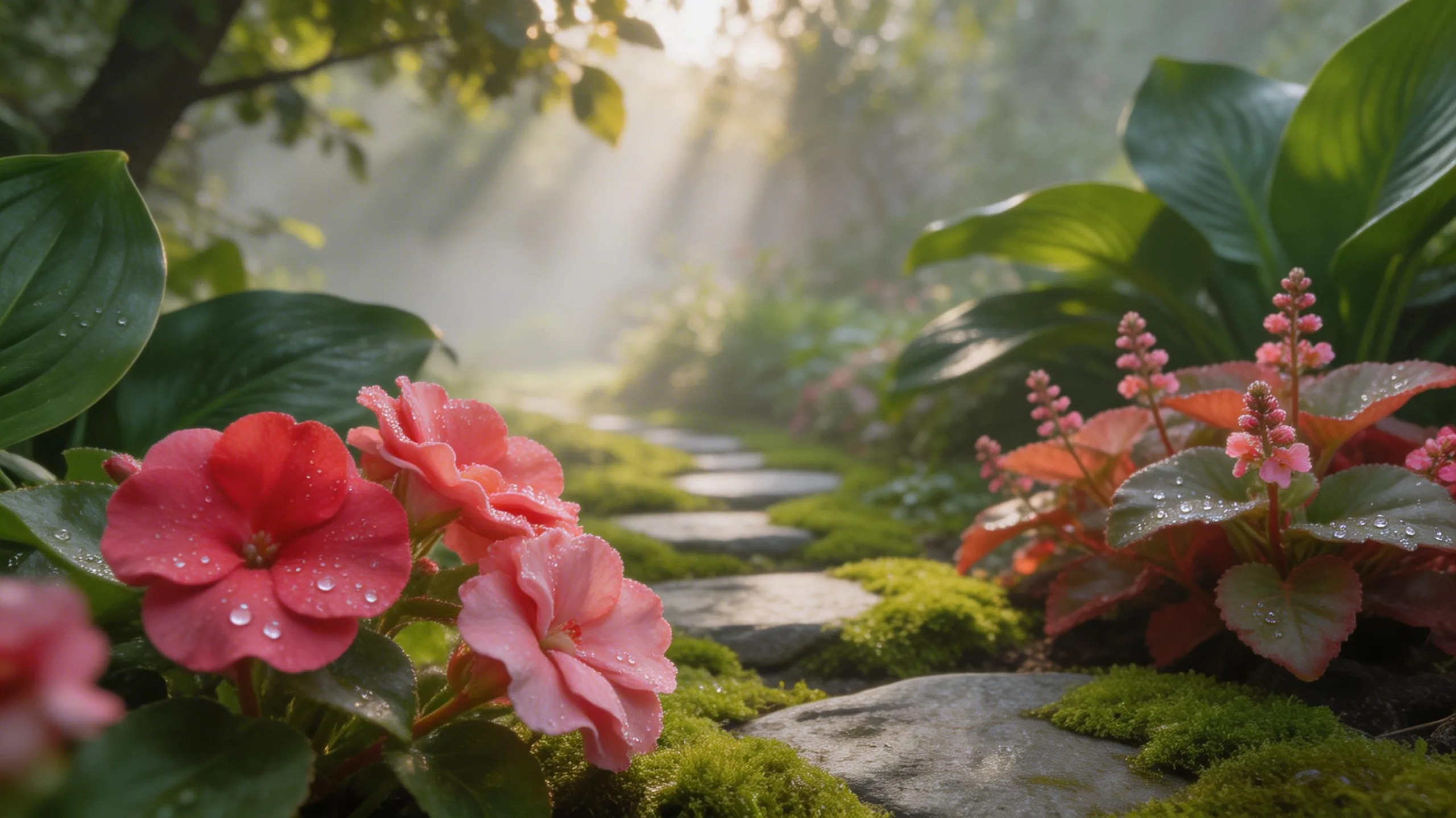
Sun-loving flowers like zinnias aren’t the only option for vibrant color. You can transform dim areas with plants that thrive in shade.
First, evaluate your light; partial shade gets some direct sun, while full shade gets dappled or indirect light.
For moist, rich soil, choose astilbe, whose feathery plumes come in pink, red, and white. Impatiens offer a nonstop carpet of blossoms in nearly every hue.
For drier spots, plant hardy geraniums for soft pinks and purples, or try coral bells (heuchera) for stunning foliage in shades from lime to deep burgundy.
You’ll find these plants are low-maintenance. Just ensure they’ve consistent moisture and good drainage to keep your shady corners brilliantly alive.
Early-to-Bloom Flowers for Spring Cheer
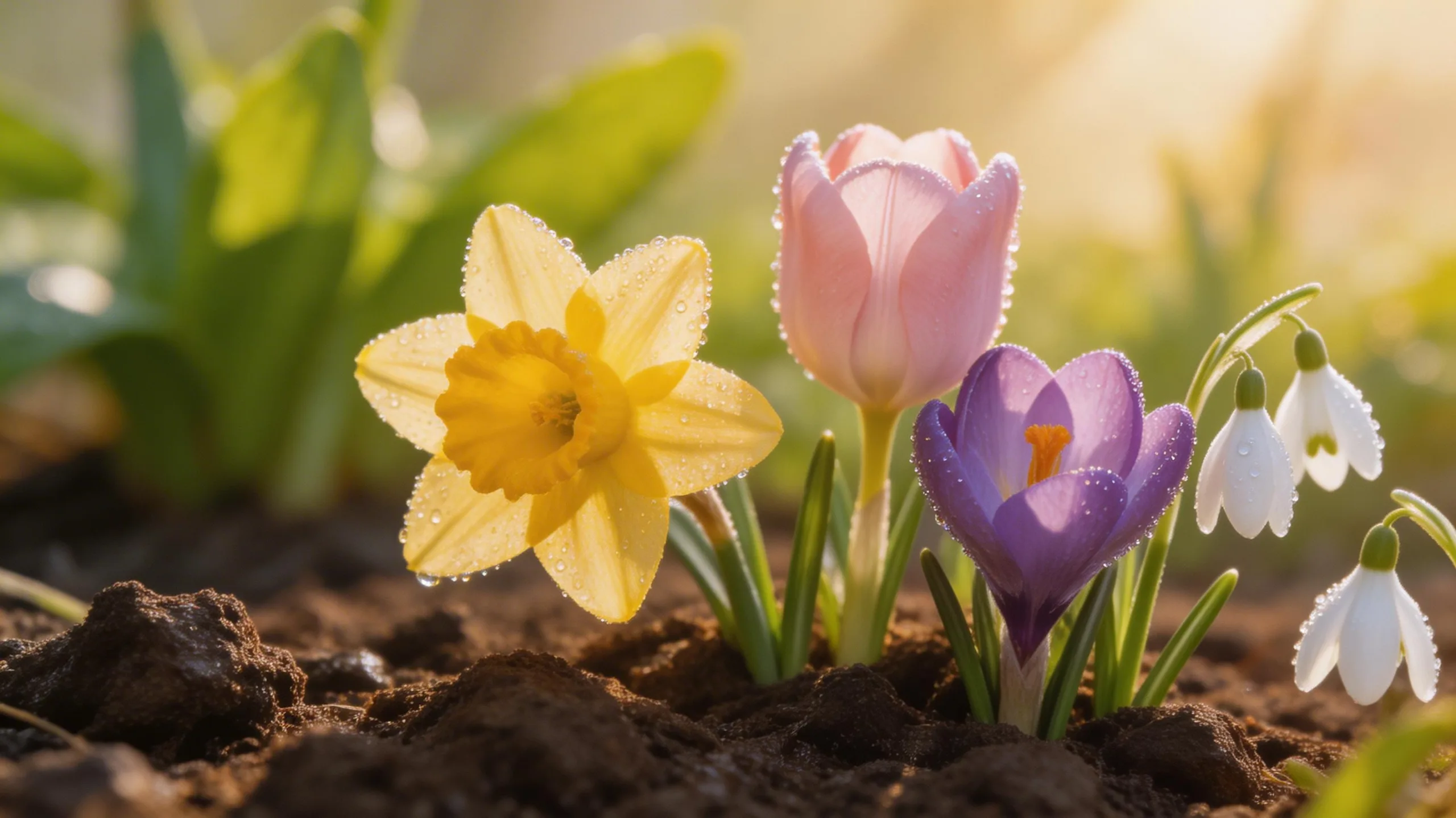
Often, the first burst of color is what your garden needs to shake off winter’s gray. You can achieve this cheer by planting early-blooming bulbs and perennials in the fall.
Reliable choices include crocus, snowdrops, and glory-of-the-snow, which often push through the last snow. For vibrant impact, plant drifts of daffodils and tulips; they’re wonderfully low-maintenance.
Don’t overlook perennials like creeping phlox or hellebores, which provide lovely ground cover and unique blooms. Position these plants in spots that get full spring sun.
Their early arrival isn’t just beautiful; it provides crucial nectar for awakening pollinators. By planning ahead, you’ll ensure a rewarding and colorful start to your gardening year.
Long-Blooming Flowers for All-Season Color
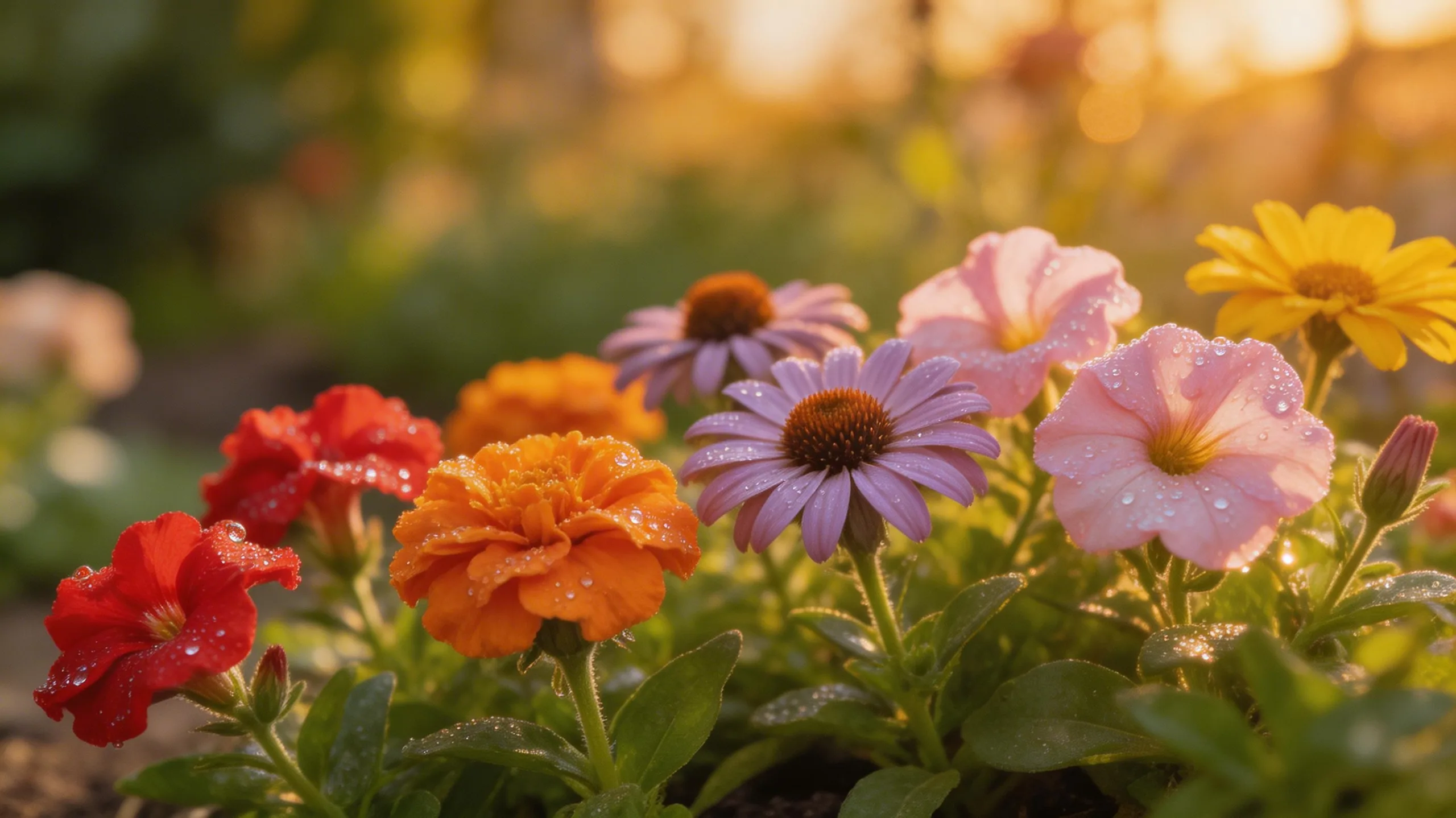
While a burst of spring flowers is delightful, you can maintain vibrant color in your garden from spring through fall by choosing plants with long bloom times.
For perennial power, you can’t beat daylilies and coneflowers, which reliably produce blooms for weeks. Annuals like marigolds and zinnias are fantastic choices; they’ll flower continuously until frost if you keep them deadheaded.
Incorporate coreopsis and salvias into your beds for sustained color with minimal fuss. You should also consider verbena and petunias for their sprawling, prolific habits in containers or borders.
Regular watering and feeding support these extended performances. Strategic placement ensures you’ll have a dynamic, colorful display throughout the entire growing season.
Fast-Growing Flowers for Quick Satisfaction
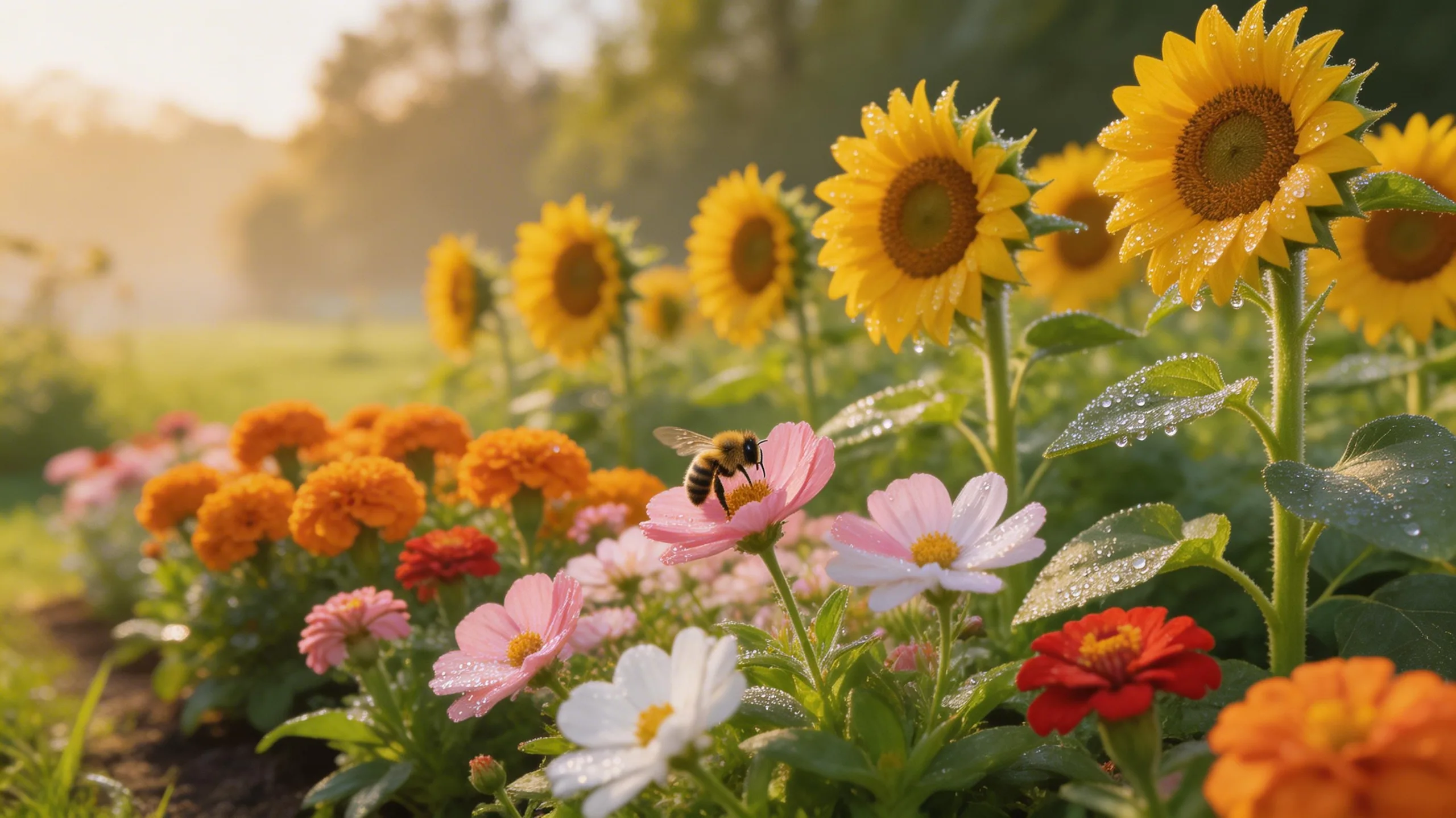
Sometimes you want a garden that rewards you quickly. Focus on fast-growing annuals and tender perennials that provide rapid color from transplants.
Zinnias are superb for this, as they leap into growth and begin flowering within weeks. Marigolds are another excellent choice, reliably producing cheerful blooms without fuss.
For a touch of whimsy, plant nasturtiums; you’ll see their sprawling vines and bright flowers in no time. Make sure you give these quick starters a sunny spot with good drainage.
Water them consistently, especially when first planted, to help establish their roots. By choosing these vigorous plants, you’ll create an impressive, lively display that brings near-instant gratification to your gardening efforts.
Easy Flowers That Grow From Seed
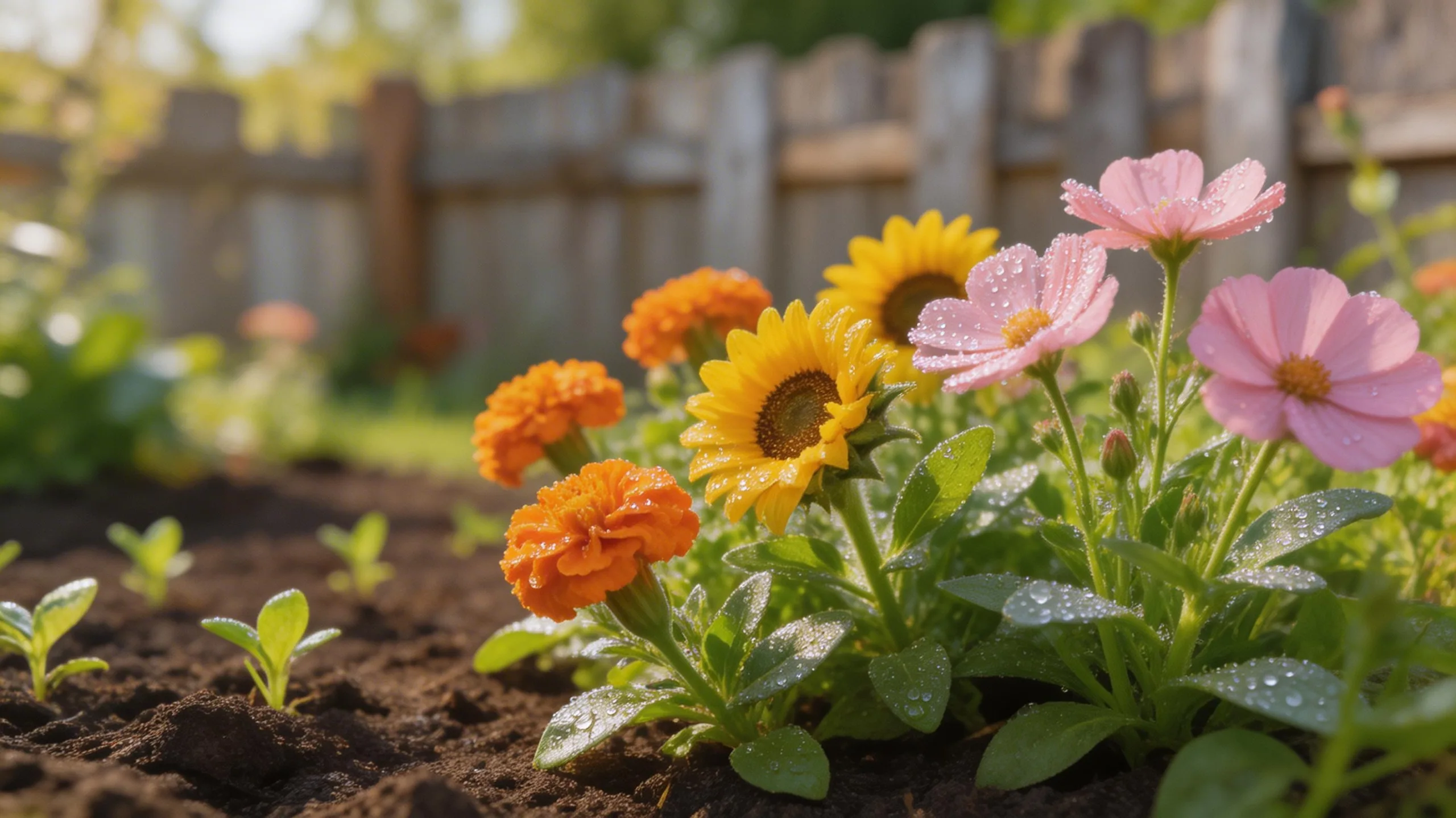
Starting directly from seed can be both rewarding and economical. You’ll find many vibrant flowers are remarkably simple to start this way. Begin with easy annuals like zinnias, marigolds, and cosmos. These aren’t fussy; just sow the seeds directly into well-drained soil after your last frost. Gently press them into the ground, as most need light to germinate, and keep the area moist.
For continuous blooms, make successive sowings every few weeks. Sunflowers and nasturtiums are other excellent, fast-growing choices. You can even scatter seeds like bachelor’s buttons for a casual, cottage-garden effect. The key is to follow the simple instructions on your seed packets regarding depth and spacing. With minimal effort, you’ll watch your garden flourish from tiny seeds into a colorful display.
Tough Ground Covers to Suppress Weeds
To combat persistent weeds, you can plant tough ground covers that form dense mats to block sunlight and choke out unwanted growth.
Start by choosing robust, spreading plants suited to your light conditions. For sunny, dry areas, consider creeping thyme or sedum; they’re drought-tolerant and need little care. In shaded spots, plant laminin or vinca minor, which thrive without direct sun.
You’ll prepare the area by clearing existing weeds and loosening the soil. Space the young plants according to their spread, typically about a foot apart. Water them well initially to establish roots.
Once mature, these living mulches will significantly reduce weeding. You’re not just preventing weeds; you’re creating a low-maintenance, textured carpet for your garden.
Fragrant Easy-Care Blooms for Your Garden
While tough ground covers solve one garden challenge, you can also choose fragrant flowers that are simple to grow and bring continual pleasure.
Begin with sweet alyssum, a low-growing annual you can sow directly. Its honey scent drifts wonderfully on the air.
For height and classic perfume, plant a few oriental lilies; their bulbs are reliably perennial and demand little beyond sun.
Don’t overlook night-scented stock, either. Sow its seeds in spring, and by summer, you’ll enjoy its evening fragrance from inconspicuous blooms.
You’ll find these varieties are remarkably undemanding. They require just well-drained soil, occasional watering during dry spells, and deadheading to encourage more flowers. Their scents will reward your minimal effort daily.
Pollinator-Friendly Flowers That Effortlessly Attract Bees & Butterflies
Some of the easiest garden flowers are also the most powerful for supporting bees and butterflies. You can plant a pollinator haven with minimal effort. Start with annuals like zinnias and cosmos; they’re incredibly simple from seed and bloom all season.
For perennials, choose echinacea (coneflower) and lavender—they’re drought-tolerant once established and provide excellent nectar. Sedum is another foolproof choice for fall feeding.
Always plant in clusters of the same flower type to make foraging easier for pollinators. Avoid modern “double” blooms where petals replace nectar-rich centers.
You’ll find that a garden teeming with these beneficial insects isn’t just lively; it’s also more productive, as they’ll help pollinate your vegetables and other flowering plants.
Dramatic Foliage With Low-Maintenance Plants Like Hostas
Focus on dramatic foliage, and you’ll discover low-maintenance plants like hostas can transform shady areas into lush, textured retreats.
Their impressive leaves provide season-long color and structure with minimal effort.
You simply need to plant them in well-drained, rich soil and keep them watered.
They’re remarkably tough and resilient once established.
To maximize their visual impact, apply these sophisticated design principles:
- Leverage Contrast: Combine large-leaved, blue-toned hostas with finely-textured ferns or the strappy leaves of liriope for compelling interplay.
- Utilize Repetition: Plant the same hosta variety in swaths or repeat its color in other shade plants to create a cohesive, intentional look.
- Play with Scale: Place bold, giant hostas as focal points and use smaller, golden-edged varieties as elegant ground cover or borders.
Vertical Interest With Easy-Climbing Vines
As your garden’s lush foliage establishes a strong foundation, look upward to incorporate climbing vines and add captivating layers. They’re perfect for maximizing space on fences, trellises, or arbors.
Start with easy-to-grow annuals like sweet peas or morning glories, which provide quick, seasonal color from seed. For perennial structure, consider clematis; just plant its “feet” in shade and its “head” in sun for stunning blooms.
Honeysuckle and jasmine offer delightful fragrance and attract pollinators. Most of these vines need minimal care beyond initial support and consistent watering.
You’ll find they quickly cover vertical surfaces, creating privacy and drawing the eye skyward, which instantly makes your garden feel larger and more dynamic.
The Easiest Bulbs to Plant in Fall
Often overlooked in the autumn rush, fall-planted bulbs are one of gardening’s simplest rewards, reliably bursting into color when you need it most after winter.
You just plant them once and they return year after year. Focus on these three foolproof choices for guaranteed success.
- Daffodils (Narcissus): These are virtually pest-proof and thrive in almost any soil. Plant them about 6-8 inches deep in a sunny spot.
- Crocus: These small, early bloomers signal spring’s arrival. Scatter them in shallow holes (3-4 inches deep) in lawns or borders.
- Alliums (Ornamental Onions): Their striking spherical blooms add drama. Plant the larger bulbs quite deep, around 8 inches, in well-drained soil.
You can tuck them into the ground until the soil freezes. Then, forget about them until spring.
Self-Seeding Flowers That Come Back on Their Own
Some flowers generously plant themselves for you, creating a naturally returning display with very little effort on your part. To get started, simply let these plants complete their cycle by dropping seeds. You’ll want to avoid tidying up the spent blooms too early in the season. The seeds then germinate in place the following year, often filling gaps and creating charming, informal arrangements. Remember to allow some seedlings to mature, thinning them if they become overcrowded.
| Flower Name | Key Sowing Tip |
|---|---|
| Cosmos | Let the light, feathery seeds scatter freely from dried flower heads. |
| Calendula | Allow the curved, prickly seeds to fall in summer for autumn blooms. |
| Nigella (Love-in-a-Mist) | Don’t remove the intriguing seed pods; they’ll open on their own. |
| Forget-Me-Not | These tiny seeds need minimal disturbance to spread in moist areas. |
Tough-As-Nails Flowers for Problem Spots
Gardens inevitably have those tricky areas where other plants struggle, but you can find resilient flowers that thrive in problem spots. You’ll conquer dry, sandy patches, poor soil, and scorching sun with these durable bloomers. They don’t ask for much and reward you with vibrant color where you need it most.
You simply plant them, then let their toughness do the work.
- Sedum: This succulent thrives in hot, dry, and rocky conditions with minimal water, offering clusters of star-shaped flowers from summer to fall.
- Coreopsis: It laughs at poor soil and full sun, producing a profusion of cheerful, daisy-like blooms that last for months.
- Russian Sage: It conquers drought and heat with elegant, lavender-blue plumes and aromatic silvery foliage, adding height and texture.
Your Easy-Care Container Garden Flowers
Many beautiful flowers can thrive in containers with minimal effort from you. Start with the right container; ensure it has drainage holes to prevent root rot. Use a high-quality potting mix, not garden soil, for the best results.
For instant color, choose reliable performers like petunias, marigolds, or geraniums. They’ll bloom abundantly with just regular watering and some sun. For shady spots, try resilient impatiens or begonias. You can even grow compact zinnias or dwarf sunflowers for a cheerful display.
Remember to feed your plants every few weeks with a balanced, water-soluble fertilizer to support their growth. By selecting these easy varieties and providing basic care, you’ll create a vibrant potted garden effortlessly.
Pro Tips for a Thriving, Low-Effort Garden
Now that you’ve got colorful container gardens going, let’s expand that low-maintenance success to your garden beds. Focus on selecting native or adapted perennial flowers; they’ll establish themselves and return reliably year after year.
Always amend your soil with compost at planting to boost health and reduce future feeding. Group plants with similar water needs together to make irrigation simpler and more efficient.
Remember, a little strategic effort upfront creates a garden that mostly cares for itself.
- Mulch Generously: Apply a two-inch layer of organic mulch around plants. It suppresses weeds, conserves water, and enriches soil as it decomposes.
- Embrace Deadheading: Regularly snip off spent blooms. This neat trick encourages more flowers and prevents self-seeding where you don’t want it.
- Install Simple Irrigation: Use a basic drip line or soaker hose on a timer. It delivers water directly to roots, saving you time and conserving resources.
Frequently Asked Questions
How Do I Keep Pests Away Naturally?
You can keep pests away naturally by planting repellent herbs like basil, using sprays made from soap and water, and encouraging beneficial insects like ladybugs to visit your garden.
What Are Safe Flowers for Pets?
For pet safety, choose sunflowers, zinnias, or marigolds. Avoid lilies or tulips. You can check the ASPCA’s toxic plant list. Many common annuals are safe and you’ll find they add vibrant color without worry.
How Often Should I Water New Plants?
Check soil moisture daily. Water when the top inch is dry, but don’t drown them. Morning watering is best. You’ll help roots grow deep and strong, establishing a resilient plant. Adjust for heat and rain.
What Soil Is Best for Easy Flowers?
Start with well-draining soil. Mix compost into your garden bed to enrich it. You’ll find many easy flowers, like marigolds or sunflowers, thrive in this. It gives them the nutrients and aeration they need.
Can I Grow These Flowers Indoors?
Yes, many easy flowers thrive indoors. You’ll need a sunny window and well-draining pots. African violets, peace lilies, and geraniums are great starter picks because they’re resilient and adapt well to indoor conditions.
Conclusion
By sticking with these twenty easy flowers, you’re setting your garden up for success. Choose the right plants for your conditions—sun or shade, dry or damp. Invest a little time planting reliable perennials and annuals that love your space. Then, just sit back and enjoy the color and life they bring. With this simple plan, a stunning, low-maintenance garden is easily within your reach.
The Only Tools You Need for a Thriving Garden 🌱
Whether you're a weekend gardener or growing daily — these hand-picked tools make every session faster, easier, and more satisfying.