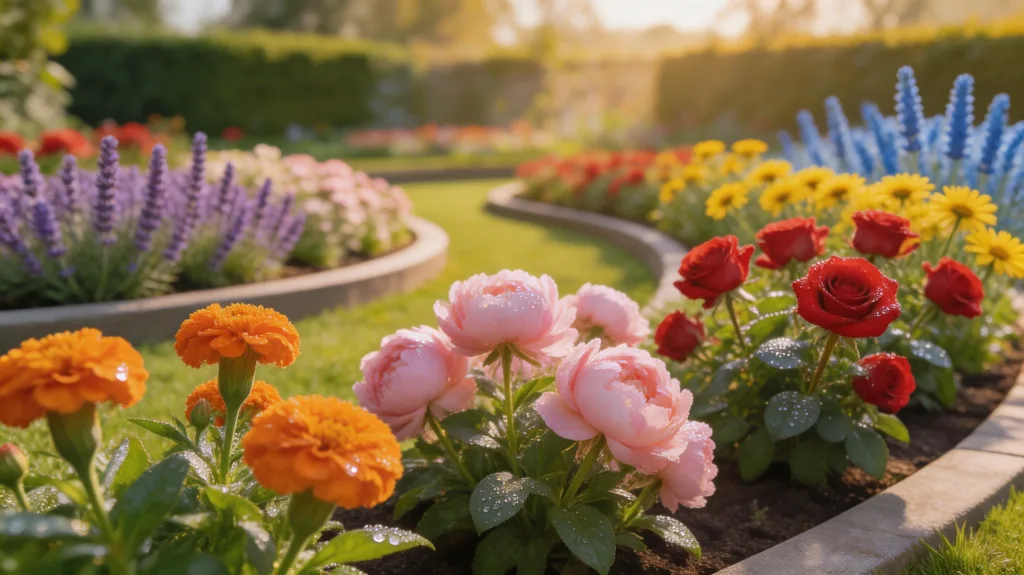
Planning a flower garden transforms your yard into a living room. You can weave a cottage tapestry, build bold tropical corners, or craft serene monochrome beds. The right blend of color, structure, and bloom time creates year-round magic. We’ll explore ideas from fragrant pathways to pollinator havens, giving you the practical steps to begin. Discover how simple choices in layout and plant selection can achieve stunning, cohesive results.
Key Takeaways
- Choose a garden theme like a cottage or tropical style to create a cohesive, colorful aesthetic.
- Design continuous color by selecting plants with staggered bloom times across all four seasons.
- Plan deliberate color schemes, from monochrome beds to rainbow zones, for maximum visual impact.
- Incorporate foliage, shrubs, and ornamental grasses for year-round structure and texture.
- Create specific garden types like wildflower meadows for vibrant, low-maintenance color.
Choose Your Garden’s Style Before You Dig In
Before you ever break ground, deciding on your garden’s overall style is the crucial first step that will guide every other choice you make. Don’t just start planting; look at your house’s architecture and your personal taste. Do you love the clean lines of a formal, symmetrical garden, or the relaxed, flowing feel of a cottage garden? Perhaps a modern style with bold foliage and limited color palettes suits you.
Your chosen aesthetic will determine your plant shapes, textures, and even your hardscape materials like paths and borders. It’s about creating a cohesive outdoor room. Let this vision inspire you; it’s the framework that turns a collection of plants into a meaningful, beautiful garden tailored just for you.
Start Simple With a Classic Monochrome Flower Bed
Now that you have your garden’s style in mind, create a powerful first impression by planting a single-color flower bed. Choose one hue you adore, like deep purple or pure white, and gather several varieties of plants that bloom in that shade.
For a white garden, you could mix Shasta daisies, fragrant nicotiana, and tall delphiniums. This approach creates a cohesive, sophisticated look that’s surprisingly simple to design. You’ll focus on texture and form instead of color coordination.
A monochrome bed makes a bold statement and feels instantly curated. It’s a perfect starting point that builds your confidence, proving you don’t need a rainbow of flowers to achieve stunning visual impact in your yard.
Design a Rainbow Garden Organized by Color
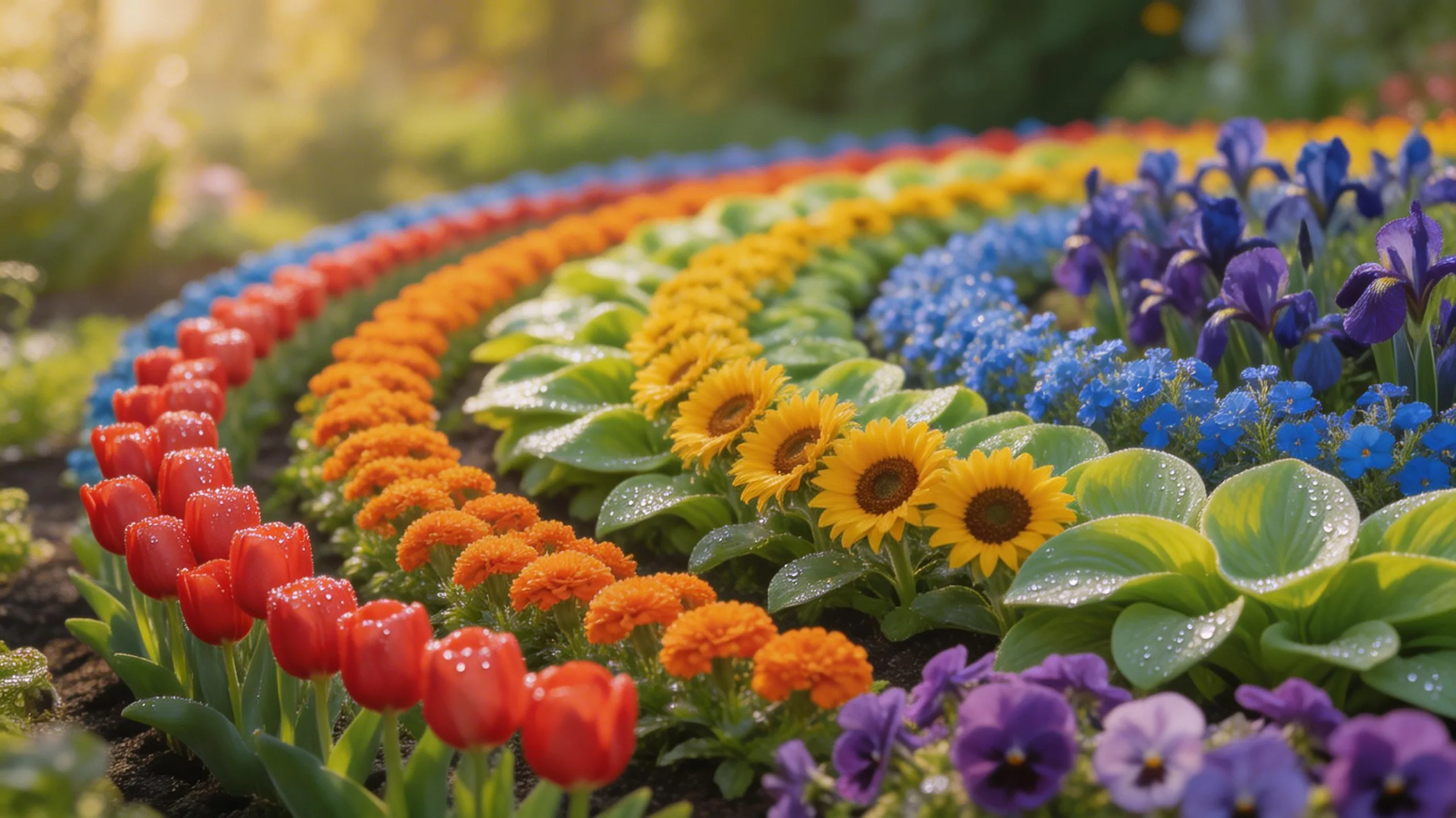
If you’re ready to embrace vibrant variety, consider organizing your next flower bed as a living rainbow, where each color occupies its own distinct section. You’ll start by drawing a curving bed and marking zones for red, orange, yellow, green, blue, and purple. Plant tall specimens like delphiniums at the back of your blue section and low-growing alyssum at the front of your white edge. Stagger bloom times by choosing a mix of early, mid, and late-season flowers within each color block to ensure the rainbow effect lasts for months. This approach creates a stunning, educational display that celebrates the full spectrum of nature’s palette in your own yard.
| Color Zone | Suggested Flower for Impact |
|---|---|
| Red | Bee Balm (Monarda) |
| Orange | California Poppy |
| Yellow | Coreopsis |
| Blue | Salvia |
| Purple | Russian Sage |
Repeat Your Favorite Colors for a Cohesive Look
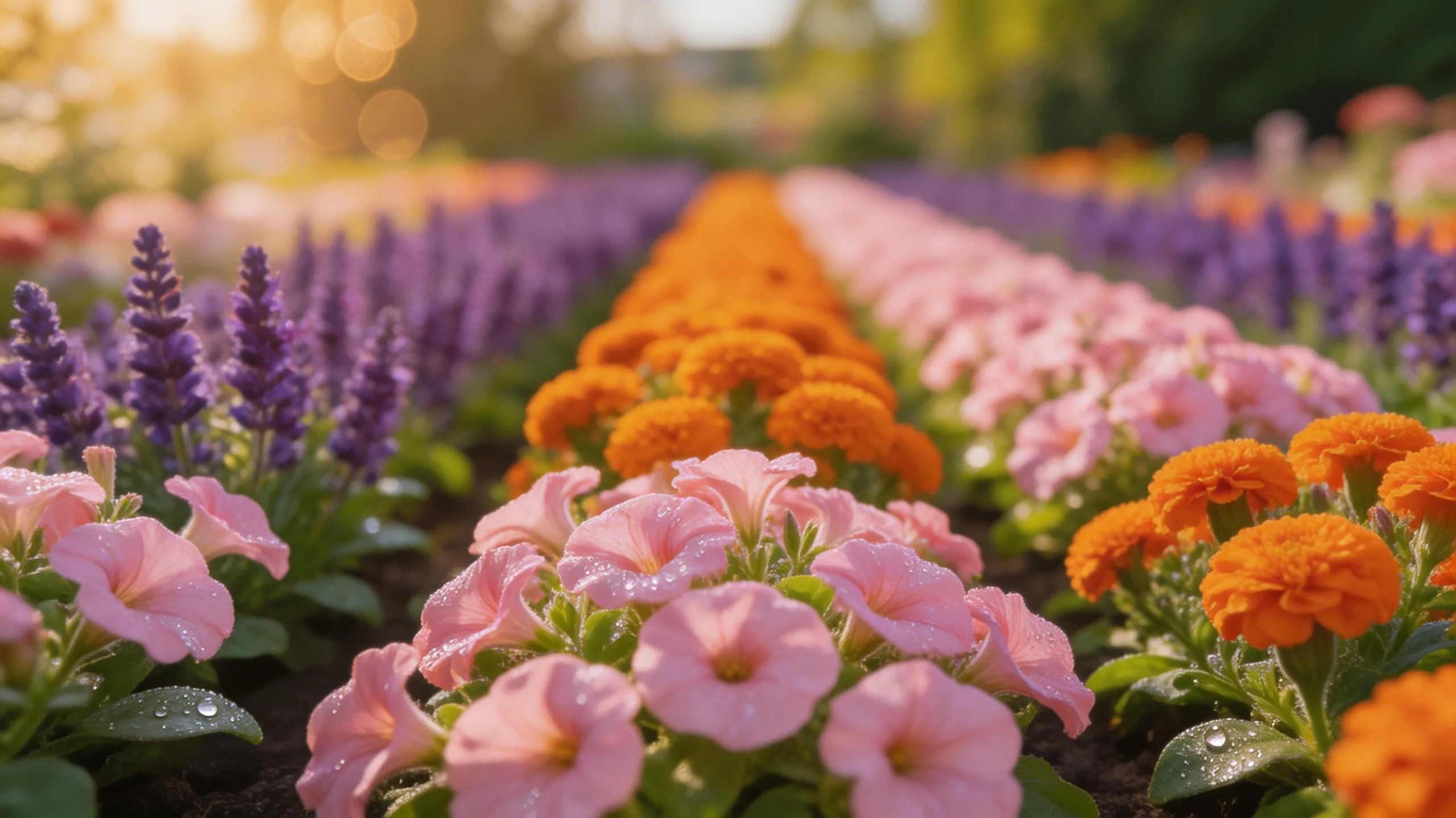
While a rainbow garden celebrates every hue, you might find yourself drawn to just a few favorites. Repeating those colors creates a beautifully cohesive look that feels intentional and serene.
Choose two or three main shades, like soft lavender, crisp white, and vibrant magenta. Then, select plants that bloom in those tones throughout the seasons.
For your lavender, start with early-blooming crocus, transition to salvia in summer, and finish with asters in fall. This repetition guides the eye and makes your space feel unified, not chaotic.
You’re not limiting your palette; you’re refining it. A monochromatic scheme in shades of blue or a classic pink-and-white border can be profoundly impactful and easier to maintain visually.
Mix Flowers and Foliage for Rich Texture
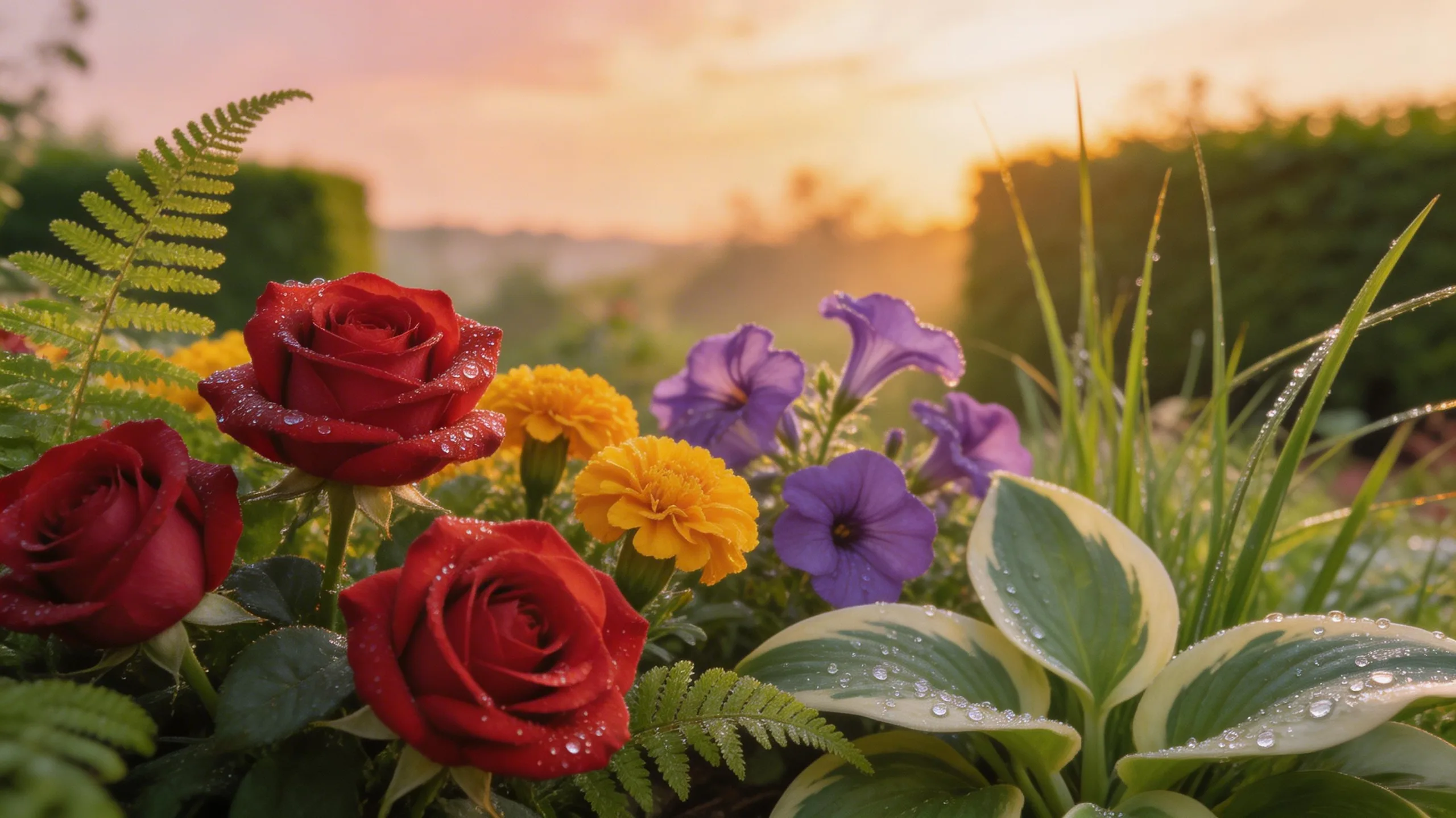
Since you’ve chosen your colors, enhancing your garden’s depth relies on layering not just blooms but leaves. Consider a plant’s entire form: feathery astilbe fronds behind broad hosta leaves, or spiky iris blades contrasting with delicate lady’s mantle.
You’re building a tapestry where velvety lamb’s ear plays against glossy bergenia. Don’t just plant flowers in isolation; weave them among foliage that provides visual interest even when blooms fade.
Use fine textures, like ferns or threadleaf coreopsis, to make bold leaves appear more substantial. This deliberate mixing creates a lush, intricate scene that feels full and alive, engaging the eye with every glance. Your garden becomes a richer, more sophisticated space through thoughtful textural interplay.
Anchor Your Blooms With Striking Foliage Plants
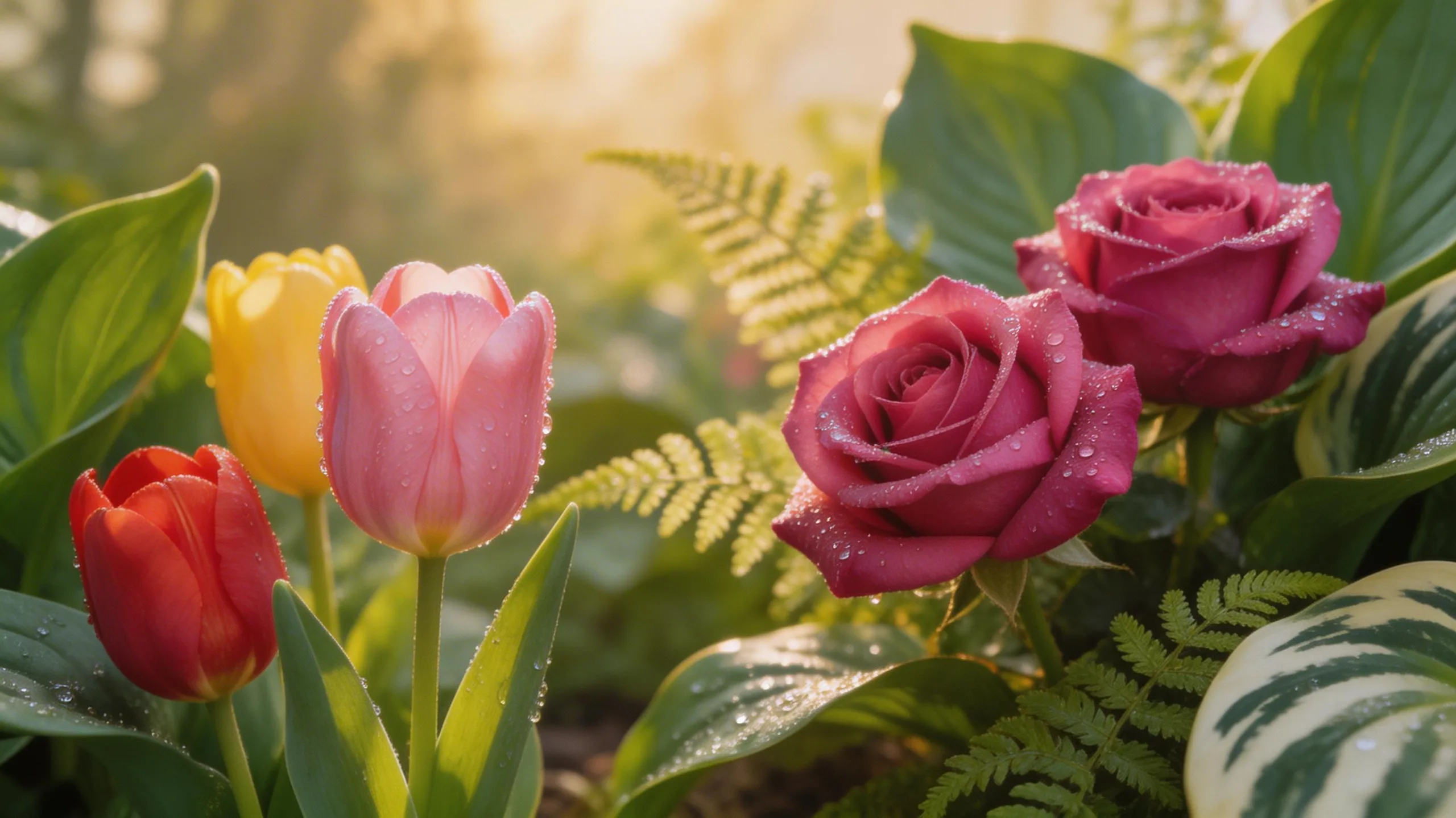
Anchor your floral display with foliage plants whose sculptural forms and enduring colors provide a steady foundation for more ephemeral blooms. Think of them as the constant, structural elements in your garden’s composition.
Plant bold, architectural choices like hostas with their broad, ribbed leaves or spiky phormiums to create dramatic focal points. Use silvery artemisia or deep purple heuchera to weave cohesive color threads through your beds, ensuring visual interest even when flowers fade.
Position these plants strategically—nestle smaller, mounded foliage like lamium at the front of a border, and place taller grasses like miscanthus toward the back. Their reliable presence gives your garden a polished, intentional look year-round.
Design a Cottage Garden for Effortless Charm
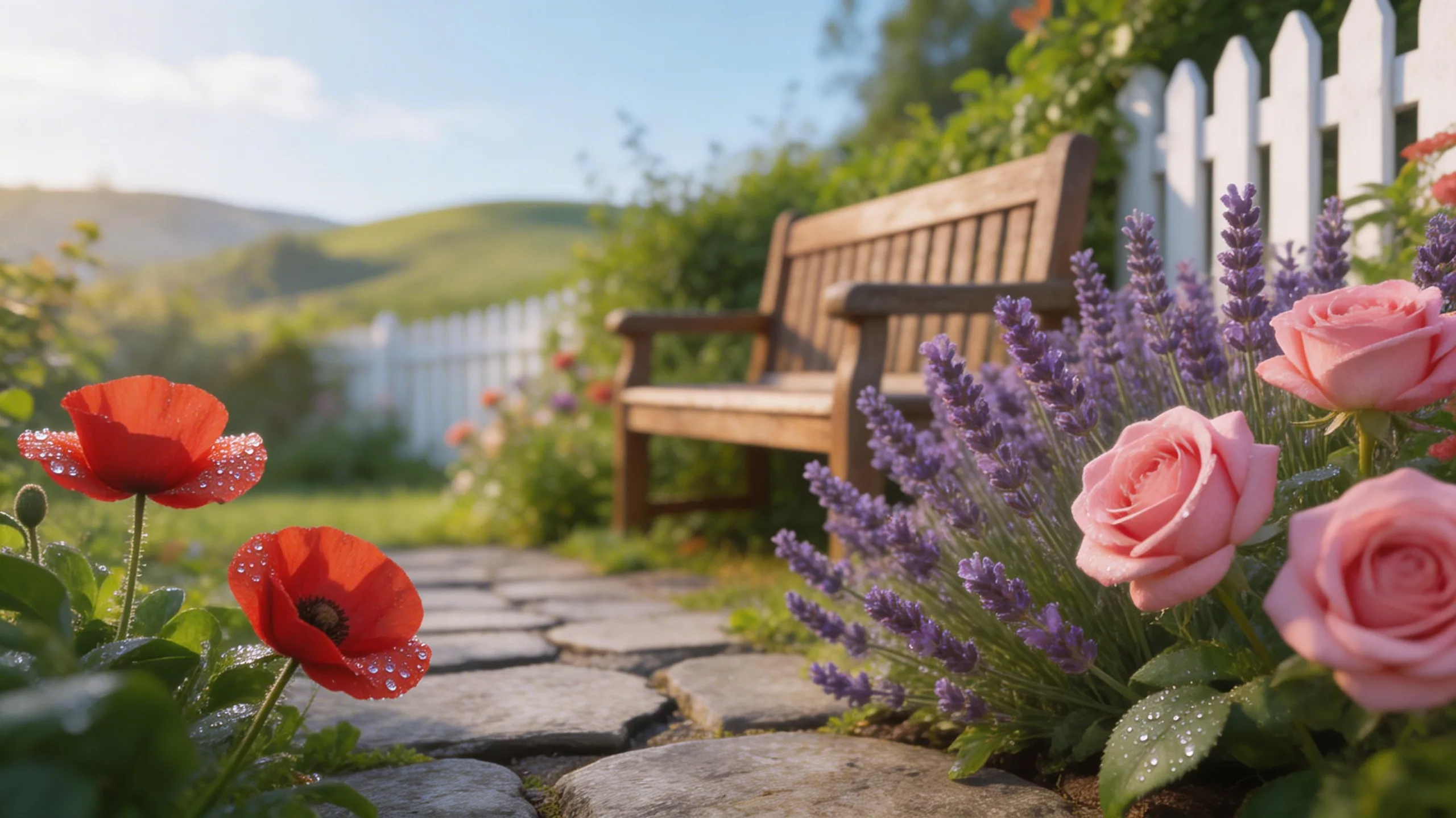
Building on that foundation of strong foliage, a cottage garden embraces a more relaxed and abundant aesthetic. You’ll intermingle plants, letting them spill over paths and mingle freely. Choose old-fashioned favorites like foxgloves, delphiniums, and lady’s mantle for vertical accents. Then, fill in with billowing masses of nepeta, hardy geraniums, and fragrant lavender or roses.
This style isn’t about rigid rows; it’s a curated tapestry of color and texture. Allow self-seeding plants like poppies and forget-me-nots to find their own spots, creating delightful surprises each year. Edge your beds with low stone or weathered wood for definition. The goal is a lush, welcoming space that feels artfully untamed and full of life.
Choose a Bold Theme With a Tropical Flower Garden
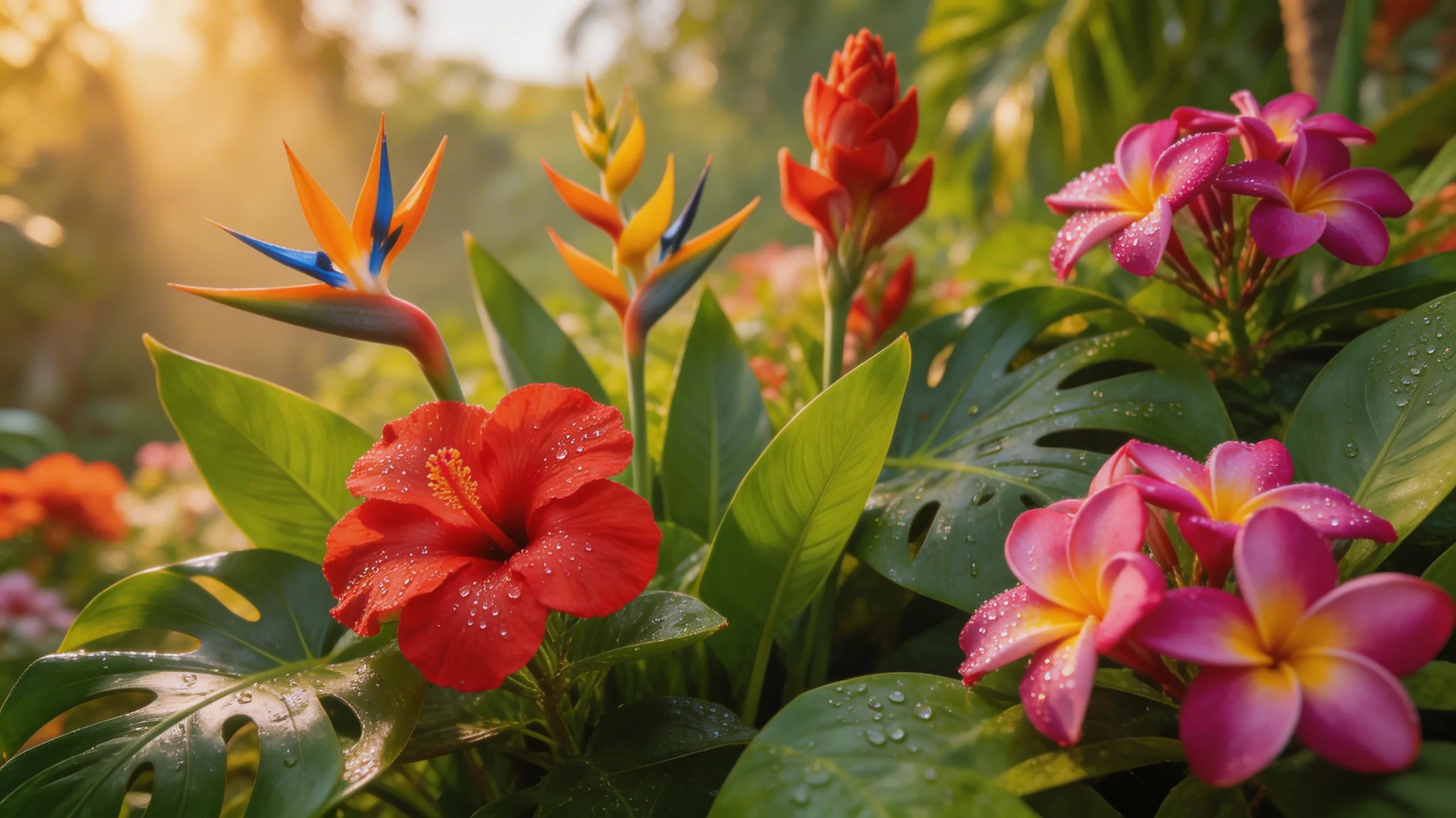
Create a stunning tropical flower garden by embracing lush foliage and vibrant, dramatic blooms. You’ll focus on bold textures and saturated colors that command attention.
Start by selecting a sunny, sheltered spot and amending your soil with rich compost for optimal drainage. Your plant palette should include large-leaved architectural plants like cannas or elephant ears as a backdrop. Then, interplant with fiery blooms such as hibiscus, heliconia, or bird of paradise.
- Layer Heights: Build visual interest by placing tall gingers behind medium-sized torch lilies, with low-growing bromeliads at the front.
- Prioritize Foliage: Include plants like coleus or caladium for non-stop leaf color when flowers aren’t in peak bloom.
- Mulch Heavily: Use a thick layer of organic mulch to conserve moisture and keep roots cool during hot spells.
- Feed Regularly: Apply a balanced, water-soluble fertilizer every two weeks to fuel the rapid growth and prolific flowering these plants demand.
Plant a Nostalgic Heirloom Garden With Vintage Varieties
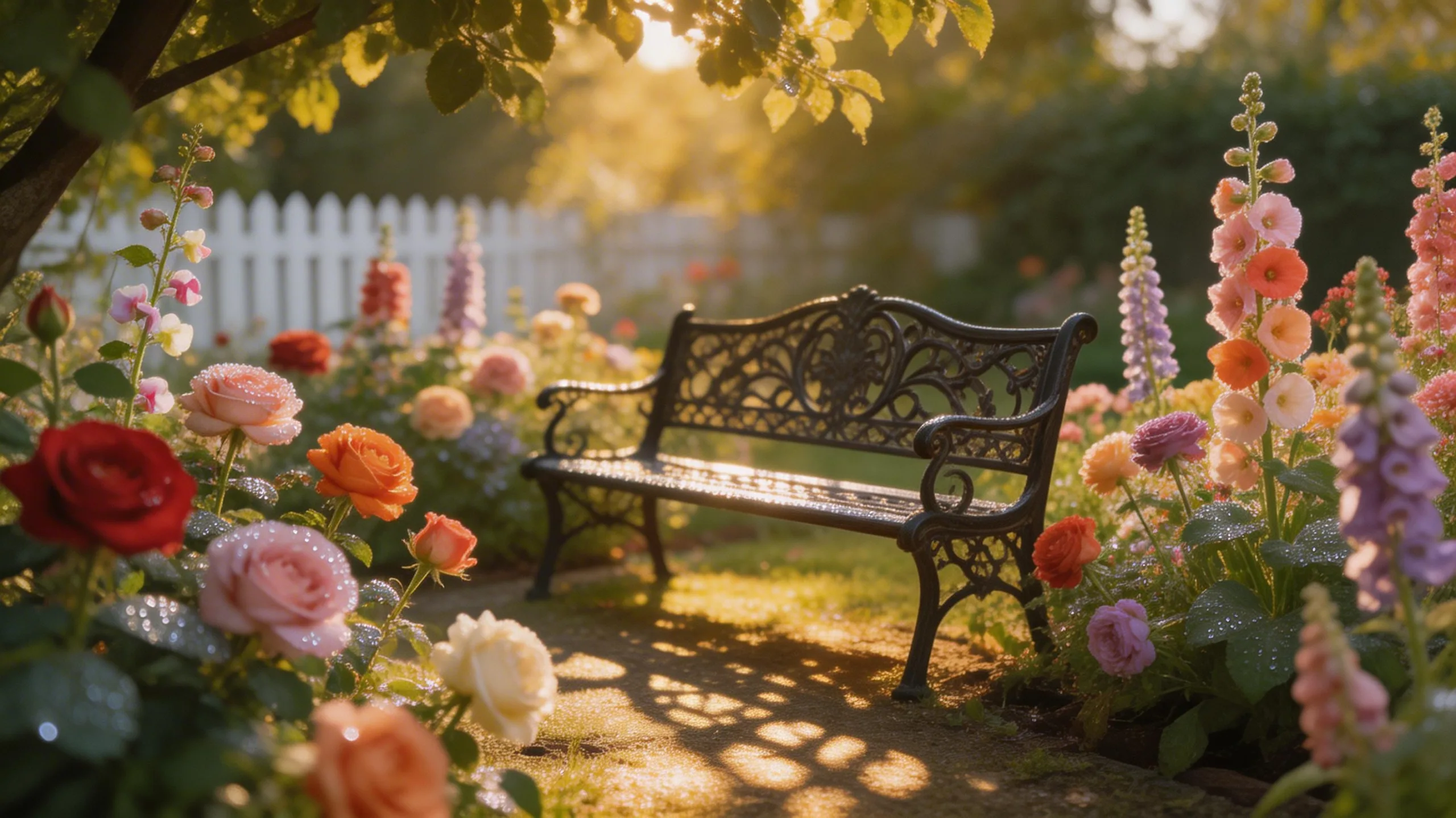
Before you ever knew a garden could be labeled “heirloom,” you were likely captivated by the simple, profound beauty of a vintage variety—perhaps a fragrant, bi-colored rose your grandmother grew or the uniquely ruffled tomato that always graced your family’s summer table.
You can cultivate this nostalgia by intentionally selecting open-pollinated flowers and vegetables from seed catalogs specializing in heirlooms. Seek out historic favorites like fragrant Sweet Peas ‘Cupani’, flouncy ‘Chater’s Double’ hollyhocks, or jewel-toned ‘Painted Lady’ runner beans. These varieties carry generations of flavor, scent, and resilience.
Start with simple seed-saving from a favorite annual, like marigolds, to connect you directly to gardening’s living history. Your garden becomes a living archive, telling a colorful story with every bloom.
Go Wild With a Low-Maintenance Meadow Garden
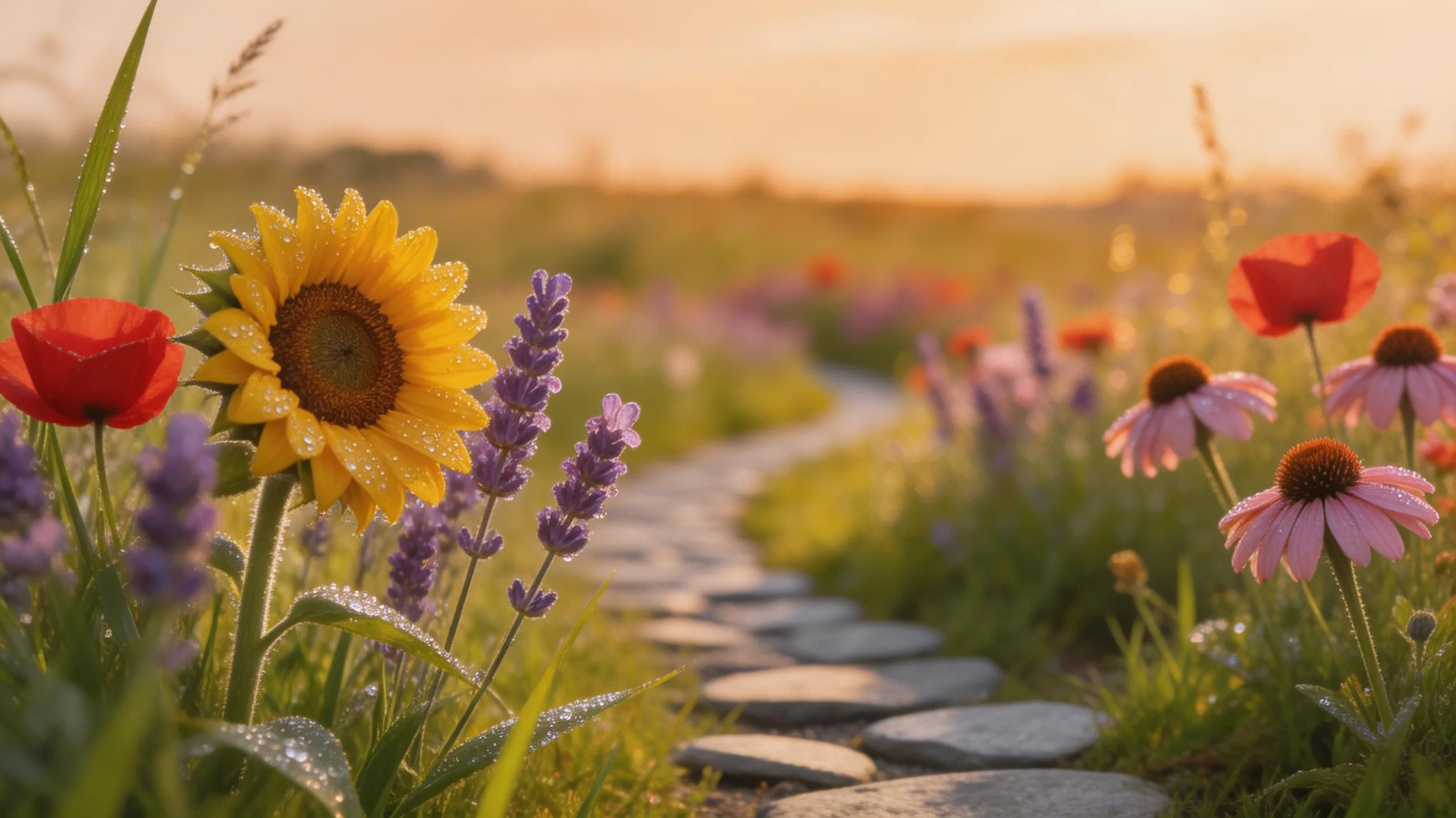
Forget the meticulous chore of a traditional lawn and embrace a dynamic tapestry of grasses and flowers that thrives on neglect.
A meadow garden replaces weekly mowing with seasonal waves of color and texture.
Start by clearing your chosen patch and using a regional wildflower seed mix suited to your sun exposure.
Scatter seeds in fall or early spring, lightly rake them in, and keep the area moist until they’re established.
Your reward is a living landscape that needs only one annual mowing in late winter.
- Select native wildflowers like purple coneflower, black-eyed Susan, and milkweed to support local pollinators.
- Incorporate ornamental grasses such as little bluestem for movement and winter structure.
- Mow just once a year in late winter to allow plants to self-seed and provide wildlife habitat.
- Create pathways with mowed strips or stepping stones to navigate and enjoy your miniature prairie.
Design a Rock Garden for Alpine Beauty
With their sculptural forms and rugged texture, rocks provide the perfect foundation for a low-growing collection of alpine plants that thrive in sunny, well-drained conditions.
Start by selecting and placing your largest stones first, burying a third of each for stability. Arrange them in natural-looking clusters, not rows.
Use a very gritty soil mix, as excellent drainage is non-negotiable. Tuck plants like creeping phlox, sedum, and dwarf conifers into crevices and pockets between the rocks.
These resilient choices will cascade and mound, softening the hardscape with color and foliage. Your rock garden becomes a miniature mountain landscape, offering year-round structure and a stunning display of delicate blooms that laugh at poor soil.
Build a Raised Bed for Control and Vibrant Color
While the rock garden embraces the wild contours of a hillside, you can create equally vibrant color with the engineered advantage of a raised bed. It gives you absolute control over soil quality and drainage, letting you grow denser, healthier blooms.
You’ll define crisp lines and tailor the height to your comfort, eliminating back strain. This precision fosters a lush, floriferous display.
- Perfect Your Soil Mix: Start with a weed-free blend of topsoil, compost, and coarse sand for ideal fertility and drainage.
- Master Layered Planting: Place taller focal flowers in back, mid-height fillers in the center, and cascading varieties at the front edges.
- Intensify with Succession: Immediately replace spent spring bulbs with summer annuals for nonstop color.
- Extend Your Season: The soil in raised beds warms faster, allowing you to plant earlier in spring and later into autumn.
Add Instant Color With Patio Container Gardens
Bring your flower garden right to your patio and create instant impact with vibrant container displays.
Start with large pots to hold more soil and plants, providing a stable foundation.
Use the ” thriller, filler, spiller” technique for a dynamic look: place one tall focal flower in the center, surround it with bushy mid-height blooms, and let trailing plants cascade over the edges.
You’ll find instant gratification using annuals like petunias, marigolds, and geraniums for their fast, prolific color.
Ensure your pots have drainage holes and use a high-quality potting mix.
Group containers together on your patio floor or arrange them on shelves at varying heights to create a lush, layered effect that transforms your space in a single weekend.
Incorporate Vertical Color With a Living Flower Wall
Living flower walls are your next weekend project, letting you create a stunning tapestry of blooms that climbs upward. You’ll maximize color in tight spaces and instantly elevate a plain fence or blank wall.
Start by choosing a sturdy support system, like a metal grid or a wooden trellis panel, and secure it firmly. Fill it with modular planting pouches or a lined frame using a lightweight potting mix. Select a mix of trailing and upright plants for lush, dimensional coverage.
- Sun-loving trailers: Sweet potato vine, nasturtiums, or wave petunias for vigorous cascades.
- Colorful fillers: Geraniums, compact zinnias, or marigolds for consistent blooms.
- Foliage interest: Variegated ivy or coleus for contrasting texture and depth.
- Edible blooms: Trailing strawberries or nasturtiums for a decorative, tasty twist.
Water diligently, as vertical plantings dry out faster, and enjoy your living masterpiece.
Edge Your Walkway With a Vibrant Flower Border
For a welcoming entrance, you’ll frame your walkway with vibrant blooms that greet guests and draw the eye. Choose durable, low-growing plants that won’t spill onto the path. You can plant a single variety like lavender for a fragrant, uniform hedge, or mix colors and textures for a cottage-garden feel.
Consider repeating key plants along the border’s length to create rhythm. Stagger the planting in two offset rows for a fuller look, placing taller varieties in back. For continuous color from spring to fall, combine perennials like catmint and salvia with annuals such as marigolds or sweet alyssum.
This living frame instantly elevates your home’s curb appeal and makes every approach a delightful experience.
Transform a Problem Corner Into a Lush Shade Garden
Even if that awkward, shaded corner has felt unusable, you can transform it into a serene retreat by embracing shade-loving plants. Start by assessing your light—partial shade supports more flowering options than deep shade.
Introduce layers by planting a small tree or large shrub as a backdrop, then fill in with lower perennials and groundcovers. You’ll create a textured tapestry that thrives without sun.
- Install a focal point like a sculptural fern or a cluster of variegated hostas to draw the eye.
- Add pops of seasonal color with blooming shade dwellers like astilbes, impatiens, or hellebores.
- Incorporate textural contrast using the broad leaves of hostas against the fine fronds of ferns.
- Define the space with a simple stone path or a bench, making it a destination.
Plant a Butterfly Garden to Attract Fluttering Color
If you’re ready to add dynamic movement to your landscape, consider planting a garden specifically designed to attract butterflies. Start by selecting a sunny, sheltered spot, as butterflies need warmth to fly.
You’ll require both nectar plants for adults and host plants for caterpillars. Include flat-topped or clustered flowers like zinnias, coneflowers, and verbena for easy feeding. Plant milkweed, the essential host for monarchs, and parsley for swallowtails.
Arrange plants in large swathes to create a bold visual target. Add a shallow puddling area with damp sand and stones for minerals. Avoid pesticides completely.
Watching these vibrant insects flutter from bloom to bloom transforms your garden into a living kaleidoscope of color and life.
Create a Pollinator Paradise With Bee-Friendly Blooms
Turning your garden into a sanctuary for bees is a powerful step toward supporting our ecosystem. You’ll provide vital nourishment for these essential pollinators while creating a vibrant, buzzing hub of life in your own yard.
Start by choosing simple, open-faced flowers where bees can easily access nectar and pollen. Plant them in generous clusters to make foraging efficient.
- Select native blooms like coneflowers, sunflowers, and asters that local bee species recognize and rely on.
- Ensure a continuous buffet by planting varieties that bloom from early spring through late fall.
- Include blue, purple, and yellow flowers, which are particularly attractive to bees.
- Avoid pesticides and leave some undisturbed, bare soil for ground-nesting bees.
Your thoughtful choices create a lifeline for bees and a dynamic garden for you.
Grow a Cutting Garden for Homegrown Bouquets
While supporting pollinators offers one rewarding approach, you can also design a garden that directly brings beauty indoors. A dedicated cutting garden, planted in simple rows for easy access, guarantees a constant supply of fresh blooms.
Prioritize long-stemmed, prolific flowers like zinnias, cosmos, and snapdragons that thrive on being cut. Include sturdy fillers such as feverfew and decorative grasses, plus foliage plants like herbs or dusty miller for texture.
You’ll want to succession-sow seeds every few weeks for a nonstop harvest from summer through fall. Cut stems early in the morning, place them immediately in water, and enjoy arranging your own vibrant, homegrown bouquets that capture the season’s best color.
Plant a Fragrant Garden That Engages All Senses
Because a garden’s beauty extends beyond what you see, designing for fragrance creates an immersive, multisensory retreat. You can layer scents by choosing plants with different bloom times and intensities. Position powerfully fragrant species, like lilies or gardenias, where you’ll linger—near a bench or along a path. Remember to include aromatic foliage you can brush against, such as lavender or scented geraniums. These gardens become deeply personal havens for relaxation and memory.
To craft your own:
- Start with Classics: Integrate reliable, strongly scented flowers like sweet peas, old-fashioned roses, and star jasmine.
- Plant for Proximity: Place lower-growing herbs like thyme and chamomile between stepping stones to release scent underfoot.
- Consider the Clock: Include day-bloomers like phlox and night-scented beauties like flowering tobacco for continuous perfume.
- Add Texture: Incorporate velvety lamb’s ear or feathery dill to engage your sense of touch alongside smell.
Plant a Moon Garden for Evening Mystery and Scent
To transform your garden into an enchanting nocturnal retreat, focus on plants that gleam under moonlight and release their fragrance after dusk.
Start with luminous white flowers like nicotiana and moonflower vines, whose large blossoms reflect the night sky.
Intersperse silvery foliage plants such as artemisia and lamb’s ear to enhance the glow.
For intoxicating scent, incorporate night-blooming jasmine and evening-scented stock, which perfume the air as temperatures cool.
Position your moon garden where you’ll enjoy it most—near a patio, bench, or window.
Use a dark mulch backdrop to make pale flowers pop.
This dedicated space becomes a sensory sanctuary, inviting you to unwind under the stars amidst soft light and delicate aromas.
Create Year-Round Interest With Four-Season Color
Don’t let your garden fade into a monochrome backdrop as seasons change; a thoughtful palette ensures every month offers its own visual reward.
You can achieve this by selecting plants for their sequential bloom times and incorporating foliage, berries, and bark.
Start by mapping your garden’s sun patterns and soil, then research plants that thrive in those conditions across all four seasons.
Layer your plantings, placing early bulbs under later-blooming perennials and shrubs.
- Spring: Plant early bulbs like snowdrops and crocus, followed by hellebores and flowering shrubs.
- Summer: Focus on long-blooming perennials such as coneflowers, salvias, and daylilies.
- Autumn: Integrate ornamental grasses, asters, and plants with vibrant fall foliage like Japanese maple.
- Winter: Rely on the sculptural forms of evergreen shrubs, the colorful bark of red-twig dogwood, and berries from holly.
Add Structural Color With Flowering Shrubs
Building upon your year-round color strategy, flowering shrubs offer more than just seasonal blooms—they establish the very framework of your garden’s visual design. Think of them as permanent, multi-dimensional anchors.
You can place a large hydrangea at a corner for a bold accent or line a pathway with compact spirea for low hedges. Their enduring woody forms give your beds shape and substance long after annuals fade.
Choose varieties with staggered bloom times to ensure continuous color, and consider foliage too; many shrubs feature vibrant leaves in burgundy, gold, or variegated patterns that provide structure long after petals drop. They’re a foundational investment that pays dividends in color, texture, and form for years to come.
Select Plants That Thrive in Your Climate Zone
While your garden’s visual framework relies on flowering shrubs, its ultimate success depends on choosing plants suited to your specific climate zone. You’ll save yourself effort and ensure vibrant color by selecting varieties naturally adapted to your local temperatures, rainfall, and seasonal length.
Start by identifying your USDA Plant Hardiness Zone; this number is your key to understanding which perennials can survive your winter lows. You’re not just planting for survival, but for spectacular, low-maintenance beauty.
- Consult your zone’s native plant list for resilient, pollinator-friendly options that establish deep roots.
- Prioritize perennials rated for your zone as your garden’s backbone, ensuring they return bigger each year.
- Use annuals strategically in containers or gaps to experiment with bold, seasonal color accents.
- Group plants with similar sun and water needs together to create healthier, easier-to-manage garden sections.
Maintain Your Colorful Garden With Simple Seasonal Tasks
Unlock the full potential of your garden’s vibrant color by dedicating just a few simple tasks each season to maintenance.
In spring, focus on clearing debris and applying a layer of fresh mulch to conserve moisture and suppress weeds.
Summer demands consistent deadheading; snip off spent blooms to encourage continuous flowering. Keep plants vigorous with light, regular watering at their base.
As autumn arrives, cut back perennials and divide crowded clumps to rejuvenate them for next year. Protect tender bulbs with a winter mulch after the first hard frost.
This simple, seasonal rhythm doesn’t just sustain your garden—it deepens the connection to your living canvas, ensuring a brilliant display returns stronger each year.
Frequently Asked Questions
How Do I Prevent Deer From Eating My Flowers?
Fence them out or use deer-resistant plants like lavender. Apply repellents regularly, rotating types so they don’t get used to them. Motion-activated sprinklers can startle them away, protecting your colorful blooms effectively.
What’s the Best Way to Get Rid of Aphids on Roses?
Blast aphids with a water spray. Try insecticidal soap or neem oil sprays weekly. Encourage ladybugs, your allies. Prune infested areas and keep plants healthy, as stressed roses attract more pests. You’ll save your blooms.
Can I Use Mulch to Keep Flower Beds Weed-Free?
Absolutely, you can use mulch to suppress weeds. Apply a two- to three-inch layer of organic mulch like shredded bark; it’ll block sunlight, conserve soil moisture, and improve your soil as it decomposes.
How Often Should I Water My New Flower Garden?
Water deeply 2-3 times weekly for the first month, checking soil moisture first. Stick your finger in; you should feel dampness an inch down. Adjust for rain and heat, as overwatering can drown roots.
Do I Need to Test My Soil Before Planting Flowers?
Yes, you absolutely need a soil test. It’ll tell you your pH and nutrient levels. You’ll then know exactly what to amend, guaranteeing your flowers get the perfect foundation for vibrant, healthy growth.
Conclusion
Your garden’s final brushstrokes are the simple, seasonal tasks you’ll do. Deadhead spent blooms, refresh your mulch, and divide perennials to keep the color vibrant. Remember, this is your living canvas—it evolves. Trust your vision, get your hands dirty, and watch your yard transform into that inspiring, colorful retreat you imagined. Now, go enjoy it.
The Only Tools You Need for a Thriving Garden 🌱
Whether you're a weekend gardener or growing daily — these hand-picked tools make every session faster, easier, and more satisfying.