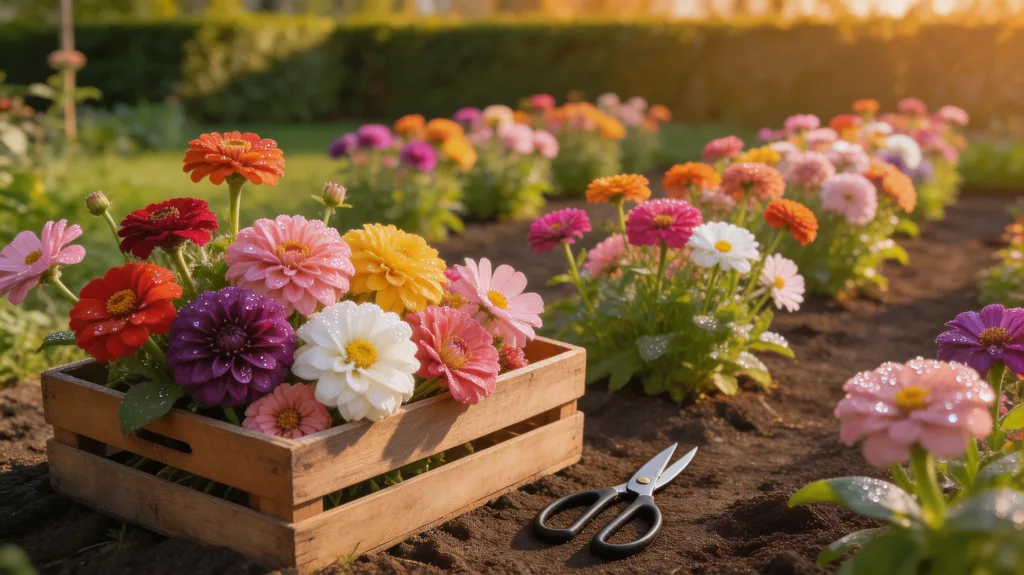
You’ll want to map your sunny and shady zones first. Then, select varieties like cosmos, zinnias, and snapdragons suited to your climate. Prepare a deep bed amended with compost to ensure your flowers have the rich, well-drained soil they need. This foundation is critical for healthy growth, but there’s a common mistake many gardeners make at this stage that can limit your blooms.
Key Takeaways
- Assess sunlight and map your garden to match flowers’ light needs.
- Choose climate-adapted flowers and stagger plantings for continuous blooms.
- Prepare soil deeply, group plants in blocks, and design accessible beds.
- Water at the base, feed regularly, and inspect for pests and diseases.
- Harvest stems in the morning and condition them immediately for longevity.
Assess Your Cut Flower Garden Space and Sunlight
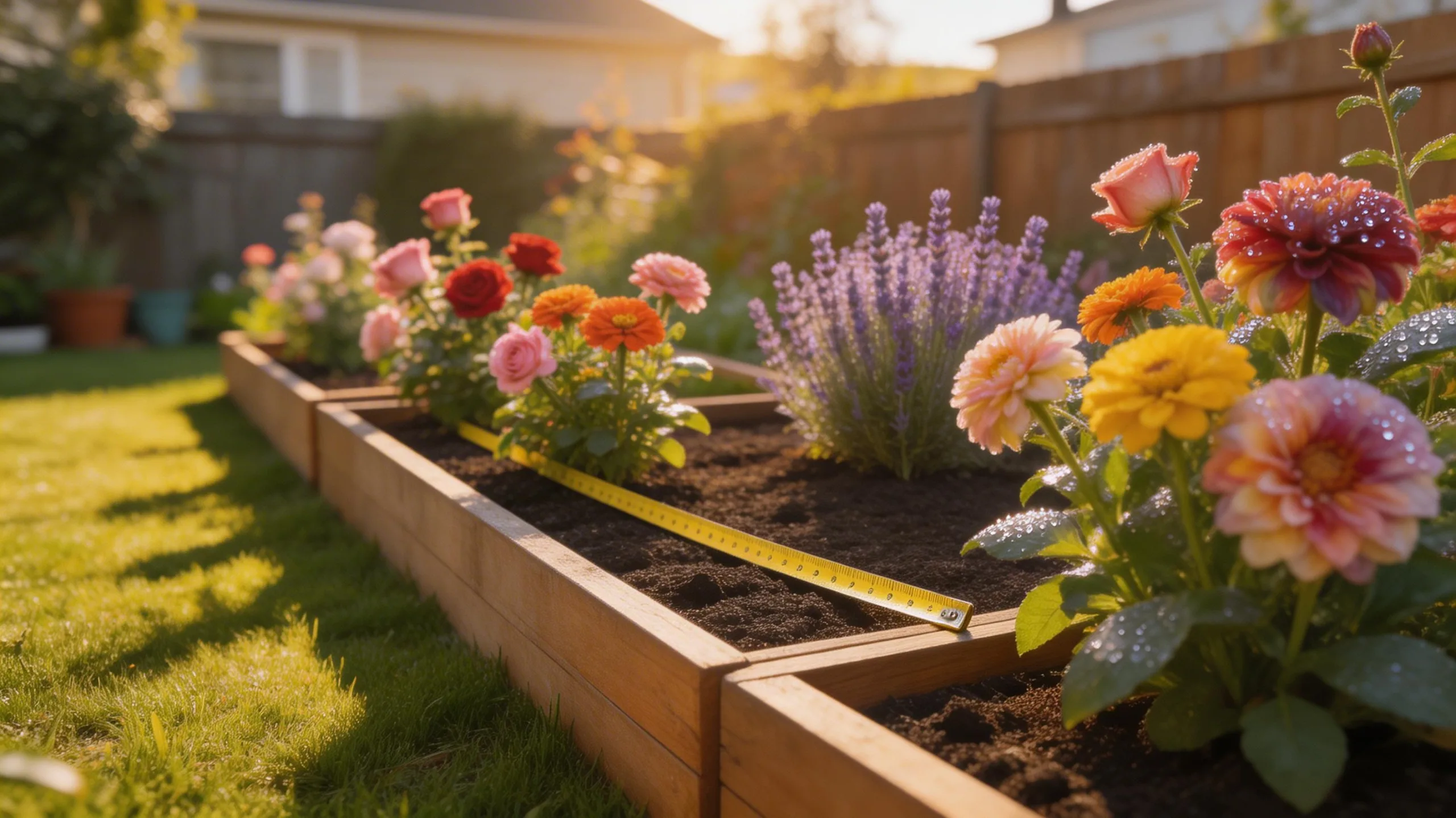
You’ll need to begin by sizing up your garden space and figuring out how much direct sunlight it actually gets. Don’t just guess; watch the area for a full day.
Most classic cut flowers, like zinnias, sunflowers, and dahlias, are sun-worshippers and require a solid six to eight hours of direct light to thrive and produce abundant blooms.
If you’ve got a shadier spot, don’t despair. You can still grow beautiful cutting material with plants like foxgloves, astilbe, or coral bells, which perform well in partial shade.
Grab a notebook and sketch your available space, noting sunny and shaded zones. This simple map becomes your planting blueprint, ensuring you match each flower’s needs to the right location for a successful harvest.
Select the Best Cut Flowers for Your Climate
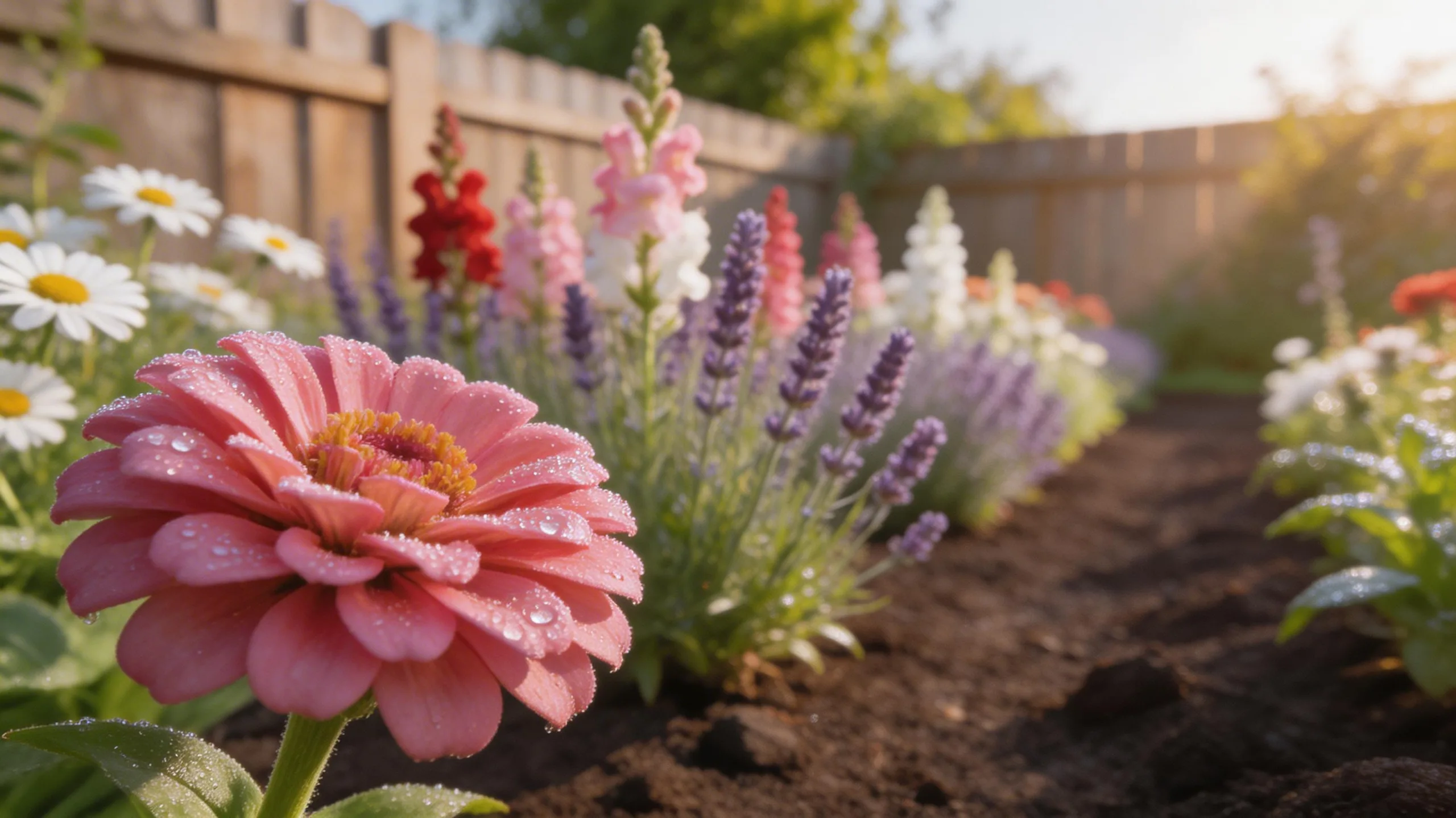
Once your garden’s light conditions are mapped, pairing those spots with flowers suited to your local climate ensures stronger plants and longer-lasting bouquets.
Your first stop is knowing your USDA hardiness zone. If you’re in a hot, humid area, you’ll have great luck with resilient zinnias, sun-loving celosia, and heat-tolerant gomphrena.
For cooler northern climates, focus on hardy annuals like sweet peas, snapdragons, and calendula that thrive in milder summers. Don’t overlook classic perennials suited to your zone, such as coneflowers for cold winters or dahlias (lifted in fall) where frosts are mild.
Choosing these climate-adapted varieties means less fuss and more abundant, vibrant stems for your vase.
Plan for Continuous Blooms With Succession Planting
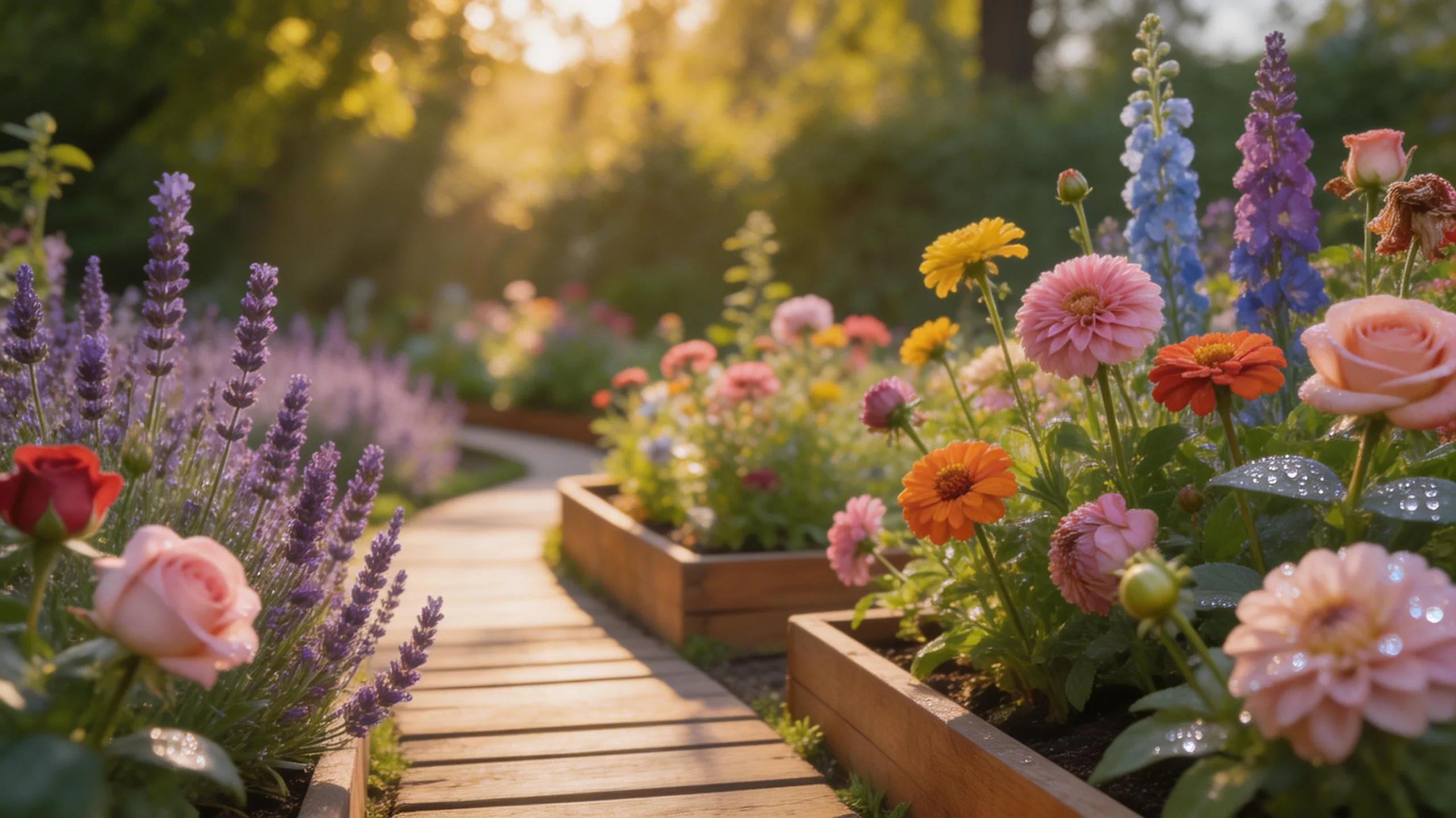
Stretching your season of fresh-cut flowers requires a simple strategy: succession planting. Instead of sowing everything at once, you’ll make smaller, staggered sowings of the same crop every few weeks.
This approach ensures you’ll have fresh stems ready for harvest over many months, not just a single burst. It works beautifully with fast-growing annuals you’ve already chosen for your climate.
- Start with quick-turnaround zinnias. Sow your first batch early, then plant another round 3-4 weeks later for midsummer blooms.
- Apply the same logic to sunflowers. Plant a few seeds every two weeks to avoid a single, overwhelming harvest.
- Keep your cosmos coming. A second sowing in early summer extends their display well into autumn.
Prepare Your Cut Flower Garden Bed for Success
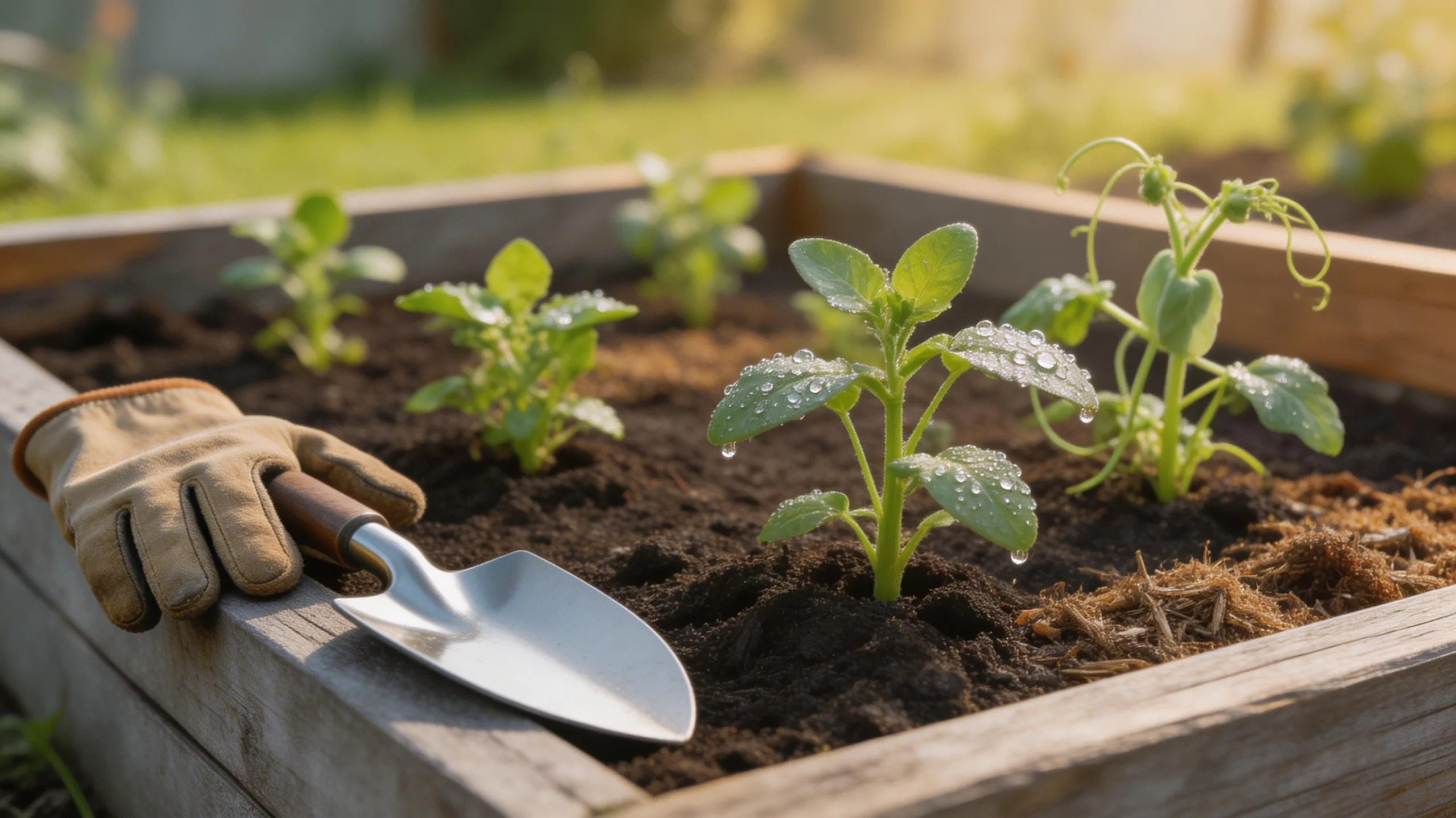
With your succession planting schedule set, attention shifts to the foundation of your garden—the soil. Invest time here for a season of vigorous growth. Start by removing weeds and loosening the soil at least 12 inches deep. Most cut flowers thrive in rich, well-draining earth, so work in generous amounts of compost. For zinnias and cosmos, which are heavy feeders, you’ll want to mix in a balanced, slow-release organic fertilizer too. A soil test can pinpoint specific needs, ensuring your dahlias and snapdragons get precisely what they require. Don’t be discouraged by less-than-perfect dirt; amending it is a rewarding first step toward a spectacular harvest.
| Flower Type | Key Soil Need | Simple Amending Tip |
|---|---|---|
| Zinnias & Sunflowers | Rich, fertile loam | Mix compost & aged manure |
| Dahlias & Roses | Excellent drainage | Add coarse sand to beds |
| Cosmos & Snapdragons | Moderate fertility | Incorporate balanced fertilizer |
| Sweet Peas & Larkspur | Cool, moist & rich | Fold in compost & peat moss |
| General Bed Health | Loamy texture & nutrients | Top-dress annually with compost |
Design Your Plot for Beauty and Easy Harvesting
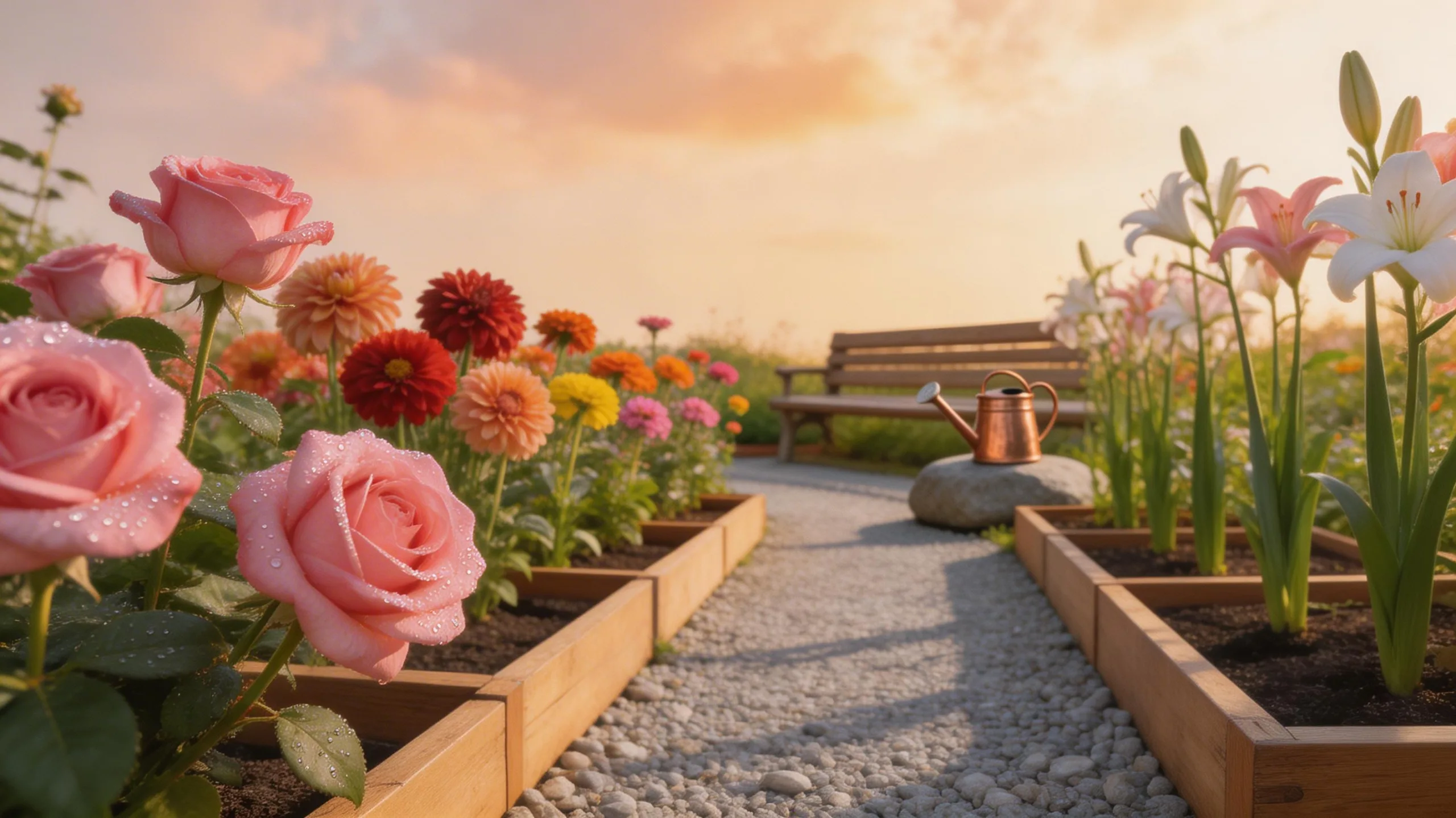
Because your flowers are destined for arrangements, plot design matters just as much as plant health. You’ll want to create both a beautiful view and an accessible workspace for cutting.
Begin by dividing your plot into beds no wider than three feet so you can reach the center without stepping on the soil. Now, arrange plants intentionally for visual appeal and harvesting ease.
- Group similar varieties: Plant blocks of five to seven zinnias or cosmos together for impactful color and simpler cutting sessions.
- Stagger bloom times: Mix early foxgloves with mid-season dahlias and late asters to maintain a lush garden throughout summer.
- Define clear paths: Maintain wide aisles between beds for moving buckets and tools while you harvest your sunflowers.
Plant Your Seeds and Seedlings Correctly
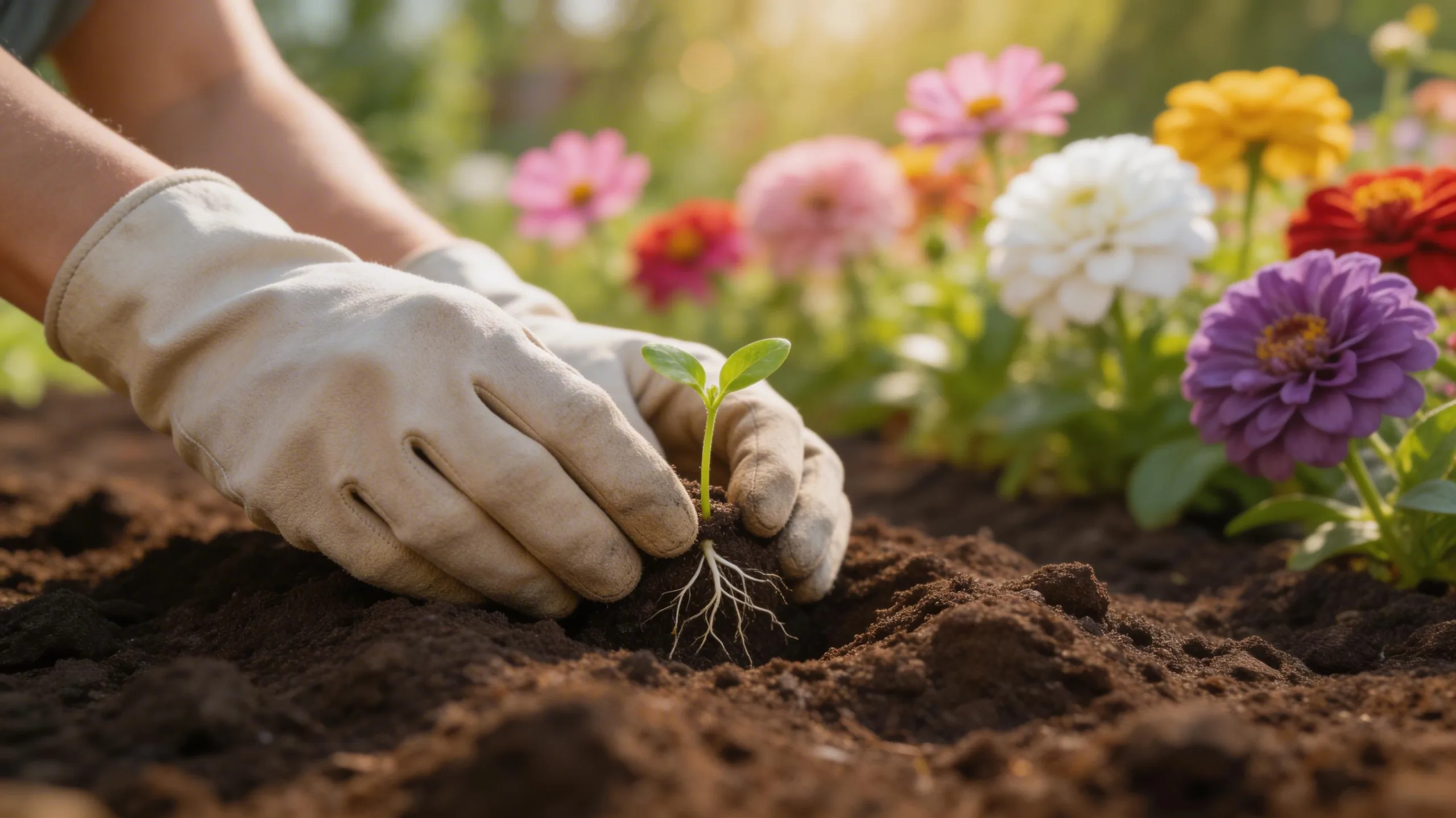
To ensure your zinnias, cosmos, and dahlias thrive, proper planting sets the foundation.
You’ll need to follow different instructions for seeds versus transplants.
Direct sow zinnia and cosmos seeds into well-worked soil after frost, spacing them as the packet directs.
For dahlias, you’ll start with tubers or purchased seedlings.
Plant dahlia tubers horizontally about 6 inches deep.
When handling any seedlings, be gentle with their roots.
Always plant them at the same depth they grew in their pot.
Firm the soil gently around them to eliminate air pockets.
This initial care gives your plants a strong start, anchoring them securely and encouraging robust root development right from the beginning.
Create a Simple Watering Schedule to Prevent Stress
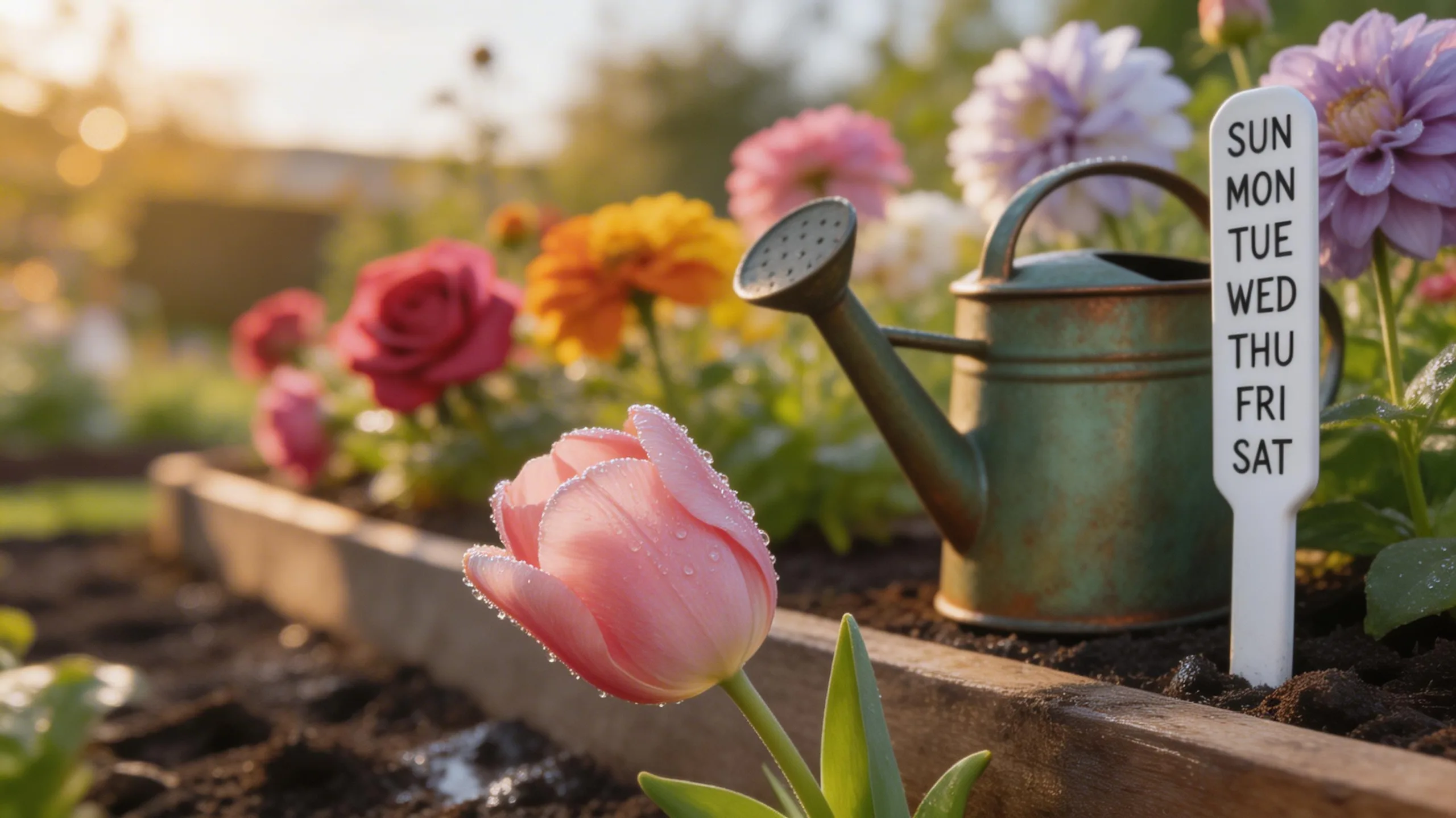
Your cut flowers flourish when you water them consistently. Irregular watering stresses plants like zinnias and cosmos, leading to drooping stems and fewer blooms. You’ll prevent this by establishing a simple, reliable schedule tailored to your garden’s needs.
- Check Soil Daily: Before watering, poke your finger an inch into the soil near the base of your sunflowers or dahlias. Water only if it feels dry.
- Water Deeply and Early: Give plants a long, slow soak early in the morning. This encourages deep roots and minimizes evaporation.
- Focus on the Base: Direct water to the soil, not the foliage. Wet leaves on plants like snapdragons can promote fungal diseases.
Sticking to this routine keeps your plants robust and ready to produce those gorgeous stems for your vase.
Feed Your Cut Flowers for Bigger, Better Blooms
Nurturing your zinnias and sunflowers with the right fertilizer transforms them from simply surviving to spectacularly thriving. You’ll want a balanced, water-soluble option like 10-10-10 every two weeks.
For heavy feeders like dahlias, side-dress with a granular fertilizer high in potassium as flower buds form; this strengthens stems and intensifies bloom color. Always water the soil thoroughly before and after feeding to prevent root burn.
With cosmos and snapdragons, you might notice a noticeable boost in branching and bud count after a consistent feeding schedule. Remember, over-fertilizing, especially with nitrogen, creates lush foliage at the expense of your prized flowers.
A little targeted nutrition goes a long way toward achieving those stunning, vase-worthy displays.
Protect Your Blooms From Pests and Diseases
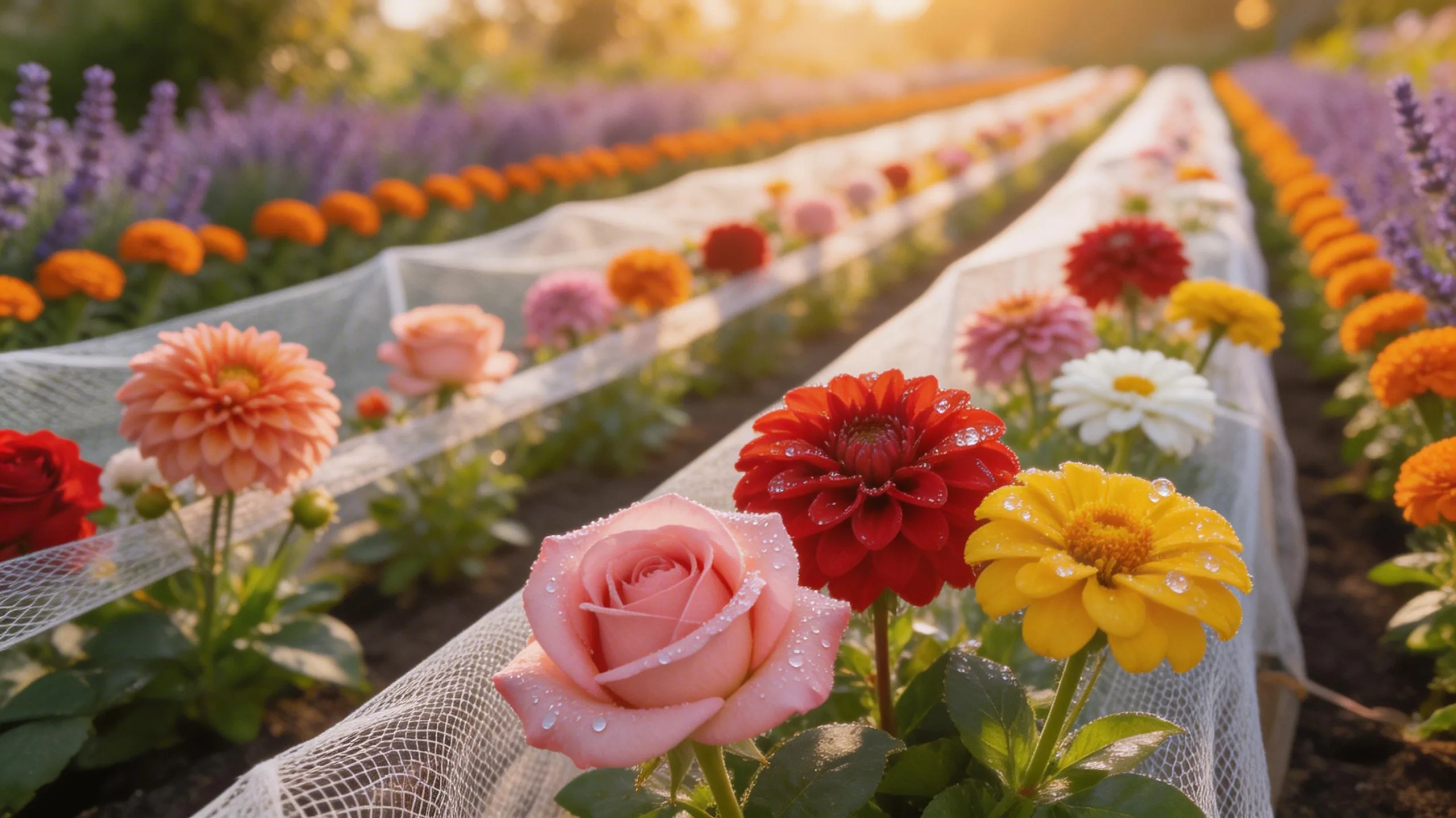
While your flowers are flourishing from proper feeding, they also become attractive targets for pests and diseases that can quickly ruin your hard work. Regular inspection is your first and best defense; you’ll learn to spot early trouble like aphids on your roses or powdery mildew on your zinnias.
Act quickly but thoughtfully—a strong spray of water often dislodges small pests, and removing affected leaves can stop disease spread. Focus on fostering plant health, as stressed plants are more vulnerable.
- Inspect daily: Check the undersides of leaves and base of stems when watering.
- Intervene early: Handpick larger pests like Japanese beetles from your dahlias.
- Choose targeted solutions: Use insecticidal soap for soft-bodied insects on snapdragons, not broad-spectrum sprays.
Support Your Flowers With Simple Staking Techniques
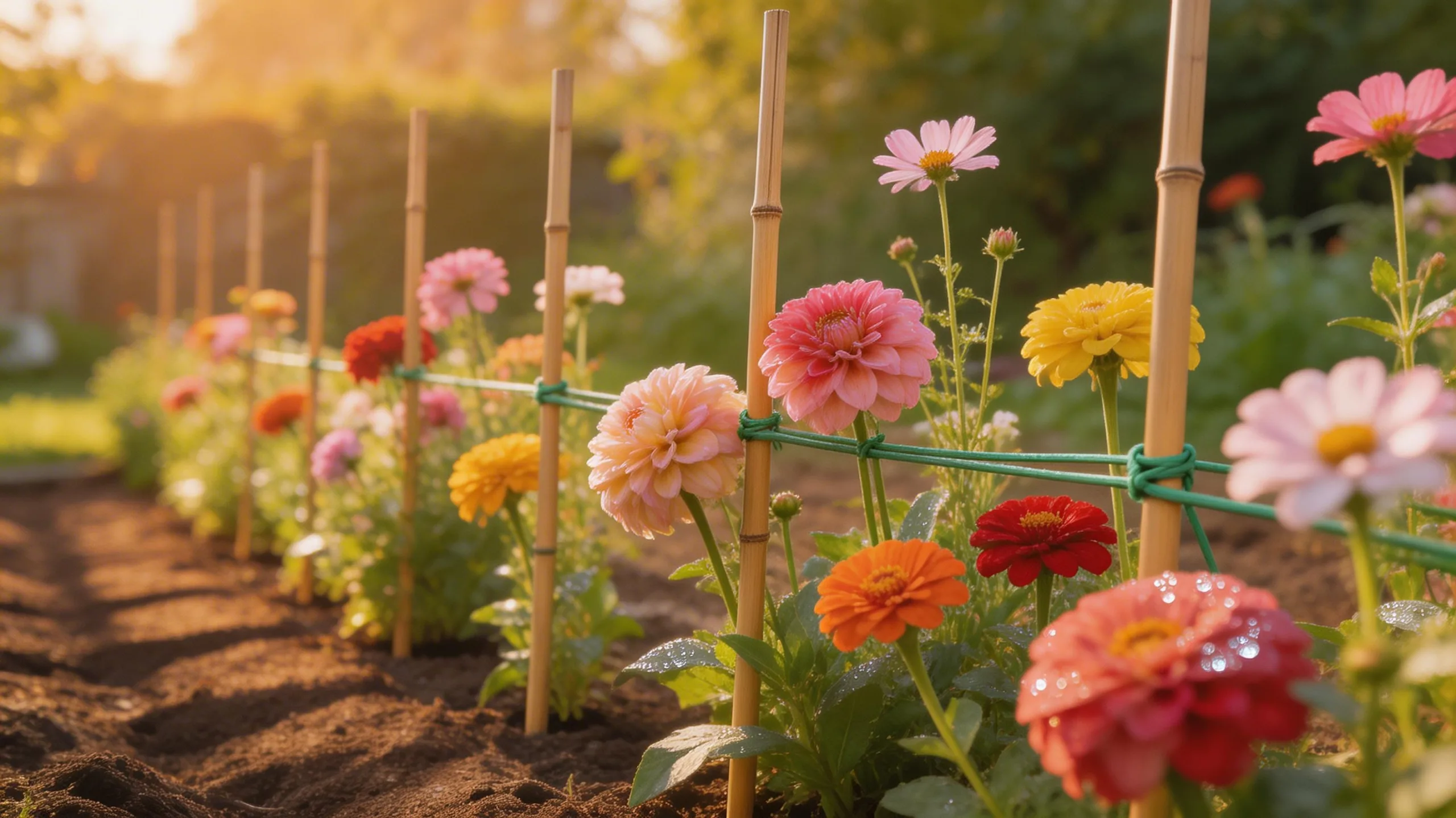
Tall, top-heavy blooms in the garden often need a little help to stand upright, especially after rain or in strong winds. You can easily prevent this flopping with a few simple staking methods.
For individual plants like delphiniums or dinnerplate dahlias, push a single sturdy bamboo cane into the soil near the stem and tie it loosely with soft twine.
For drifts of flowers, like cosmos or tall zinnias, create a supportive grid. Push stakes around the plant group and weave a web of string between them.
Install these supports early, when plants are about one foot tall, so they grow into and hide the framework. It’s a quick task that’ll make your garden look polished and your stems perfectly straight for cutting.
Know the Perfect Time and Method to Cut Flowers
Snipping your blooms at the right moment and in the right way makes all the difference for long-lasting arrangements. You’ll learn to judge each flower’s perfect stage; for zinnias, cut when petals are fully open and the center is tight, while for roses, harvest as buds are just beginning to unfurl. Always use sharp, clean pruners and cut stems long, leaving plenty of foliage on the plant so it can regenerate.
- Harvest in the Cool Morning: Cut flowers just after dawn when their stems are fullest of water and sugars.
- Make a Sharp, Angled Cut: Use bypass pruners to slice stems at a 45-degree angle, maximizing water uptake.
- Follow Flower-Specific Rules: For dahlias, cut when blooms are nearly open; for sweet peas, harvest as the first few flowers on a stem unfurl.
Condition Your Blooms for a Long Vase Life
Properly preparing your stems after you cut them significantly extends their beauty indoors. Immediately plunge your freshly gathered flowers into a deep bucket of cool, clean water. You’ll then want to strip any leaves that’ll fall below the waterline to prevent bacterial growth. Next, grab a sharp knife and recut each stem at a slant while it’s submerged; this opens the vascular tissue for maximum water uptake without letting air block the flow. For certain blooms, you’ll need to take extra steps. Woody stems like lilac benefit from a vertical slit up the base, while milky-sapped poppies require a quick sear with a flame to seal the cut. This simple conditioning ritual makes all the difference.
| Flower Type | Special Conditioning Need | Benefit |
|---|---|---|
| Lilac, Hydrangea | Split woody stem ends 1-2 inches | Dramatically improves water uptake |
| Poppy, Euphorbia | Briefly sear cut end with a flame | Stops milky sap from sealing the stem |
| Dahlia, Hollyhock | Dip stems in boiling water for 10 seconds | Clears air pockets from hollow stems |
| Rose | Remove thorns under water to avoid air bubbles | Prevents early wilting |
| Sunflower | Scrape the last few inches of stem | Increases surface area for drinking |
Arrange Your Homegrown Bouquets Like a Pro
Now you’re ready to transform those conditioned stems into a stunning arrangement. Start by choosing a clean vase and fill it with fresh, cool water. Remember your zinnias and dahlias are thirsty flowers.
- Build a Framework: Use sturdy, leafy stems like sunflower foliage or snapdragon spikes as your base structure to support softer blooms.
- Add Your Focal Flowers: Place your largest, boldest blooms, like dinnerplate dahlias or vibrant cosmos, centrally. Rotate the vase as you work to see all angles.
- Finish with Fillers: Intersperse delicate textures from plants like feverfew, basil flowers, or scabiosa to add movement and cover any gaps.
Trust your eye and don’t overthink it. Your homegrown flowers have a natural charm that professional bouquets often lack.
Extend Your Cut Flower Season Into Fall
While summer’s peak may fade, your garden can continue to supply vibrant bouquets well into autumn if you plan and plant strategically.
Focus on late-blooming annuals and perennials that thrive in cooler weather. Directly sow seeds for cool-season stars like zinnias, cosmos, and calendula in mid-summer; they’ll hit their stride just as other flowers fade.
Don’t forget stalwart perennials like sedum ‘Autumn Joy’, asters, and Japanese anemones—they provide fantastic texture and color. Include ornamental grasses for airy filler.
Keep up with your deadheading and watering to encourage these plants to produce right up until the first frost. You’ll be amazed at the autumnal palette you can gather from your own yard.
Save Seeds From This Year’s Best Flowers
Many of your most beautiful flowers can provide next year’s plants for free if you gather their seeds now. You’ll save money and preserve the unique varieties that performed best in your own garden.
Let a few stellar blooms from your zinnias, cosmos, and marigolds mature fully on the stem until their seed heads turn dry and brown. Collect them on a dry afternoon, then process and store the seeds properly.
- For zinnias, wait for the flower head to dry completely, then rub it between your hands over a bowl to release the distinctive arrow-shaped seeds.
- For cosmos, the seeds are ready when the dark, slender pod easily splits open; you’ll find several long, thin seeds inside.
- For marigolds, carefully snip the dried, curled seed heads and pull them apart to collect the slender, two-toned seeds.
Let seeds dry for a week on a paper plate before storing them in labeled paper envelopes in a cool, dark place. You’ll be ready for a fantastic, cost-free start next spring.
Solve These Common Cut Flower Garden Problems
After gathering and storing seeds from your best flowers, you might still face some challenges growing blooms for arrangements.
If your zinnias get powdery mildew, improve air circulation and water at the base, not the leaves.
Leggy, weak snapdragon stems often mean they need more direct sunlight.
For short-lived sweet peas, you’re not cutting them often enough; frequent harvesting promotes more flowers.
If your dahlias are lush but bloomless, you’re likely over-fertilizing with nitrogen; switch to a bloom-boosting fertilizer.
Don’t get discouraged. Each problem has a straightforward fix.
Observing your plants closely is key—you’ll quickly learn to adjust care and keep your garden productive all season.
Frequently Asked Questions
How Do I Grow Cut Flowers in Containers?
Pick deep containers and quick-blooming annuals like zinnias. You’ll want a sunny spot and regular feeding. Succession sow every few weeks so you’re never without a fresh harvest for your vase.
What Are the Best Flowers for a Small Garden?
For small spaces, choose compact, long-blooming varieties. You’ll love zinnias, marigolds, and cosmos for their prolific color, and tall snapdragons add vertical interest. All thrive with plenty of sun.
Can I Grow Cut Flowers From Grocery Store Bouquets?
Sometimes you can, but it’s often tricky. You’ll need fresh, un-dyed stems. Try propagating roses, mums, or carnations. You’ll remove the flowers, dip the stem in rooting hormone, and plant it. Success isn’t guaranteed, but it’s worth a try!
Which Flowers Are Safe for Pets in the Garden?
You can safely plant sunflowers, roses, and zinnias. Always check a reliable source like the ASPCA list first. You’ll find many great options, so you don’t have to compromise your garden’s beauty.
Is It Cheaper to Grow or Buy Cut Flowers?
Initially, buying is cheaper. But over time, growing zinnias and sunflowers from seed saves you money. You’ll get armfuls of blooms and cut your costs significantly after the first season.
Conclusion
You’ve built the foundation for armfuls of blooms. Now, keep your zinnias and sunflowers coming with successive sowings and keep deadheading your cosmos and dahlias. When autumn arrives, let a few of your best flowers form seeds to save for next year. With this cycle, your garden becomes a self‑renewing source of beauty and joy right outside your door.
The Only Tools You Need for a Thriving Garden 🌱
Whether you're a weekend gardener or growing daily — these hand-picked tools make every session faster, easier, and more satisfying.