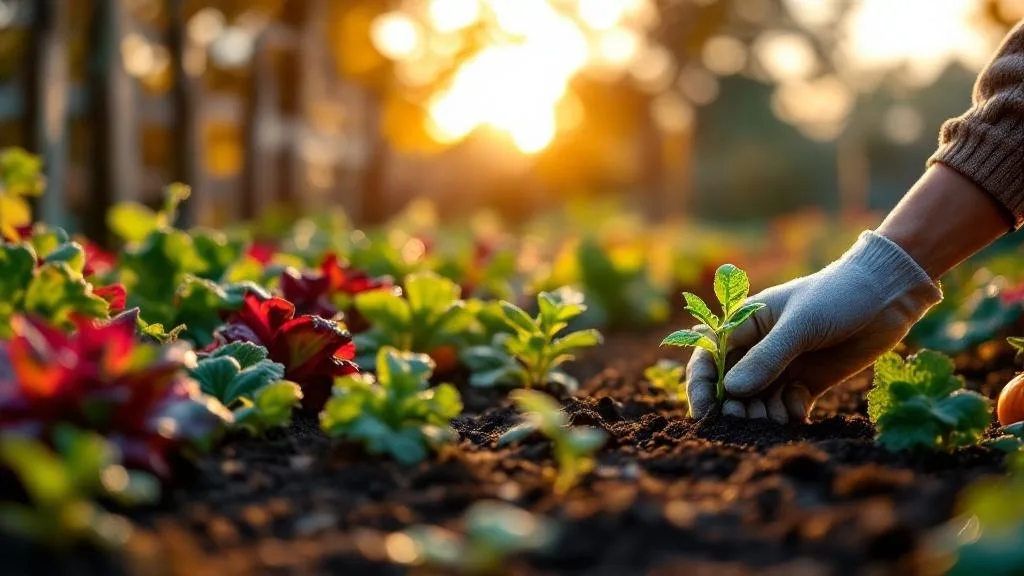
Plan your fall garden now, and you’ll be picking fresh greens and roots long after summer ends. The real secret lies in perfecting your planting dates and using simple season extenders. You can transform your autumn harvest by mastering a few key steps, from soil prep to succession sowing. Let’s map out your timeline and techniques to ensure every seed you plant reaches its full, delicious potential.
Key Takeaways
- Choose cold-hardy vegetables like kale and carrots that thrive in cooler fall temperatures.
- Plant spring-blooming bulbs and hardy annual flowers now for early color and pollinators.
- Time plantings using your local first frost date to ensure crops mature successfully.
- Prepare soil with compost and ensure good drainage for healthy, productive fall crops.
- Use cold frames and row covers to protect plants and extend the harvest season.
Choose Your Cold-Hardy Fall Vegetables
Because autumn’s chill signals the end of summer crops, it’s essential to select vegetables that thrive in cooler temperatures. You’ll want to focus on frost-tolerant varieties like kale, spinach, and Swiss chard, which actually sweeten as temperatures drop.
Root crops are fantastic choices too; plant carrots, beets, and turnips for harvests that store well. Don’t forget quick-growing lettuces and hardy brassicas like broccoli and Brussels sprouts—you’ll need to get these seedlings started soon.
Check the “days to maturity” on seed packets to ensure you’ve got enough growing time before a hard freeze. Direct sow seeds or transplant young plants into well-amended soil.
Your success hinges on picking the right vegetables now for a bountiful, crisp-season harvest.
Select Flowers for Autumn and Spring Color
While you’re planning your cold-hardy vegetables, don’t overlook the power of flowers to boost your garden’s beauty and health.
Fall planting establishes strong roots, leading to vibrant blooms in the cooler autumn days and a spectacular early spring show. These flowers also attract vital pollinators to your late-season veggies. Focus on resilient, cold-tolerant varieties for a seamless transition between seasons.
- Plant Pansies & Violas: These cheerful faces shrug off frosts and can bloom straight through winter in mild areas, offering immediate autumn color.
- Tuck in Spring-Blooming Bulbs: Get daffodils, tulips, and crocus in the ground now. They need the cold period to set their magnificent spring display.
- Sow Hardy Annual Seeds: Directly sow larkspur, bachelor’s buttons, and poppies; they’ll germinate, overwinter, and burst into bloom weeks before spring-planted ones.
Find Your Fall Planting Dates
The secret to a thriving fall garden lies in planting at the right time, and that date is unique to where you live. You’ll need to calculate backwards from your average first frost date. For hardy vegetables like kale and spinach, count back 6-8 weeks before that frost; they’ll sweeten with light freezes. For semi-hardy crops such as lettuce and radishes, aim for 4-6 weeks prior. Your local cooperative extension office is the best resource for precise dates. This timing ensures seedlings establish robust roots in the warm soil before cooler weather slows top growth, giving you a prolonged and abundant harvest.
| Plant Type | Example Crops | Count Back From First Frost |
|---|---|---|
| Hardy | Kale, Spinach, Collards | 6-8 weeks |
| Semi-Hardy | Lettuce, Radishes, Carrots | 4-6 weeks |
| Quick-Growing | Arugula, Turnip Greens | 8-10 weeks (for succession) |
Prepare Your Garden Soil for Fall Planting
Having determined the optimal dates for sowing your seeds, focus now shifts to the foundation of every successful garden—the soil itself. You can’t just plant into tired summer earth; you must rejuvenate it.
Start by clearing spent plants and weeds to remove pests and disease. Then, get your hands dirty and assess your soil’s texture and health.
- Test and Amend: A simple soil test reveals pH and nutrient levels. For most fall crops, you’ll likely need to mix in generous amounts of compost or well-rotted manure to replenish organic matter and fertility.
- Loosen Up: Gently till or turn the soil with a fork to aerate it without destroying its structure. This improves drainage and allows young roots to spread easily.
- Level and Moisturize: Rake the bed smooth, breaking up large clods. Finally, give the prepared soil a thorough, deep watering a day or two before planting to ensure it’s uniformly moist and ready for your seeds or transplants.
How to Plant: Direct Seeding or Transplanting
Now grab your seeds or transplants, because you’ve got a choice to make: directly sow seeds into your garden beds or give plants a head start by setting out young transplants.
For direct seeding, follow the seed packet instructions for depth and spacing, sow your seeds, and gently water them in. This method works perfectly for fast-germinating fall crops like radishes, spinach, and arugula.
For transplanting, you’ll set out seedlings you’ve grown indoors or purchased. Dig a hole slightly larger than the root ball, place the transplant so its soil line matches the garden’s, backfill, and water thoroughly. This is ideal for slower-growing brassicas like kale and broccoli, getting them established before cooler weather arrives.
Protect Your Fall Garden From Frost
As autumn temperatures drop, you’ll need to watch for frost, which can quickly damage your maturing crops. When a frost warning is issued, you can take simple, effective steps to shield your plants overnight.
Timing is crucial; cover plants before sunset to trap the ground’s residual warmth. Your best defense involves these three key tactics:
- Use lightweight coverings like old bedsheets, burlap, or frost cloths, ensuring they drape directly over the plants and extend to the soil to contain heat.
- Secure individual plants with inverted buckets, cardboard boxes, or specially designed cloches for a snug, insulated microclimate.
- Remove all coverings promptly the next morning once temperatures rise, allowing plants to benefit from the full sun and preventing overheating or mold.
With these methods, you’ll extend your harvest significantly.
Water and Fertilize for Cool Weather Growth
Although fall brings cooler temperatures, your garden still needs proper watering and fertilization to thrive. You’ll water less frequently but more deeply to encourage strong root systems. Always check soil moisture before watering. For feeding, choose a balanced, slow-release fertilizer to provide steady nutrients. You’re supporting leafy greens and root crops that are actively growing in the cool soil. This careful attention fuels their development and boosts your harvest’s quality and quantity.
| Your Careful Action | The Garden’s Joyful Response |
|---|---|
| Deep, weekly watering | Robust roots that laugh at early frosts |
| Feeding with slow-release fertilizer | Leaves that shimmer with vibrant, healthy green |
| Consistent autumn nurture | A triumphant bounty that fills your basket and heart |
Manage Pests and Diseases in Autumn
Cooler autumn weather often invites a final wave of pests and diseases hoping to feast on your maturing crops. Your diligence now protects your harvest!
Stay vigilant by inspecting plants frequently, focusing on leaf undersides. You can manage most issues with simple, proactive tactics.
- Handpick Larger Pests: Don your gloves for a morning patrol. Pluck cabbage worms, hornworms, and bean beetles directly off plants and drop them into soapy water. It’s remarkably effective!
- Blast Aphids Away: Use a strong jet of water from your hose to dislodge aphid colonies from kale, broccoli, and lettuces. Repeat every few days to interrupt their lifecycle.
- Remove Diseased Foliage: Prune and dispose of any leaves showing powdery mildew or fungal spots immediately. This prevents spores from spreading to healthy growth, so don’t compost them.
Use Succession Planting for a Continuous Harvest
Extending your garden’s productivity through the season is possible with succession planting. Instead of sowing all your seeds at once, you’ll plant small amounts every one to three weeks. This staggered approach ensures you don’t get a giant, overwhelming harvest followed by nothing.
For your fall garden, begin with quick-maturing crops like radishes and salad greens. As you harvest a row of those, immediately replant that space with the next crop, such as spinach or turnips. You’re essentially using your garden space as a conveyor belt of fresh produce.
Keep your soil fertile by adding compost between plantings to support this rapid turnover. It’s a fantastic, efficient way to maximize every square foot until frost arrives.
Extend the Season With a Cold Frame
If you’re determined to squeeze every last vegetable from your garden, building or buying a cold frame gives you a simple, protective shield against frost.
Position it over crops like spinach, kale, or lettuce in a sunny, south-facing spot to capture maximum warmth. You’ll essentially create a miniature greenhouse that traps solar heat, keeping the soil and air inside several degrees warmer all night.
This lets you harvest fresh greens weeks—or even months—after your unprotected garden has succumbed.
Just remember to prop open the lid on sunny days to prevent overheating and provide ventilation. It’s a fantastic way to get a jump on spring planting, too!
To get started, focus on these key points:
- Choose the right site: Ensure your frame gets full sun and has good drainage to avoid waterlogged soil.
- Monitor the temperature daily: Use a simple thermometer and ventilate when interior temps rise above 75°F.
- Select cold-tolerant crops: Hardy greens like mâche, arugula, and Claytonia thrive best under this protection.
Your Fall Gardening Calendar and Checklist
While a cold frame protects specific crops, organizing your tasks with a calendar ensures your entire fall garden thrives. Begin by marking your first expected frost date; this is your key deadline.
In late summer, sow quick-maturing greens, radishes, and beets. For early fall, transplant kale, broccoli, and cabbage seedlings, and keep sowing leafy greens every two weeks for a continual harvest. Apply mulch around your plants to conserve moisture and regulate soil temperature.
Mid-fall is for garlic planting and adding protective row covers over tender vegetables. Before hard frosts, harvest all remaining summer produce.
Finally, tidy beds, add compost, and document your successes and challenges for next year’s plan. Your diligence now yields fresh food for months.
Frequently Asked Questions
How Do I Deal With Excessive Autumn Leaves in My Garden?
Don’t just rake them away! You can shred them with your mower, then use them as excellent mulch to protect perennials or add them to your compost pile. This recycles nutrients back into your garden soil.
Can I Grow Fruit Trees or Berries in the Fall?
You can plant bare-root trees and some berry bushes. You’ll want to get them in early so roots establish before frost. Check your zone for cold-hardy varieties; strawberries and blueberries often do well.
What if My Summer Plants Are Still Producing?
Keep harvesting those summer plants! You can often interplant cool-season crops around them. As summer plants fade, simply replace them with your fall selections, ensuring you don’t disturb any still-productive roots.
Are Fall Garden Tasks Different for Raised Beds?
Yes, you’ll handle raised beds differently for fall. Focus on refreshing their well-draining soil mix and exploiting their warmer temperature to extend your planting window for cool-weather crops like kale and carrots.
How Do I Store Harvested Fall Vegetables for Winter?
Store hardy root crops in damp sand in a cool cellar. You’ll keep onions and garlic in a dry, dark place with good air flow. Check stored veggies weekly for spoilage to save your harvest!
Conclusion
Now you’ve got the plan for a bountiful fall garden! Remember, it’s all about timing, soil prep, and protection. Keep sowing those seeds in succession, shield your crops with covers, and stay vigilant against pests. Your diligent care will reward you with crisp greens and sweet roots long after summer ends. Enjoy every harvest—you’ve earned this extended season of plenty.
The Only Tools You Need for a Thriving Garden 🌱
Whether you're a weekend gardener or growing daily — these hand-picked tools make every session faster, easier, and more satisfying.