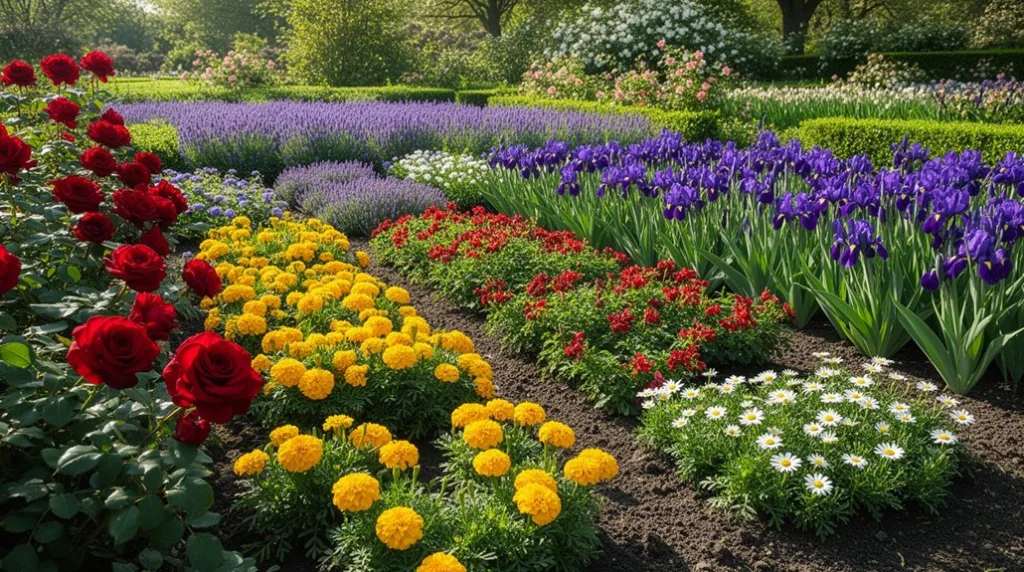
You’ll discover how a tight, complementary palette can turn a simple plot into a vibrant display, with tall perennials framing the scene and low‑growers filling the gaps. By grouping plants in odd numbers you’ll create rhythm, while succession planting keeps color flowing from spring to fall. Mulch, slow‑release fertilizer, and textured grasses add texture and moisture retention. Ready to see which 20 arrangements make the most of these tricks?
Key Takeaways
- Choose a base hue and 2‑3 accent shades, limiting the palette to five colors for cohesive, vibrant contrast.
- Use analogous or complementary color pairs from the color wheel to create bold color‑blocking sections that guide the eye.
- Plan succession planting with staggered bloom times and spacing of 12–18 inches to maintain continuous color throughout the season.
- Layer tall perennials at the back, medium‑height annuals in the middle, and low‑growing groundcovers in front for depth and texture.
- Incorporate drought‑tolerant, textured foliage and mulch in complementary shades to enhance color impact and reduce water use.
Pick a Cohesive Color Palette
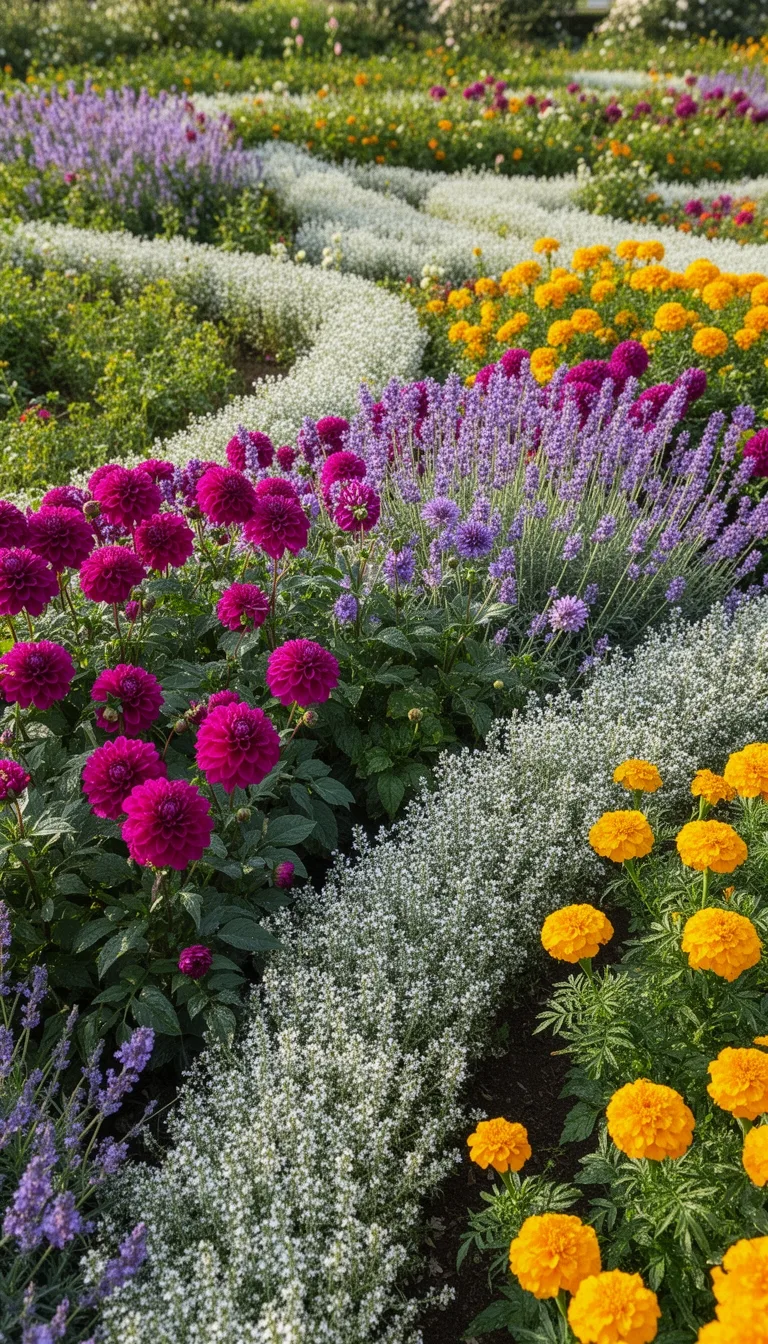
When you start planning a flower bed, choosing a cohesive color palette is the first step to creating visual harmony.
Begin by selecting a base hue—soft neutrals, cool blues, or warm yellows—then add two to three accent shades that complement it.
Use a color wheel to spot analogous or complementary pairs, ensuring contrast without clash.
Limit the palette to five colors max; too many hues overwhelm the eye.
Group plants by color families, placing taller, bolder shades at the back and softer tones up front.
Consider seasonal changes: pick perennials that bloom in different months but share the same palette, so the bed stays cohesive year‑round.
Test swatches in natural light before planting to confirm the desired effect.
Mix Tall Perennials for Dramatic Flower‑Bed Backdrops
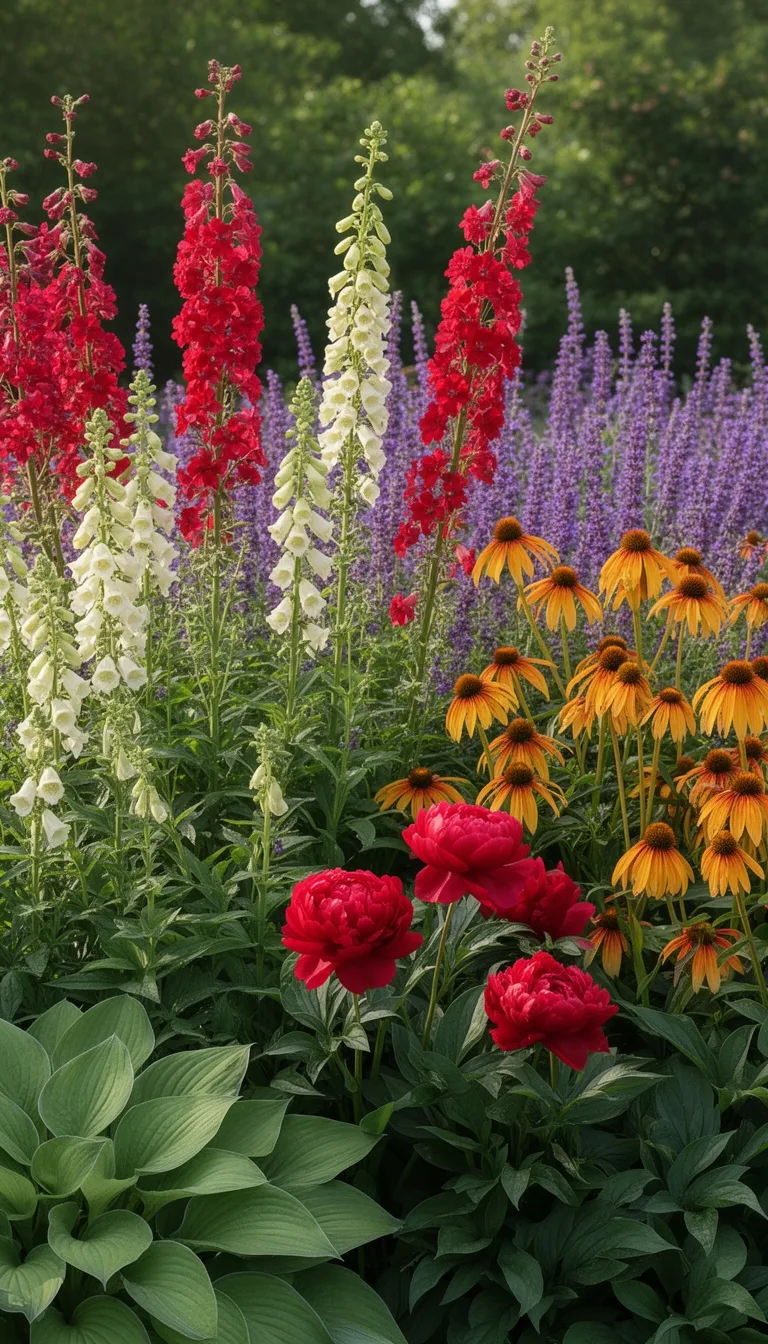
Stagger tall perennials like peonies, delphiniums, and foxgloves to create a dramatic backdrop that draws the eye and adds height.
Choose varieties with staggered bloom times so the backdrop stays interesting from early summer through fall.
Plant them in groups of three to five, spacing each plant 2–3 feet apart to allow airflow and prevent disease.
Use a well‑draining soil mix enriched with compost, then water thoroughly after planting.
Mulch with shredded bark to retain moisture and suppress weeds.
Fertilize lightly in spring with a balanced, slow‑release fertilizer, then again after the first flush of blooms.
Prune spent stems after flowering to encourage a second wave of growth and keep the height tidy.
This approach gives you a striking vertical layer that frames lower‑growing plants and adds depth to any garden bed.
Add Low‑Growing Groundcovers for Continuous Color
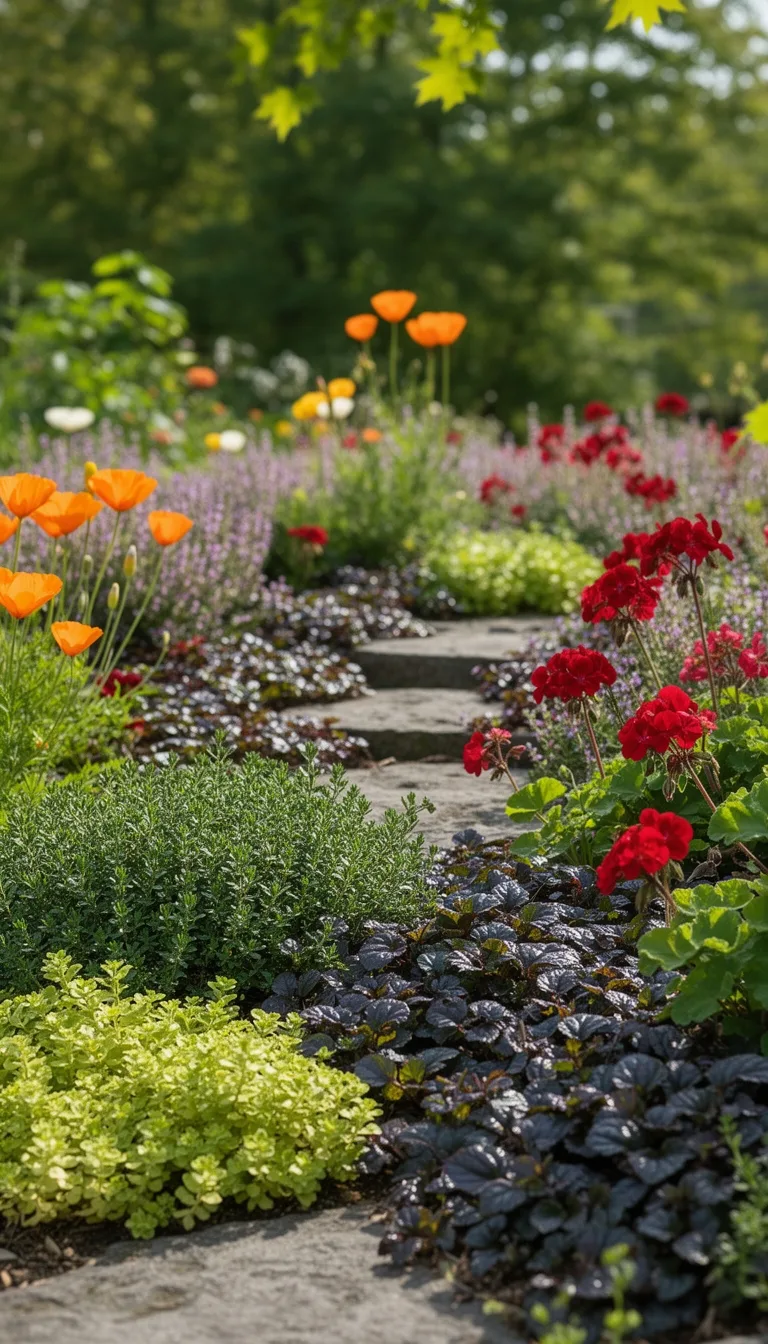
Often the best way to keep a flower bed lively is to layer low‑growing groundcovers that bloom continuously. Choose varieties like creeping thyme, dwarf ajuga, or ornamental sedum, which stay under 6 inches and spread quickly. Plant them in the gaps between taller perennials, spacing each plant 6–12 inches apart to allow room for runners.
Water lightly until roots establish, then cut back to occasional deep soak; most groundcovers are drought‑tolerant afterward. Trim back any dead foliage in early spring to encourage fresh growth, and dead back aggressively after the first flush to prevent shading of neighboring blooms. By maintaining a dense mat, you create a seamless carpet of color that fills the season, reduces weeds, and keeps the garden looking polished with minimal effort.
Use Cascading Vines to Soften Flower‑Bed Edges
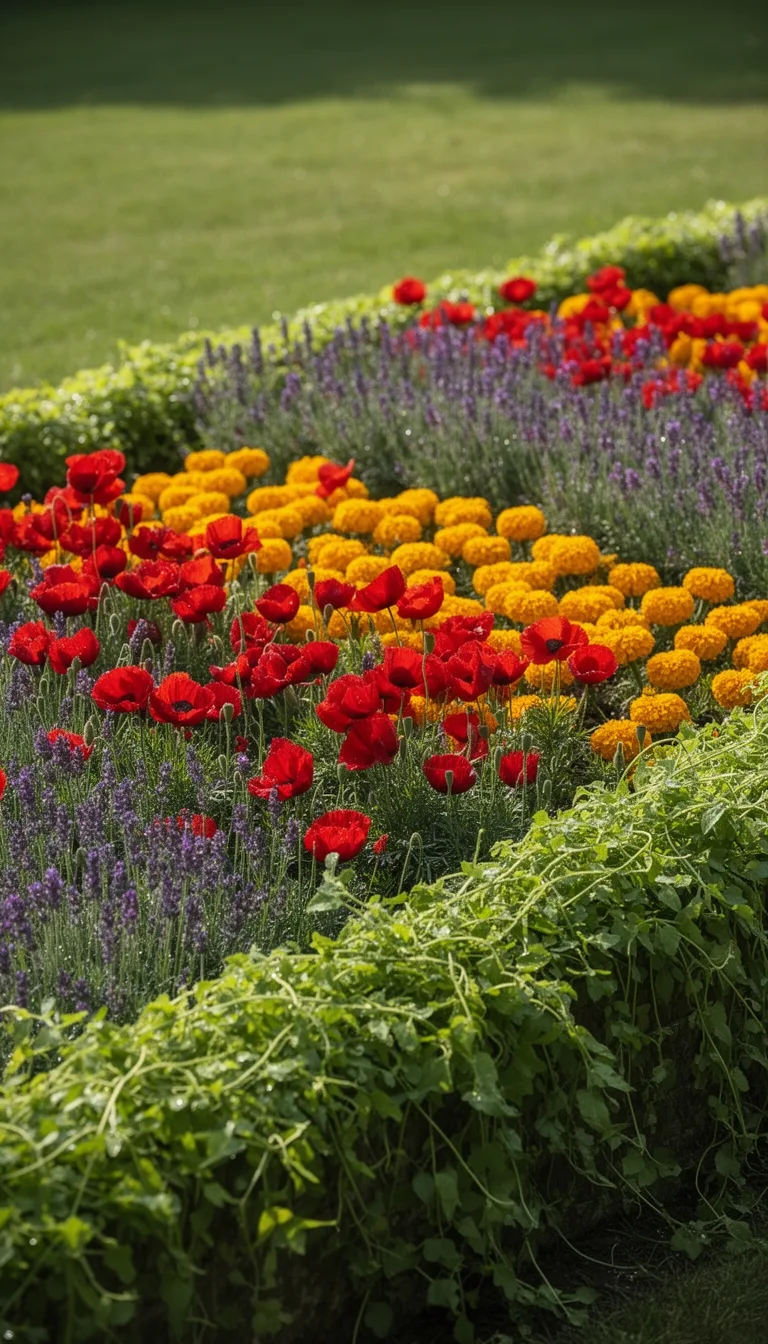
Low‑growing groundcovers give you a lush base, but the edges of a flower bed still need definition. Choose a trailing vine that drapes gently over the border—sweet peas, creeping thyme, or trumpet vine work well. Plant the vine about a foot from the edge, spacing runners two to three feet apart, and let them spread naturally.
Water consistently until roots establish, then prune back any wayward shoots to keep the line tidy. Use a light trellis or garden edging to guide growth and prevent vines from spilling into neighboring beds. Mulch around the base to retain moisture and suppress weeds.
Blend Annuals & Perennials for Easy Maintenance
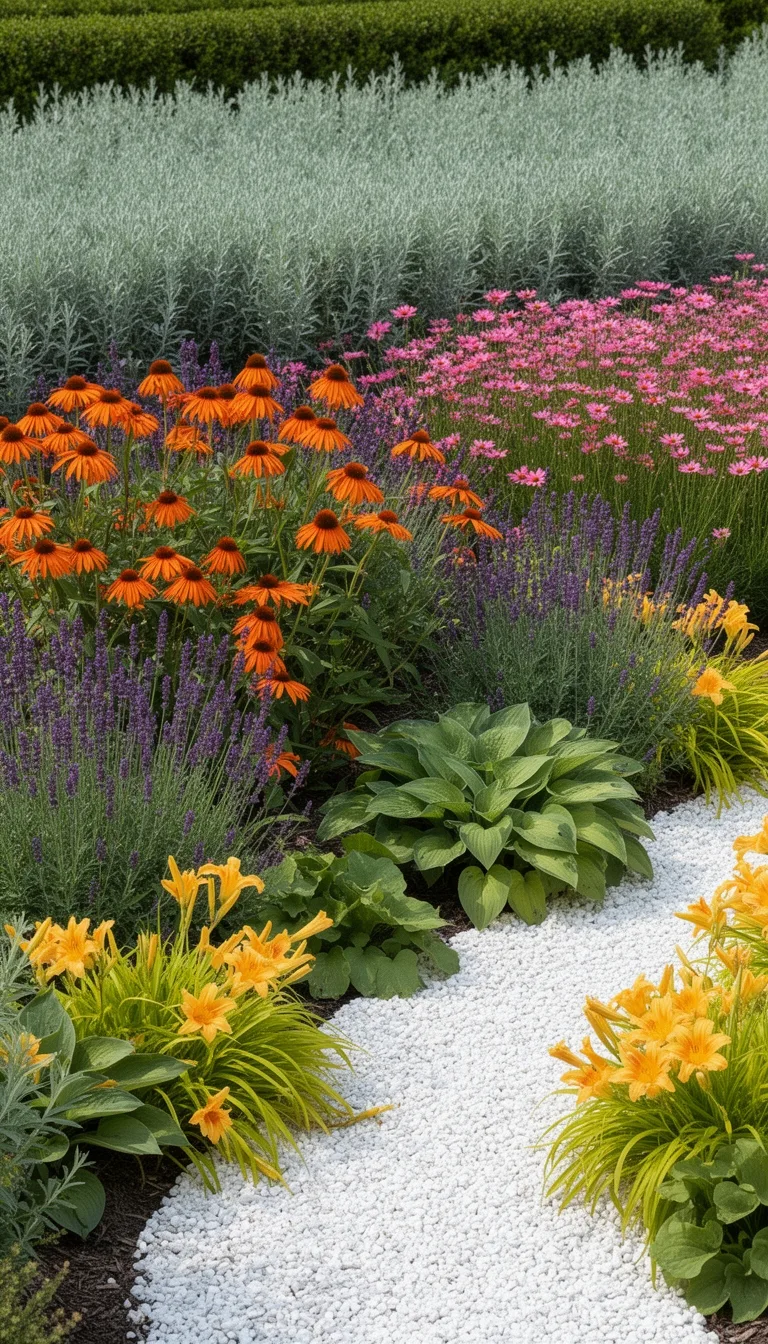
When you pair fast‑growing annuals with dependable perennials, you get a garden that stays vibrant year‑round while demanding minimal upkeep. Choose a mix that fills gaps seasonally: annuals bloom quickly, perennials return year after year, reducing replanting. Plant taller perennials at the back, then scatter annuals in front for color bursts. Water once a week, mulching to retain moisture and suppress weeds. Deadhead spent blooms to encourage repeat flowering and keep the bed tidy.
| Layer | Example Plants |
|---|---|
| Back | Coneflower (Echinacea), Black-eyed Susan (Rudbeckia) |
| Middle | Marigold (Tagetes), Salvia (Salvia) |
| Front | Petunia (Petunia), Zinnia (Zinnia) |
This strategy cuts labor, keeps soil healthy, and ensures continuous visual interest.
Add a Focal Point Plant for a Stunning Flower‑Bed Centerpiece
If you want your flower bed to command attention, place a striking focal‑point plant right in the center. Choose a species with bold color, unique texture, or dramatic height to draw the eye and anchor surrounding bordersennials Keep the plant’s mature size in mind, and give it ample sunlight and soil nutrients. Pair it with lower‑growing companions so the centerpiece stays dominant.
- Peony – large, fragrant blooms, 3‑4 ft tall.
- Coneflower – sturdy stems, vivid petals, 2‑3 ft.
- Orchid Lily – tropical foliage, 2‑3 ft, eye‑catching foliage.
- Japanese Maple – architectural form, seasonal color, 4‑5 ft.
Maintain consistent watering, prune after flowering, and mulch to retain moisture. This approach creates a clear visual anchor while allowing the rest of the bed to complement the focal plant.
Incorporate Textured Foliage for Depth and Interest
Adding textured foliage to your flower bed instantly creates depth and visual intrigue, because the varied leaf shapes, colors, and surfaces catch light differently throughout the day.
Choose plants with contrasting leaf structures—silky ferns, glossy hostas, and feathery ornamental grasses—to build layers. Position taller, coarse‑textured species at the back, medium‑sized, crinkly leaves in the middle, and low, fine‑leafed groundcovers up front.
Mix evergreen foliage with seasonal color changes for year‑round interest. Group plants in odd numbers to keep the arrangement dynamic, and leave spaces for light to weave through the textures.
Regularly prune dead or overgrown stems to maintain shape and prevent crowding, ensuring each texture remains visible and contributes to a rich, multidimensional gardenscape.
Pick Drought‑Tolerant Flowers to Save Water
Choose drought‑tolerant flowers to slash water use while keeping your bed vibrant. You’ll still enjoy color, texture, and pollinator appeal without constant irrigation. Pick species that thrive on minimal moisture, and pair them with well‑draining soil and mulching to lock in what.
Here’s a quick guide to four reliable options:
- Lavender – silvery foliage, fragrant spikes, loves full sun.
- Coneflower (Echinacea) – bold daisies, attracts butterflies, tolerates heat.
- Sedum (Stonecrop) – succulent leaves, spreads low, perfect for borders.
- Gaillardia (Blanket Flower) – bright reds/oranges, blooms all season, drought‑hardy.
Plant these in groups for visual impact, and water deeply only during the first few weeks. Once established, they’ll need far less moisture, letting you conserve water and maintain a lively garden.
Plant Seasonal Repeats to Keep Blooms Fresh Year‑Round
When you layer plants that bloom at different times, your flower bed stays colorful all year, so you’ll never face a dull stretch between seasons. Choose a mix of early‑spring, mid‑summer, and fall‑flowering species, then add a few late‑season perennials that rebloom. This staggered schedule ensures continuous color and reduces gaps when one group finishes and another starts. Pair fast‑growing annuals with slower‑maturing perennials for instant impact and long‑term stability. Keep a quick reference of bloom periods handy so you can adjust planting dates and replace spent stems before they fade.
| Season | Example Plants |
|---|---|
| Spring | Tulips, Daffodils |
| Early Summer | Coreopsis, Salvia |
| Mid Summer | Daylilies, Zinnias |
| Late Summer | Asters, Black-eyed Susans |
| Fall | Chrysanthemums, Sedum |
Maintain a Neat Bed: Prune, Dead‑head, and Refresh Mulch
Prune regularly, dead‑head spent blooms, and refresh the mulch to keep your flower bed tidy and thriving.
Regular maintenance prevents disease, encourages new growth, and maintains a clean look.
Follow these steps each season:
- Trim back overgrown stems – cut just above a leaf node to promote bushier growth.
- Dead‑head faded flowers – snip spent blooms to redirect energy into fresh buds.
- Remove weeds and debris – pull weeds by the root and clear fallen leaves to reduce competition.
- Refresh mulch – rake old mulch aside, add a 2‑inch layer of fresh organic material, and water in.
Create a Color Wave With Gradual Hue Shifts
Starting with a base color and gradually blending neighboring hues lets you build a seamless color wave that guides the eye across the bed. Pick a dominant shade—say, a soft lavender—and line it up in a row.
Next, plant a slightly lighter violet, then a pale blue, and continue with teal, turquoise, and finally a gentle green. Keep each transition within one hue step to avoid harsh jumps.
Use plants with similar foliage texture so the color change remains the focal point. Space the varieties evenly, about 12–18 inches apart, to maintain a smooth gradient.
Water consistently and dead‑head regularly to preserve the wave’s shape throughout the season. This method creates a dynamic, flowing display that feels both natural and intentional.
Use Color Blocking for Bold Visual Impact
After the gentle hue gradient, you can amp up the drama by grouping solid blocks of contrasting colors.
Pick three to five bold shades and plant them in distinct, rectangular sections. This creates a striking, graphic look that guides the eye across the bed.
Keep each block uniform—use one flower species or a mix that shares the same hue—to maintain visual purity.
Space the blocks evenly, allowing pathways for movement and maintenance. The result is a garden that feels modern, organized, and instantly eye‑catching.
- Red block: roses, geraniums, and nasturtiums
- Blue block: delphiniums, hydrangeas, and lobelia
- Yellow block: marigolds, coreopsis, and daylilies
- Purple block: lavender, salvia, and irises
Pair Flowers With Ornamental Grasses for Movement
Mixing ornamental grasses with flowering beds adds dynamic movement and texture, letting the swaying stems guide the eye while the blooms provide color focal points. Choose grasses with varying heights and leaf colors to frame your flowers. Plant tall, feathery grasses behind short, bold blossoms for depth; intersperse mid‑height varieties among medium‑sized petals to keep the scene lively. Match seasonal growth cycles so the grasses are at peak texture when flowers peak. This pairing also improves airflow and reduces water loss, keeping the bed healthier.
| Grass Type | Height | Ideal Flower Pair | |
|---|---|---|---|
| Feather Reed | 4‑5 ft | Delphiniums | |
| Blue Fescue | 6‑8 in | Lavender | |
| Japanese Forest | 18‑24 in | Coneflower | |
| Fountain Grass | 2‑3 ft | Black-eyed Susan | |
| Switchgrass | 3‑4 ft | Coreopsis | Use these combos to create a garden that moves with the wind and dazzles with color. |
Add Edging Plants for Clean, Defined Borders
Ornamental grasses already give your bed a lively backdrop, and edging plants will frame that movement with crisp, defined borders. Choose low‑maintenance varieties that stay compact and contrast in texture or color.
Plant them in a continuous line to guide the eye and prevent weeds from spilling in. Keep spacing tight enough for a solid edge but allow room for growth; trim as they mature to retain neatness.
- Hostas – bold foliage, shade‑tolerant, cut back in early spring.
- Lavender – fragrant, drought‑resistant, prune after bloom.
- Sedum ‘Dragon’s Blood’ – succulent, red stems, minimal watering.
- Boxwood – evergreen, shapeable, maintain with light shears.
These choices give you a clean, defined border that enhances the garden’s overall rhythm without extra fuss.
Elevate Your Flower‑Bed Design With Raised Bed Layouts
When you lift your planting area with a raised bed, you instantly improve soil drainage, control,, and make maintenance easier. Choose a frame that matches your garden style—wood, metal, or stone—and fill it with a loamy mix enriched with compost. Position the bed at waist height for comfortable weeding and harvesting, and keep pathways wide enough for a wheelbarrow. Use modular sections to create tiers or staggered levels, allowing varied plant heights and a dynamic visual flow.
| Benefit | How to Achieve |
|---|---|
| Better drainage | Fill with coarse sand and organic matter |
| Soil temperature control | Add mulch on top |
| Weed reduction | Use landscape fabric under the mix |
| Accessibility | Build at 30‑36 inches tall |
| Aesthetic variety | Mix materials and colors |
Shape Flower Beds With Curves to Lead the Eye
If you let a gentle curve guide the layout of your flower bed, the eye naturally follows the line, creating a sense of movement and depth.
Curved beds break the rigidity of straight rows, making your garden feel more organic and inviting. Start by sketching a soft “S” or semicircle on paper, then transfer the shape to the soil with a hose or string. Plant taller species toward the outer arc and lower, spreading varieties along the inner edge to emphasize the sweep. Keep spacing consistent so the curve reads clearly from any viewpoint.
- Sketch the curve with a garden hose.
- Mark the outline using a string or garden line.
- Plant tall back‑border flowers along the outer edge.
- Fill the inner curve with low‑growth, spreading plants.
Add Fragrant Blooms to Engage All Senses
A well‑chosen mix of fragrant flowers turns your garden into a sensory retreat, inviting you to linger and enjoy the scent as you move through the space.
Pick lavender, roses, and sweet peas for continuous perfume; plant them in clusters to amplify aroma.
Pair early‑blooming hyacinths with late‑season jasmine so fragrance lasts all season.
Space taller stems behind lower foliage to let wind carry scent toward walkways.
Use scented herbs—mint, rosemary, thyme—between ornamental beds for subtle, edible notes.
Water plants in the morning to preserve volatile oils, and prune regularly to prevent woody growth that mutes scent.
Choose containers with drainage holes to avoid root rot, which can diminish fragrance.
Select Mulch Shades That Complement Flowers
Choosing the right mulch shade can instantly boost your flower bed’s visual appeal while protecting the soil. Dark mulches, like walnut or black pine, make bright blooms pop and retain moisture. Light mulches, such as straw or pine bark, soften pastel petals and keep the area cool. Neutral tones, like brown hardwood, blend with most color schemes and hide weeds. Test a small patch before committing to ensure the hue complements your specific flowers.
- Dark mulches for vivid contrast
- Light mulches for pastel harmony
- Neutral mulches for versatile blending
- Test patches to verify visual synergy
Plan Succession Planting to Keep Blooms Continuous
After picking the right mulch shade, you’ll want to keep the garden looking fresh all season. Plan succession planting by grouping flowers with overlapping bloom periods. Choose early‑season varieties (like pansies), mid‑season (such as coneflowers), and late‑season (like asters) and arrange them in rows or clusters.
Stagger planting dates by two‑week intervals so each wave replaces the previous one’s fading colors. Use a garden calendar to track sowing and transplant dates, and label each bed with its schedule. Incorporate fast‑growing annuals to fill gaps when perennials finish.
Keep soil consistently moist and fertilize lightly to support continuous growth. Regularly deadhead spent blooms to encourage rebloom and maintain a tidy appearance throughout the growing season.
Blend Complementary Hues for Eye‑Catching Pairings
When you pair colors that sit opposite each other on the color wheel—like violet with yellow or teal with coral—you instantly create a vibrant contrast that draws the eye across the flower bed.
Choose plants whose bloom times overlap so the contrast stays visible all season.
Keep the palette tight: limit to two complementary pairs and a neutral backdrop to avoid visual chaos.
Plant taller, bold hues at the back and softer, lighter tones up front for depth.
Use the list below to visualize a simple scheme:
- Violet + Yellow – lavender and coreopsis
- Teal + Coral – hydrangea and nasturtium
- Red + Green – dwarf roses and hostas
- Purple + Orange – salvia and marigold
Maintain spacing for airflow, and enjoy a dynamic, eye‑catching garden.
Conclusion
By sticking to a tight hue palette, layering tall perennials behind low‑growing groundcovers, and grouping plants in odd numbers, you’ll create rhythmic, vibrant beds that bloom all season. Succession planting, textured foliage, and cascading vines keep color and movement flowing, while mulch and slow‑release fertilizer sustain moisture and rebloom. Space for airflow, add focal specimens, and enjoy a low‑maintenance, eye‑catching garden that engages every sense.
The Only Tools You Need for a Thriving Garden 🌱
Whether you're a weekend gardener or growing daily — these hand-picked tools make every session faster, easier, and more satisfying.