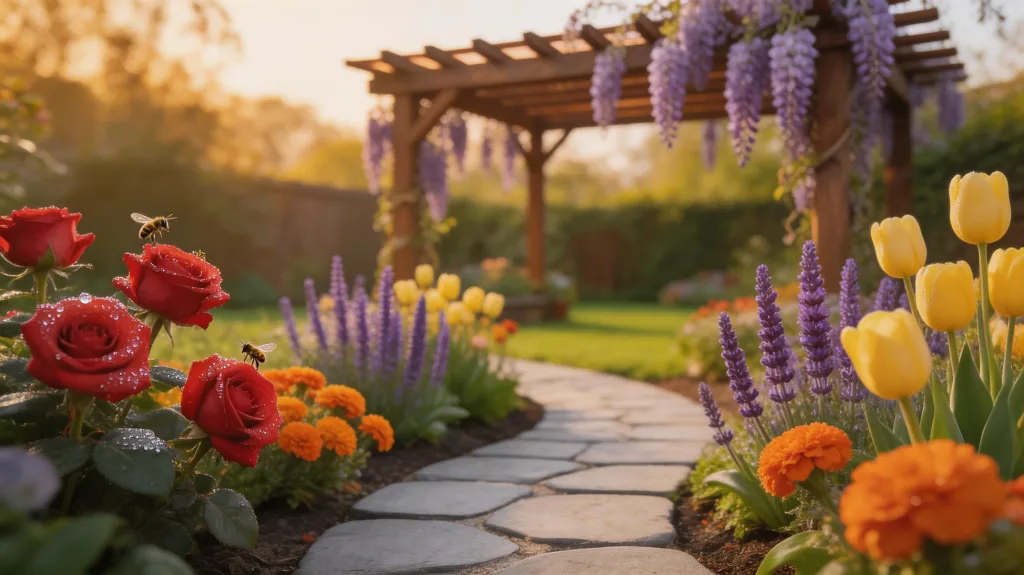
Dreaming of a vibrant backyard starts with your color palette. You could choose serene blues and silvers for calm or energizing reds and yellows for excitement. But before you buy a single plant, you must assess your garden’s sun and soil. A truly cohesive design weaves together foliage, bloom succession, and key focal points. The secret is in the layering.
Key Takeaways
- Start by defining a cohesive color palette that matches your desired garden mood and sun conditions.
- Plan for continuous color across seasons by staggering the bloom times of bulbs, perennials, and annuals.
- Create depth and structure by layering plants from tall focal points at the back to low growers at the front.
- Add visual interest with contrasting foliage textures and striking leaf colors alongside your flowers.
- Incorporate containers and pathways to define space and allow for flexible, colorful arrangements in any size yard.
Start With Your Garden’s Color Palette
Once you’ve chosen the ideal location for your garden, you can dive into the exciting process of selecting a color palette, which sets the tone and mood for your entire space. Think about the feeling you want to create. Do you crave a serene, cool retreat with blues, purples, and silvers? Or perhaps a vibrant, energizing spectacle of hot reds, oranges, and yellows?
You might opt for a harmonious monochromatic scheme using different shades of one color for a sophisticated look. Remember, foliage provides essential green structure, so consider it your neutral canvas. Grab paint chips or use a color wheel to visualize combinations before you buy a single plant. This planning ensures your garden feels cohesive, not chaotic.
Assess Your Sun and Soil Conditions
Your color palette depends heavily on the practical realities of your garden’s sunlight and soil. You’ll need to watch how the sun moves across your space. Is it full sun (6+ hours), part sun, or mostly shade? Then, get your hands dirty—literally. Feel your soil. Is it dense clay, quick-draining sand, or rich loam? This assessment isn’t a limitation; it’s your guide to choosing plants that will truly thrive, ensuring vibrant color from season to season.
| Sun Condition | Soil Type | Ideal Color Palette Example |
|---|---|---|
| Full Sun | Well-Drained | Vibrant purples (salvia), bold oranges (marigolds) |
| Part Shade | Moist, Rich | Cool blues (hostas), soft pinks (astilbe) |
| Full Shade | Humus-Rich | Bright whites (impatiens), glowing yellows (ligularia) |
Knowing these conditions lets you match plants to their perfect home, guaranteeing a lush, colorful display with less effort.
Plan Around Key Focal Points
Because a garden without focus can feel chaotic, you’ll want to plan around a few key features that draw the eye and structure the space. Think of these as your garden’s anchor points, the visual exclamation marks that make the design feel intentional. Start by positioning these elements, then let your planting beds flow from them.
- Place a stunning specimen plant, like a flowering tree or a dramatic clump of ornamental grasses, where you need a major anchor.
- Install a piece of garden art, a beautiful bench, or a simple birdbath to create a welcoming point of interest.
- Use a structural element, such as an arbor, a pergola, or a classic urn, to give the garden vertical dimension and a clear sense of place.
Layer Plants by Height for Visual Depth
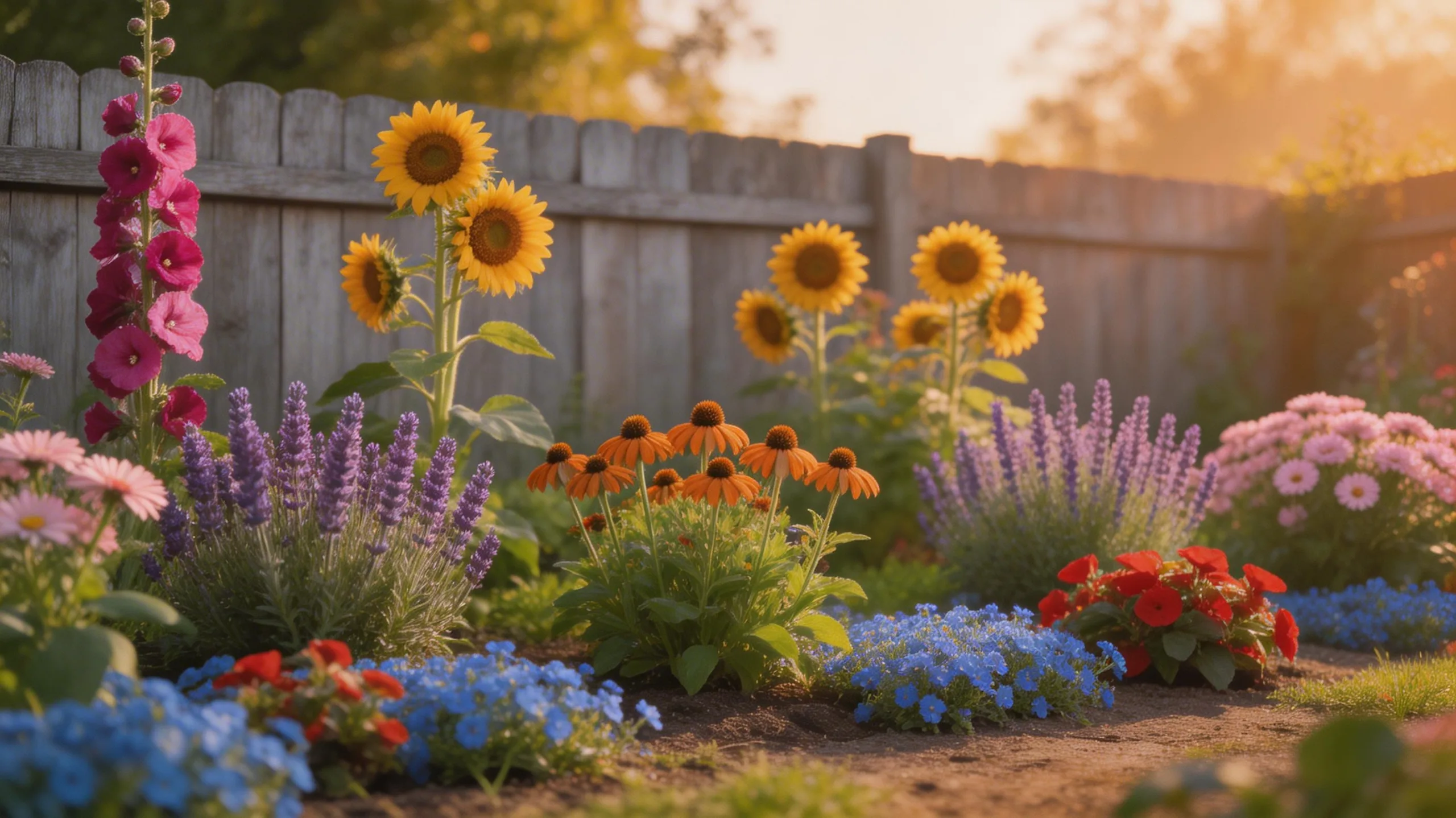
While planning around those key focal points, you can create a beautifully immersive garden by deliberately layering plants from the ground up. Think of your beds as living tapestries where shorter plants form a lush foreground, medium-height varieties create a vibrant mid-layer, and tall specimens provide a dramatic backdrop. This tiered approach not only adds visual depth but also ensures every plant gets its moment in the sun. Start by placing your tallest bloomers, like delphiniums or hollyhocks, at the rear. Then fill the middle ground with bushy plants like peonies or salvia. Finally, edge the front with delightful low-growers such as sweet alyssum or creeping thyme.
| Backdrop (Tall) | Mid-Ground (Medium) | Foreground (Low) |
|---|---|---|
| Majestic Sunflowers | Vibrant Zinnias | Fragrant Lavender |
| Elegant Foxgloves | Cheery Black-eyed Susans | Soft Creeping Phlox |
| Statuesque Lilies | Bold Dahlias | Colorful Pansies |
| Airy Ornamental Grasses | Textured Sage | Velvety Moss |
Build Borders With Annuals and Perennials
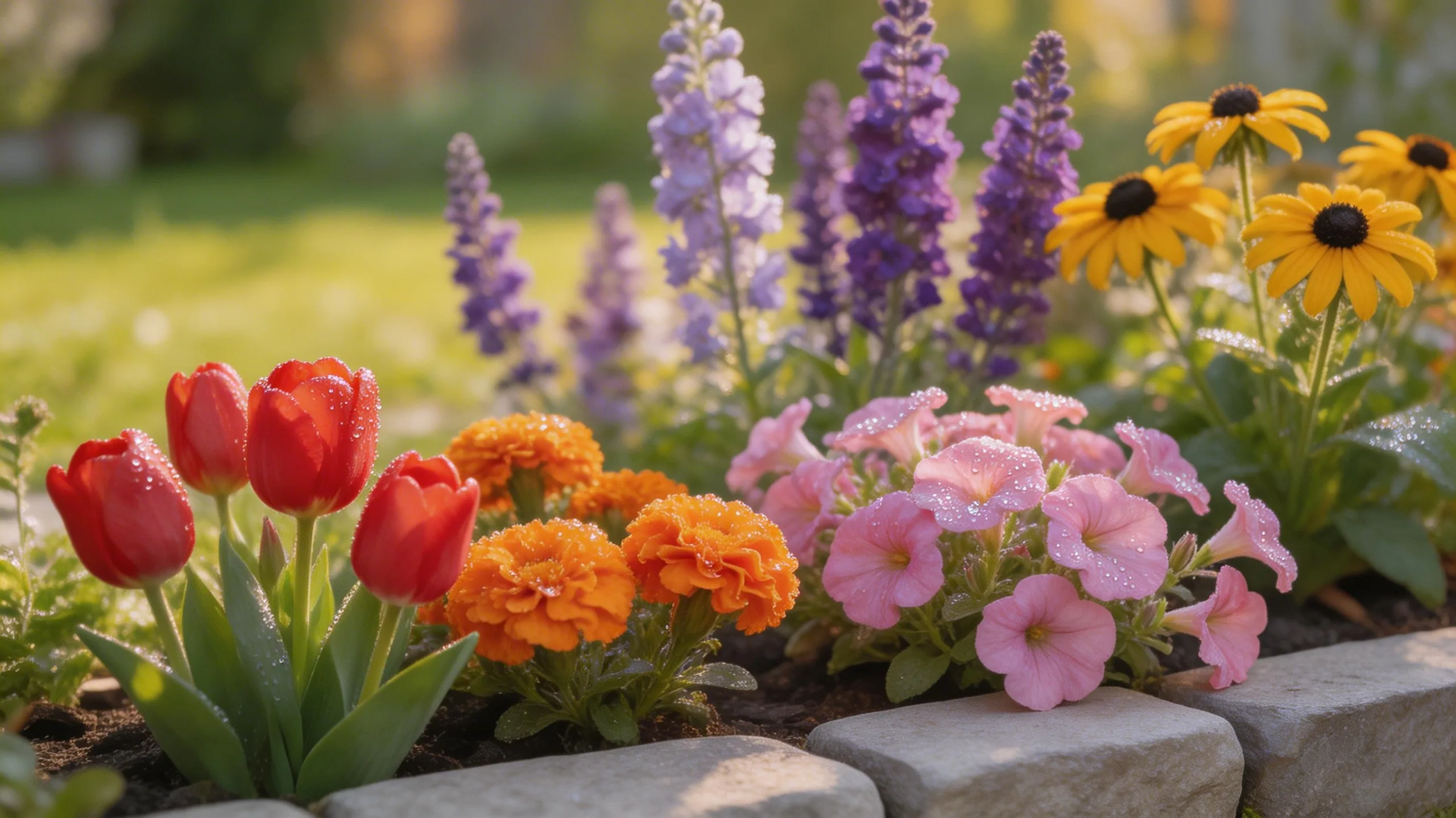
To craft a vibrant garden edge that thrives year after year, you’ll want to strategically blend both annuals and perennials within your borders. This fusion marries the perpetual structure of perennials with the season-long fireworks of annuals, creating dynamic, ever-changing ribbons of color.
- Establish a Perennial Backbone – Plant long-lived perennials like hardy geraniums or salvias for reliable shape and recurring blooms. They form the foundation your border returns to each spring.
- Infuse with Annual Energy – Tuck vibrant annuals like zinnias or petunias into any gaps. They’ll fill the space quickly and provide continuous color while slower perennials establish.
- Practice Successional Planting – As some plants fade, you can plug in new annuals for fresh interest, ensuring your border never has a dull moment.
Choose a Serene Color Scheme
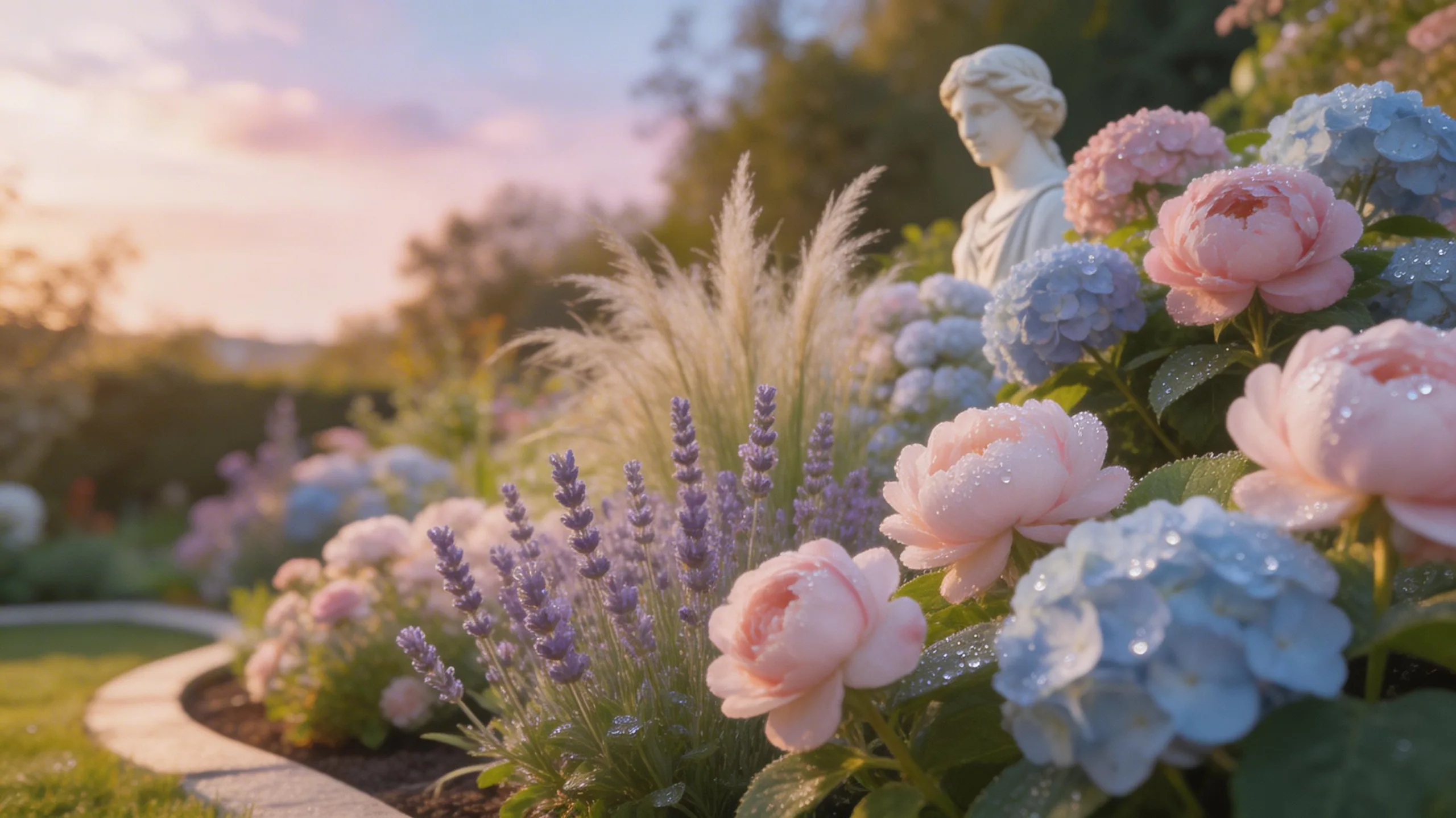
Now that you’ve built your borders, the colors you choose can transform your garden’s mood and atmosphere. For a truly serene space, embrace a cohesive palette of soft, harmonious hues. Think of the gentle gradient of a dawn sky: silvery blues, misty lavenders, pale pinks, and creamy whites. These colors recede visually, creating a sense of calm and making a small space feel larger. You’ll achieve this by selecting plants like catmint, Russian sage, white phlox, and blush-colored roses.
Interplant them with generous amounts of green foliage from ferns or hostas, which acts as a soothing neutral canvas. This restrained scheme feels intentional and peaceful, offering a perfect retreat for quiet relaxation away from a hectic world.
Design a Bold Cottage Garden
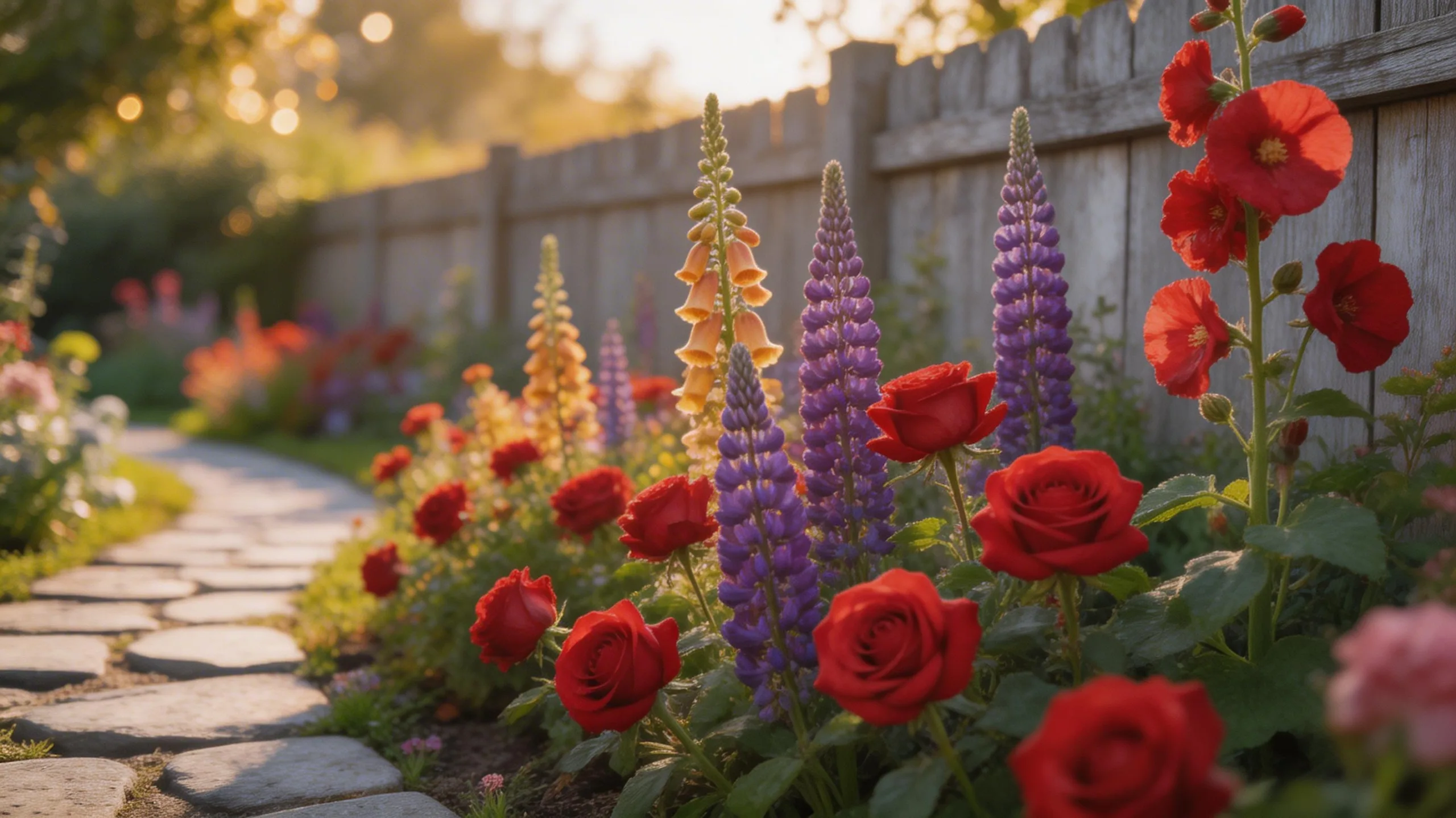
Release your garden from restraint and embrace the joyful chaos of a bold cottage garden. This isn’t about rigid order but a painterly explosion of color and texture where plants mingle freely. Your goal is to create a layered, carefree tapestry that feels both abundant and intimate.
- Layer Heights for Drama: Plant tall spires of foxgloves or delphiniums at the back, mid-height clouds of phlox and campanula in the middle, and billowing drifts of catmint and hardy geraniums up front. Let them spill over paths.
- Mix Forms and Textures: Combine feathery cosmos with round peony blooms, spiky lupines with fluffy astilbe, and broad hosta leaves with delicate gaura. This contrast creates visual energy.
- Embrace Saturation: Forget pastels. Go deep with vibrant purples, hot pinks, sunny yellows, and rich crimsons. Clusters of annuals like zinnias and nasturtiums will keep the color blazing from summer through fall.
Create a Pollinator-Friendly Habitat
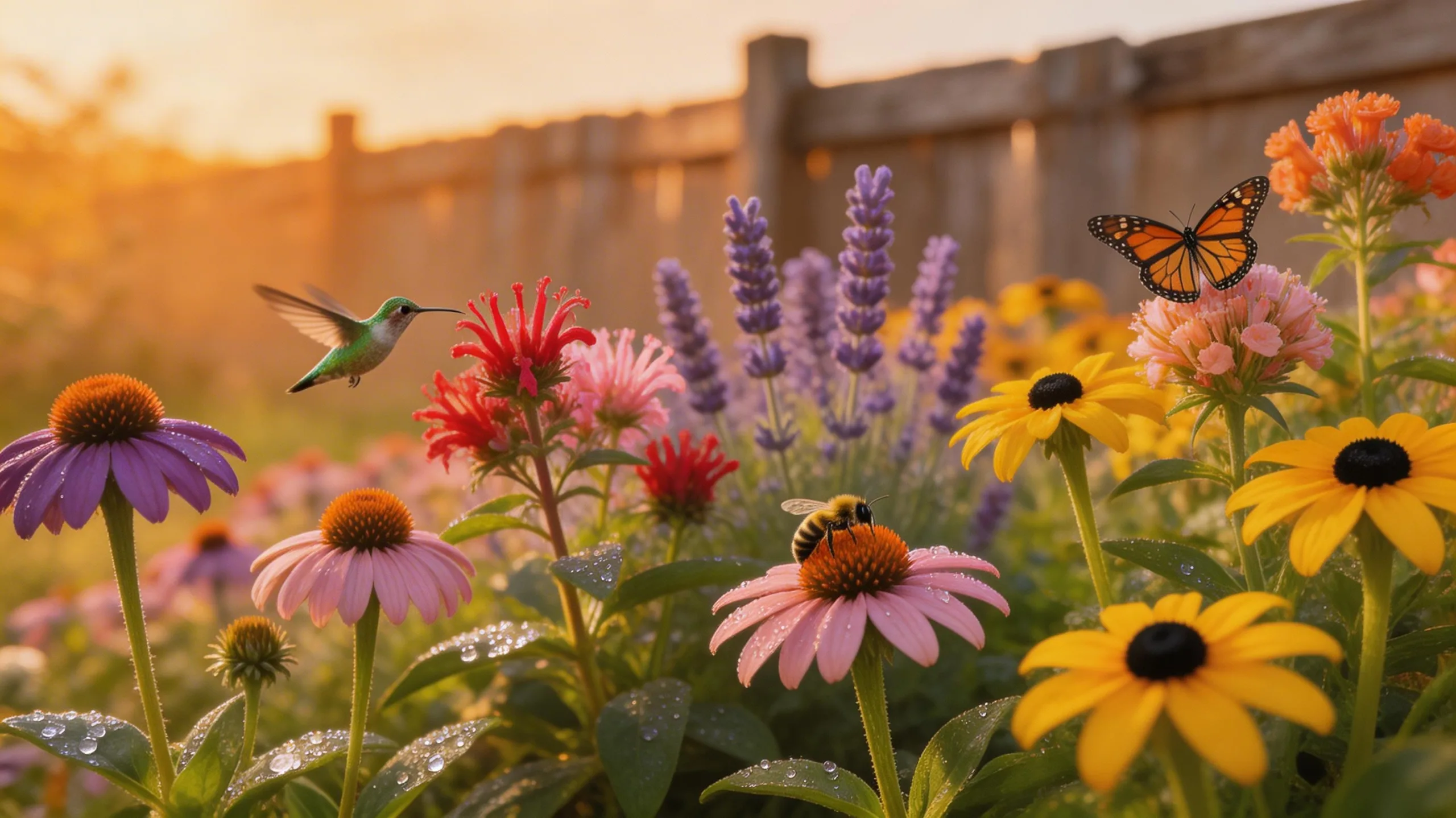
While your bold cottage garden celebrates visual abundance, it can also become a vital source of life by inviting bees, butterflies, and hummingbirds to visit.
You’ll sustain these essential pollinators by planting generous drifts of single-petaled, nectar-rich flowers. They need easy landing pads, which dense double blooms often lack.
Prioritize native species like coneflowers, bee balm, and milkweed, as local insects co-evolved with them.
You must ensure a continuous buffet from spring through fall, so stagger your plantings.
Always skip pesticides; even organic ones can harm.
A shallow dish with water and stones offers a crucial drinking spot.
You’re not just growing flowers—you’re cultivating an ecosystem where every bloom supports life beyond itself.
Plant a Cutting Garden for Bouquets
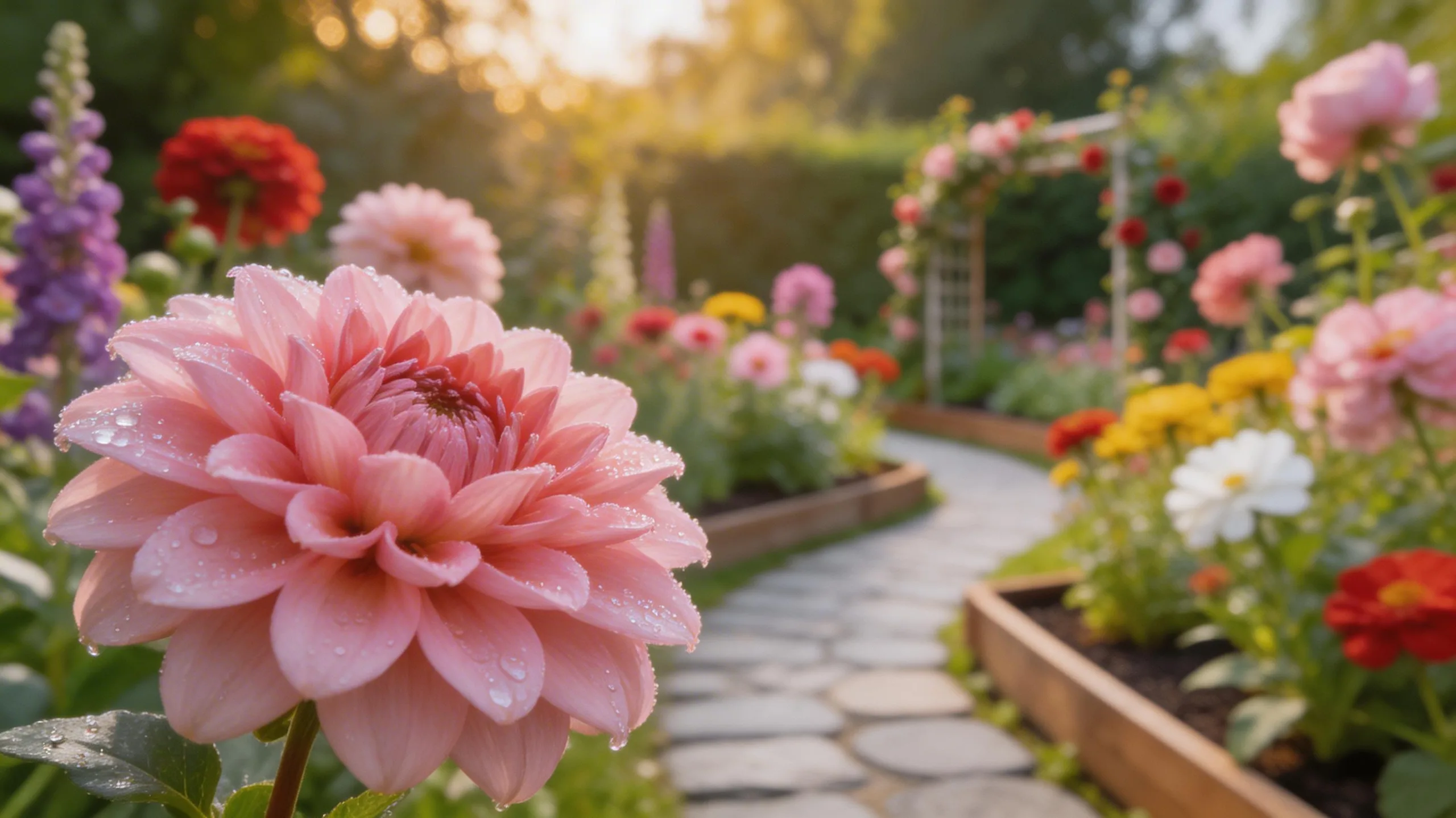
Planting a cutting garden lets you bring your favorite blooms indoors, turning your outdoor space into a personal source for stunning, fresh bouquets. You’ll design not just for outdoor beauty but for vase-ready perfection, choosing flowers known for their long stems, vibrant colors, and excellent staying power once cut.
Prioritize varieties like zinnias, cosmos, and dahlias that produce prolifically. Plant in dedicated rows or blocks for easy harvesting, ensuring you have ample material for arranging without sacrificing your garden’s display.
Focus on these three essentials for a flourishing cutting patch:
- Select flowers with strong stems and a long vase life, like snapdragons and sunflowers.
- Plant densely in rich, well-drained soil to maximize your yield of cut flowers.
- Harvest blooms in the morning or evening when they’re most hydrated for optimal freshness.
Extend the Bloom Season Successively
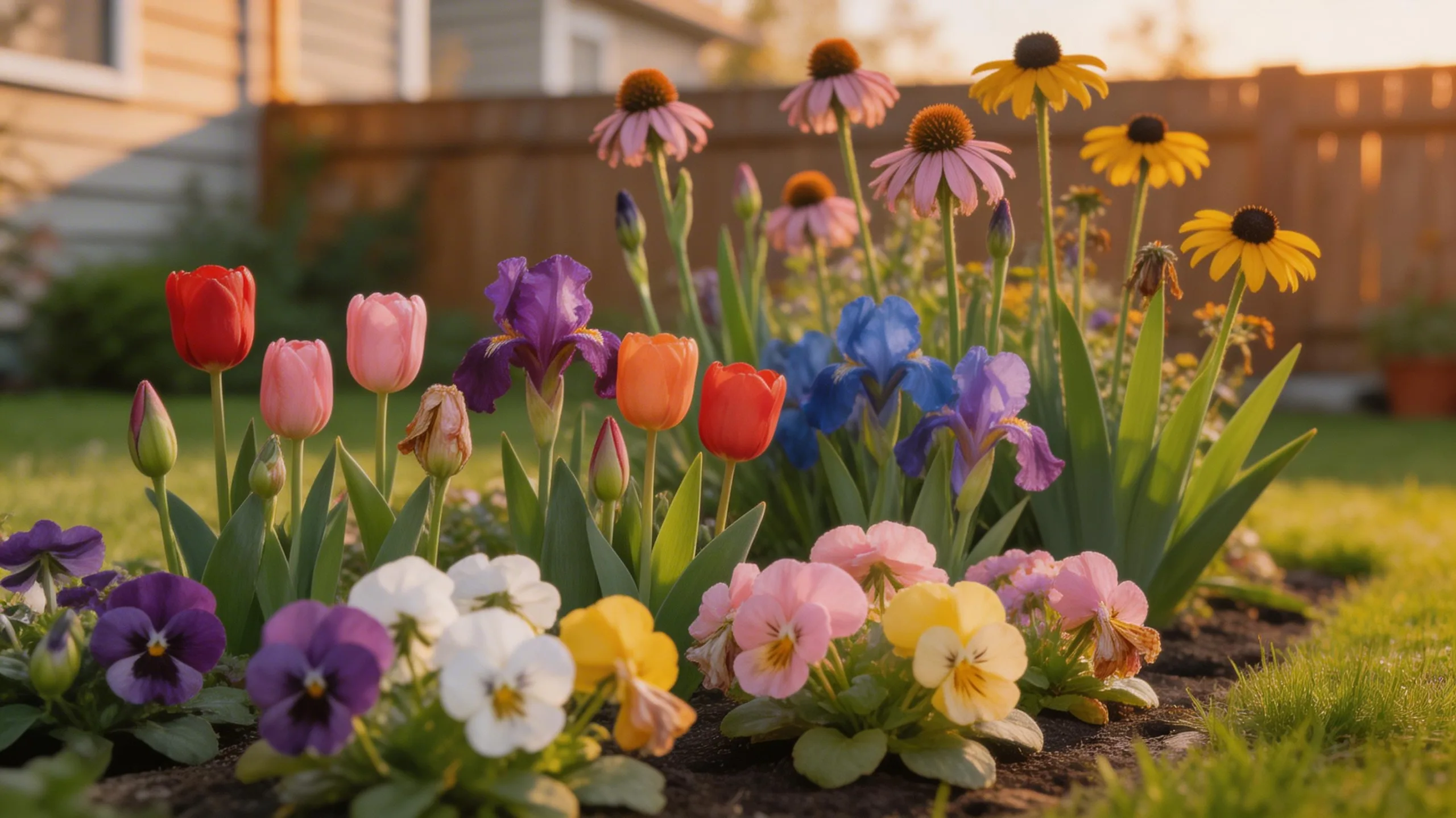
You’ve already arranged your garden for bouquets, and now you can plan for longer-lasting color. Successional planting is your strategy for a nonstop floral show. You’ll orchestrate your garden by mixing plants with staggered bloom times. Integrate early-spring bulbs, mid-summer perennials, and fall-blooming annuals in the same bed. By carefully selecting varieties, you’ll ensure that as one plant’s display fades, another begins its peak. This deliberate layering of bloom periods turns your garden into a dynamic, evolving masterpiece that captivates from the first thaw to the last frost.
| Early Season (Spring) | Mid Season (Summer) | Late Season (Fall) |
|---|---|---|
| Tulips | Coneflowers | Asters |
| Bleeding Heart | Daylilies | Sedum |
| Peonies | Black-eyed Susans | Ornamental Grasses |
| Columbine | Phlox | Chrysanthemums |
| Dianthus | Yarrow | Goldenrod |
Add Color and Texture With Foliage
Elevating your garden’s visual appeal extends far beyond blooms alone. You’ll build captivating, year-round interest by thoughtfully weaving in plants celebrated for their spectacular foliage. These leaves provide essential structure and a lush backdrop, making your flowers pop even brighter. Embrace foliage’s power to add depth and drama through varied colors, shapes, and surfaces.
- Play with Color Palettes: Don’t settle for just green. Integrate plants like bronze heuchera, silver artemisia, or deep purple loropetalum to paint your beds with enduring hues.
- Introduce Textural Contrast: Pair the broad, bold leaves of hostas with the fine, feathery fronds of ferns or the spiky elegance of ornamental grasses.
- Utilize Variegation Wisely: Strategically place plants with cream-splashed or golden-edged leaves, like variegated dogwood, to lighten shady corners and guide the eye.
Use Containers for Flexible Color
Spruce up any outdoor space instantly by adding vibrant containers overflowing with seasonal blooms. They’re your secret weapon for movable, adaptable color.
Start by selecting pots in various sizes, materials, and heights to create visual interest. Group a trio for dramatic impact or dot singles along a stairway.
You’re not limited to flowers; mix in ornamental grasses, trailing vines, and foliage plants for lush texture.
The real magic lies in seasonal swaps. Refresh tired summer arrangements with cool-weather champions like pansies and ornamental kale. You’ll love how quickly you can change your garden’s mood.
Integrate Pathways for Visual Flow
The heart of your garden journey lies in its pathways, guiding both movement and the eye with intentional grace. You’re not just connecting points; you’re choreographing an experience. A winding gravel path invites leisurely exploration, while a straight flagstone walk offers a crisp, formal line.
Think of these routes as frames for your floral artistry, drawing attention to your most vibrant beds and hidden treasures.
- Choose materials that complement your style. Crushed granite feels rustic and soft, while reclaimed brick adds historic charm and warmth.
- Design curves to create mystery. A gentle bend slows pace, building anticipation for the view that unfolds just ahead.
- Edge your paths with low plantings. Let creeping thyme or dwarf lavender spill over slightly, softening hard lines and weaving the path into the garden tapestry.
Maintain Your Garden With Easy Care Tips
Routine care transforms your vibrant flower garden from a fleeting display into a sustainable sanctuary. You’ll nurture this beauty through consistent, simple acts.
Water deeply in the early morning, focusing on the roots to encourage drought tolerance and prevent leaf diseases.
Deadhead spent blooms weekly; you’re not just tidying up, you’re signaling plants to produce more flowers.
Apply a layer of organic mulch annually—it conserves moisture, suppresses weeds, and enriches your soil.
Stay vigilant for pests; pick off larger insects by hand and use a strong spray of water for aphids.
A monthly dose of balanced, water-soluble fertilizer keeps your blossoms prolific.
This rhythm of care ensures your garden thrives effortlessly.
Scale Designs for Small Spaces and Balconies
Even with limited square footage, you can create a lush, floriferous retreat on your balcony or patio by scaling down garden designs. Focus on vertical layers and container variety to maximize every inch. Your key is selecting the right plants and arrangements for a powerful impact.
- Embrace Verticality: Train climbers like clematis or morning glory on a slim trellis. Use wall-mounted planters or hanging baskets for trailing petunias and ivy, drawing the eye upward and freeing precious floor space.
- Choose Thrillers, Fillers, & Spillers: Employ this classic container recipe in every pot. A central spike (thriller), surrounded by bushy blooms (filler), and finished with cascading foliage (spiller) creates instant, professional fullness.
- Prioritize Prolific Bloomers: Opt for long-season, compact plants like dwarf dahlias, profuse petunias, or fragrant heliotrope. They deliver maximum color for their size, ensuring your petite garden feels abundantly alive all season long.
Frequently Asked Questions
How Can I Garden on a Steep Slope?
Create terraced beds to manage erosion. You’ll anchor them with rocks or timbers. Plant deep-rooted native perennials and groundcovers that’ll hold the soil. A drip irrigation system will save you water and effort.
Is It Possible to Design a Low-Pollen Allergy Garden?
Yes, you can! Choose plants with showy flowers but low pollen production. Focus on female cultivars and sterile hybrids. Avoid wind-pollinated species. You’ll create a stunning, vibrant garden that’s also allergy-friendly.
What Are Affordable Alternatives to Expensive Garden Edging?
Repurpose bricks, stones, or wine bottles you already have. Try cutting plastic bottles in half. You can also dig a simple, sharp-edged trench—it’s a free, clean line that defines your beds perfectly.
How Do I Protect My Garden Colors From Harsh Afternoon Sun?
You can shield vibrant flowers by planting taller sun-tolerant species behind them, or use temporary shade cloth during peak hours. Also, group your colors in morning sun areas and choose heat-resistant bloom varieties.
Can I Repurpose Household Items as Unique Planters?
Absolutely, you can! Start by transforming old teapots, boots, or colanders into whimsical containers. Just ensure you’ve drilled drainage holes; you’ll give your plants a healthy, charming home and reduce household waste.
Conclusion
So, roll up your sleeves and plant with passion! By thoughtfully layering colors and forms, you’ll craft a living masterpiece that evolves beautifully through the seasons. Your dedicated planning now means less work later, leaving you more time to simply enjoy the vibrant, pollinator-friendly paradise you’ve created right outside your door.
The Only Tools You Need for a Thriving Garden 🌱
Whether you're a weekend gardener or growing daily — these hand-picked tools make every session faster, easier, and more satisfying.