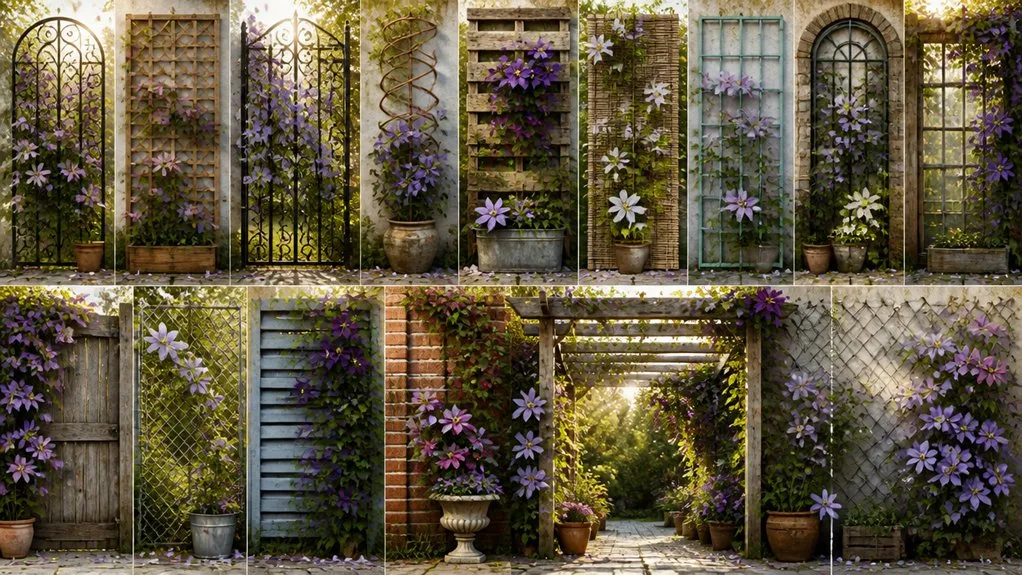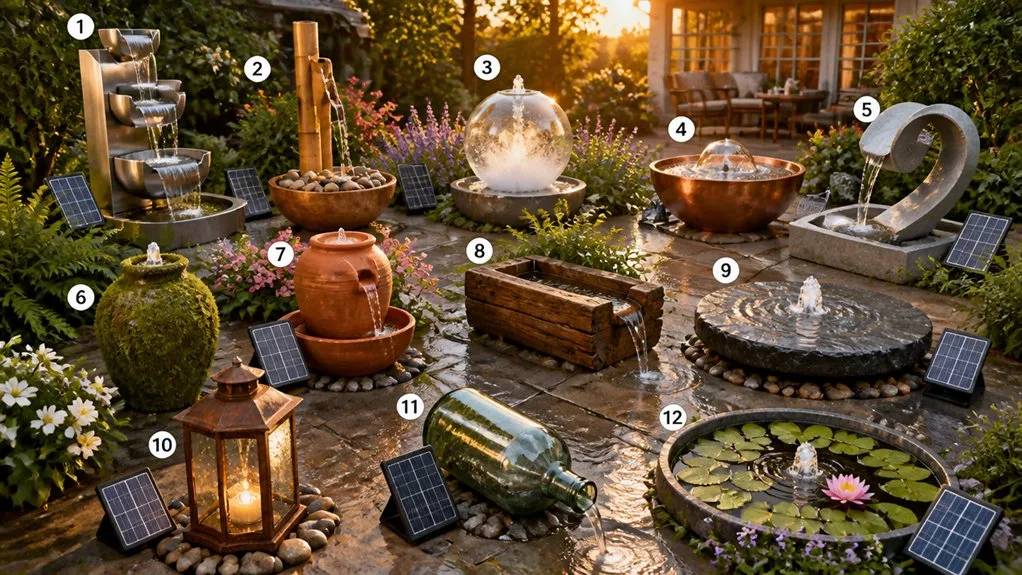
You’ve got the canvas—now imagine crafting a stunning front yard garden. It starts with understanding your unique sun and soil. You’ll choose a style, weave in year-round layers, and create inviting vignettes. But the secret to truly elevating your home’s first impression lies in balancing just a few key elements. Let’s explore how structure, color, and life transform a simple yard into your neighborhood’s standout curb appeal.
Key Takeaways
- Frame your entry with symmetrical plantings like matched shrubs or containers for a polished first impression.
- Build a year-round backbone with evergreen shrubs for consistent structure and winter interest.
- Select a cohesive color palette that complements your house color for unified curb appeal.
- Layer plants in tiers with tall anchors, mid-height perennials, and short edgers to create depth.
- Replace turf with low-maintenance, drought-tolerant native plants grouped by water needs (hydrozoning).
Start With Your Yard’s Sun and Soil
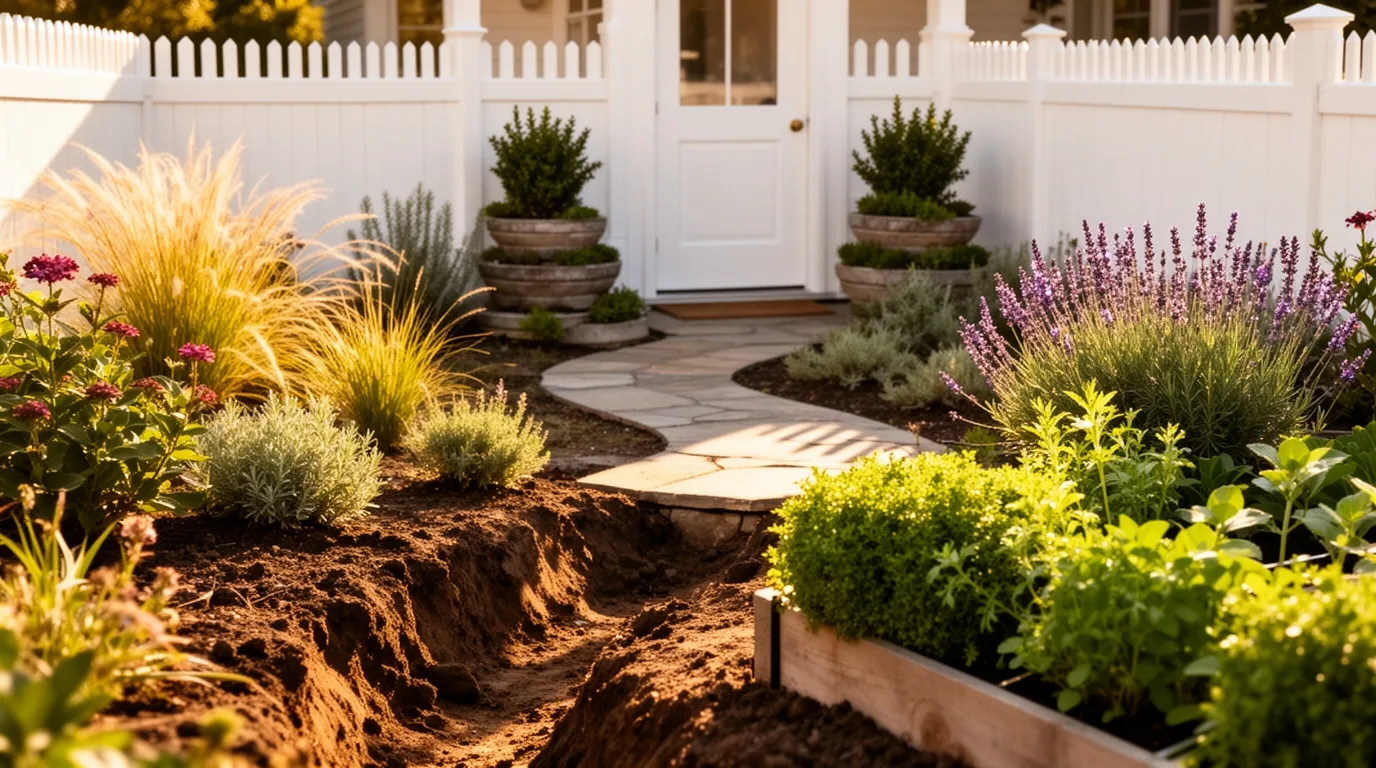
Before you pick up a trowel, take a good look at your yard’s sunlight and soil, because these are the two non-negotiable factors that will make or break your garden.
Observe where the sun hits throughout the day. Full-sun areas get six or more hours of direct light, while partial-sun spots get four to six. You’ll choose entirely different plants for each.
Next, get your hands dirty. Feel your soil—is it gritty sand, dense clay, or rich loam?
Do a simple drainage test: dig a hole, fill it with water, and see how fast it drains.
Understanding these basics saves you money and heartache. You’ll match plants to your yard’s reality, not a magazine photo’s fantasy.
Choose Your Front Yard Garden Style
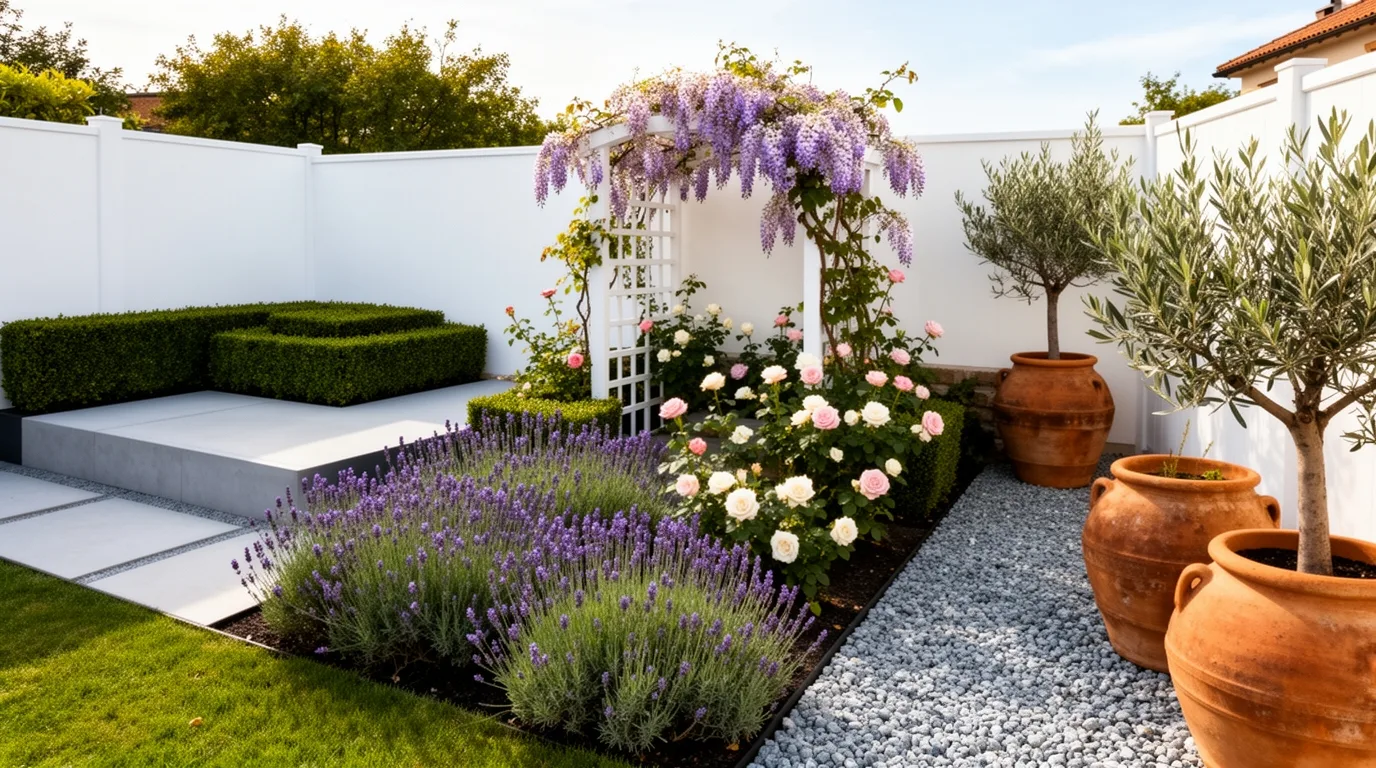
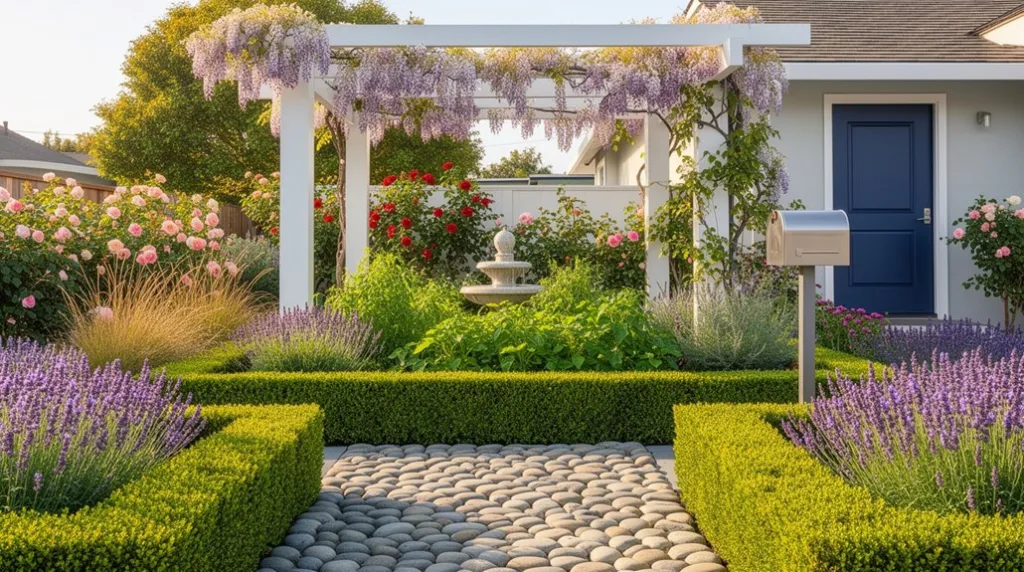
Now that you’ve gotten acquainted with your yard’s conditions, let’s pick a garden style that fits your home and your life. This choice is about marrying aesthetics with maintenance. For a classic look, consider formal symmetry with clipped hedges. Cottage gardens offer a charming, relaxed mix of colorful perennials. A minimalist, modern design uses clean lines, ornamental grasses, and structural plants. If you’re busy, a low-maintenance style with native plants and mulch is perfect. For ultimate water savings, embrace a xeriscape. Think about how much time you’ll actually spend gardening.
Key styles to explore are:
- Classic Formal: Symmetrical layouts with manicured hedges and structured beds.
- Charming Cottage: An informal, dense mix of flowering plants for continuous color.
- Modern Minimalist: Focus on architectural plants, sleek hardscaping, and restrained color palettes.
- Low-Maintenance: Relies on hardy native plants, ground covers, and strategic mulch to reduce upkeep.
- Water-Wise Xeriscape: Uses drought-tolerant plants, gravel, and rock features to conserve water.
Plan for Year-Round Curb Appeal
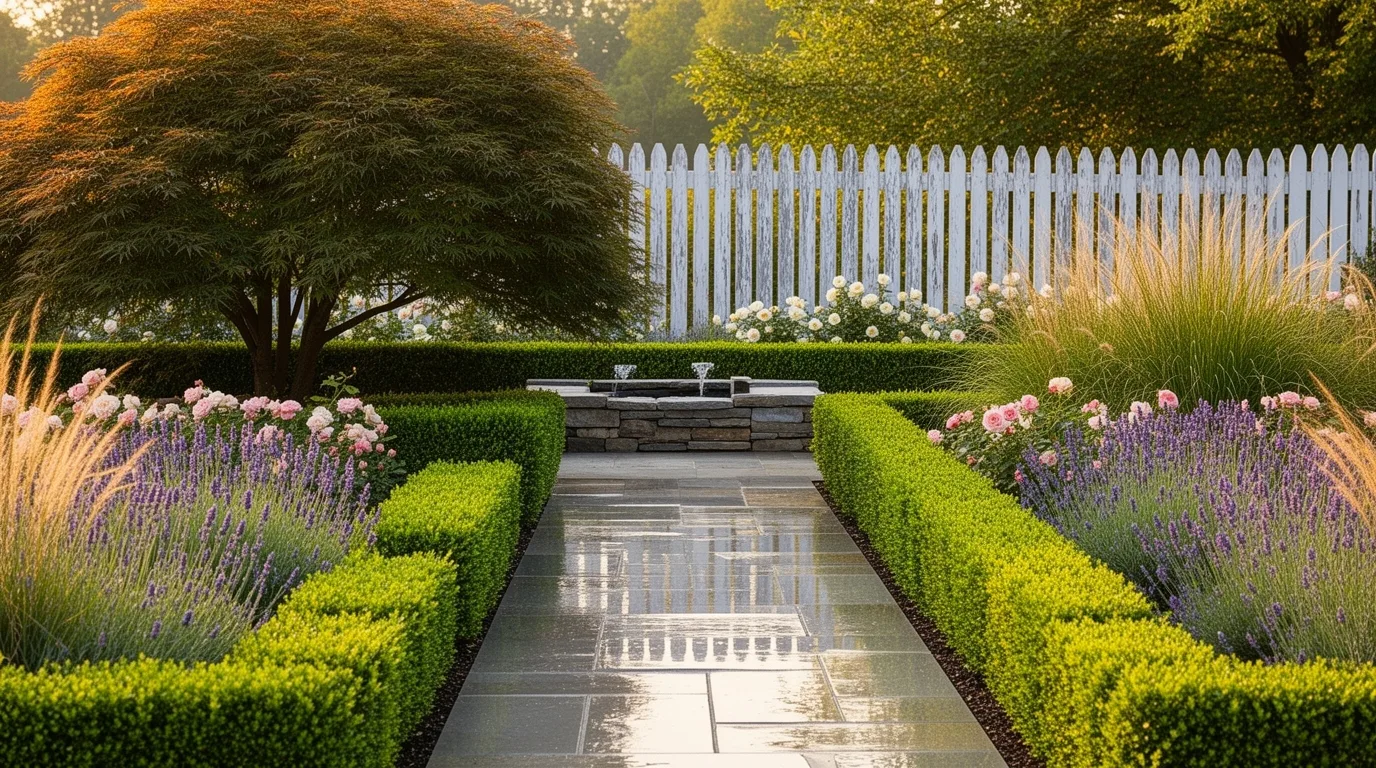
Once you’ve chosen your garden style, it’s time to think beyond a single season by selecting plants that shine in different months, ensuring your front yard looks inviting all year long.
Start with a backbone of evergreen shrubs or ornamental grasses for consistent structure. Then, layer in seasonal performers. Plant early bulbs like crocus, followed by peonies and alliums for late spring.
Incorporate long-blooming perennials such as coneflower and catmint for summer color. Don’t forget fall interest with asters, sedum, and trees boasting fiery foliage.
Finally, include plants with winter berries, interesting bark, or seed heads that stand tall in the snow. This strategic succession guarantees visual appeal every single month.
Select a Cohesive Color Palette
How can you ensure your year-round plantings look intentional rather than accidental? You’ll select a cohesive color palette. This isn’t about random blooms; it’s about creating visual harmony. Limit your primary colors to three, like blues, whites, and purples. Use foliage for evergreen structure, ensuring even winter has color. You’ll repeat these hues across different plants and seasons, weaving consistency into your design.
Consider these practical steps:
- Choose one dominant color, one secondary, and one accent.
- Include foliage colors (silvers, burgundies) in your palette count.
- Select plants with varied bloom times but similar colors.
- Use evergreen shrubs as your foundational color “anchors.”
- Let your house color influence your floral choices for unity.
Use Texture for Visual Depth
Two powerful techniques—texture and form—can transform a flat garden into a dynamic landscape with captivating depth. You create this effect by mixing plants with varied surfaces.
Pair the feathery plumes of ornamental grasses against the broad, glossy leaves of a hosta. Contrast the rough, architectural bark of a crape myrtle with the soft, velvety foliage of lamb’s ear. Place spiky succulents near mounding shrubs.
You’re not just planting; you’re building layers. Use larger, coarse-textured plants in the background and finer textures up front to enhance the illusion of space.
Replace Your Lawn With a Native Meadow
Moving beyond texture, consider replacing your lawn with a native meadow, a vibrant landscape that supports local ecology. It’ll cut your maintenance drastically while creating a dynamic, ever-changing display of grasses and flowering perennials.
You’ll start by removing sod and planting a region-specific seed mix. Expect a beautiful, low-care habitat that thrives on rainfall alone once established.
- Eliminates weekly mowing and fertilizing.
- Provides crucial food and shelter for pollinators.
- Builds drought resilience with deep-rooted plants.
- Offers seasonal interest from spring blooms to autumn seed heads.
- Reduces water consumption significantly compared to turf grass.
Embrace this shift; you’re not just gardening, you’re restoring a piece of the local ecosystem right in your front yard.
Build Simple Raised Beds for Better Soil
Construct your own raised garden beds to gain immediate control over your soil’s quality and drainage. You’ll fill them with a perfect blend of compost, topsoil, and other amendments right from the start.
Use rot-resistant wood like cedar or composite lumber for the frame, keeping it a simple rectangle. A depth of 12 to 18 inches is ideal for most plants.
Secure the corners firmly with screws, then line the bottom with landscape fabric to suppress weeds while allowing water to drain. Position the beds in a sunny spot, leaving enough space between them for easy access.
This elevated approach warms the soil faster in spring, prevents compaction, and creates a tidy, organized look for your front yard.
Frame Your Entry With Symmetrical Planting
To continue shaping the space around your home, place two identical container gardens or matched pairs of shrubs on either side of your front door.
This classic technique instantly creates a welcoming focal point and makes your entry feel more intentional.
You’re not just adding plants; you’re crafting a balanced, elegant frame that guides guests right to your door.
For container gardens, you’ll want durable pots and plants that thrive in your local climate.
- Choose evergreen shrubs like boxwood for year-round structure.
- Opt for dwarf varieties to keep the scale proportional to your doorway.
- Select pots that complement your home’s architectural style.
- Use identical potting soil and plants to ensure perfect symmetry.
- Maintain them equally so one side doesn’t outgrow the other.
Add a Statement Tree for Drama
Plant a single, bold tree as a living sculpture to elevate your front yard’s entire aesthetic. A statement tree immediately draws the eye and becomes your home’s natural focal point.
Choose a species with multi-season appeal for consistent drama, considering its mature size to avoid future headaches. A Japanese maple offers stunning color and graceful form, while a weeping cherry provides a spectacular spring show.
For structure in winter, try an ornamental tree with sculptural bark or persistent berries. Place your tree deliberately, perhaps slightly off-center for dynamic interest, ensuring it won’t interfere with foundations or utilities.
You’ll anchor the entire landscape, frame your house beautifully, and create a powerful first impression that evolves gracefully for years to come.
Layer Your Plants for a Lush Look
Build a sense of abundance and depth by arranging your plants in distinct tiers—tall at the back, medium in the middle, and short up front. This classic technique creates a rich, multi-dimensional display that feels fuller and more inviting than a flat, single-layer bed.
You’re not just planting; you’re building a living tapestry. Start by positioning your tallest anchors, like ornamental grasses or shrubs, then fill in with mid-height perennials. Finally, edge with low-growing ground covers or annuals for a finished look. The key to lush layering is considering each plant’s mature size and foliage texture.
- Plant in groups of three or five for visual impact.
- Mix foliage shapes and sizes to add textural interest.
- Allow plants to gently mingle for a natural, overflowing effect.
- Repeat key plants throughout the bed to create rhythm.
- Don’t forget to include evergreen elements for year-round structure.
Choose the Right Plants for Your Conditions
Just as you’ve layered your plants for visual appeal, now you’ll match them to the realities of your yard. Start by observing your conditions: note how many hours of direct sun each area gets and check your soil type by feeling if it’s sandy, clay-heavy, or rich loam. This isn’t just about survival; it’s about letting plants thrive with less work from you. A sun-loving lavender will languish in shade, while a hosta will scorch in full sun. You’re creating a foundation where every plant has its ideal place.
| Plant Type | Ideal Light Condition | Key Soil Preference |
|---|---|---|
| Native Perennials | Adapted to local sun patterns | Thrive in unamended local soil |
| Evergreen Shrubs | Often tolerate varied light | Prefer well-drained soil |
| Ornamental Grasses | Mostly full sun | Adaptable to many soil types |
| Spring Bulbs | Early sun before trees leaf out | Require good drainage |
Design a Drought-Tolerant Front Yard Garden
Imagine transforming your front yard into a resilient landscape that conserves water, reduces maintenance, and thrives during dry spells.
Start by replacing thirsty turfgrass with permeable hardscaping like gravel paths or flagstone patios. You’ll group plants with similar water needs together in zones, a practice called hydrozoning, to maximize irrigation efficiency. Selecting native and adapted plants is key, as their deep root systems access subsurface moisture.
Focus on these essential design principles:
- Layer Your Plants: Use tall shrubs as a backdrop, mid-height perennials for structure, and low-growing ground covers to blanket the soil.
- Amend the Soil: Mix in generous amounts of compost to improve water retention and root growth.
- Apply Mulch: A three-inch layer of gravel or shredded bark suppresses weeds and slows evaporation.
- Install Drip Irrigation: Target water directly to root zones, minimizing waste from overspray.
- Incorporate Artistic Elements: Use boulders, decorative containers, or a sculptural agave as focal points.
Plan a Full Sun Garden for South-Facing Yards
Creating a vibrant full sun garden in your south-facing yard lets you capitalize on abundant light for an explosion of color and texture. Your space likely receives six-plus hours of direct sun daily, so select plants that thrive in that intensity. Prioritize varieties known for their heat tolerance and sun-loving blooms. You’ll need to provide consistent watering during establishment, as the sun bakes the soil, but mulch heavily to conserve moisture and keep roots cool.
| Plant Type | Excellent Choices for Sun |
|---|---|
| Perennials | Coneflower, Salvia, Black-eyed Susan |
| Shrubs | Butterfly Bush, Potentilla, Rosemary |
| Annuals | Zinnia, Marigold, Sunflower |
Arrange taller specimens toward the back of borders, ensuring you’ll create dramatic layers and prevent smaller plants from getting shaded.
Create a Shade Garden for North-Facing Yards
Since a north-facing yard receives little direct sun, you can craft a lush, cool retreat with plants that thrive in shade. This setting becomes a canvas for rich foliage textures and serene color palettes, boosting your home’s curb appeal with a sophisticated look.
You’ll embrace hostas, ferns, and coral bells as your core plants for their dramatic leaves. To add excitement, focus on plants celebrated for their dynamic foliage and form.
- Plant bold-leaved hostas in various sizes for architectural impact.
- Include feathery ferns like Japanese painted fern for delicate texture.
- Add heuchera (coral bells) for vibrant, colorful foliage.
- Incorporate evergreen hellebores for winter structure and early blooms.
- Use hakone grass or sedges to introduce flowing, grassy movement.
Layer these plants to create depth, and finish with a blanket of mulch to retain moisture.
Design a Welcoming Front Yard Pathway
Crafting a welcoming front yard pathway connects your home to the street with both function and style, guiding guests with an inviting first impression.
You’ll want a route that’s at least three to four feet wide for comfortable walking.
Curving a path can create visual intrigue, making the journey feel longer and more interesting.
You can choose classic materials like brick for timelessness or flagstone for a natural look.
Flank your pathway with low, soft plants like lavender or mondo grass that spill over slightly, framing the walkway and adding texture.
Ensure you have proper lighting, such as low-voltage solar-powered lights, to highlight the path and ensure safe navigation after dusk.
Integrate Decorative Hardscape and Sculpture
To further personalize your garden, decorative hardscape and sculpture introduce focal points that express your style while adding structure to the space. You can anchor a planting bed with a low, dry-stacked stone wall or create a charming seating nook with a simple bench. A well-placed sculpture becomes a conversation piece, drawing the eye through the landscape.
Remember, scale and material matter; a large metal piece can modernize a traditional garden, while a small stone birdbath fits a cottage vibe. Integrate these elements thoughtfully so they complement, not overwhelm, your plants. For maximum impact, consider these placement tips:
- Frame a sculpture with evergreen shrubs for year-round visibility.
- Use a decorative urn as a dynamic planter for seasonal flowers.
- Position a sundial or orb where sunlight creates interesting shadows.
- Let a meandering gravel path lead visitors to your focal art piece.
- Choose materials like stone or bronze that will weather beautifully outdoors.
Install Clean and Efficient Garden Edging
Having established those artistic focal points, you’ll also want clean lines to define your garden spaces.
Crisp edging instantly elevates a front yard, framing your beds and creating a polished look.
You’ve got great options! For a modern feel, install low-profile steel or aluminum strips; they’re incredibly durable and create a sharp, invisible barrier.
Classic brick or natural stone offers timeless charm and allows for creative patterns.
Even a simple, deep trench cut with an edging spade works wonders to separate lawn from soil.
Whichever material you choose, ensure it’s installed flush and level. This simple step stops grass from creeping into your flowerbeds, reduces maintenance, and gives your entire landscape a purposeful, well-tended appearance that neighbors will admire.
Use Containers for Flexibility and Focus
Containers cleverly introduce structure and allow you to rearrange your garden’s focal points with the seasons. Swap out summer annuals for fall mums or evergreen topiaries for winter, instantly refreshing your curb appeal.
You’ll love the control they give; you can perfectly manage soil and sunlight for each plant. Choose pots that complement your home’s architecture—glazed ceramic for modern looks, rustic terracotta for craftsman styles. Elevate them on stands to add height and drama.
Remember, successful container gardening hinges on a few key principles.
- Always use pots with drainage holes to prevent root rot.
- Invest in high-quality potting mix, not garden soil.
- Employ the “thriller, filler, spiller” planting formula for dynamic arrangements.
- Water containers more frequently than in-ground plants, as they dry out faster.
- Group odd numbers of pots together for a naturally cohesive display.
Add Seating to Create an Inviting Feel
Tuck a bench or a pair of Adirondack chairs into your garden to instantly carve out a welcoming spot for conversation or quiet reflection. You’ll encourage people to pause and enjoy the space you’ve created. Choose durable, weather-resistant materials like teak, powder-coated metal, or all-weather wicker.
Position your seating strategically on a level paver base under a tree’s shade or beside a vibrant flower bed. Add a small side table for a drink or book, creating a functional vignette. This simple addition transforms your front yard from a static display into a lived-in, charming extension of your home, signaling a warm welcome to all who pass by.
Illuminate Your Garden With Landscape Lighting
Extend the enjoyment of your garden into the evening by adding strategic landscape lighting. You’ll showcase your home’s beauty and create a welcoming, safe atmosphere after dark. Focus on highlighting key features like specimen trees, architectural elements, and pathways. Use a mix of lighting types and techniques for the best effect.
- Uplighting casts dramatic shadows by placing lights at the base of trees or shrubs.
- Downlighting mimics moonlight by mounting lights above in trees or on structures.
- Path Lighting ensures safe navigation along walkways and steps.
- Spotlighting draws direct attention to a focal point like a statue or fountain.
- Silhouetting places a light behind an object to create a striking outline against a wall.
Always opt for energy-efficient LED fixtures and consider automatic timers for convenience.
Build a Pollinator-Friendly Garden Habitat
Creating a thriving habitat for essential pollinators invites vital biodiversity right into your front yard. Start by planting native flowers in clusters, as bees and butterflies are drawn to large swaths of color.
Choose a variety of species that bloom from early spring through late fall, like coneflowers, bee balm, and goldenrod, to provide a continuous food source.
Incorporate a shallow water feature, such as a birdbath with stones for landing pads, so pollinators can drink safely.
You’ll also want to leave a small, undisturbed area with bare soil or a simple bee hotel for nesting. Avoid pesticides, and watch your garden come alive with the essential buzz and flutter of local wildlife.
Use Evergreens to Anchor Your Winter Garden
After summer blooms fade and pollinators settle in, your front yard still needs structure and color. That’s where evergreens become your secret weapon, anchoring the garden with year-round life and defining its bones. You’ll love their reliable form when everything else sleeps.
For vibrant impact, focus on mixing textures, scales, and hues. Place a tall, conical arborvitae as a focal point or use boxwood hedges to frame your porch neatly.
- Dwarf conifers add intricate shapes without overwhelming space.
- Blue-toned spruce provides stunning cool color contrast.
- Broadleaf shrubs like holly offer glossy leaves and bright berries.
- Creeping junipers cascade beautifully over walls or slopes.
- Upright yews create a classic, dense backdrop for other plants.
Their enduring presence ensures your landscape never looks bare.
Maintain Your Garden With Simple Seasonal Tasks
Garden maintenance doesn’t have to be a chore when you tackle simple, timely tasks that keep your space thriving. Start each spring by refreshing your soil with compost and clearing away winter debris.
Through summer, your focus shifts to watering deeply during dry spells and deadheading flowers to encourage more blooms.
Come autumn, you’ll plant spring bulbs, mulch your beds to protect roots, and collect fallen leaves for compost.
Even winter has its tasks: you can prune dormant trees and shrubs, and check on your evergreens after heavy snow.
Frequently Asked Questions
How Do I Keep Deer From Eating My Plants?
You can deter deer by installing an 8-foot fence, using motion-activated sprinklers, or applying strong-smelling repellents regularly. Try planting deer-resistant varieties like lavender, too.
What Is the Average Cost to Hire a Landscaper?
You’ll often pay $50-$100 per hour. For a standard design and installation, expect around $3,000, but costs vary widely with your project’s complexity and the materials you choose.
Can I Have a Vegetable Garden in My Front Yard?
Yes, you can have a front yard vegetable garden! You just need to check your local zoning and HOA rules first, as some prohibit them. Then, design an attractive, organized plot with neat borders.
How Do I Deal With Nosy Neighbors While Gardening?
Just smile and keep gardening. You’re not obliged to chat if you’re busy. Consider adding a decorative border; it subtly defines your space. A friendly wave usually satisfies curiosity without encouraging lengthy interruptions.
Are There Garden Ideas That Increase Home Value?
Yes, you can definitely boost your home’s value! Create neat, low-maintenance landscaping with defined beds and mulched borders. Plant a small, healthy tree for shade. You’ll make a fantastic first impression on potential buyers.
Conclusion
Now it’s your turn. Take these ideas, tailor them to your sun and soil, and start planting. Your vibrant, welcoming front yard awaits. Consistent, simple care will keep it thriving, boosting your home’s curb appeal for years to come. Grab your gloves—your garden transformation begins today.
The Only Tools You Need for a Thriving Garden 🌱
Whether you're a weekend gardener or growing daily — these hand-picked tools make every session faster, easier, and more satisfying.