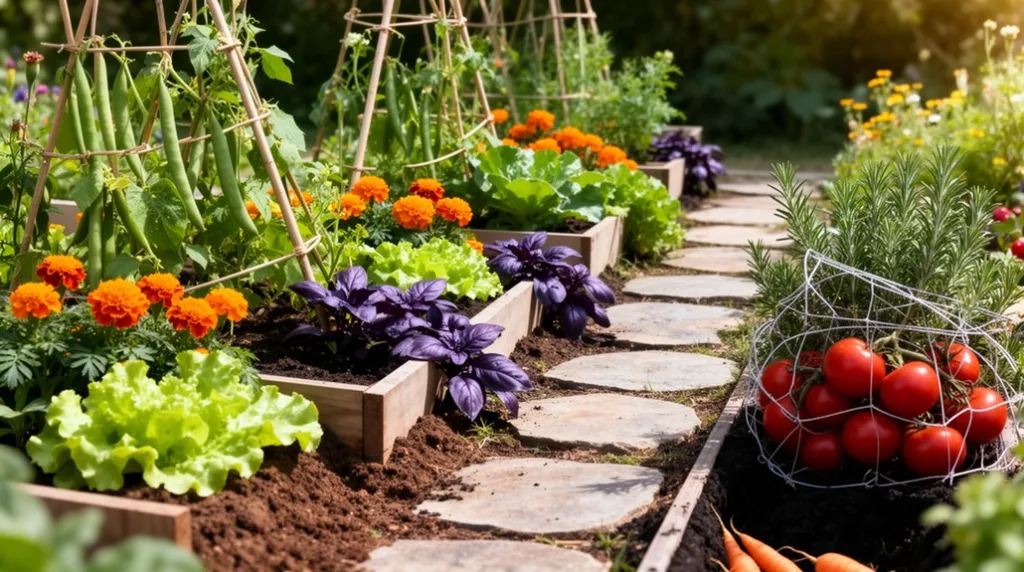
You’ve got a backyard, a balcony, or even a spare corner, and you’re ready to turn it into a thriving garden. From classic raised wooden boxes that let you control soil composition, to sleek concrete modules that endure the elements, each design offers a distinct advantage. Imagine tiered vertical planters that maximize limited space, or a repurposed pallet that adds charm while keeping costs low. The right bed can boost yields, conserve water, and simplify upkeep—so which setup will suit your climate and style best?
Key Takeaways
- Combine raised wooden boxes with landscape fabric liners for customizable soil textures, ideal for both flowers and vegetables.
- Use self‑watering fabric grow bags with built‑in reservoirs to reduce watering frequency and support diverse plant types.
- Install tiered vertical planters or modular grid systems to maximize space while providing excellent drainage and easy access.
- Incorporate trellis‑integrated raised walls or stone structures for climbing crops and vining flowers, extending growing height.
- Apply lasagna gardening techniques—layered cardboard, compost, straw, and mulch—to create nutrient‑rich, low‑maintenance beds for mixed planting.
Raised Wooden Boxes: Garden Bed Ideas for Easy Soil Control
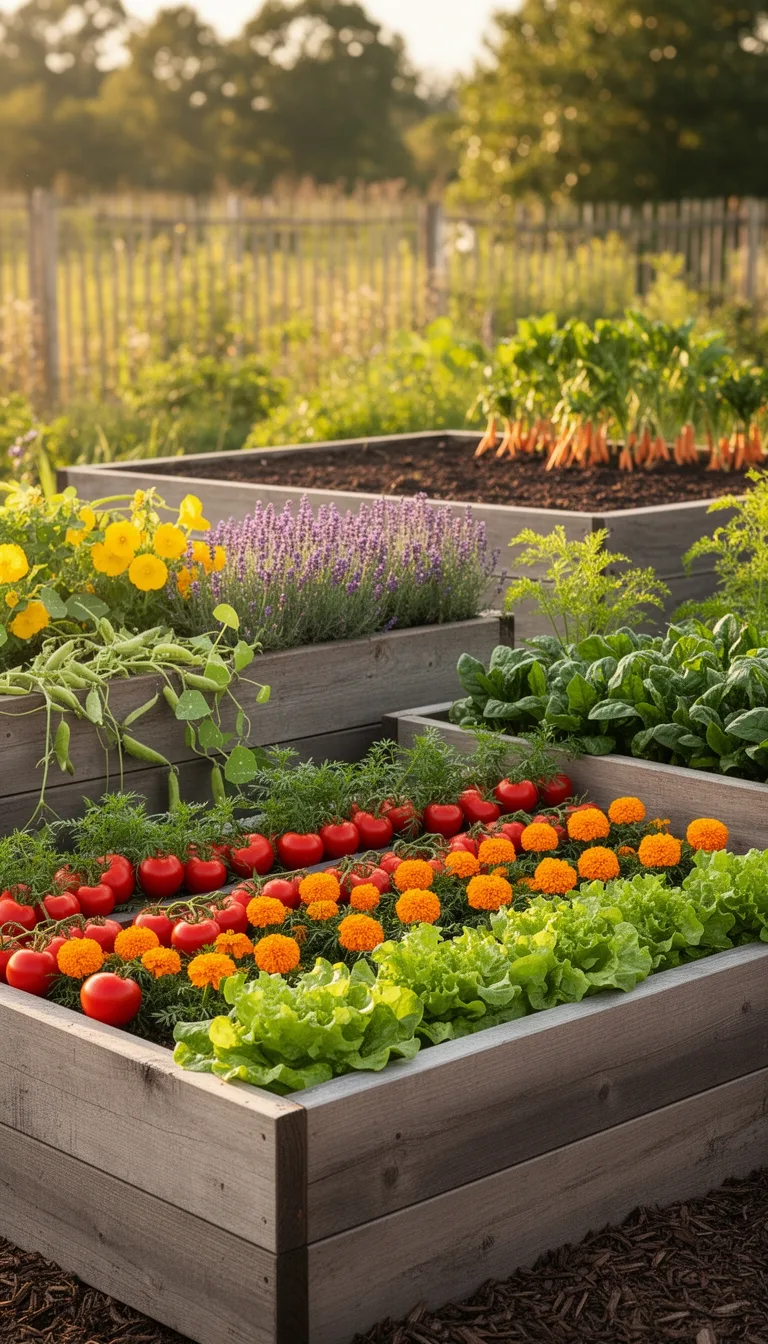
Raised wooden boxes give you instant soil control, letting you fine‑tune drainage, texture, and nutrients without digging up your yard. You’ll assemble the box from untreated lumber, line the interior with landscape fabric, and fill it with a mix of compost, peat, and sand.
By adjusting the layer ratios, you can create a light, airy medium for carrots or a denser blend for tomatoes. The raised height keeps weeds at bay and protects roots from temperature swings.
You can add a drip‑irrigation line along the bottom, then cover it with mulch to retain moisture. When planting, space each seed or seedling according to its mature spread, and you’ll enjoy uniform growth, easy harvesting, and minimal back‑breaking labor.
Tiered Vertical Planters: Garden Bed Ideas for Small Spaces
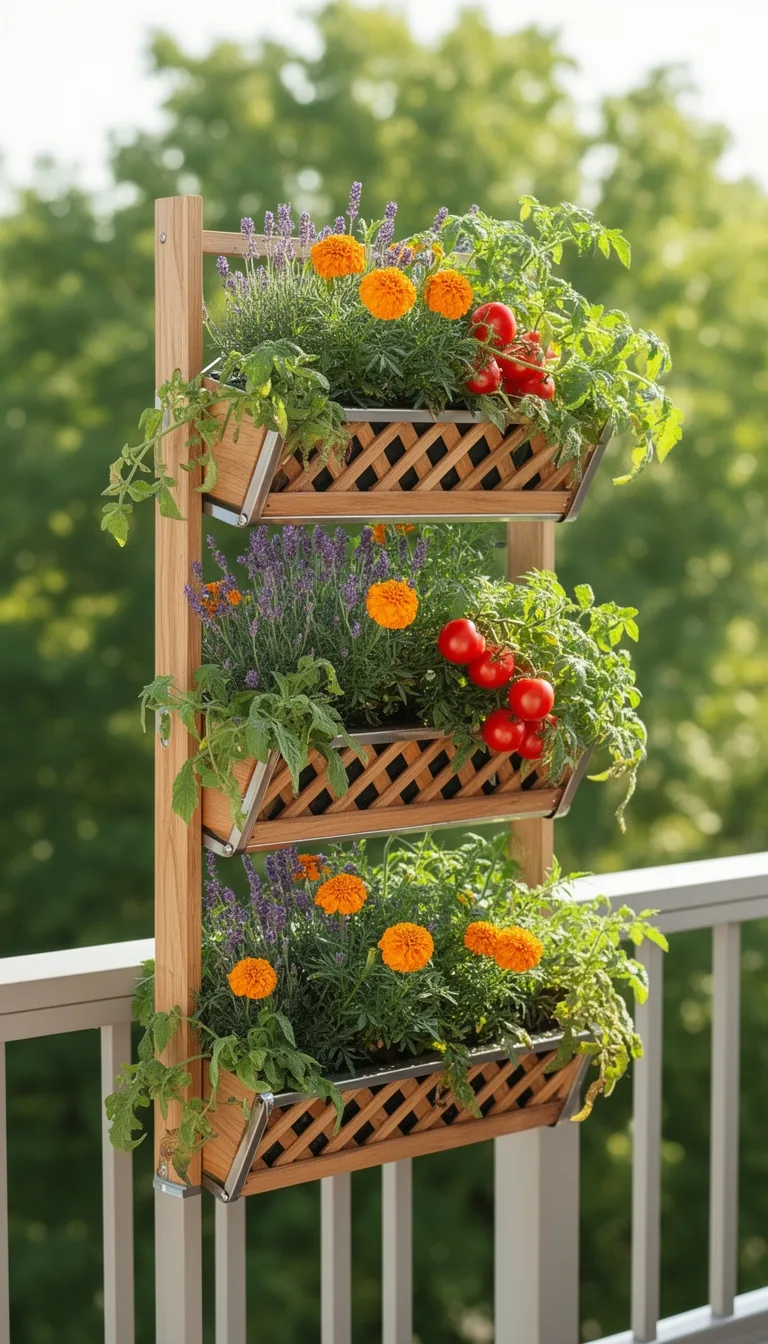
If you’ve mastered soil control with raised wooden boxes, you’ll love tiered vertical planters for squeezing greenery into tight spots. You’ll stack shallow trays, each with its own drainage hole, and fill them with a light, airy mix. The design lets you grow tomatoes, herbs, and trailing flowers on a single footprint, while the tiers keep roots airy and prevent soil compaction. Position the unit against a wall or fence, and use a sturdy frame to keep it stable. Water from the top, and gravity will feed lower levels, saving time and effort. Choose modular units that snap together, so you can reconfigure as your garden evolves.
| Tier | Plant Type | Light Needs |
|---|---|---|
| 1 | Herbs | Full sun |
| 2 | Lettuce | Partial shade |
| 3 | Tomatoes | Full sun |
| 4 | Flowers | Full sun |
Repurposed Pallet Gardens: Upcycled Garden Bed Ideas
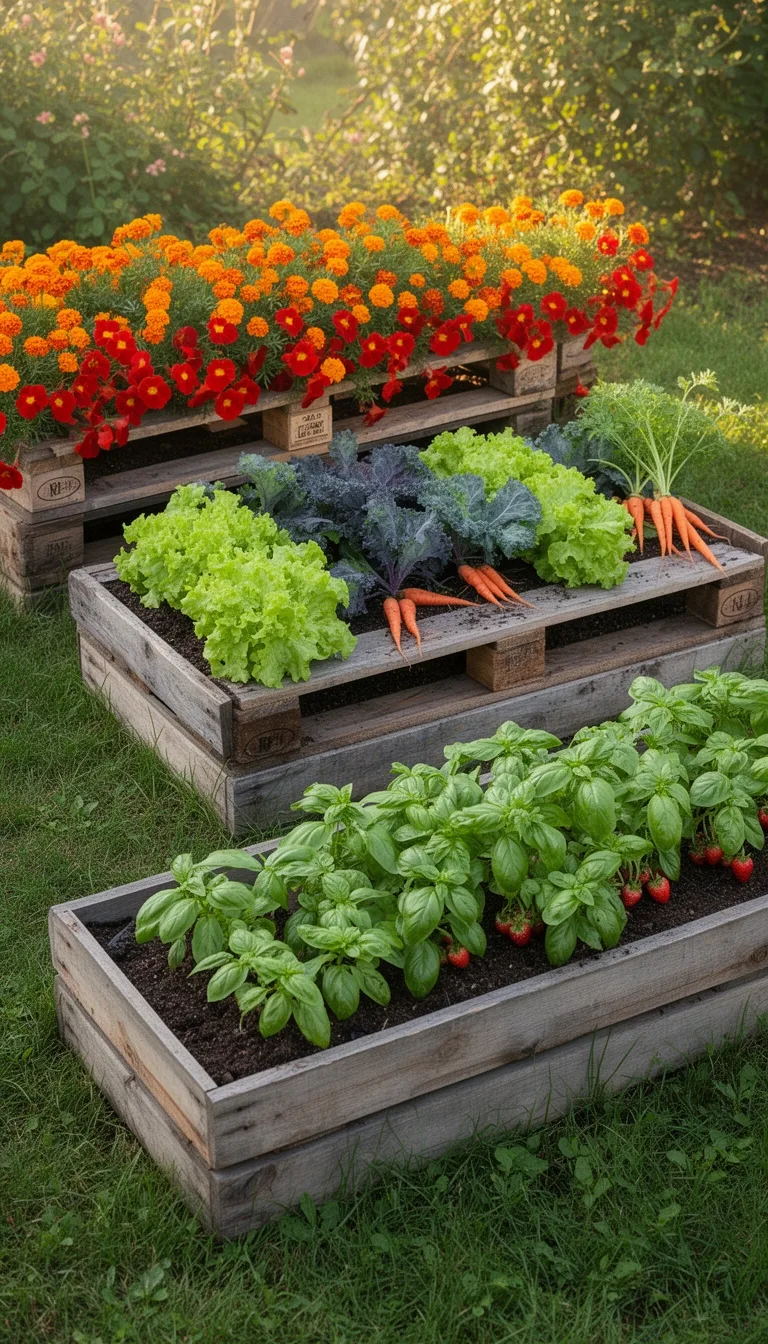
Transforming a discarded pallet into a thriving garden bed lets you recycle wood while creating a compact, stylish planting platform.
First, sand the pallet to remove splinters, then treat it with a non‑toxic sealant to protect against moisture.
Lay the pallet on a level surface, add a weed barrier, and fill the slats with a lightweight potting mix.
Plant herbs, lettuce, or marigolds where the slats create natural pockets, and water from the top to keep soil evenly moist.
Use a drip line or a simple watering can for consistent hydration.
To maximize space, stack two pallets vertically, securing them with brackets.
This upcycled garden adds charm, reduces waste, and delivers fresh produce right at your doorstep.
Modern Concrete Modules: Sleek, Durable Garden Bed Ideas
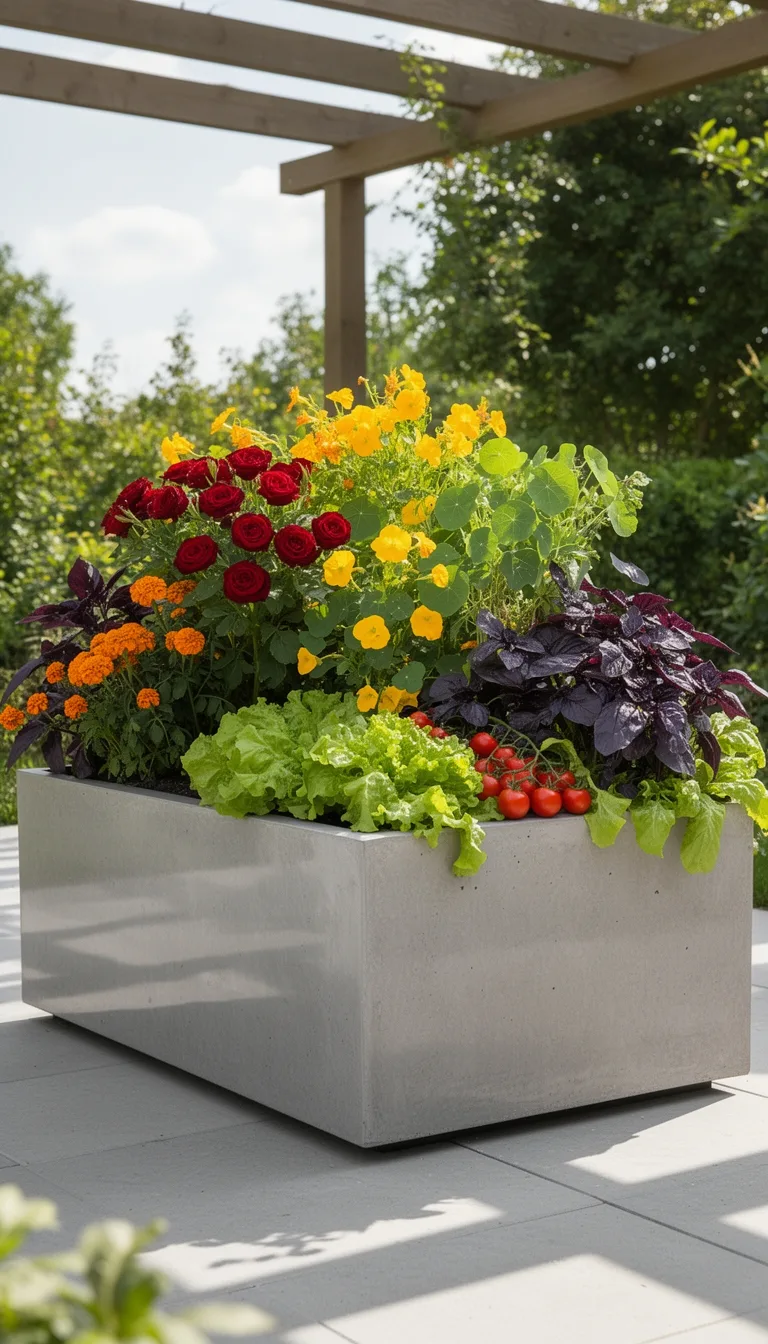
A handful of sleek concrete modules can instantly give your garden a modern, durable edge. You place them in any configuration—stacked, staggered, or aligned—to create clean lines that suit both flowers and vegetables.
The material resists rot, pests, and weather, so you won’t replace it often. Fill each module with a high‑quality soil blend, then plant herbs in the front, tomatoes in the middle, and trailing vines at the back for visual depth.
Because the modules are solid, they retain heat, extending the growing season for heat‑loving crops. You can paint or stain the surfaces to match your home’s aesthetic, and the modular nature lets you expand or re‑arrange the beds as your garden evolves.
Straw Bale Beds: Lightweight, Insulated Garden Bed Ideas
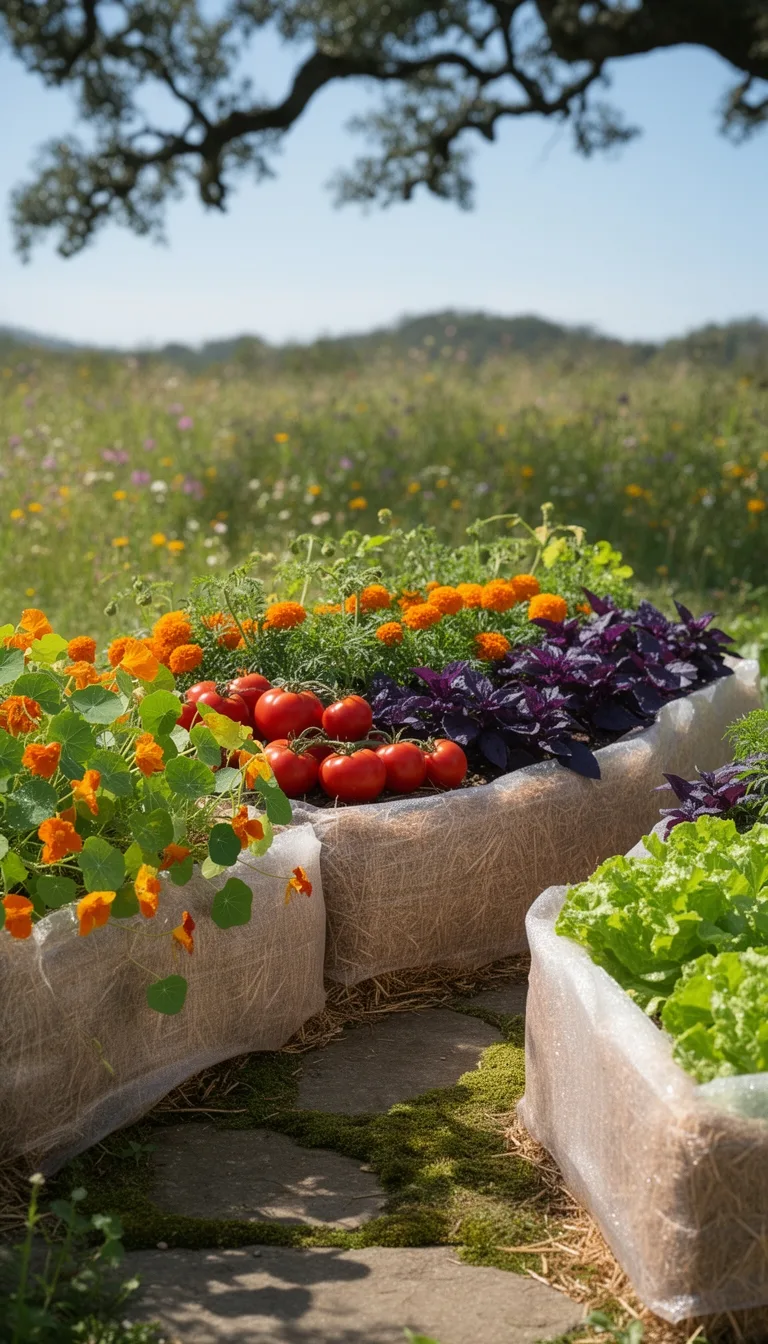
Straw bale beds spring up in your garden like a soft, insulated platform, letting you start planting within days.
You’ll first soak the bales for 24‑48 hours, then layer them with a breathable fabric to keep moisture in and weeds out.
As the bales decompose, they release nitrogen, feeding your vegetables and flowers.
You can tilt the bed toward the sun, add a drip‑irrigation line, and top it with a thin mulch for extra warmth.
The lightweight nature lets you reposition the bed when crops rotate, while the straw’s natural insulation protects roots from frost.
Harvest begins quickly—lettuce, spinach, and radishes thrive, and you can later turn the spent bales into compost, completing a sustainable, low‑cost garden cycle.
DIY Log Cabin Gardens: Rustic Natural Border Bed Ideas
Creating a rustic border with reclaimed logs gives your garden a natural, cabin‑like charm while defining planting zones.
First, gather sturdy, weather‑worn logs of uniform length; cut them to a 2‑foot height for a low‑profile edge. Lay the logs end‑to‑end, overlapping joints and securing each with stainless‑steel spikes or a hidden metal bracket.
Fill the interior with a mix of compost, peat, and sand, then level the surface. Plant perennials along the log line to soften the wood and reduce erosion.
To keep the border intact, apply a natural oil sealant that repels moisture but lets the wood breathe. This DIY log cabin garden not only frames your beds but also creates a tactile, inviting pathway for visitors and pollinators alike.
Self‑Watering Fabric Grow Bags: Low‑Maintenance Garden Bed Ideas
Self‑watering fabric grow bags let you set up thriving beds with barely a glance at the water meter.
You fill the bag, add a slow‑release fertilizer, and the woven fabric wicks water from the reservoir to roots as they need it. The breathable material prevents root rot while keeping moisture steady, so you can plant tomatoes, herbs, or marigolds without daily checks.
Place bags on a sunny patio or a raised frame; they’re lightweight, portable, and stackable for seasonal rotation. The built‑in overflow valve protects against over‑watering, and the fabric’s UV‑coating extends lifespan.
Raised Stone Walls With Integrated Trellis: Climbing Plant Bed Ideas
Build a raised stone wall with an integrated trellis, and you instantly turn a simple garden bed into a vertical showcase for climbing plants. You’ll see vines, beans, and ornamental roses climb the stone, saving ground space while adding texture. The stone’s mass retains heat, extending the growing season for warm‑season crops. Choose a sturdy, weather‑resistant trellis material—metal or rot‑resistant wood—so you can swap plants each year without rebuilding. Position the wall where morning sun hits the trellis, then water from the base up the stone for efficient irrigation.
| Plant Type | Sun Requirement | Ideal Trellis Height |
|---|---|---|
| Sweet peas | Full sun | 6 ft |
| Cucumbers | Full sun | 5 ft |
| Clematis | Partial shade | 7 ft |
| Morning glories | Full sun | 8 ft |
Modular Plastic Grid Systems: Flexible Layout Garden Bed Ideas
Snap together modular plastic grids and you instantly gain a flexible garden‑bed layout that adapts to any space. You click interlocking panels onto a sturdy frame, then fill each cell with soil, compost, or a mix of both. The grid’s open design improves drainage, prevents compaction, and lets roots spread evenly, which boosts growth for tomatoes, lettuce, and marigolds alike.
Because panels are lightweight, you can re‑configure rows to accommodate seasonal crops or expand a corner without digging up existing beds. The clear plastic shows root development, helping you spot problems early. Add trellis clips to the top bars for climbing beans or cucumbers, and you have a modular, low‑maintenance system that grows with your garden’s needs.
Herb Spiral Gardens: Compact Sun‑Facing Herb Bed Ideas
Creating a compact, sun‑facing herb spiral lets you maximize vertical space while keeping all your favorite flavors within arm’s reach.
You’ll start with a sturdy base—concrete blocks, reclaimed bricks, or a raised wooden ring—then build up with soil layers that gradually rise toward the center.
The outer ring stays dry and warm, perfect for basil, thyme, and oregano; the inner curve retains moisture, ideal for parsley, cilantro, and mint.
Plant in concentric rings, matching each herb’s sun and water needs to its position.
Water evenly, allowing runoff to feed lower levels.
Harvest by reaching around the spiral, minimizing foot traffic and soil compaction.
This design delivers a high‑yield, low‑maintenance herb garden in a tiny footprint.
Raised Metal Frames With Perforated Panels: Aerated Root Bed Ideas
When you mount a lightweight steel frame with perforated panels, you instantly give roots a breathable, moisture‑balanced environment that cuts down on compaction and improves drainage.
The metal skeleton holds soil above ground, preventing waterlogging while allowing air to circulate through the holes. You can adjust panel spacing to match plant needs—wider gaps for deep‑rooted veggies, tighter for delicate flowers.
The frame’s rigidity supports heavy crops without sagging, and its sleek look blends with modern gardens.
Fill the cavity with a lightweight mix of compost, perlite, and coarse sand; the perforations keep the root zone aerated, reducing disease risk.
Maintenance is simple: rinse panels after rain, replace any rust‑prone sections, and enjoy healthier, faster‑growing plants.
Compost‑in‑Bed Gardens: On‑Site Soil Enrichment Bed Ideas
Embedding compost directly into your garden bed transforms it into a living, nutrient‑rich ecosystem, delivering continuous soil enrichment without the need for separate bins or frequent top‑dressing.
You’ll dig a shallow trench, layer shredded kitchen scraps, coffee grounds, and leaf mulch, then cover with a thin soil veil. As microbes break down the material, nutrients seep into the root zone, boosting tomato, lettuce, and rose vigor.
Keep the mix moist but not soggy; a drip‑irrigation line works well. Rotate sections every season, swapping out depleted zones for fresh compost to maintain balance.
This on‑site method reduces waste, cuts fertilizer costs, and creates a resilient, self‑sustaining bed that feeds itself while you enjoy faster growth and richer harvests.
Lasagna Gardens: Multi‑Layered Nutrient‑Rich Bed Ideas
Layered like a hearty lasagna, a lasagna garden stacks organic scraps, soil, and mulch to build a self‑fertilizing bed that feeds itself while you relax.
You start with a cardboard base to suppress weeds, then add a 2‑inch layer of coarse straw or shredded bark for aeration.
Next, spread a 3‑inch mix of kitchen compost, grass clippings, and leaf mold; this fuels microbes and releases nitrogen.
Follow with a 2‑inch layer of aged manure or peat‑rich soil, smoothing it to create a planting surface.
Top it off with a thin mulch of wood chips or pine needles to retain moisture and deter pests.
Water lightly after each layer, and let the garden settle for a week before sowing seeds or transplanting seedlings.
This tiered system delivers steady nutrients, reduces watering, and lets you enjoy a thriving, low‑maintenance bed.
Hanging Pocket Planters: Vertical Flower Display Bed Ideas
Hanging pocket planters let you turn a plain wall into a blooming tapestry, giving flowers a vertical stage while freeing up floor space.
Choose a modular system with fabric pockets or recycled pallets, then mount it at eye level for easy access.
Fill each pocket with a lightweight potting mix, and pair shallow‑rooted annuals like petunias with compact herbs such as thyme.
Water with a drip line or a spray bottle to keep moisture consistent without overloading the wall.
Arrange colors in a gradient—cool blues at the bottom, warm reds at the top—to guide the eye upward.
Harvest herbs straight from the pockets, and rotate seasonal blooms to keep the display fresh year‑round.
This vertical garden maximizes aesthetics and productivity in tight spaces.
Corner‑Fit L‑Shaped Beds: Efficient Yard Utilization Bed Ideas
In a tight yard, a corner‑fit L‑shaped bed lets you capture every inch of usable space while keeping pathways clear. You’ll feel the satisfaction of a tidy, efficient plot that hugs the house wall and porch rail, turning a dead corner into a thriving patch of herbs, lettuce, and petunias. The L shape creates two distinct zones—one for tall tomatoes, the other for low‑grow lettuce—so you avoid shading your own crops. You can walk the short aisle without stepping on soil, and the visual line of the bed draws the eye inward, making the space feel larger.
| Mood | Benefit |
|---|---|
| Pride | Maximize yield |
| Calm | Clear walkways |
| Joy | Easy access |
| Confidence | Organized layout |
| Inspiration | Creative corner use |
Sun‑Tracking Rotating Beds: Tech‑Enhanced Garden Bed Idea
Even after you’ve squeezed every inch out of a corner with an L‑shaped bed, the sun still moves, and your plants can miss its peak. A sun‑tracking rotating bed solves that problem by turning the entire planting platform on a motorized base that follows the sun’s arc.
You program the rotation schedule via a simple app, set the speed, and let the bed pivot a few degrees each hour. Sensors detect light intensity and adjust movement to keep each leaf angled for optimal photosynthesis.
The frame can hold modular trays for herbs, tomatoes, or marigolds, and the power source can be a solar panel on a nearby fence. This tech‑enhanced approach maximizes yield while freeing you from constant repositioning.
Water‑Feature Integrated Beds: Moist‑Loving Plant Bed Ideas
Merging a gentle waterfall with your planting area creates a micro‑climate that keeps soil consistently moist for ferns, rice, and ornamental grasses. You’ll notice the mist settles on leaves, boosting humidity for moisture‑loving species.
Choose a recirculating pump, line a shallow trench with waterproof liner, and embed river rocks to diffuse flow. Plant water‑tolerant herbs like mint and basil near the edge, where splash zones stay damp. Add floating lily pads for visual intrigue and natural shade.
Position low‑lying hostas and astilbes where water pools linger, and use a raised gravel border to prevent stagnation. Regularly skim debris, adjust flow speed, and you’ll maintain a thriving, cool oasis that reduces watering chores while enhancing garden ambience.
Smart‑Sensor Beds: Real‑Time Soil Monitoring Bed Ideas
Embedding moisture‑sensing nodes into your garden bed lets you track moisture, pH, and temperature in real time, so you can fine‑tune watering and nutrient schedules without guesswork. You’ll receive alerts on your phone the moment soil dries, letting you intervene instantly and avoid stress on tomatoes, lettuce, or roses. The data you see trends, helping you adjust compost ratios or shade placement for optimal growth. A compact controller powers the sensors, and solar panels keep the system green.
| Metric | Action Trigger |
|---|---|
| Moisture < 30% | Auto‑water 5 L |
| pH > 7.5 | Add sulfur amendment |
| Temp > 30 °C | Activate shade cloth |
Implementing this smart‑sensor bed transforms guesswork into precise, data‑driven gardening.
Conclusion
You’ve got the tools to turn any nook into a thriving garden—whether you’re stacking tiered boxes, repurposing pallets, or installing smart‑sensor beds. Mix materials, play with vertical space, and let tech handle moisture and temperature. The result? More harvest, less hassle, and a garden that fits your lifestyle perfectly. So pick a design, get planting, and watch your flowers and veggies flourish.
The Only Tools You Need for a Thriving Garden 🌱
Whether you're a weekend gardener or growing daily — these hand-picked tools make every session faster, easier, and more satisfying.