Some gardens look a bit too perfect. If you’re aiming for a relaxed, natural space that feels established, a rustic approach might be your answer. It’s about embracing materials like weathered wood and found stone, then letting plants soften the edges. You can weave this timeless charm into your own yard with thoughtful touches, starting with a simple entryway.
Key Takeaways
- Use irregular fieldstone and weathered wood for pathways, fences, and structures to establish an aged, natural aesthetic.
- Create rustic features like log seating nooks and simple pot fountains using repurposed materials and basic construction.
- Plant layered, textured borders with native wildflowers, ornamental grasses, and self-seeding perennials for a relaxed feel.
- Soften hardscapes with creeping ground covers, moss, and climbing plants trained over fences and handmade trellises.
- Incorporate wildlife-friendly elements like a small pond with native plants or a wildflower meadow to support local ecology.
Start With a Stone Pathway for a Rustic Entryway
Begin by laying a simple stone path to welcome guests and guide them into your garden space. You don’t need perfect flagstones; irregular, locally sourced fieldstone creates that timeless, rustic charm.
Just dig a shallow trench, lay down a bed of sand for drainage, and set your stones. You’ll want to space them for a natural stride, letting low-growing plants like creeping thyme or woolly thyme soften the edges.
This living fringe adds fragrance and color, blending the path into the landscape. Remember, it’s more about creating a feeling than achieving perfection. A slightly uneven line or a mossy stone only enhances the character.
This foundational element instantly defines your garden’s mood, inviting everyone to explore what lies beyond.
Build a Garden Fence From Weathered, Reclaimed Wood
Secure the perimeter of your rustic retreat with a fence crafted from weathered, reclaimed wood. This project reuses materials, adding instant character and a silvery-gray patina that blends beautifully with nature.
You’ll need posts, rails, and pickets; their imperfections are assets. Set sturdy corner posts first, then attach horizontal rails. Nail your pickets vertically, leaving slight gaps for air circulation to prevent rot.
This fence provides a perfect backdrop for climbing plants. Train a native clematis or fragrant honeysuckle to scramble over it, softening the lines and attracting pollinators.
Your handmade boundary will define the space while feeling like a natural extension of the garden itself.
Craft a Cozy Seating Nook From Logs and Stumps
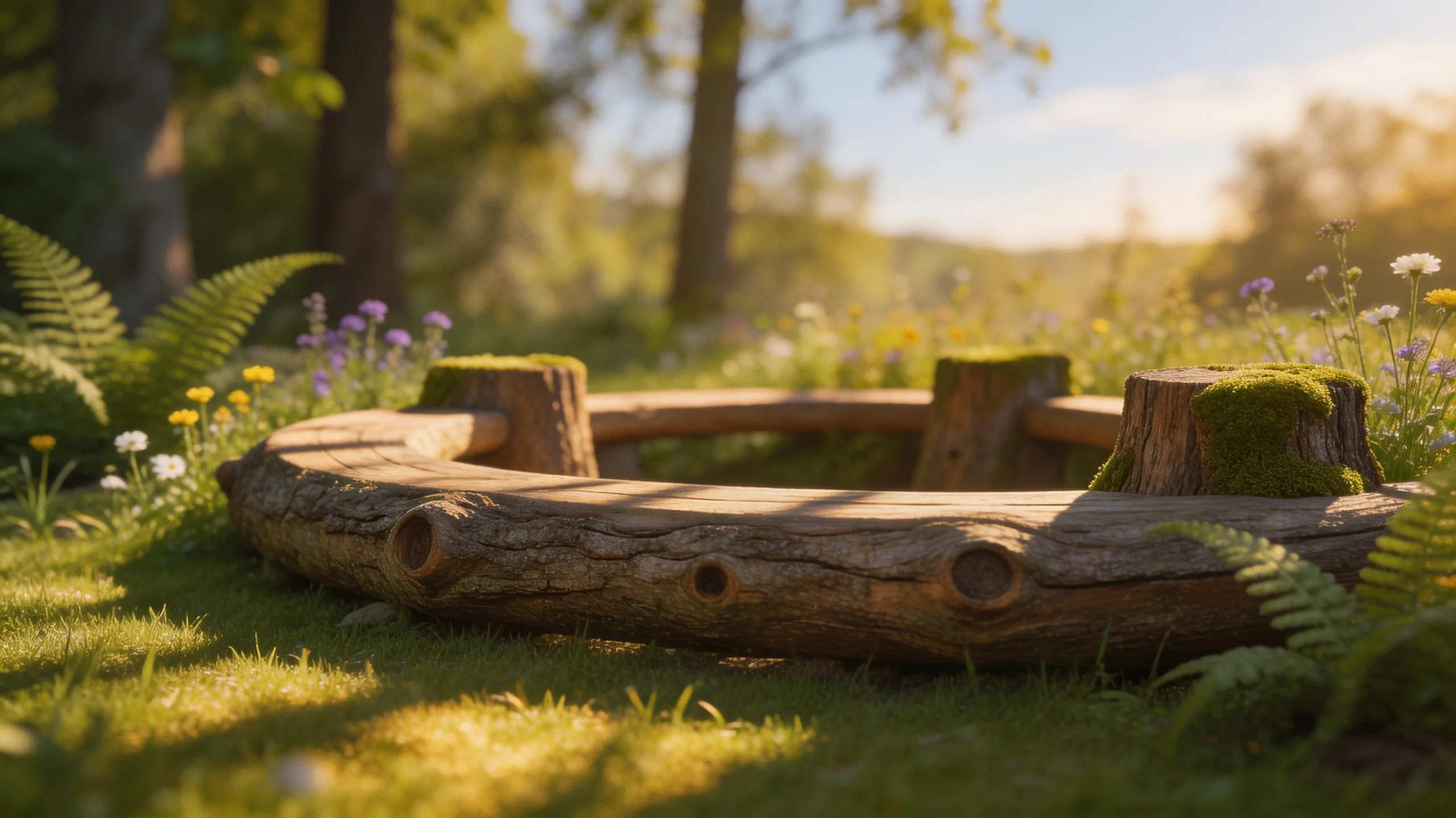
Once you’ve established your rustic fence, consider crafting an equally natural gathering spot by transforming logs and stumps into a simple, cozy seating nook. You’ll need some sturdy, level pieces; a large, flat stump makes a perfect table. Arrange shorter, wide logs around it as benches. Ensure they’re dry and free of pests before using. To soften the look, plant creeping thyme or moss around the bases; they’ll thrive in the shade and add a lovely, fragrant touch. It’s a wonderful way to reuse fallen wood from your own property or a neighbor’s.
| Element | Material Needed | Plant Companion |
|---|---|---|
| Table | Large Flat Stump | (Keep surface clear) |
| Bench | Short, Wide Log | Creeping Thyme |
| Backrest | Tall, Secure Stump | Moss |
| Path | Wood Chips | Sweet Woodruff |
Design a Natural Backyard Pond With Native Plants

While your rustic seating nook provides a place to rest, a natural backyard pond creates a vibrant focal point that attracts local wildlife. Start by choosing a spot with some sun and digging a shallow, irregular shape. You’ll line it with a flexible pond liner.
The real magic happens with native plants. Choose a variety for different zones: use rushes like soft rush in the shallows to filter water. For deeper areas, add submerged oxygenators like eelgrass. Around the edges, plant moisture-loving natives like swamp milkweed or cardinal flower; they’ll thrive without fuss. These plants support pollinators and create a balanced ecosystem, minimizing maintenance. Soon, you’ll enjoy a self-sustaining, beautiful habitat right in your own yard.
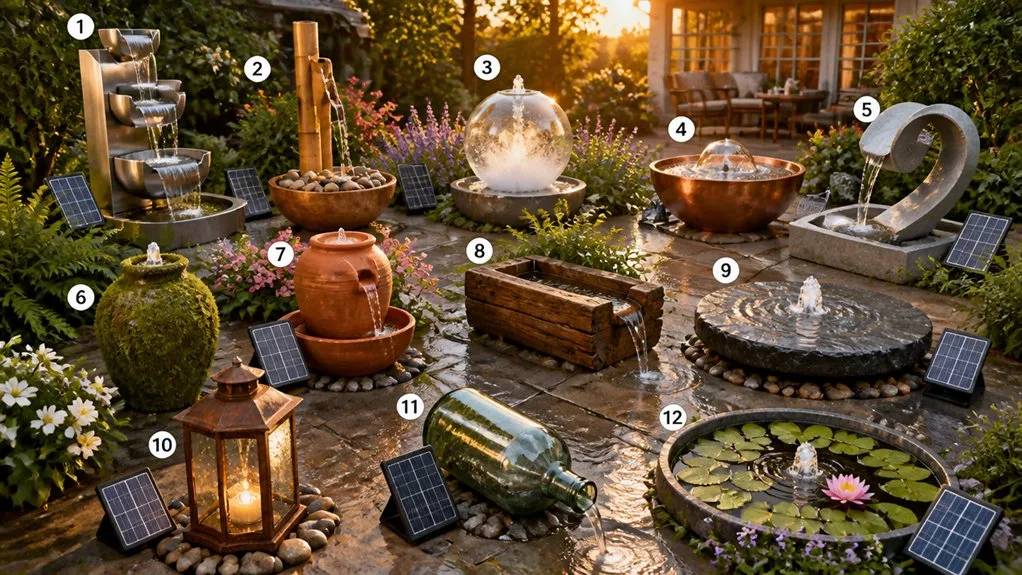
Build a Rustic Water Feature From a Ceramic Pot
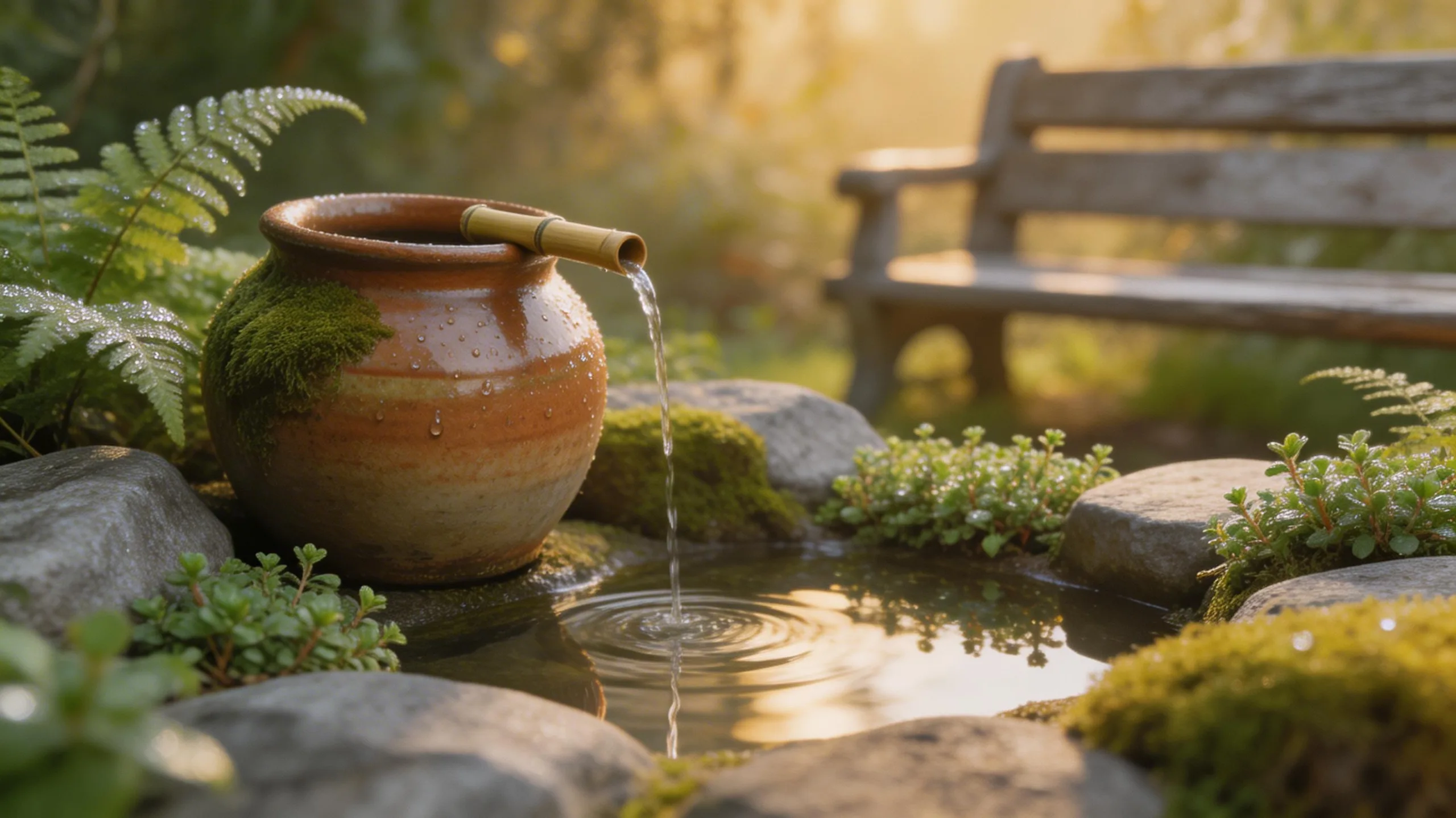
Transform a simple ceramic pot into a charming rustic water feature that brings gentle sound and movement to your garden. Choose a large, frost-proof ceramic pot. Drill a small hole near the base for a submersible pump’s cord.
Place the pot in your chosen spot and fill it with water, adding the pump inside. Conceal it with a layer of clean pebbles. You can direct the tubing to create a gentle spill over the pot’s rim or a small fountain.
Surround the base with moisture-loving plants like ferns, sedges, or moss. They’ll thrive from the splash and add to the natural aesthetic. You’ll enjoy the tranquil sound and the life this simple water feature attracts.
Grow a Wildflower Meadow for Effortless Charm

To cultivate an easy and enchanting wildflower meadow, you’ll start by choosing a sunny, well-drained site.
You’ll prepare the ground by clearing existing vegetation and lightly raking the soil to create a seedbed.
Select a regional wildflower seed mix suited to your climate for the best results and effortless care.
Scatter the seeds evenly and press them gently into the soil to ensure good contact.
You won’t need to cover them deeply; light is key for germination.
Keep the area moist until the seedlings establish.
A meadow thrives on neglect, so once it’s growing, you’ll rarely water it.
You’ll be rewarded with a dynamic, ever-changing tapestry of blooms that invites pollinators and provides a charming, naturalistic backdrop.
Establish a Moss Garden for a Timeworn Look

Creating a serene moss garden starts with embracing the specific conditions these ancient plants require: shade, moisture, and acidic soil. You’ll cultivate a living tapestry that feels timeless and soft underfoot.
Moss doesn’t need mowing or fertilizing, but you must prepare the site by removing grass and weeds, then gently compacting the soil. Keep the area shaded and moist. You can transplant patches of moss from elsewhere in your yard, pressing them firmly onto the prepared ground. Regular misting helps them establish.
- Locate a shady, damp area where grass struggles to grow.
- Clear the site of debris and competing plants, then firm the soil.
- Source moss patches from existing colonies, transplanting them in sections.
- Maintain consistent moisture through gentle watering until the moss spreads.
Achieve a Lush Look With Layered, Textural Planting
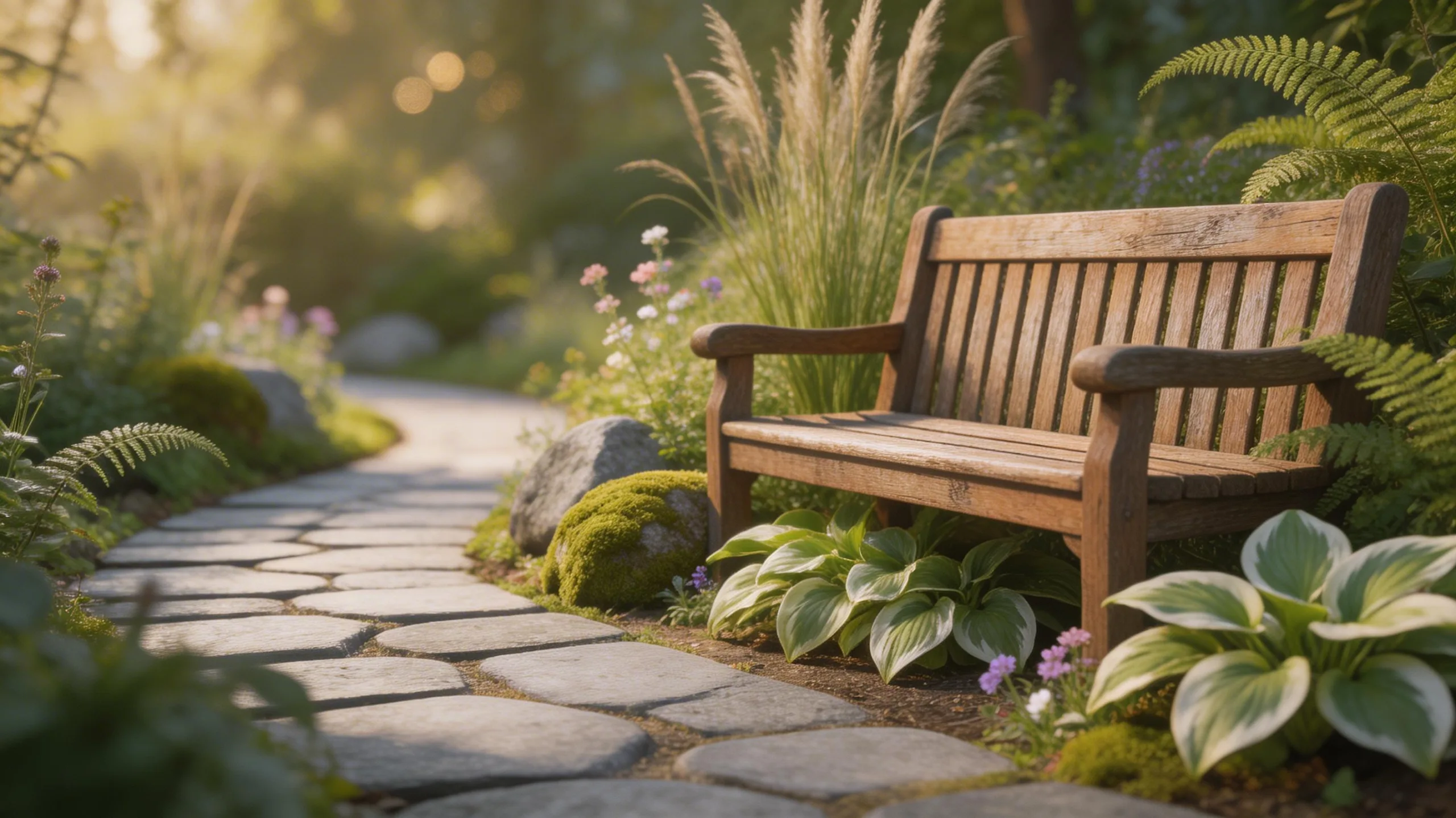
Layered planting builds a rich, full garden by combining plants of various heights, forms, and foliage.
Start with tall structural plants like Joe-Pye weed or ornamental grasses as your back layer.
Fill the middle with medium-height shrubs or perennials such as lavender or Russian sage.
Finally, edge your beds with low, spreading plants like creeping thyme or ajuga.
Focus on contrasting textures to amplify the lush effect; pair broad hosta leaves with the fine needles of a fern, or soft lamb’s ear against spiky yucca.
This method maximizes visual interest and creates a habitat that feels naturally abundant.
You’re not just planting; you’re crafting a living tapestry that deepens your garden’s rustic charm.
Choose the Right Ground Cover for Your Rustic Path
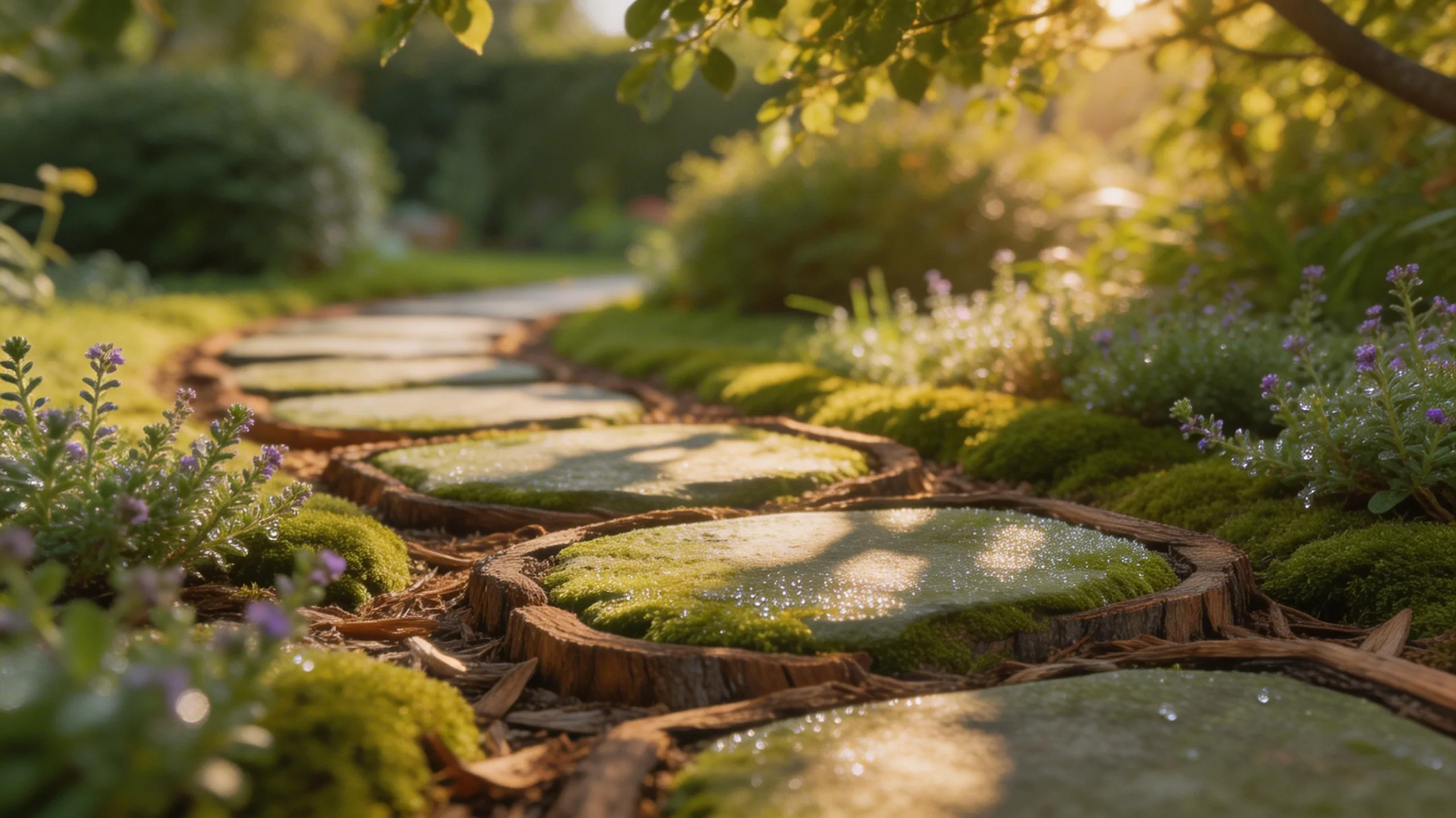
While your layered planting builds the garden’s lush backdrop, the paths that wind through it need a foundation that’s both charming and functional. You’ll want a ground cover that settles into the landscape, handles light foot traffic, and minimizes muddy patches.
Think about texture, color, and growth habit to find a plant that complements your garden’s feel.
- Creeping Thyme: This aromatic herb forms a dense, fragrant mat and offers delicate summer flowers. It’s perfect for sunny, well-drained spots.
- Irish Moss: Its bright green, cushion-like foliage creates a soft, verdant carpet ideal for shaded or partially shaded pathways.
- Corsican Mint: For a powerful scent underfoot, choose this tiny-leaved mint that thrives in moist, part-shade conditions.
- Dwarf Mondo Grass: This tough, grassy plant provides excellent erosion control and a neat, tufted look for edges or full coverage.
Plant a Rustic Herb Garden in Vintage Containers

After you’ve established your winding paths, your rustic garden can gain both charm and utility by dedicating a space to herbs. Vintage containers like weathered pails, chipped crocks, or old crates add immediate character. You’ll need to ensure each pot has proper drainage by drilling holes, and you should fill them with a quality, well-draining potting mix. Herbs thrive with ample sunlight, so place your containers where they’ll receive at least six hours daily.
| Herb | Key Growing Tip | Best Vintage Pairing |
|---|---|---|
| Rosemary | Needs excellent drainage | Galvanized metal bucket |
| Thyme | Prefers drier soil | Terracotta pot with patina |
| Mint | Contain aggressively | Enamelware basin with chips |
| Parsley | Keep soil consistently moist | Wooden wine crate |
This approach creates a fragrant, functional spot that feels established the moment you plant it.
Upcycle an Old Wheelbarrow Into a Mobile Planter
To carry your rustic garden theme forward, upcycling an old wheelbarrow into a mobile planter can add whimsy and versatility. You’ll love being able to move your display into the sun or tuck it into a shady corner. Ensure it has drainage by drilling a few holes in the bottom before filling it with a quality potting mix. Choose plants that thrive in the conditions where you’ll most often use it.
- Plant cascading petunias or sweet potato vine along the edges to soften the metal or wood sides.
- Add height and structure with ornamental grasses or a central dwarf conifer.
- Fill the main space with sun-loving, drought-tolerant succulents for easy care.
- For shade, create a lush fern and impatiens arrangement that appreciates consistent moisture.
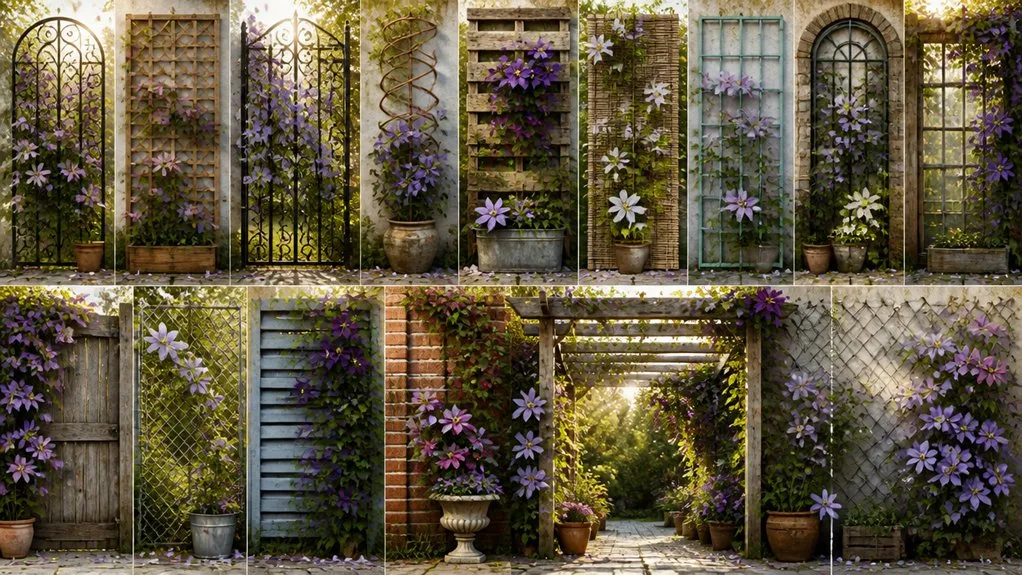
Build a Rustic Trellis for Climbing Vines
Frame a charming vertical element in your garden by building a simple, rustic trellis from foraged branches or repurposed wood. You’ll just need some sturdy uprights and thinner crosspieces.
Lash them together securely with natural jute twine or flexible willow shoots, creating a simple grid or fan shape. Choose a sunny spot with good soil and sink the trellis’s legs deeply for stability.
This structure is perfect for annual climbers like sweet peas or morning glories, which will quickly cover the frame with color. For a perennial option, consider a hardy clematis; its vines will gracefully twine through the supports year after year.
Your handmade creation adds wonderful height and texture.
Construct a Simple Arbor From Untreated Branches
Construct a simple, living arbor by gathering sturdy untreated branches from fallen trees or pruned material. You’ll need four main uprights and several longer pieces for the top. Choose branches that are straight and strong enough to support climbing plants. Use jute or hemp cord to lash them together, creating a framework that will last for years and allow vines to flourish.
- Find four sturdy, straight branches about 7 feet long for your upright posts.
- Select two or three longer, flexible branches to form the arched top of the arbor.
- Dig holes for your posts, insert them, and backfill firmly with soil to secure the structure.
- Lash all the joints tightly with natural cord, creating a rigid frame ready for plants like clematis or climbing roses.
Arrange a Rustic Rock Garden With Found Stones
Gather an assortment of found stones from your property or local area to create a naturalistic rock garden that celebrates texture and form. Start by placing your largest, most interesting rocks as anchor points.
Bury at least one-third of each stone for stability and a settled, aged appearance. Group smaller stones around these features, mimicking natural outcrops.
Choose tough, drought-tolerant plants that thrive in rocky soil. Tuck creeping thyme or sedum into crevices, and plant ornamental grasses like blue fescue for soft contrast.
Incorporate Found Objects as Garden Art
Building on the natural charm of your rock garden, you can add character by repurposing everyday items into unique art. Think creatively about objects you already own; a weathered watering can becomes a planter for cascading succulents, while an old ladder transforms into a vertical display for potted herbs. This approach saves money and reduces waste, letting your garden’s story unfold organically. Choose items that can withstand outdoor conditions, and consider their scale against your plants. Your garden becomes a curated space that reflects your personal touch.
- Turn a discarded ceramic bowl into a shallow bird bath surrounded by feathery grasses.
- Suspend rusted gears or tools from a tree branch as kinetic sculptures.
- Plant moss and creeping thyme in the cracks of a retired brick pillar.
- Use a salvaged window frame as a backdrop for a vignette of potted sedums.
Add a Rustic Touch With a Handmade Birdhouse
Welcoming feathered friends into your garden begins by crafting a simple birdhouse. Use reclaimed wood or an old fence board for that weathered, rustic charm; its natural grain and patina blend perfectly with your plants. Drill a small entry hole suited to local species like chickadees or wrens, and ensure there’s ventilation and drainage.
You’ll want to mount it securely on a post or tree, positioning it away from dense foliage to protect birds from predators. As you watch them nest, you’re also inviting natural pest control, as these birds feast on garden insects. It’s a rewarding project that adds authentic character and life to your outdoor sanctuary, making your garden feel truly complete.
Illuminate Your Space With DIY Rustic Lanterns
Transform your garden’s evening ambiance by crafting simple lanterns from materials like mason jars, tin cans, or reclaimed wood. You’ll extend your time outdoors and highlight your favorite plants’ silhouettes after dark.
These handmade lights create a warm, inviting glow that feels perfectly at home among natural textures. Use battery-operated candles or solar lights for safety and ease.
Hang them from tree branches, line a pathway, or group them on a table to define a cozy seating area. Here are four simple ideas to paint your own rustic picture:
- Mason Jar Lanterns: Nestle a flickering tea light inside a jar wrapped with rustic twine.
- Punched Tin Cans: Create star patterns on cans with a nail and hammer for beautiful light patterns.
- Reclaimed Wood Boxes: Assemble a simple square frame from old fence wood to house a glass votive.
- Terracotta Pot Lanterns: Invert a small pot over a candle, letting light spill from the drainage hole.
Let Plants Go a Bit Wild for an Authentic Feel
While it might feel counterintuitive, embracing a bit of natural chaos in your plantings is key to creating a rustic garden that feels genuinely aged and established.
You can start by allowing some of your tougher perennials to self-seed freely. Plants like coneflowers, foxgloves, or columbines will pop up in delightful, unexpected places.
You should also ease up on your pruning shears. Let shrubs like hydrangeas or spirea develop their full, natural forms rather than sculpting them tightly.
A little bit of strategic “neglect” encourages soft, sprawling shapes and prevents that overly manicured look. You’re not aiming for a mess, but for a relaxed, layered abundance that feels effortlessly timeless and inviting.
Frequently Asked Questions
How Do I Stop Moss From Invading My Lawn?
First, improve drainage and sunlight. Aerate compacted soil and trim overhanging branches. You can also raise your soil’s pH with lime. Reseed bare patches quickly, as moss thrives where grass is thin.
Is Rustic Garden Style Suitable for Small Yards?
Yes, it’s suitable. You can use wood, stone, and a few native plants to create the look. Focus on vertical elements and small-scale features. A small rustic garden can feel wonderfully cozy and inviting.
What Tools Are Essential for Rustic Garden Projects?
You’ll need a few basics. Grab a spade for planting, good secateurs for pruning, and a strong wheelbarrow. Don’t forget a hammer for constructing simple features like raised beds from found wood.
How Do I Protect Reclaimed Wood From Rot?
You’ll protect reclaimed wood by thoroughly cleaning it, then applying a dedicated wood preservative or sealant. Regularly check for damage and reapply your sealant every few years to keep its rustic charm intact.
Can I Combine Rustic Style With Modern Elements?
Absolutely. You can combine rustic and modern. Use clean-lined metal planters filled with loose, natural grasses. Pair a sleek concrete bench with a weathered wood pergola for a balanced, dynamic look.
Conclusion
Remember, rustic charm is about letting nature guide you. Trust your plants, reuse what you have, and let your garden evolve. Don’t strive for perfection; let pathways soften and meadows sprawl. With these simple ideas, you’ll create a space that’s not only beautiful but feels genuinely alive. Your patience and care will be rewarded with a backyard that’s both a sanctuary for you and for wildlife.
The Only Tools You Need for a Thriving Garden 🌱
Whether you're a weekend gardener or growing daily — these hand-picked tools make every session faster, easier, and more satisfying.