You might think a tiny backyard limits your creativity, but that small space is actually your biggest advantage. You can transform it with smart design. Imagine turning your compact area into a vibrant oasis that looks beautiful and works beautifully for you. The secret lies in choosing the right strategies to maximize every inch and elevate your experience. Discover how simple ideas can completely redefine your outdoor living.
Key Takeaways
- Maximize space with vertical gardens using wall panels, ladders, or tiered planters.
- Group varied container sizes and heights to create lush, layered arrangements.
- Install curving pathways with gravel or stone to expand perceived garden size.
- Add a focal point like sculpture or mirror to anchor and enlarge the space visually.
- Choose compact, cascading plants and dwarf shrubs to ensure year-round color and texture.
Start With a Stylish Vertical Garden Wall
When you’re tight on space, going vertical lets you grow up, not out. Transform a blank fence or wall into a living tapestry.
You can mount a modular felt panel system, repurpose a wooden pallet, or hang a series of pocket planters. Choose the right plants for your light conditions—succulents and herbs thrive in sun, while ferns and philodendrons prefer shade.
Use lightweight potting soil and ensure your structure has proper drainage. A vertical garden isn’t just a space-saver; it’s a dynamic focal point that adds texture and life.
You’ll maximize every square inch, creating a lush, private retreat where you once saw only limitations. It’s your first, most impactful step.
Create a Lush Container Garden Collection
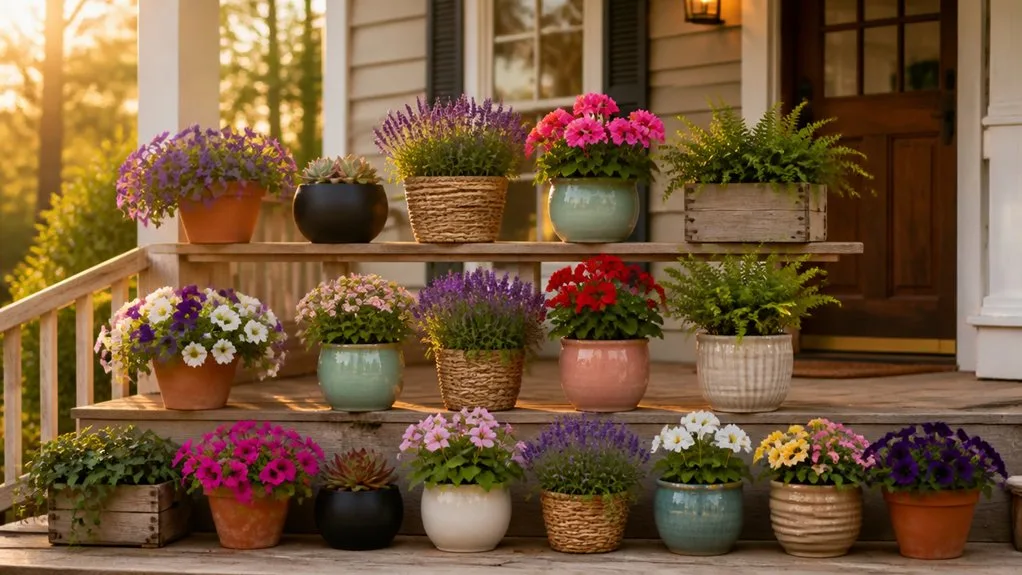
From the vertical plane, you can now bring abundance down to ground level with a lush collection of container gardens. Think of your patio or deck as a gallery floor where each pot is a living sculpture.
You’ll maximize every inch by grouping containers of varying heights and sizes. Use large, statement pots as anchors and fill smaller ones with complementary textures. This layering creates a full, immersive feel without needing permanent beds.
Pick Colorful Dwarf Shrubs and Compact Plants
Now, anchor your garden’s vibrant layers with colorful dwarf shrubs and compact plants. You’ll get maximum visual impact without sacrificing space.
Seek out shrubs like ‘Little Devil’ ninebark for deep burgundy foliage or ‘Goldflame’ spirea for fiery seasonal changes. These provide a sturdy, year-round framework.
Tuck compact perennials like hardy geraniums or heucheras around their base to create lush, textured fill. You’re building a living tapestry where every plant earns its keep with multi-season interest.
Remember to check the ultimate size and sun requirements on the tag. This careful selection ensures your tiny garden feels abundant and cohesive, never overgrown.
It’s about choosing powerful performers that stay small but deliver big on color and form.
Grow a Mini Kitchen Herb Garden

Bring your tiny garden’s utility right to your doorstep by cultivating a mini kitchen herb garden. You’ll transform a small patio, balcony, or windowsill into a fragrant, functional oasis.
Start with classic culinary favorites like basil, rosemary, thyme, and mint. Plant them in individual containers or a shared planter with good drainage.
Choose a sunny spot, as most herbs thrive with at least six hours of direct light. You’ll water them when the soil feels dry to the touch.
This setup ensures you have fresh flavors within arm’s reach for cooking, elevating everyday meals instantly. There’s profound satisfaction in snipping your own herbs, connecting you directly to your food in the simplest, most rewarding way.
Train Fast-Growing Climbers on Trellises

While a kitchen herb garden maximizes ground-level space, you can also grow vertically by training fast-growing climbers on trellises. This instantly adds height and visual drama to your tiny yard. Choose vigorous annuals for a quick, lush screen or a beautiful focal point. You’ll need to guide their tendrils gently at first, and they’ll quickly cover the structure. This method is wonderfully efficient, turning bare walls or fences into living art and freeing up precious ground area for other plants.
| Climber | Key Benefit |
|---|---|
| Sweet Peas | Fragrant, colorful flowers for cutting |
| Morning Glories | Vibrant blooms that open daily |
| Scarlet Runner Beans | Edible beans and attractive red flowers |
| Black-Eyed Susan Vine | Cheerful, long-lasting summer color |
You’ll be amazed at the transformation a simple trellis can bring.
Hang Space-Saving Baskets and Pots

Look upward and claim the unused airspace in your tiny garden by hanging baskets and pots. This instantly adds vertical layers without sacrificing your precious ground. You can suspend them from sturdy fence hooks, a pergola, or even a simple wall-mounted bracket. Choose lightweight plastic or fiber-lined wire baskets to keep things manageable.
Fill them with cascading plants like ivy geraniums, sweet potato vine, or trailing lobelia for a lush, overflowing effect. For herbs and small veggies like cherry tomatoes, use individual pots hung at different heights. Ensure they get enough sunlight and water frequently, as hanging containers dry out fast. You’ll transform plain walls and fences into living tapestries bursting with color and life.
Build a Tiered Planter for Height

Create vertical interest in a cramped garden by constructing a tiered planter. This structure adds height and maximizes planting space without expanding your footprint. You can build one from reclaimed wood pallets or stack ready-made terra-cotta pots of decreasing sizes.
Ensure you use a durable, rot-resistant wood like cedar if building from scratch. Drill drainage holes in each level to prevent waterlogged soil.
Fill each tier with a high-quality potting mix suited to your plants’ needs. Plant cascading herbs like thyme in the top, medium-height flowers like marigolds in the middle, and taller, leafy greens like kale at the base. The layered effect instantly creates a lush, dynamic focal point.
Repurpose a Ladder As a Plant Stand

Give an old ladder new life by turning it into a charming plant stand. Its natural tiers provide perfect elevation for a cascading display of potted flowers and herbs.
You won’t need complex tools—just clean the ladder and give it a fresh coat of outdoor paint if you like. Lean it securely against a fence or wall for stability.
Then, start arranging your plants. Place larger ones on the wider bottom rungs and let trailing varieties spill from the top.
This simple upcycle maximizes your vertical space beautifully, creating visual interest without taking up precious ground area. It’s a quick project with big impact, proving you don’t need a lot of room to cultivate a stunning garden scene.
Lay a Curving Gravel or Stone Pathway

After elevating your plants, consider drawing the eye along the ground with a curving gravel or stone pathway. This simple feature adds a sense of journey and expands the perceived size of your small garden. It’s a practical solution for navigating your space without compacting the soil around your plants. Choose materials that complement your style, from rustic pea gravel to sleek, flat stepping stones. A gentle curve feels more natural and intriguing than a straight line, inviting you to explore what lies just around the bend.
| Material | Best For | Installation Tip |
|---|---|---|
| Pea Gravel | Informal, cottage style | Use landscape fabric underneath to suppress weeds. |
| Stepping Stones | Modern or whimsical looks | Bury them slightly so they sit stable and flush. |
| Decomposed Granite | Clean, contemporary paths | Use a plate compactor for a firm, durable surface. |
| Flagstone | A timeless, elegant look | Ensure pieces are level to prevent tripping. |
| Crushed Shell | Coastal garden themes | Borders help contain the material neatly. |
Define Cozy Zones With Low Edging

Transform your small garden’s open spaces into distinct, intimate retreats with low edging. You can create a sense of enclosure and purpose without overwhelming the area.
Use materials like low brick, small pavers, or wooden logs to subtly outline a specific zone. This technique visually separates your seating nook from a patch of lawn or frames a tiny gravel meditation corner.
You’re not building walls; you’re drawing gentle boundaries that make each space feel intentional and cozy. It’s a simple trick that adds structure and charm, making your garden feel larger by organizing it into defined, usable parts.
Finally, soften the edges by allowing creeping plants to spill over for a perfectly finished look.
Build a Corner With a Bistro Set
Carve out a charming dining nook by tucking a bistro set into an underutilized corner of your garden. Opt for a compact metal or wooden table with two chairs; you’ll find this instantly creates a dedicated spot for morning coffee or an intimate evening meal.
This simple addition maximizes your space without overwhelming it. Position it against a fence or wall to add a sense of enclosure and privacy. You can enhance the setting with a colorful outdoor rug beneath and hang a string of fairy lights above for ambiance.
It’s a small investment that transforms a forgotten corner into a functional, picturesque retreat where you can relax and enjoy your beautiful garden.
Add a Compact Water Feature
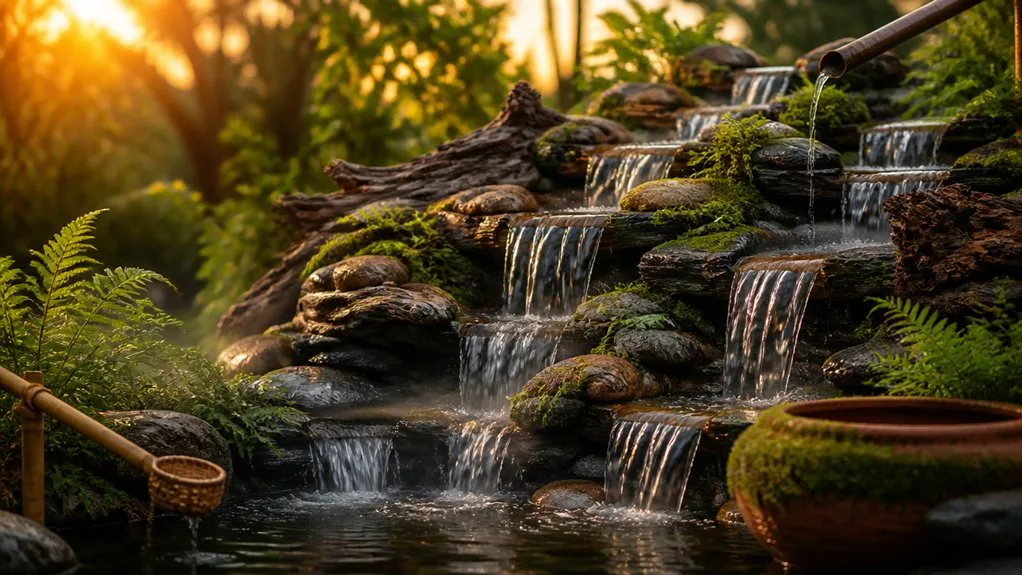
A bistro set creates a dining spot, and for true tranquility, consider adding a compact water feature. The gentle sound of moving water immediately masks neighborhood noise, creating a peaceful retreat.
You don’t need a pond; a small, recirculating bowl fountain or a self-contained wall unit works perfectly. Tuck it into a corner or use it as a focal point on a patio table.
Place it where you can enjoy the sight and sound from your seating area. It’s a surprisingly simple project—many kits include everything you need. Just plug it into a protected outdoor outlet.
This single addition transforms your space, inviting relaxation and bringing a dynamic, natural element to your tiny garden oasis.
Place a Small Fire Pit for Evenings
Often, the coziest evenings are spent gathered around a small fire pit in your own backyard. You can easily incorporate one into a tiny space. Opt for a compact, portable steel bowl or a simple, sunken gravel-lined pit. This focal point instantly transforms your garden into a welcoming retreat.
You’ll extend your outdoor enjoyment into the cooler hours, creating a perfect spot for conversation or quiet reflection. Always prioritize safety: choose a propane model for simplicity or ensure a wood-burning pit is placed well away from structures. Surround it with a few durable, low benches or stools. The gentle light and warmth make even the smallest patio feel inviting, turning your garden into a cherished evening destination.
Use Mirrors to Expand Your Space
While mirrors are traditionally an indoor feature, strategically placing one outdoors can visually double the feel of your small garden.
A well-positioned mirror reflects light and greenery, creating an instant illusion of depth and making your cozy space feel wonderfully expansive.
It’s a simple trick with dramatic results.
To get the most from your garden mirror, follow these key tips:
- Choose a weatherproof frame to ensure your mirror withstands the elements and remains a lasting feature.
- Position it to reflect a beautiful view, like a lush plant or a decorative pot, rather than a blank fence or wall.
- Secure it firmly and safely to a solid surface, angling it slightly downward to avoid reflecting bright sunlight directly.
This clever addition turns limitation into inspiration, making your garden a brighter, more magical retreat.
Install a Bold Sculpture As a Focal Point
Let bold art or a striking sculpture become the undeniable star of your tiny garden, instantly commanding attention and anchoring the entire space.
You don’t need a large yard to make a big statement. Choose one piece that reflects your style—a sleek metal form, a weathered stone figure, or a vibrant ceramic piece.
Place it where sightlines naturally converge, perhaps at the end of a path or nestled among greenery. This focal point draws the eye, giving your compact area a sense of purpose and depth.
It becomes a conversation starter and a personal touch that defines the garden’s character. Your small space will feel curated and complete, proving that impact isn’t about size but about bold, intentional choices.
Drape Outdoor String Lights Overhead
To extend your garden’s character from a bold sculpture to its evening atmosphere, consider draping outdoor string lights overhead. You’ll transform your space instantly, creating a cozy canopy that beckons you outdoors after sunset. It’s a simple trick with maximum impact.
Use weatherproof bulbs and secure them to stable hooks or posts. Don’t just string them straight; crisscross them loosely for a fuller, more enchanting glow that makes your tiny garden feel expansive and magical.
- Choose warm white or soft gold bulbs to cast a welcoming, gentle light.
- Drape lights from high anchor points like trees or fences to cover more area.
- Layer lighting by combining overhead strings with ground-level lanterns for depth.
Weave in Magical Fairy Lights
Often, you can amplify the enchantment by weaving magical fairy lights into your garden’s existing framework. Start by selecting waterproof, outdoor-rated lights; warm white or soft gold tones often create the coziest glow.
Don’t just string them in straight lines—tuck them into planter boxes, wrap them around a trellis, or drape them through the branches of a small tree. You can even coil them in a glass jar for a portable, glowing centerpiece.
These tiny bulbs add a layer of sparkling depth that makes your space feel larger and infinitely more inviting after dusk. They’re simple to install but transform your garden into a nightly retreat. You’ll instantly create a setting that feels both whimsical and wonderfully serene.
Lay Artificial Turf for Easy Greenery
Roll out artificial turf for an instant carpet of green that’s lush year-round and demands almost no upkeep.
You’ll trade constant mowing and watering for a pristine lawn that’s always ready for picnics or play.
It’s the ultimate low-effort foundation, freeing your time for enjoying the space rather than tending it.
Modern options look convincingly natural and feel soft underfoot, making them perfect for small patios or awkward corners where real grass struggles.
- Pick a Premium Pile: Select a turf with varied blade colors and thatch for the most realistic, lush appearance.
- Prepare the Base Properly: Ensure you level the ground and install a weed barrier for a smooth, long-lasting finish.
- Add Personal Touches: Frame your turf with potted plants or border stones to seamlessly blend it into your garden design.
Choose the Right Soil and Plant Food
Nourish your garden’s foundation by selecting soil and plant food tailored to your chosen plants. Research their specific needs; succulents thrive in fast-draining, sandy mixes while vegetables demand rich, moisture-retentive compost.
You can often find pre-mixed bags labeled for your plant type, which simplifies the process. For feeding, choose a balanced, all-purpose fertilizer to start. Apply it according to package instructions—overfeeding can harm roots more than underfeeding.
Consider incorporating slow-release granules into the soil at planting time for steady nourishment. Remember, healthy soil teeming with organic matter supports robust growth naturally, so don’t overlook adding compost.
This thoughtful groundwork empowers your tiny garden to flourish vibrantly and sustainably.
Prune and Water for Lasting Beauty
With your garden’s foundation set, maintaining its beauty relies on consistent pruning and watering. Prune strategically to encourage new growth and maintain your desired shape, removing dead leaves and spent blooms.
Water wisely by checking soil moisture before irrigating; deep, less-frequent watering promotes stronger roots. This dedicated care transforms a collection of plants into a living, flourishing masterpiece.
- Prune with Purpose: Snip just above a leaf node to direct energy to new buds, keeping plants compact and vibrant.
- Water Deeply: Soak the soil thoroughly until water runs from the drainage holes, then let it dry slightly between sessions for robust root health.
- Observe and Adapt: Your plants will tell you what they need. Drooping leaves often call for water, while yellowing might signal overwatering.
Frequently Asked Questions
How Much Maintenance Do Tiny Gardens Require?
They’re surprisingly manageable. If you choose low-maintenance plants and incorporate mulch or self-watering containers, you’ll likely spend just a few minutes a week to keep your beautiful oasis thriving effortlessly.
Can I Start a Tiny Garden With No Gardening Experience?
You absolutely can! Start small with a pot or two. Choose easy plants like herbs or succulents. You’ll learn as you grow, and the process is rewarding. Simple mistakes aren’t failures, they’re lessons.
What Are the Best Tiny Garden Ideas for Rental Properties?
Focus on containers, pots, and vertical wall planters. You can move them easily and won’t damage the property. Choose vibrant, hardy herbs, lettuces, or flowers for quick, rewarding results you’ll enjoy.
How Do I Keep Pests Away From a Small Garden?
Use companion planting. Marigolds deter nematodes, basil repels flies. You can mix mild soap and water in a spray bottle for direct pest control. Regularly check leaves, handpick larger insects when you see them.
Will a Tiny Backyard Garden Increase My Property Value?
Yes, it can. A well-designed, low-maintenance garden creates curb appeal. You’ll add functional outdoor space that buyers desire. Just ensure your design complements your home and avoid overly personal or high-upkeep features.
Conclusion
You’ve got the power to transform your limited square footage into a stunning sanctuary. Just remember to prioritize vertical growth, choose the right compact plants, and add those special personal touches for character. With smart soil and consistent care, your tiny backyard will flourish into a beautiful, functional retreat that feels uniquely yours. Now, go enjoy your new outdoor oasis.
The Only Tools You Need for a Thriving Garden 🌱
Whether you're a weekend gardener or growing daily — these hand-picked tools make every session faster, easier, and more satisfying.