
You can grow twelve effective mosquito-repelling plants in containers, including basil, mint, rosemary, thyme, lavender, geraniums, citronella grass, lemongrass, marigolds, sage, and catnip. Each plant contains volatile compounds like linalool, menthol, eucalyptol, and thymol that naturally deter insects. You’ll need well-draining soil, six to eight hours of direct sunlight, and consistent moisture. Most varieties require minimal maintenance once established. Understanding each plant’s specific repellent properties and care techniques will maximize your mosquito protection.
Key Takeaways
- Mosquito-repelling plants like basil, mint, rosemary, and lavender thrive in containers with well-draining soil and six to eight hours of direct sunlight daily.
- Container cultivation maximizes pest-control benefits while allowing indoor cultivation during cooler months for year-round mosquito deterrence.
- High-maintenance plants like citronella grass and lemongrass require adequate spacing, consistent moisture, and regular harvesting to intensify their repellent oils.
- Low-maintenance options including thyme, sage, marigolds, and geraniums tolerate drought conditions and require minimal intervention once established.
- Regular harvesting and crushing leaves releases mosquito-repelling compounds like linalool, menthol, thymol, and pyrethrin, enhancing their natural deterrent effectiveness.
Container Setup: Soil, Light, and Watering Requirements
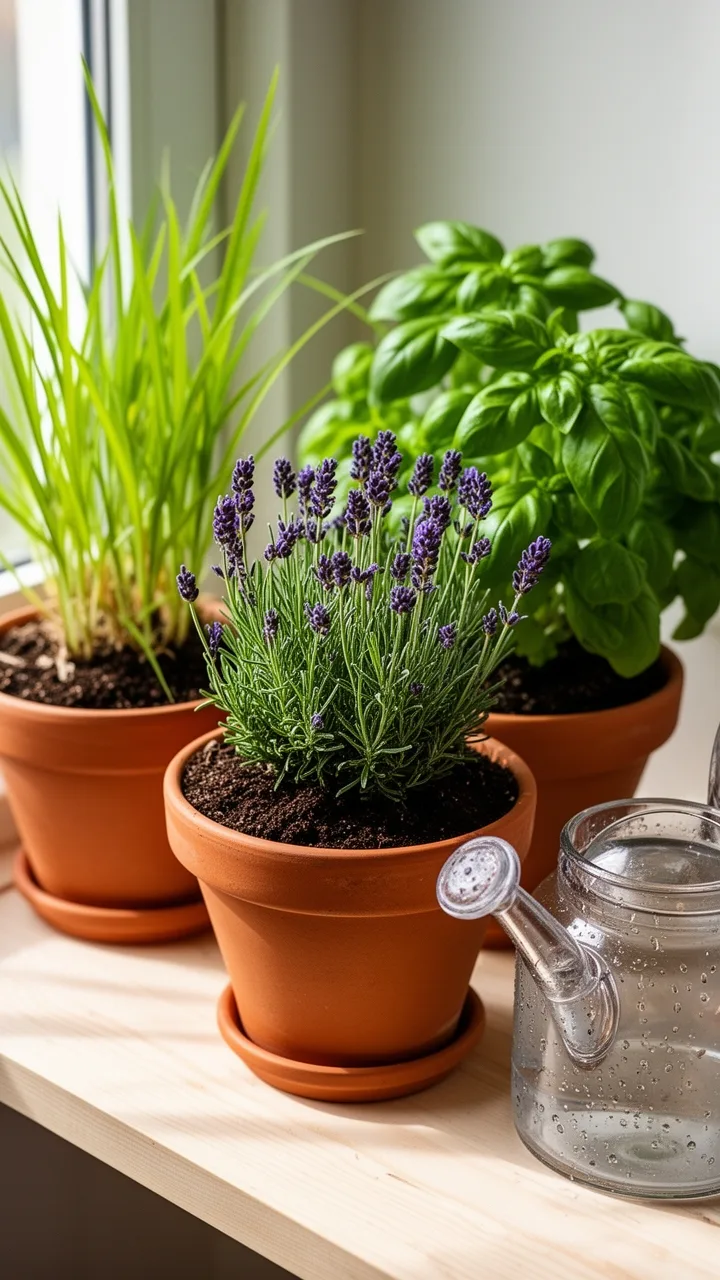
To get your mosquito-repelling plants thriving, you’ll need to set up proper containers with well-draining soil, ideally a mix of peat moss, perlite, and compost that prevents waterlogging while retaining adequate moisture. Position containers in locations receiving six to eight hours of direct sunlight daily, as most mosquito-repelling plants require robust light exposure. Water consistently, keeping soil moist but not saturated—check moisture levels by inserting your finger one inch deep. Adjust watering frequency based on climate, season, and container size. Use drainage holes to prevent root rot, and consider adding mulch to regulate moisture retention and temperature stability.
Basil: The Aromatic Mosquito Blocker
Because basil produces potent volatile oils that mosquitoes find repellent, it’s one of the most effective plants you can cultivate in your container garden. You’ll benefit from these key advantages:
- Linalool and eugenol compounds actively repel mosquitoes through airborne dispersal
- Dual functionality provides culinary herbs while deterring insects
- Quick growth cycles yield harvestable leaves within 3-4 weeks
- Low maintenance requirements demand minimal intervention
Plant basil in 8-10 inch containers with well-draining soil. Position it in direct sunlight for 6-8 hours daily. Water consistently, keeping soil moist but not waterlogged. Pinch flowering tips regularly to maximize oil production and encourage bushier growth, enhancing your mosquito defense strategy.
Mint: Aggressive Grower With Strong Repellent Power
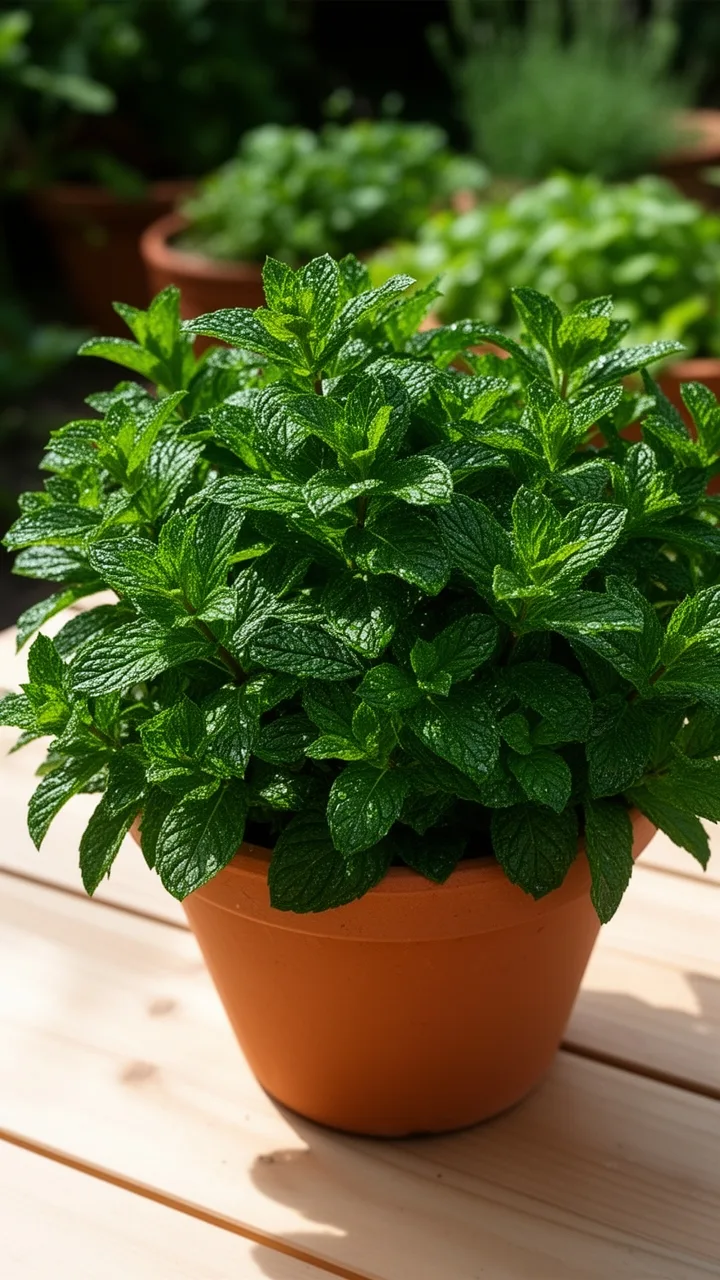
While basil offers excellent mosquito protection through its aromatic compounds, mint delivers even more aggressive repellent action with considerably less effort. You’ll find mint thrives in containers with minimal care, producing volatile oils that effectively deter mosquitoes. The plant’s menthol content creates an inhospitable environment for insects seeking hosts. You should contain mint in dedicated pots since it spreads aggressively and can overtake other plants. Place containers near seating areas where you want protection. Harvest leaves regularly to encourage bushier growth and maximize oil production. You can dry or crush leaves to intensify the repellent effect, making mint an exceptionally practical mosquito control solution.
Rosemary: Hardy Herb With Powerful Repellent Properties
Rosemary stands out as one of the hardiest mosquito-repelling plants you can cultivate, thriving in poor soil conditions where other herbs struggle. You’ll appreciate its low-maintenance nature and potent repellent qualities.
- Contains eucalyptol and camphor compounds that effectively deter mosquitoes
- Requires minimal watering and tolerates drought conditions well
- Produces fragrant foliage year-round in most climates
- Grows vigorously in containers with well-draining soil
Position your rosemary plant near seating areas to maximize protection. You can also dry sprigs for indoor use or burn them as incense, creating additional mosquito barriers around your space.
Thyme: Low-Growing Herb for Compact Spaces
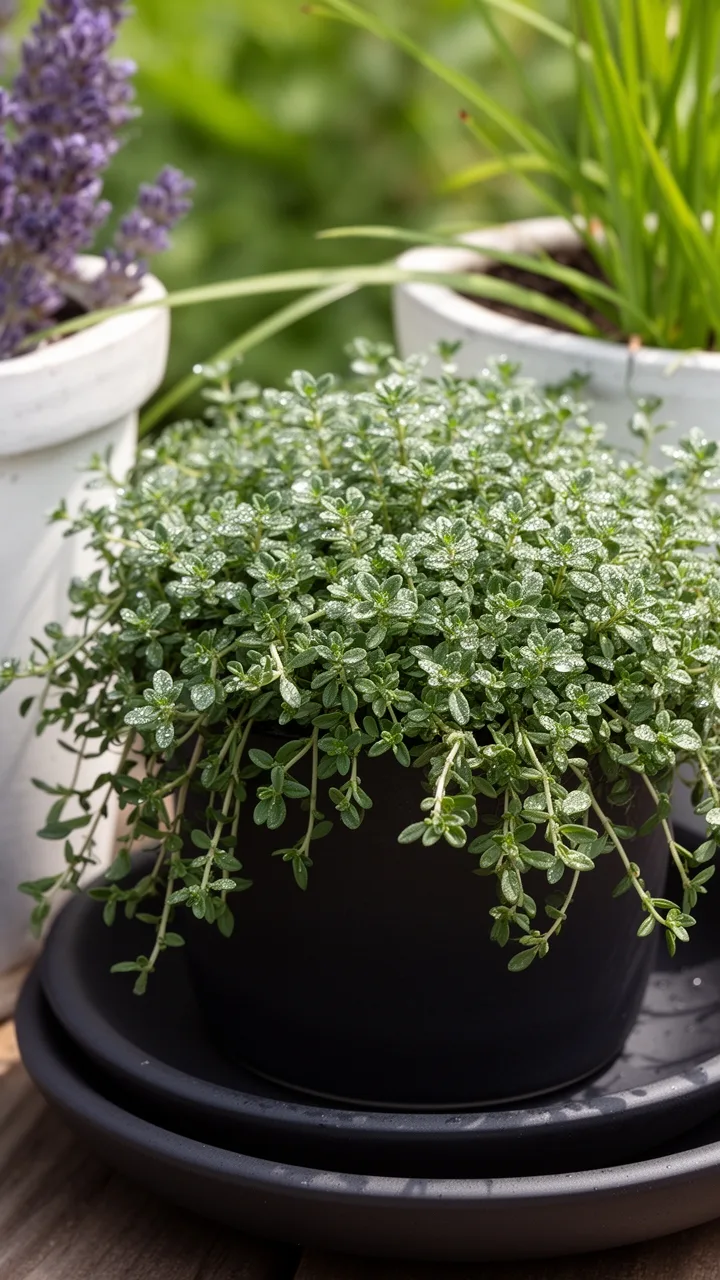
Thyme offers a compact alternative to larger herbs, making it ideal for balcony gardens, patios, and tight growing spaces where you’re working with limited room. You’ll appreciate its low-growing, spreading habit that doesn’t demand much vertical space. The plant thrives in well-draining soil and full sunlight, requiring minimal maintenance once established. You can harvest leaves regularly to encourage bushier growth. Thyme contains thymol, a potent compound that repels mosquitoes effectively. Plant it in shallow containers, and you’ll enjoy both ornamental appeal and practical pest control. Its aromatic foliage doubles as a culinary ingredient.
Sage: Ornamental and Practical Mosquito Defense
Because sage grows as a hardy, multi-purpose shrub, it delivers both aesthetic value and effective mosquito control in your garden. You’ll appreciate sage’s practical benefits:
- Aromatic oils repel mosquitoes effectively through natural compounds
- Evergreen foliage maintains year-round visual interest in containers
- Low maintenance requirements demand minimal watering and pruning
- Culinary applications let you harvest leaves for cooking
Plant sage in well-draining soil with six hours of direct sunlight daily. Container cultivation works excellently since you can position plants strategically around seating areas. Prune regularly to encourage bushier growth and maximize mosquito-repelling potency while enhancing ornamental appeal.
Lavender: Fragrant Flowers That Keep Bugs Away
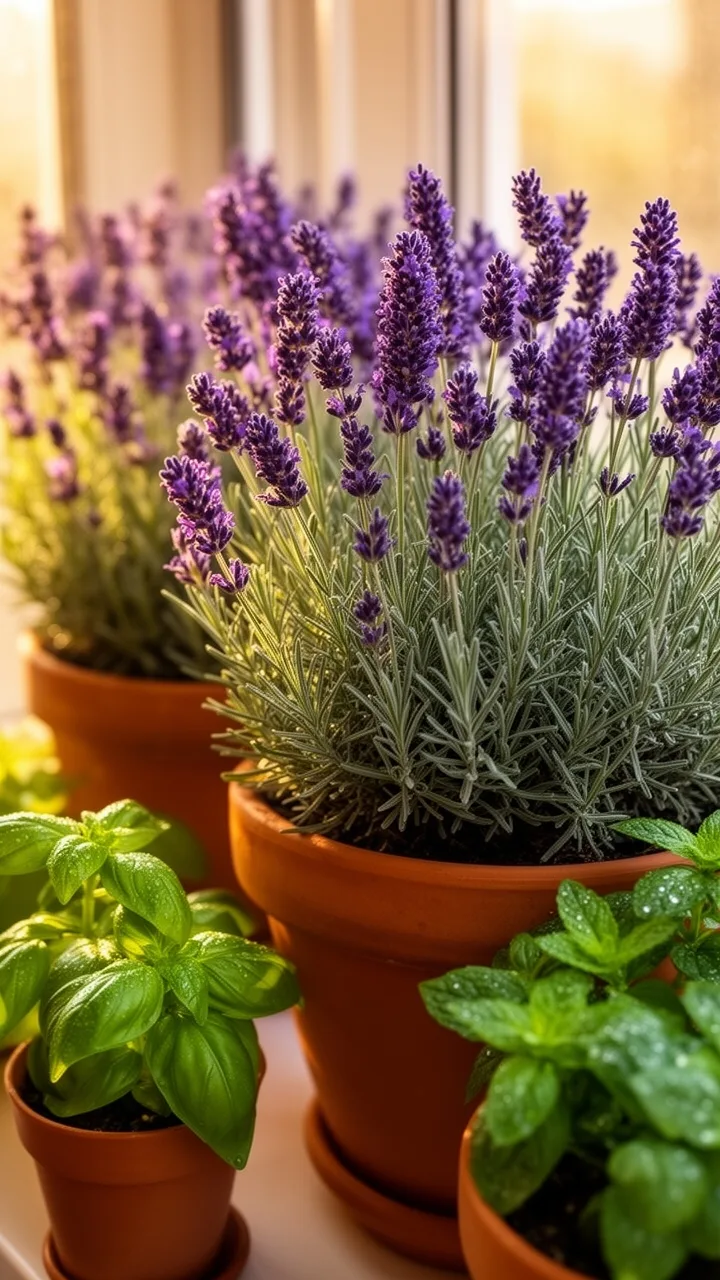
Lavender’s distinctive fragrance and delicate purple flowers make it a dual-purpose addition to your garden that repels mosquitoes while providing ornamental beauty. You’ll find that lavender thrives in well-draining soil and full sunlight, making it ideal for container gardening. The plant’s essential oils, particularly linalool and linalyl acetate, effectively deter mosquitoes and other insects. You should water moderately and avoid overwatering, which causes root rot. Lavender blooms from late spring through summer, offering continuous mosquito protection. You can harvest dried flowers for indoor use or extract oils for additional applications. This hardy perennial requires minimal maintenance once established.
Marigolds: Bright Blooms That Deter Mosquitoes
While marigolds lack lavender’s fragrant appeal, they’re exceptionally effective at repelling mosquitoes through their potent natural compounds. You’ll benefit from growing these vibrant flowers in containers by your patio or entryway. Here’s why marigolds work:
- Pyrethrin content naturally repels insects and mosquitoes
- Thiophenes in roots deter soil-dwelling pests
- Low maintenance requirements make them ideal for beginners
- Blooms continuously throughout warm seasons
You can plant marigolds in standard potting soil with adequate drainage. Position containers where you spend most time outdoors. Replace plants annually for optimal repellent potency. Their bright orange and yellow blooms simultaneously enhance your outdoor space while creating a mosquito-free zone.
Geraniums: Colorful Container Plants Mosquitoes Avoid
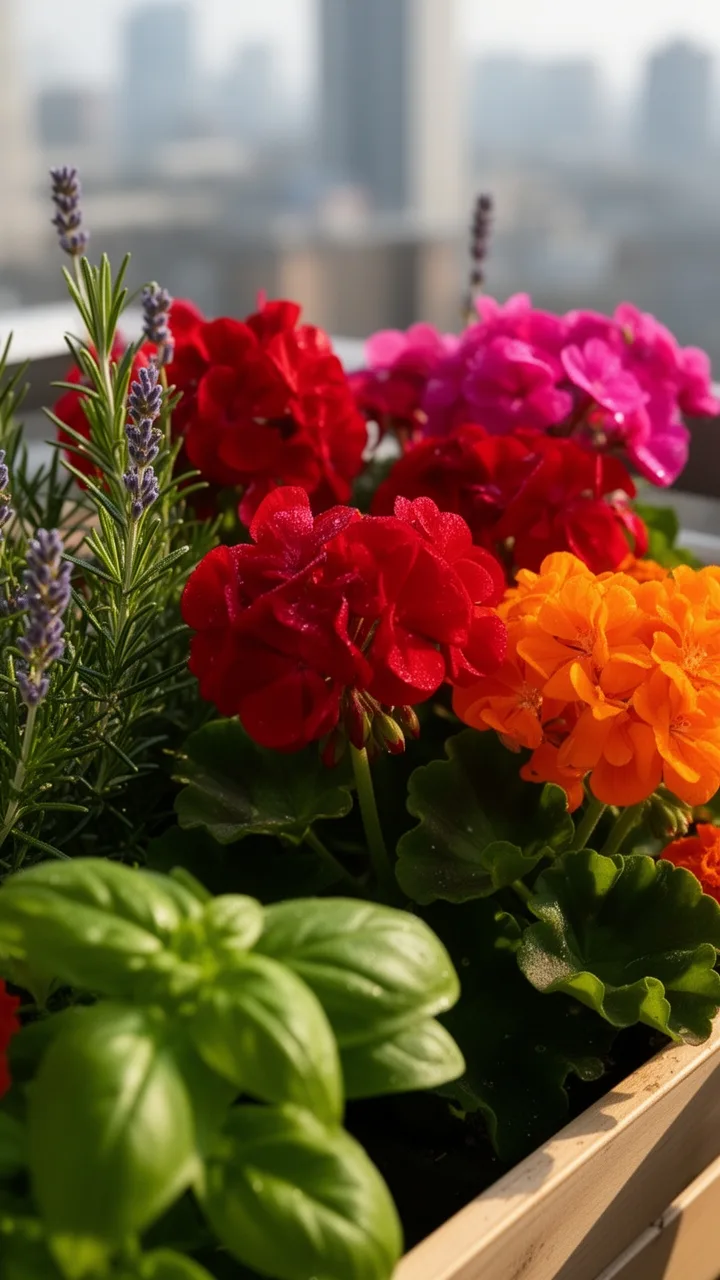
Geraniums offer another powerful option for mosquito control, delivering both aesthetic appeal and practical pest management in container gardens. You’ll find that geraniums contain natural compounds—primarily geraniol—that repel mosquitoes effectively. They thrive in containers with well-draining soil and six hours of sunlight daily. You can propagate them easily from cuttings, making them economical for larger setups. Deadhead spent flowers to encourage continuous blooming and maximize their repellent properties. Geraniums also attract beneficial pollinators while deterring unwanted insects, creating a balanced ecosystem. You’ll appreciate their low-maintenance nature and vibrant color options throughout the growing season.
Citronella Grass: The Go-To Mosquito Plant
When you’re seeking a powerful natural mosquito deterrent, citronella grass stands out as one of the most effective options available. This perennial plant releases a distinctive lemon-like oil that repels mosquitoes through its strong aromatic compounds.
Here’s what you’ll appreciate about citronella grass:
- It thrives in full sunlight with minimal maintenance requirements
- The plant grows rapidly, reaching 3-4 feet tall in containers
- You’ll crush leaves to intensify the mosquito-repelling scent
- It prefers well-draining soil and regular watering during growing season
Plant citronella grass in large containers near seating areas for optimal protection. Its effectiveness increases as the plant matures and produces more aromatic oils.
Lemongrass: Tropical Flavor and Bug Protection
Lemongrass offers you another aromatic powerhouse for mosquito control, delivering both culinary benefits and natural pest deterrence. You’ll cultivate this tropical perennial in containers with well-draining soil and full sunlight exposure. The plant thrives in warm climates but tolerates indoor cultivation during cooler months. You can harvest leaves regularly for tea, cooking, and aromatherapy while simultaneously releasing mosquito-repelling oils into your environment. Lemongrass reaches 3-4 feet tall, requiring adequate spacing and consistent moisture. You’ll find it’s relatively low-maintenance once established. Division propagates new plants efficiently, expanding your mosquito defense network throughout your container garden.
Catnip: More Than Just for Cats
While most people associate catnip with feline entertainment, you’ll discover this perennial herb (Nepeta cataria) delivers remarkable mosquito-repelling properties through its natural volatile oils, particularly nepetalactone. You can easily cultivate catnip in containers, maximizing its pest-control benefits for your outdoor spaces.
- Plant catnip in well-draining soil and position containers in full sunlight for optimal oil production
- Harvest leaves regularly to encourage bushier growth and increase volatile oil concentration
- Dry harvested leaves to intensify repellent potency against mosquitoes and other insects
- Replace plants every two to three years as oil effectiveness naturally diminishes
Catnip thrives in containers, providing dual functionality for your garden.
Conclusion
You’ve planted your green fortress—each container a sentinel standing guard against summer’s bloodsuckers. These herbs aren’t just decorative shields; they’re your natural armor. As mosquitoes retreat from basil’s invisible wall and mint’s aggressive defense line, you’re reclaiming your outdoor space. Your container garden transforms into a living barrier, where every leaf whispers resistance. You’ve built protection that grows, thrives, and evolves with the seasons.
The Only Tools You Need for a Thriving Garden 🌱
Whether you're a weekend gardener or growing daily — these hand-picked tools make every session faster, easier, and more satisfying.