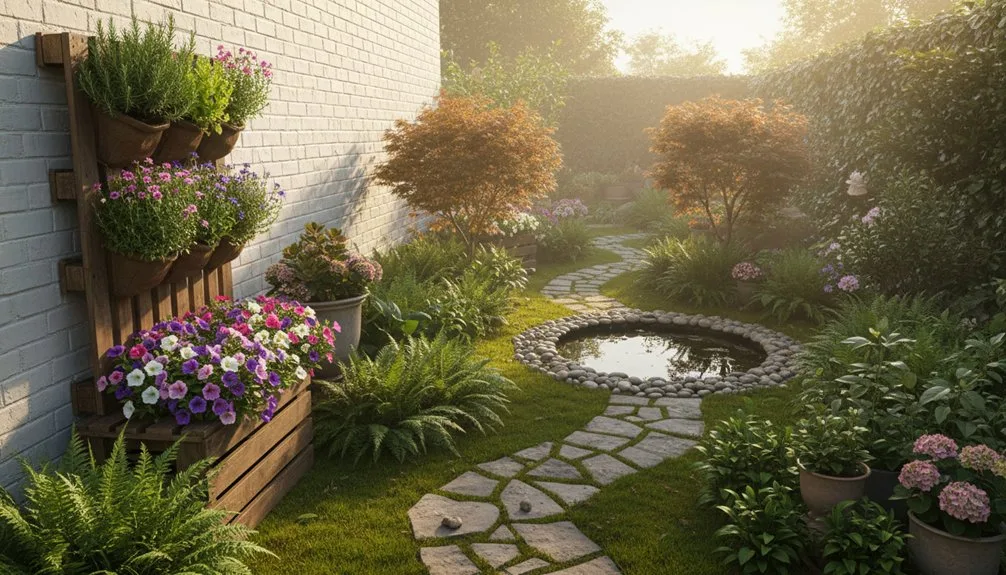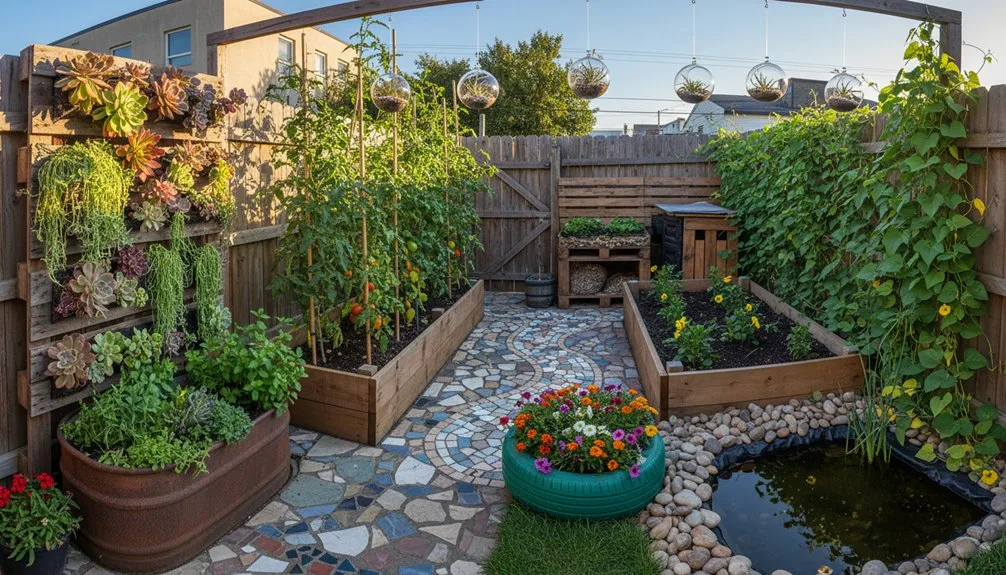
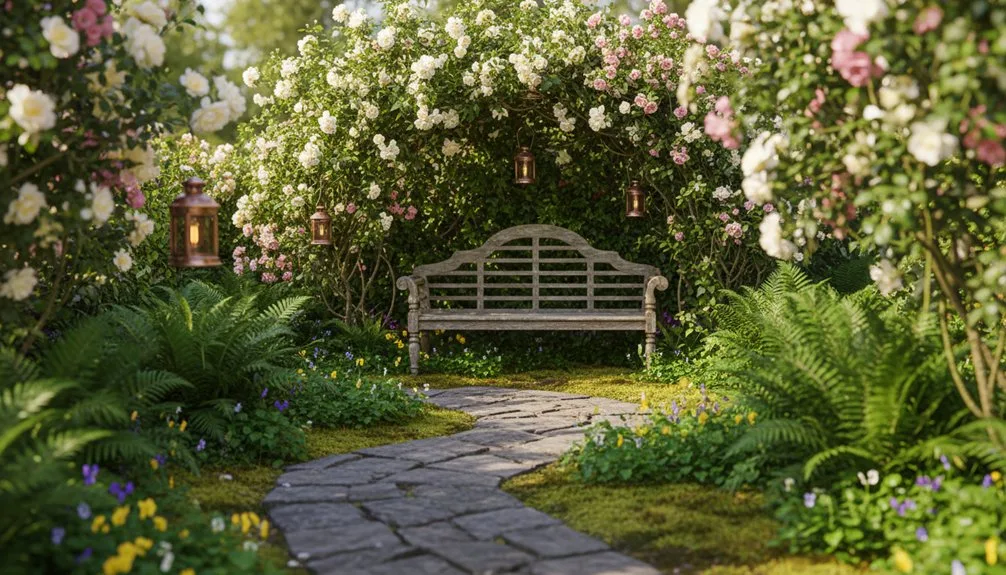
You’ll transform your cramped backyard into an intimate secret garden by layering vegetation at varying heights, compartmentalizing space with hedges and flowerbeds, and installing pathways that guide discovery. Paint fences light colors to expand sightlines visually. Use wall planters with drip irrigation for low-maintenance coverage, and position arbors at transition points to mark thresholds. Incorporate shade-tolerant species like foxglove and astilbe for drama. Add L-shaped seating in corners, and anchor focal points with compact water features or lighting. The strategic interplay of these elements reveals deeper possibilities for atmospheric refinement.
Key Takeaways
- Divide your space into compartments using hedges, flowerbeds, and arbors to create mystery and hidden zones.
- Layer plants at varying heights—tall foxgloves at edges, shorter astilbe and hellebores toward center—for visual depth.
- Install gravel or stepping-stone pathways spaced 6-8 inches apart to guide discovery through garden compartments.
- Add wall planters with drip irrigation and light-colored paint to fences for lush vertical coverage and expansion.
- Create intimate seating retreats using L-shaped furniture, potted plant screens, and solar string lights for ambiance.
Transform a Forgotten Space: Start Where You Are
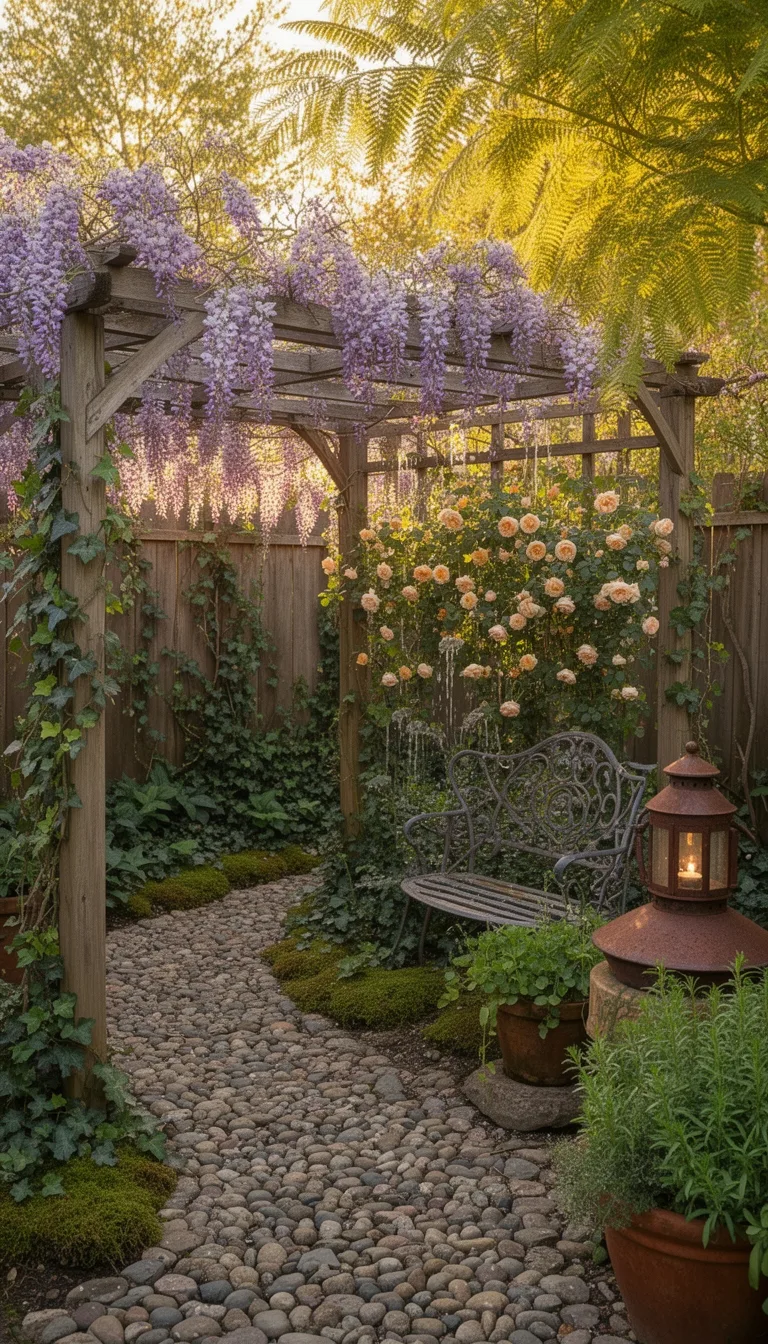
How can you reclaim an overlooked corner of your backyard without major renovations or expense?
Start by assessing your forgotten space’s existing conditions—sunlight patterns, soil quality, and structural elements like fences or walls.
These features become your foundation for transformation.
Vertical solutions maximize your limited footprint.
Mount wall planters with drip irrigation systems to reduce maintenance while creating lush coverage.
Mobile planters on wheels let you follow optimal sunlight throughout the day.
Next, optimize hardscape materials strategically.
Mixed concrete and pea gravel create modern aesthetics affordably.
Raised beds and containers eliminate expensive installation while covering bare patches effectively.
Finally, apply light-colored paint to fences and walls.
This simple technique visually expands cramped areas, preparing your forgotten space for the secret garden you’ll cultivate.
Create Mystery Through Seclusion: Layout Techniques That Work
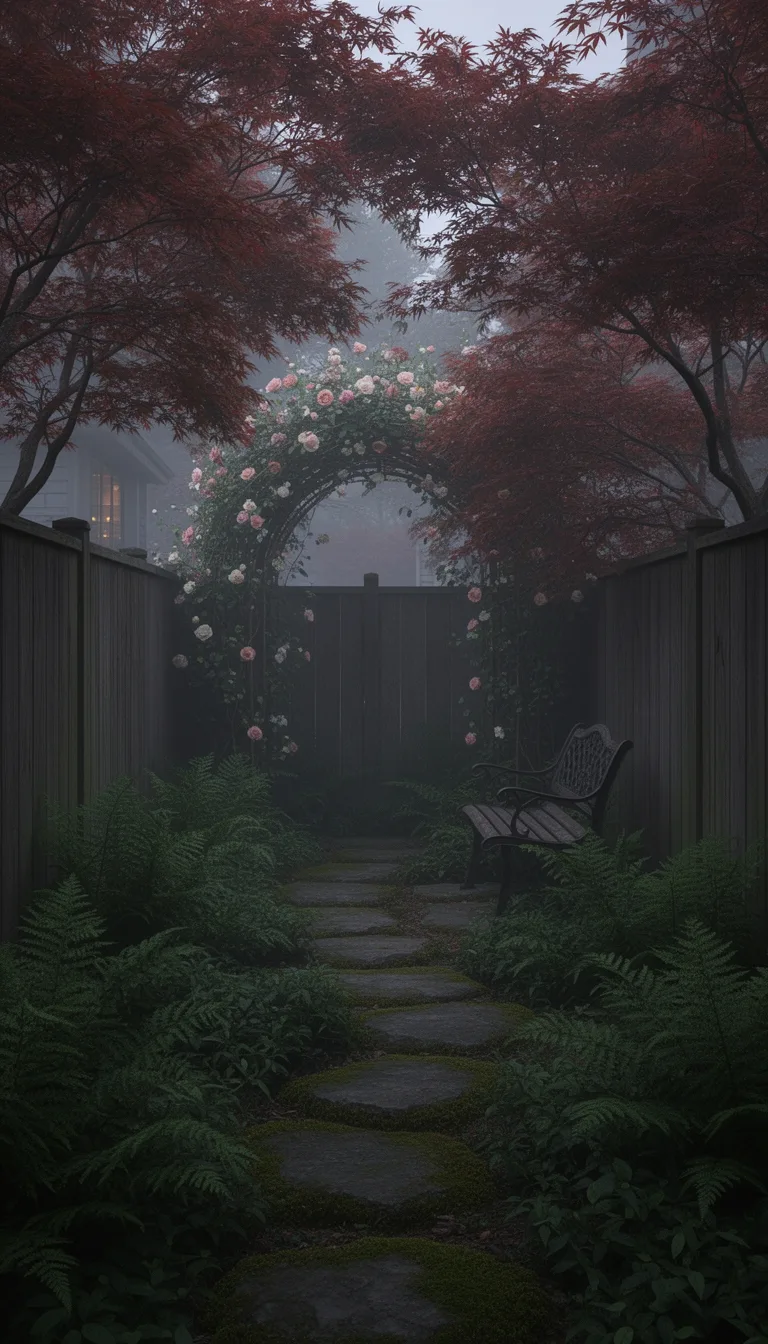
Now that you’ve reclaimed your space with strategic hardscaping and vertical solutions, you’ll shape that foundation into a true secret garden by strategically concealing and revealing different areas. Divide your layout using flowerbeds, hedges, and layered vegetation at varying heights to obstruct sightlines and create visual intrigue. Position overhead structures like arbors at transition points to mark thresholds and invite exploration. Ground distinct zones with retaining walls, pavers, or pea stone fills that establish boundaries independent from surrounding yard space. This compartmentalized approach makes compact areas feel expansive while maintaining the mystery essential to secret gardens.
| Technique | Effect |
|---|---|
| Flowerbeds and hedges | Break sightlines naturally |
| Layered vegetation | Create depth and obscure views |
| Arbor placement | Define entry points |
| Retaining walls | Establish independent zones |
| Paver installations | Delineate garden perimeters |
Build the Journey: Pathways That Guide Deeper
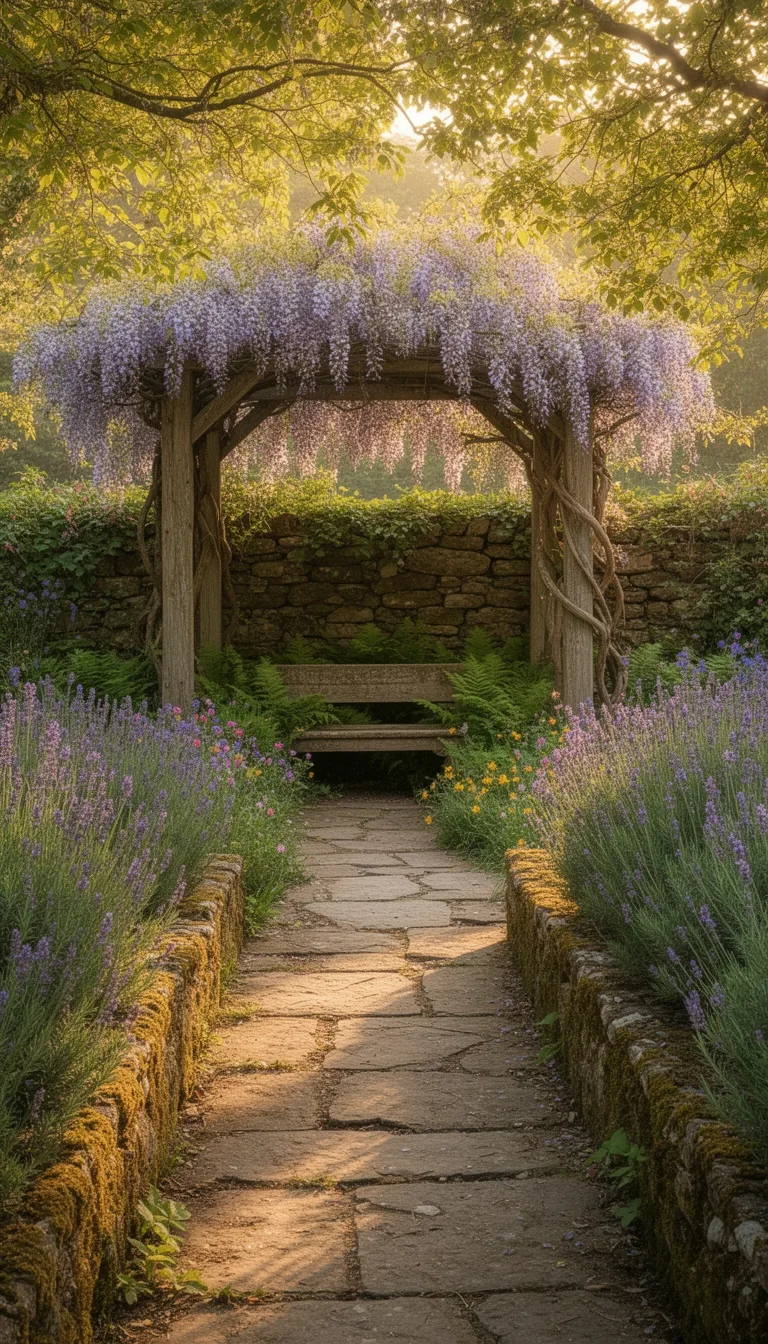
What transforms a fragmented backyard into a cohesive secret garden? Thoughtfully designed pathways that create compelling visual flow and encourage exploration.
You’ll want to consider three strategic approaches:
- Gravel pathways offer porous drainage and audible security alerts through their distinctive crunch, with minimal installation costs and flexible color options
- Stepping stones and pavers spaced 6-8 inches apart provide quick installation and elegant visual patterns, particularly effective with diamond layouts
- Mulch pathways deliver inexpensive coverage using wood chips or cypress bark, ideal for informal wooded areas and requiring just a 3-inch layer
Each pathway type guides visitors deeper into your garden while serving practical functions.
Combine materials strategically—pair flagstone with natural rock borders, or layer stepping stones with surrounding plantings.
This layered approach creates mystery while maintaining accessibility, transforming your compact space into an inviting journey of discovery.
Go Vertical: Walls, Fences, and Climbing Plants
Why let your secret garden sprawl horizontally when you can reclaim precious square footage by building upward? You’ll transform walls and fences into productive growing zones by installing trellises, wall planters, and climbing structures.
Metal conduit arches support heavy tomatoes, while cattle panels bent into shapes work perfectly for beans and squash. Mount felt pockets or fabric hanging gardens directly onto fencing for compact herbs and greens.
Repurposed wooden pallets secured with small planters offer customizable vertical space in tight quarters.
Train pole beans, cucumbers, and vining tomatoes up sturdy support systems. Stagger gutters at different heights for cascading trailing plants like strawberries and petunias.
Remember that vertical gardens dry faster—install drip irrigation and use lightweight potting mixes for optimal drainage and nutrient retention.
Plant for Drama: Shade-Tolerant Species That Provide Depth
Just because your secret garden sits beneath tree canopies or along north-facing walls doesn’t mean you’ll sacrifice visual impact.
You’ll discover shade-tolerant perennials that deliver dramatic structure and color depth:
- Foxglove reaches 2-6 feet tall, creating vertical emphasis with bell-shaped spires that punctuate woodland settings
- Astilbe produces showy summer plumes in pink, red, white, and violet above delicate ferny foliage, flourishing in partial shade
- Hellebore offers evergreen structure and winter-to-spring blooms, providing consistent architectural presence year-round
Layer these perennials strategically.
Position taller specimens like foxglove toward garden boundaries, then graduate heights forward with coral bells and bleeding heart.
This tiered approach maximizes depth perception in confined spaces.
Select varieties with contrasting foliage—deep burgundy coral bells against silver-green hellebore creates sophisticated texture.
Rich, moist soil supports optimal growth throughout zones 3-9.
Design a Cozy Retreat: Seating and Hidden Corners
How do you transform a cramped outdoor space into an intimate sanctuary?
Strategic furniture placement and layered textures create functional comfort zones.
Choose L-shaped seating configurations or bistro sets that maximize corners without consuming floor space.
Incorporate foldable chairs and extendable tables for flexibility.
Layer weather-resistant cushions and throw blankets to enhance coziness while maintaining durability.
Establish privacy through natural borders—position potted plants or small shrubs along perimeter edges.
Install outdoor curtains or screens to delineate retreat zones.
Add vertical greenery using wall-mounted trellises to conserve ground-level space.
Illuminate your retreat with string lights overhead or solar lanterns mounted strategically.
Consider a tabletop fire bowl as both focal point and warming element.
These elements combined—compact furnishings, textured accessories, natural screening, and ambient lighting—transform limited square footage into an inviting, secluded gathering space.
Choose a Focal Point: Water Features, Fire, or Stone
Your intimate retreat needs a visual anchor—a feature that draws the eye and anchors the entire space.
Water features excel in compact gardens by combining aesthetics with minimal maintenance demands.
Consider these focal point options:
- Wall-mounted fountains utilize vertical space without consuming ground area, delivering cascading water effects through recirculating systems that require only occasional top-offs
- Pondless waterfalls provide auditory appeal with underground reservoirs, ideal for tight spaces where traditional ponds prove impractical
- Container water gardens offer portable customization, accommodating aquatic plants like water lilies within three-foot-diameter spaces on patios or corners
Water features consume significantly less water than lawn irrigation, and municipal drought restrictions typically exempt hand-watering for garden features.
Modern designs reduce ongoing maintenance while delivering substantial visual and sensory impact in your secret garden sanctuary.
Finish Strong: Lighting, Wildlife, and Atmospheric Details
What transforms a daytime garden sanctuary into an enchanting nighttime retreat? Strategic lighting layers.
You’ll combine ambient, task, and accent fixtures to create versatile atmospheres.
Install low-voltage path lighting along walkways for safety, then uplights on trees and shrubs to expand perceived space visually.
Recessed in-ground lights subtly highlight plants and structures.
Position solar-powered lanterns in sunny spots to attract pollinators naturally.
Plant night-blooming flowers near soft lights to draw nocturnal wildlife like moths and bats.
Add water features with subtle LED strip lights to invite frogs and birds safely.
Drape string lights along pergolas and fences for whimsical charm.
Deploy app-controlled smart LEDs for adjustable brightness and color.
Place mason jar lanterns with solar LEDs for customizable romantic ambiance.
These elements transform your small backyard into a magical, living sanctuary.
Conclusion
You’ve transformed your cramped yard into a sanctuary—just like how a seed doesn’t need acres to flourish, only the right conditions. Studies show confined gardens actually boost creativity; you’re forced to maximize every inch. Your winding paths, layered plantings, and hidden corners create psychological depth that rivals sprawling estates. You’ve proven you don’t need space—you need intention. That’s your garden’s real magic.
The Only Tools You Need for a Thriving Garden 🌱
Whether you're a weekend gardener or growing daily — these hand-picked tools make every session faster, easier, and more satisfying.