
You’ll transform your backyard into a secluded sanctuary by mapping sunlight zones, then layering curved pathways around existing trees to reveal intimate garden rooms. Position privacy screens—lattice with climbing vines, tall native shrubs, and ornamental grasses—to guide exploration and soften sightlines. Choose low-maintenance perennials like Sedum and Baptisia that thrive in their designated light conditions while supporting pollinators and wildlife. Plant strategically to create dappled shade for seating areas beneath tree canopies. The deeper you venture into these layered design principles, the more enchanting possibilities emerge.
Key Takeaways
- Scout low-traffic zones with tree cover and sketch curved pathways to create hidden, intimate garden rooms that encourage exploration.
- Map sunlight at multiple times daily, then zone plants by exposure: full sun south-facing, shade-tolerant north-facing species.
- Layer privacy screens using 8-ft, 6-ft, and 4-ft plant heights with climbing vines and lattice for natural concealment.
- Select 50-70% native plants to attract wildlife, pollinators, and birds while establishing self-sustaining food chains.
- Position focal seating under vine-covered arbors with dappled shade, water features, and soft lighting for intimate retreat spaces.
Start With Your Secret Garden Vision

Before you break ground, you’ll want to scout your backyard for a secluded spot that’ll serve as your garden’s foundation.
Look for lesser-used areas away from primary activity zones—beneath tree cover, in sheltered corners, or near existing walls and fencing.
Choose locations hidden from home windows and main outdoor spaces, requiring genuine effort to discover.
Consider your site’s natural advantages: existing vegetation, slope, and sun exposure.
Envision how you’ll enclose the space with walls, barriers, and plants.
Map potential entrance points where curving pathways and arbors create magical transitions.
Sketch layered plantings—low ground covers, mid-height shrubs, towering trees—establishing your privacy framework.
Identify focal points for seating, water features, or fire pits.
This deliberate planning transforms your vision into a cohesive, functional retreat that rewards exploration and contemplation.
Map Sunlight Zones to Match Plant Needs
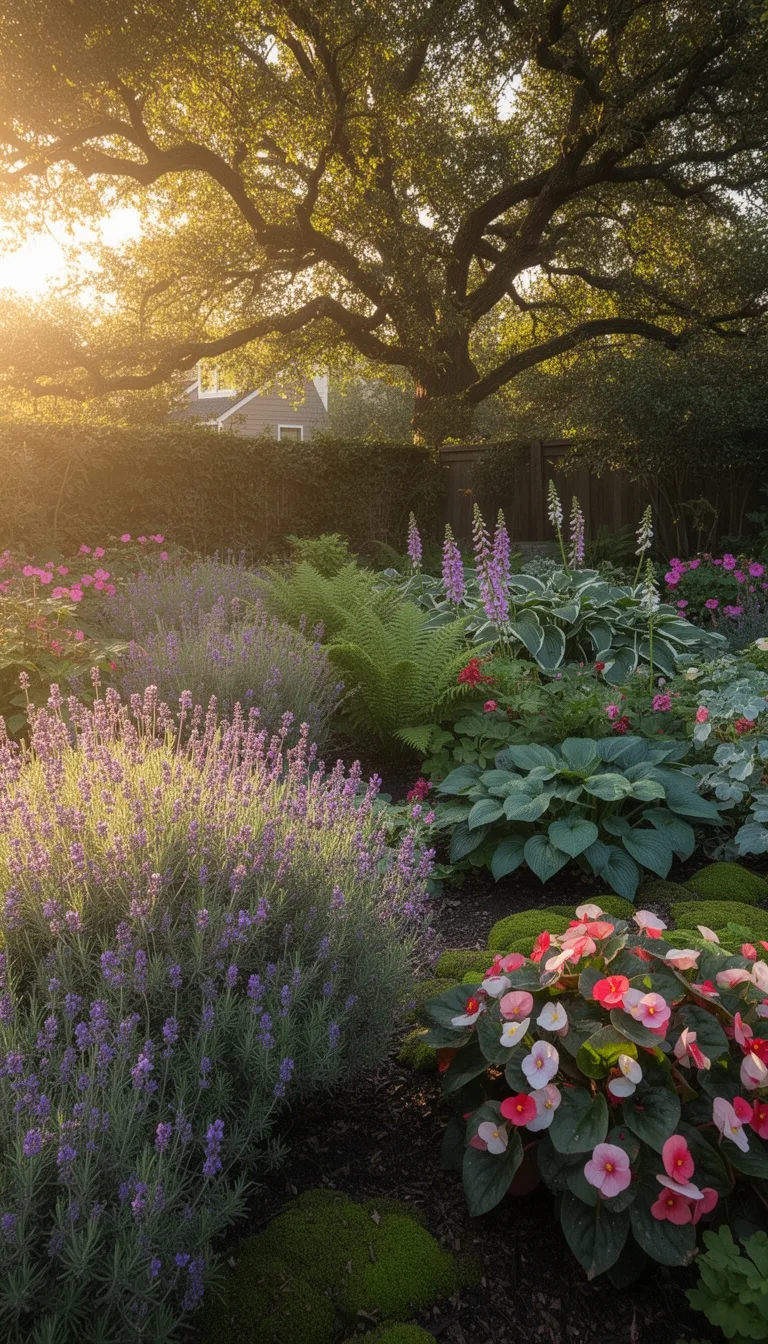
Now that you’ve envisioned your garden’s layout and positioned its key features, you’ll need to understand how sunlight actually moves across your space—because plants won’t thrive if you’ve placed them where light doesn’t reach.
Map your yard’s light patterns by tracking sunlight at four intervals: 9:00 AM, 12:00 PM, 3:00 PM, and 6:00 PM on a sunny day. Sketch your layout multiple times, marking direct sun with colored pens and shaded areas in gray.
- South-facing zones receive maximum exposure; reserve these for sun-loving plants
- East-facing areas offer gentle morning light ideal for sensitive species
- North-facing spots provide full shade suitable for shade-tolerant plants
- Photograph changes hourly to capture accurate light-shadow transitions
Layer your observations into one master map. Use this visual guide to match plants with their ideal light requirements, ensuring botanical success throughout your secret garden.
Hide Your Space With Privacy Screens and Layers
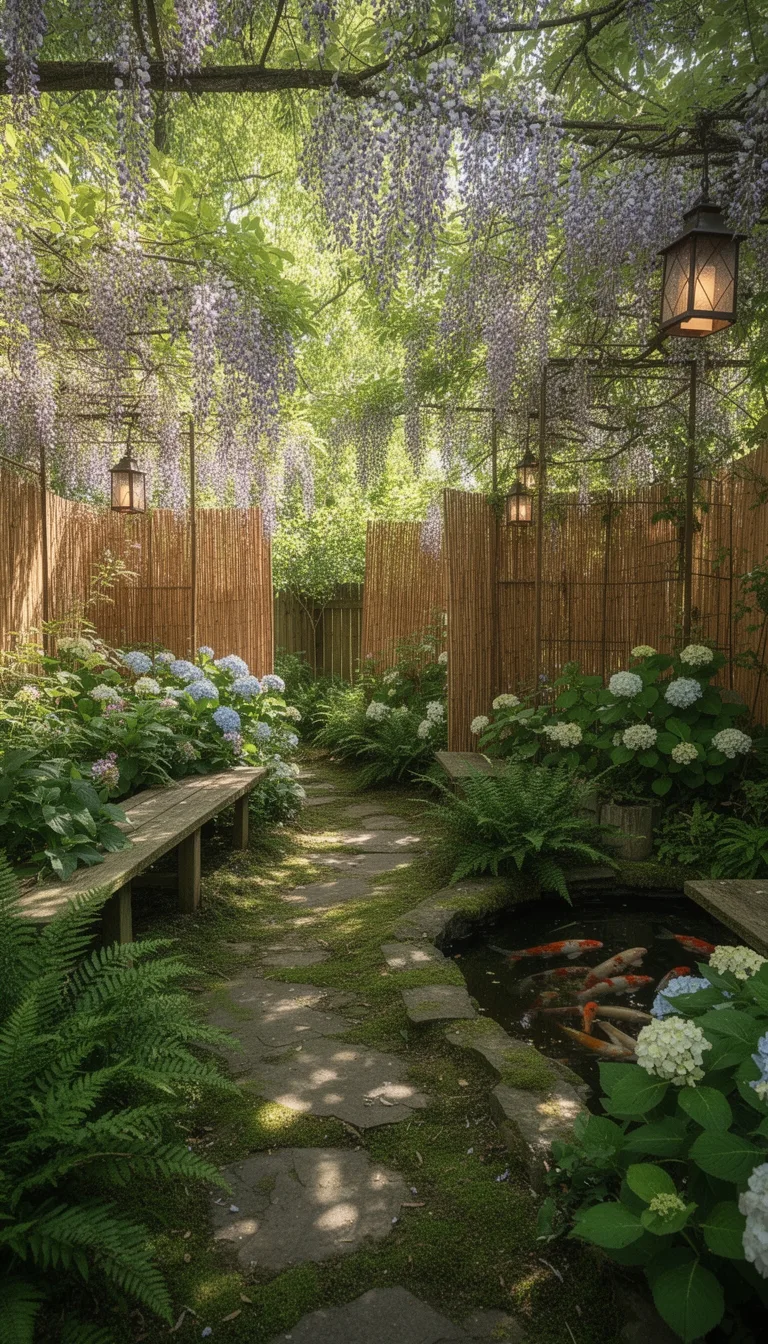
Why settle for a garden that’s exposed to every passerby when you can cultivate an intimate sanctuary shielded by thoughtfully chosen screens?
You’ll find natural materials like cedar or teak offer durability and weather resistance, developing distinguished patinas over years.
Bamboo provides cost-effective tropical aesthetics, while composite panels deliver 20-30+ years of UV-resistant protection without maintenance.
Layer your screens strategically: combine wooden lattice with climbing vines to filter light while maintaining airflow, or stack fabric mesh beneath wooden slats for windy locations.
Consider recycled polymer panels that mimic wood’s appearance while allowing air circulation—essential for plant health.
Your budget determines options: economy bamboo rolls ($50-150) work for basic privacy, while mid-range cedar or composites ($150-350) balance durability with design.
This layered approach transforms your garden into an enclosed retreat where plants thrive undisturbed.
Choose Plants That Support Local Wildlife
Transform your garden into a thriving ecosystem by selecting native plants that’ll sustain local wildlife year-round.
Native plants adapted to your local precipitation and soil conditions require no artificial fertilizers or pesticides. They’re the foundation of a biodiverse sanctuary:
- Provide essential food sources – Purple coneflowers offer seeds for goldfinches; milkweed hosts monarch caterpillars; oaks supply acorns for birds
- Support pollinators – Native nectar plants attract hummingbirds, butterflies, and bees during critical migration periods
- Create shelter – Oaks provide nesting cavities; shrubs offer protective cover for ground-nesting species
- Build food chains – Native insects feed bird nestlings; diverse plants sustain squirrels and seasonal visitors
Aim for 50-70% native plants minimum. Consult the National Wildlife Federation and Audubon Society zip code databases to identify host plants and bird-attracting species specific to your region. You’ll cultivate a self-sustaining landscape supporting specialist species absent from conventional lawns.
Plan Curved Pathways That Encourage Exploration
Once you’ve established your native plant foundation, guide visitors through your garden sanctuary with curved pathways that invite discovery.
Gentle arcs mimic natural waterways, slowing pace and encouraging contemplation.
Mark your layout with rope before installing stone pavers, gravel, or stepping stones—materials that weather gracefully while supporting exploration.
Width your paths 3-5 feet to accommodate wheelbarrows and multiple visitors.
Plant lush grasses and shrubs at curve edges, softening hardscape transitions.
Border pathways with natural stones to prevent shortcuts that damage plantings.
Route curves around existing trees and flower beds rather than through them.
Lead travelers toward focal points—fountains, seating areas, or flowering specimens.
This strategic routing transforms your backyard into layered sections of discovery, where each bend reveals new botanical interest and quiet refuge.
Create a Defined Entry With Gates and Arbors
How do you signal the threshold between everyday yard and botanical sanctuary? You create a defined entry with gates and arbors that frame your secret garden’s beginning.
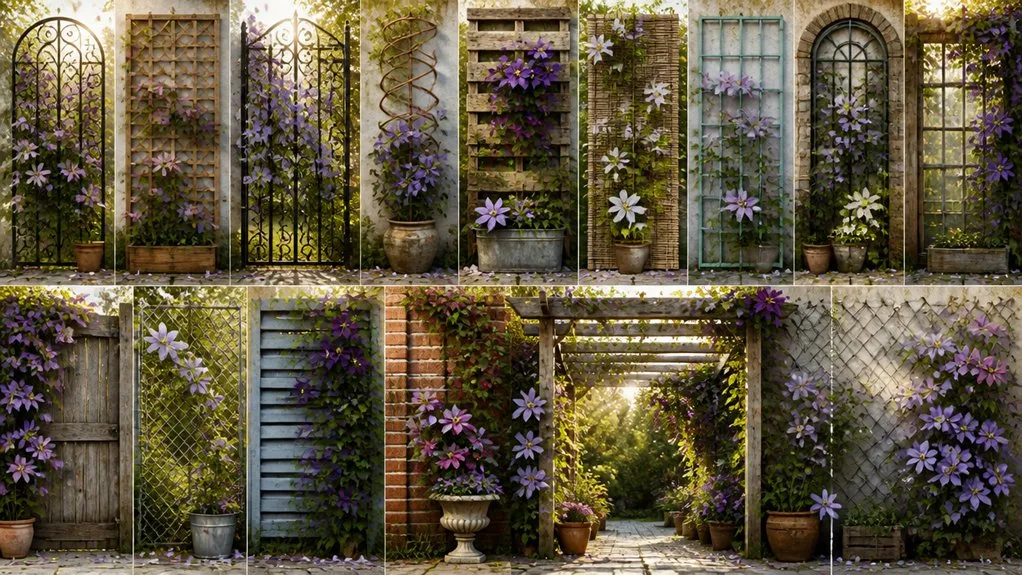
- Choose rot-resistant materials: Cedar and redwood naturally withstand weathering while supporting climbing vines like clematis, wisteria, and ivy that transform your structure into living architecture.
- Select your style: Arched gates with lattice sides offer romance, while straight-top designs deliver formal elegance. Picket styles evoke cottage charm.
- Incorporate metal details: Wrought iron hinges, latches, and scrollwork add sophistication and durability to wooden frames.
- Train vines strategically: Guide roses, clematis, and ivy through the structure, creating a lush seasonal passageway that evolves throughout the year.
This architectural threshold elevates your garden’s curb appeal while establishing an intentional transition into your botanical retreat.
Layer Plants by Height for Natural Privacy
Rather than relying on rigid hedges or artificial barriers, you’ll create authentic privacy by arranging plants in graduated layers that mimic natural landscape formations.
Position tall foundational plants like ‘Purple Smoke’ baptisia at bed centers to screen views effectively.
Layer medium-height shrubs between them, creating smooth transitions.
Place shorter plants—Eastern bee balm and lesser catmint—around perimeters to enhance undulation.
This height-stratified approach follows the 8-foot, 6-foot, 4-foot formula for balanced proportions.
Group identical plants in small clusters rather than scattering individuals; this creates visual cohesion.
Consider raising beds with 14-inch berms to lift plants higher, amplifying screening capacity without bulky barriers.
Island beds with 360-degree layering diffuse imposing elements naturally, generating movement and four-season interest while minimizing maintenance demands.
Select Climbing Plants for Vertical Coverage
While layered plantings establish your garden’s foundational privacy, climbing vines elevate that screening by clothing vertical surfaces with living color and texture.
You’ll transform bare walls, fences, and trellises into vibrant focal points.
Select vines matched to your sun exposure and structural support capacity:
- Woody vines like wisteria and climbing roses thrive in full sun, producing fragrant blooms on sturdy supports
- Shade-tolerant options such as climbing hydrangea flourish in dappled light, ideal for Northeast gardens
- Fast-growing annuals including hyacinth bean and firecracker vine reach impressive heights in single seasons
- Evergreen foliage vines like English ivy provide year-round density with minimal maintenance
Secure young vines with garden ties and match support structures—sturdy frameworks for thick woody varieties, lighter trellises for delicate annuals.
Regular watering and pruning maximize vertical coverage while maintaining your secret garden’s botanical integrity.
Use Stepping Stones and Circular Beds for Flow
Now that you’ve established vertical privacy with climbing vines, you’ll want to create intentional pathways through your garden sanctuary—and circular raised beds paired with stepping stones accomplish this beautifully.
The curved geometry of circular beds naturally guides foot traffic while softening rigid landscape lines. They’re efficient too: you’ll maximize growing space while minimizing ground-level weeding and bending. Galvanized steel construction ensures durability without wood rot complications.
Position stepping stones to meander between beds, echoing natural walking patterns rather than imposing geometric strictness.
This approach creates visual continuity from your home into deeper garden zones. Within each circular bed, you’ll control soil composition precisely—layering cardboard bases for weed suppression, then high-quality growing medium tailored to your plants’ root depths. The result: a cohesive, flowing sanctuary where form supports function.
Install Lattice and Wooden Screens Strategically
How do you transform bare garden boundaries into layered sanctuaries that breathe with the seasons? Strategic lattice installation creates visual privacy while allowing air circulation—essential for plant health.
You’ll use 4′ x 8′ lattice sheets secured with stainless steel fasteners, maintaining 6mm gaps for thermal expansion.
- Position lattice vertically between posts to establish privacy tiers without blocking beneficial airflow
- Mount panels with 12mm clearance for temperature-related movement, preventing buckling and warping
- Secure 1 x 3 pressure-treated frames with corner braces, ensuring 1″ minimum fastener penetration
- Space support posts consistently for uniform structural integrity across your garden perimeter
These screens divide space organically, creating distinct garden rooms.
Properly installed lattice weathers gracefully, aging beautifully while supporting climbing vines that enhance your sanctuary’s living walls.
Build Hidden Seating Nooks Throughout Your Space
Once your lattice framework’s established the garden’s bones, you’re ready to nest intimate seating areas within those structured boundaries.
Position teak benches and rockers beneath climbing vines where dappled sunlight filters through jasmine and wisteria canopies.
Anchor chaises with plump pillows on pea gravel patios edged by fragrant lavender and roses.
Create multiple micro-retreats by clustering potted herbs around seating perimeters, intensifying sensory engagement.
Install Grand Canyon flagstone pathways linking each nook, encouraging garden wandering.
Layer shade variation with yew trees and boxwood hedges to control light exposure.
Suspend cotton hammocks between sturdy posts for afternoon repose.
Each hidden sanctuary you craft becomes a distinct botanical sanctuary, inviting quiet observation and restorative solitude throughout your transformed space.
Position Benches Under Tree Canopies
Where better to anchor your secret garden’s sanctuary than beneath a mature tree’s protective crown?
You’ll transform understory spaces into intimate retreats by positioning benches strategically under established canopies.
Consider these placement essentials:
- Canopy positioning – Place benches at the dripline’s edge where foliage density peaks, maximizing shade coverage without compromising tree health
- Growth clearance – Leave adequate space around the trunk, allowing roots and branches to develop unobstructed for decades ahead
- Stability foundation – Anchor wrap-around designs firmly on level ground using weather-resistant treated wood or durable materials
- Layered shade – Install benches where branching patterns create multi-tiered protection, filtering harsh sunlight into dappled comfort
This botanical integration creates cooling microclimates while respecting your tree’s vigor.
You’ve established a sheltered oasis that matures alongside your landscape, deepening your garden’s enchanting character year after year.
Suppress Weeds With Mulch on Pathways
Your garden’s pathways reveal its true character, and nothing undermines that vision faster than opportunistic weeds reclaiming your carefully designed routes.
You’ll suppress weeds effectively by applying mulch at 2.5–7.5 centimeters depth, which blocks sunlight and retains soil moisture while drying the surface.
Remove existing weeds and debris first, then lay cardboard underneath for extra persistence.
Spread mulch evenly across pathways, keeping it 2–3 inches from plant stems to prevent rot.
Organic mulch enriches soil as it decomposes; inorganic varieties like recycled paper pellets achieve 90%+ weed control without nutrient addition.
You’ll reduce weed fresh weight by 82–100% within thirty days.
Replenish thinned layers annually and spot-treat breakthroughs to maintain your garden’s pristine appearance.
Add Water to Attract Birds and Pollinators
Water features transform a garden from a static green space into a living ecosystem, drawing birds and pollinators that’ll pollinate your flowers and control garden pests.
You’ll create ideal habitats by incorporating these elements:
- Bird baths with shallow basins – Position ground-level baths to attract uncommon species; elevated designs draw chickadees and finches. Add irregular stones for safe perching.
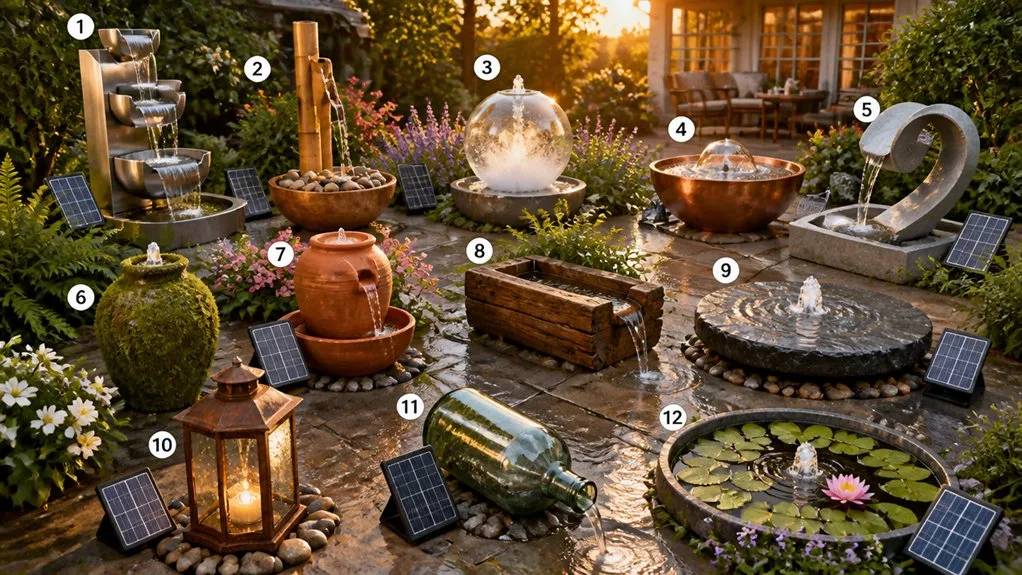
- Moving water features – Install bubbling fountains that circulate water, preventing mosquito breeding while creating sounds that draw hummingbirds and other wildlife.
- Perching rocks and plants – Arrange shallow shelves and floating lily pads where bees, butterflies, and birds land safely before drinking.
- Maintenance protocols – Rinse baths every few days and clean fountains with vinegar solutions to eliminate harmful algae and bacteria.
These water additions transform your garden into a thriving sanctuary.
Install Outdoor Lighting for Evening Ambiance
As evening descends on your garden sanctuary, thoughtfully placed lighting extends the beauty you’ve cultivated while creating safe pathways through planted beds and around water features.
Start by marking underground infrastructure to prevent damage during installation.
Select your system type—solar, low-voltage, or line-voltage—based on your garden’s layout and power needs.
Create a detailed project map showing fixture placement near specimen plants and seating areas.
Assemble fixtures beforehand, ensuring all components function properly.
Dig trenches at appropriate depths: six inches for low-voltage systems, eighteen for line-voltage.
Position your transformer near a GFCI outlet on a heat-resistant surface, maintaining clearance from water features.
Connect wiring using twist-on connectors or clamp junctions, then bury cables completely.
Your garden now glows with purposeful illumination, revealing nocturnal pollinators and deepening your sanctuary’s mystique.
Use Mirrors and Fairy Elements for Intrigue
Ever noticed how a garden reveals itself differently when viewed from unexpected angles?
You can harness this magic by strategically positioning mirrors throughout your space.
They’ll create optical illusions of expanded pathways and amplified greenery while drawing the eye upward toward foliage and sky.
Here’s how to maximize their impact:
- Line walkways with grouped mirrors to extend perceived width and encourage exploration
- Position reflective surfaces behind potted plants to double their visual presence
- Install mirrored water features as focal points that capture wildlife and dancing light
- Arrange mirrors vertically alongside climbing vines to emphasize architectural height
Paint frames to match your fencing for cohesive aesthetics.
Position mirrored orbs within tree canopies for whimsical depth.
These elements transform your garden into an enchanting sanctuary where reality blurs beautifully with illusion.
Hang Outdoor Curtains for Flexible Seasonal Coverage
While mirrors expand your garden’s visual boundaries, outdoor curtains offer something equally transformative: dynamic control over your sanctuary’s comfort and seclusion.
You’ll shield your retreat from UV rays that fade cushions and damage skin, while adjustable fabrics let breezes circulate freely.
During scorching afternoons, they block radiant heat; as seasons shift, they insulate warmth when temperatures drop.
Water-resistant materials protect furnishings from rain and mold without confining you indoors.
Draw them across pergolas or patios for intimate gatherings, then retract them to celebrate open vistas.
These versatile installations weather storms and repel insects while maintaining year-round usability.
Your secret garden transforms seamlessly—sheltered yet breathable, private yet luminous—adapting to nature’s rhythms and your evolving needs.
Personalize Your Secret Garden Seasonally
Why settle for static landscapes when your garden’s greatest magic lies in its capacity to shift and evolve?
You’ll craft a dynamic sanctuary by layering seasonal interest throughout your space.
- Plant succession bloomers — mix spring bulbs, summer annuals like Lantana, and fall perennials for continuous color displays that shift naturally.
- Integrate evergreen structures — use conifers and ornamental bark trees as year-round anchors supporting seasonal transitions.
- Stagger plantings — succession plant vegetables every two weeks and coordinate perennial peaks for uninterrupted harvests and blooms.
- Employ protective tools — deploy cold frames, row covers, and mulch to extend growing seasons and safeguard tender plants.
You’ll transform your garden into a living calendar, revealing new character each season while maintaining cohesive design throughout the year.
Keep It Easy With Low-Maintenance Perennials
Now that you’ve orchestrated your garden’s seasonal rhythm, it’s time to stock it with plants that won’t demand constant attention. Low-maintenance perennials form your secret garden’s foundation, thriving with minimal intervention once established. You’ll want species that tolerate poor soils, drought, and varied conditions—eliminating the need for excessive fertilization or supplemental watering.
| Plant | Key Benefit |
|---|---|
| Sedum | Requires no supplemental water |
| Baptisia | Long-lived, needs no fertilization |
| Switch Grass | Tolerates wet-dry conditions |
| Daylily | Virtually carefree once established |
These perennials establish deep root systems, self-regulate moisture, and resist pests naturally. By selecting tough, adaptable species, you’ll create a thriving ecosystem that rewards neglect rather than punishing it. Your garden becomes increasingly vibrant each year while you invest less effort.
Design Winding Routes Around Corners and Bends
Winding paths transform how you’ll experience your secret garden, slowing your pace and inviting contemplation as you move through the landscape.
You’ll discover hidden vistas and reveal botanical treasures gradually, creating genuine intrigue throughout your outdoor sanctuary.
To design effective winding routes:
- Use long, graceful curves rather than tight, wavy patterns for comfortable walkability and natural flow
- Route paths around established trees and plantings to block sightlines and encourage exploration
- Make main pathways 3–4 feet wide for two people walking side-by-side; secondary paths 2–3 feet
- Soften sharp angles by tracing a garden hose across your planned route, then marking with stakes
These gentle curves obscure endpoints, making even modest gardens feel expansive.
You’ll create organically-shaped spaces along edges where naturalistic plantings thrive, transforming your backyard into an enchanting journey.
Plant Tall Shrubs and Ornamental Grasses
How do you create genuine mystery within a modest backyard? You plant tall shrubs and ornamental grasses to establish visual boundaries and intimate spaces.
Tall ornamental grasses like ‘Northwind’ switchgrass and ‘Karl Foerster’ reed grass grow six feet high, forming natural walls that conceal utilities and define garden rooms.
These specimens don’t demand fertilizer or frequent maintenance—simply cut them back in late winter. Once established, they’re drought-tolerant and pest-free.
Their architectural forms provide year-round appeal.
Fall brings rich color shifts and striking seedheads that capture winter snow and sway in breezes. Choose focal varieties like ‘Pink Cloud’ Muhly grass for eye-catching plumes.
Beyond aesthetics, ornamental grasses stabilize soil through deep root systems, support pollinators and birds, and sequester carbon.
They transform your backyard into a self-sustaining sanctuary where mystery flourishes naturally.
Evolve Your Garden Over Time
Rather than committing to a fully formed design, you’ll discover that the most resilient secret gardens develop through deliberate experimentation and observation.
Your garden thrives when you:
- Document progress through photos and notes, tracking which species flourish and which require adjustment
- Start modestly to prevent overwhelming expenses while allowing easier modifications as plant performance becomes apparent
- Limit initial planting swaths with diverse, intermingled selections for flexibility as your garden evolves
- Test new varieties on smaller scales before committing resources to larger plantings
This adaptive approach respects your garden’s natural rhythms.
You’re not imposing a static vision but rather collaborating with ecological systems.
As seasons cycle and plants establish themselves, you’ll refine your design based on real-world results rather than assumptions.
This iterative process builds a genuinely resilient ecosystem tailored to your specific conditions.
Conclusion
You’ve now got the framework to cultivate your botanical sanctuary. Here’s something compelling: gardens with native perennials and shrubs attract 3x more pollinators than conventional landscapes. You’re not just creating a retreat—you’re establishing a thriving ecosystem. Your curved pathways’ll evolve naturally as you add layered plantings and strategic screening. Start small, observe how sunlight shifts, then expand thoughtfully. Your secret garden’s transformation unfolds season by season, rewarding patience with deepening beauty and ecological abundance.
The Only Tools You Need for a Thriving Garden 🌱
Whether you're a weekend gardener or growing daily — these hand-picked tools make every session faster, easier, and more satisfying.