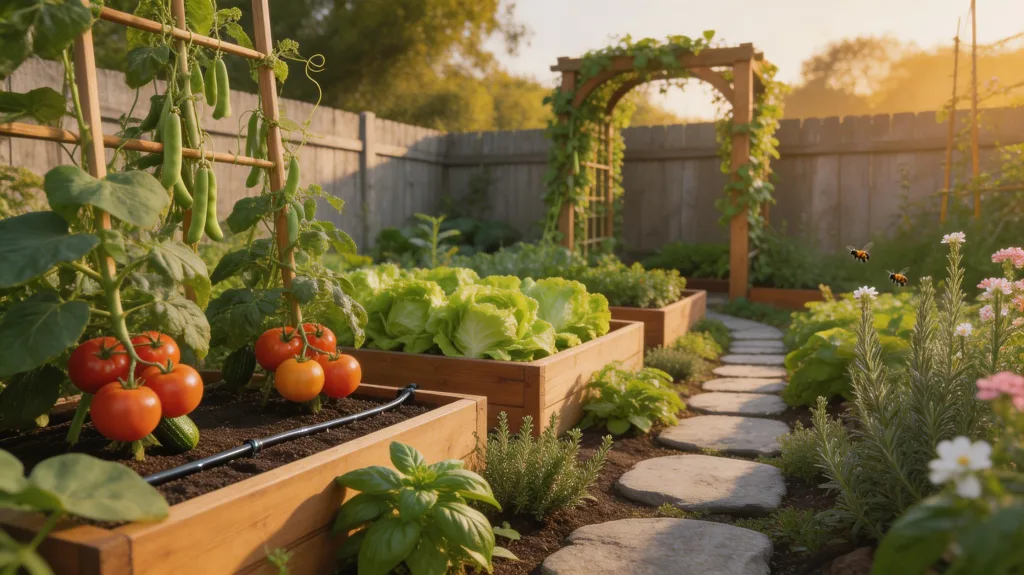
Imagine stepping outside to harvest your own dinner. You can transform a sunny corner of your yard, or even a balcony, into a productive vegetable patch. Whether you choose raised beds, vertical planters, or traditional rows, the right start is key to abundant, flavorful food. Let’s explore how to match your space with the perfect design and easy crops that keep your kitchen stocked all season.
Key Takeaways
- Choose a sunny, level spot with good drainage for garden beds or containers.
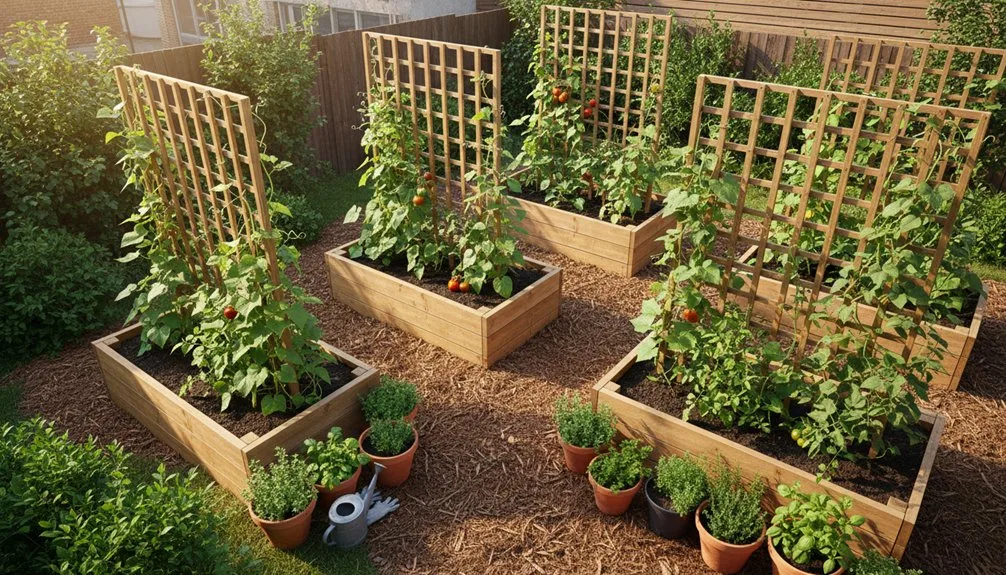
- Build or fill raised beds with quality soil mix to ensure fertility and proper drainage.
- Select easy-to-grow vegetables like tomatoes, zucchini, lettuce, and herbs for reliable harvests.
- Use vertical trellises and succession planting to maximize yield in a small backyard space.
- Install a simple drip irrigation system for efficient watering and healthier plants.
Determine the Right Garden Style for Your Space
Before you pick up a single seed packet, you’ll need to match your garden’s design to your specific yard, whether you’re working with a sprawling plot or just a few containers on a patio. Start by assessing your space honestly.
A compact urban lot might thrive with a neat, geometric raised bed layout, making maintenance easier and maximizing yield. If you’ve got a sunny balcony, a vertical trellis garden for beans or peas adds height and saves floor space.
For larger areas, traditional in-ground rows are classic, but you could also explore a “keyhole” bed for better accessibility. Don’t forget containers; they’re perfect for herbs and small veggies like lettuce, offering flexibility to move them for optimal sun.
Your space dictates your style, so get creative!
Pick the Perfect Location for Your Vegetable Patch
Choosing the perfect spot for your vegetables is like picking a front-row seat for a show—they’ll thrive when you give them center stage. Your first priority is sunlight; most veggies need a minimum of six hours of direct sun daily. Look for a sunny, open area away from large trees or structures that create shade.
Consider convenience too. You’ll want your patch close to a water source and easily accessible from your house for daily tending and harvesting. Also, check for good drainage to prevent waterlogged roots. Avoid low spots where water pools after a rain.
A flat or gently sloping site makes planting and maintenance much easier, setting you up for a successful, bountiful season.
Test and Improve Your Garden Soil
Roll up your sleeves and dig into the soil itself—it’s the secret to a powerhouse garden.
Great soil feeds your plants, drains well, and teems with life. Start by testing it; a simple kit reveals pH and key nutrients. Then, you can amend it based on what you find.
- Test the pH: Most veggies thrive in slightly acidic soil (pH 6.0-7.0). Add lime to raise pH or sulfur to lower it.
- Boost Organic Matter: Mix in several inches of compost or aged manure. This improves texture and fertility.
- Loosen Compacted Soil: Use a fork to gently aerate dense clay, helping roots and water penetrate.
- Mulch Generously: Cover beds with straw or leaves to retain moisture, suppress weeds, and feed the soil as it breaks down.
Choose Easy-to-Grow Vegetables for First-Timers
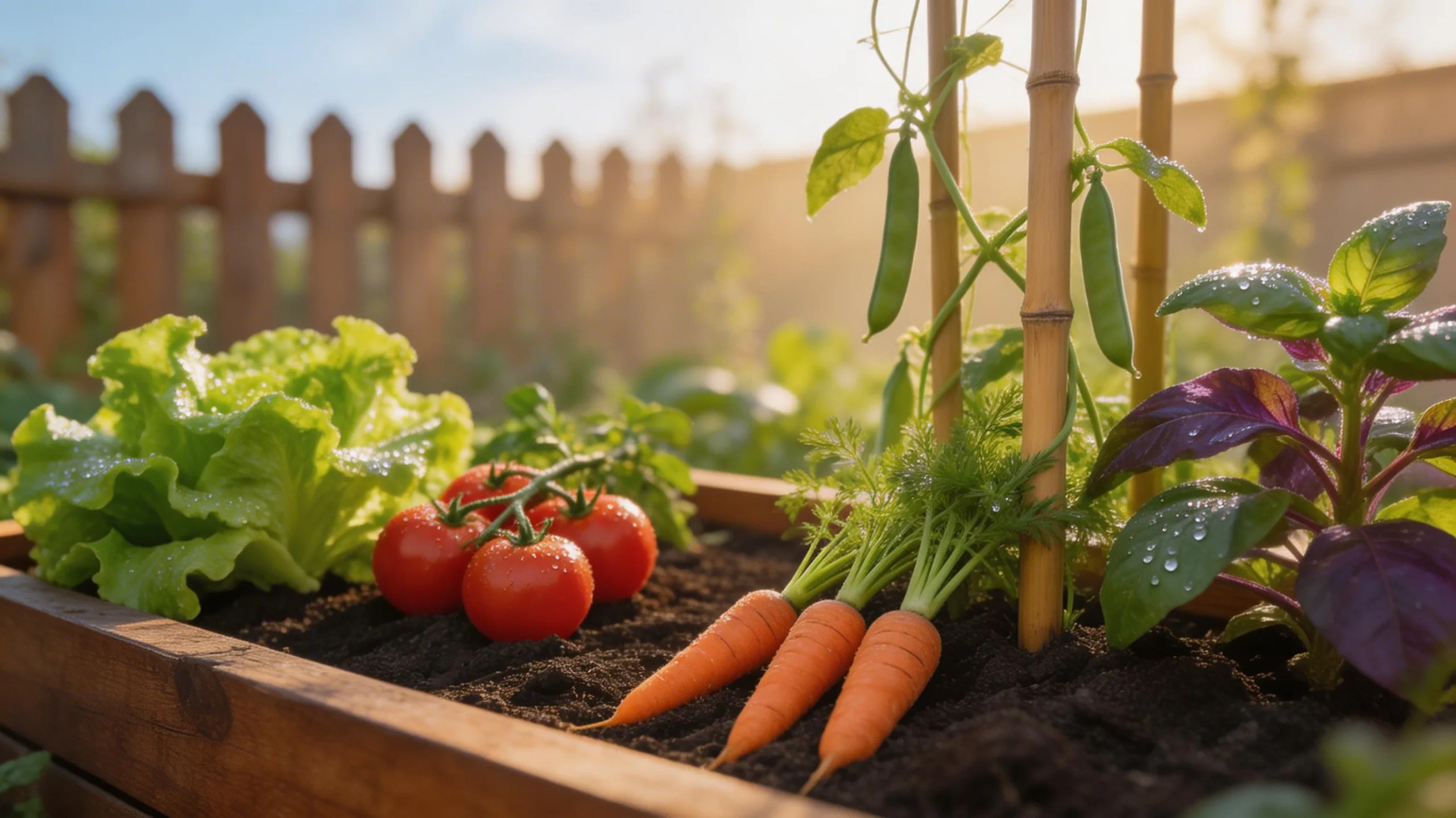
Success is almost guaranteed when you start with vegetables that practically grow themselves. Focus on forgiving varieties that resist pests and thrive with basic care.
Leafy greens like lettuce and spinach are fantastic fast-starters; you can begin harvesting young leaves in just weeks. Radishes mature incredibly quickly, offering a tasty, confidence-boosting crop.
Bush beans are prolific and don’t need staking, while zucchini famously produces more than you can handle. Cherry tomatoes are also wonderfully resilient.
For herbs, you can’t go wrong with basil and mint. Stick with these proven winners for your first season.
You’ll spend less time troubleshooting and more time enjoying your delicious, homegrown harvest, building the perfect foundation for future gardening adventures.
Design a Thriving Container Vegetable Garden
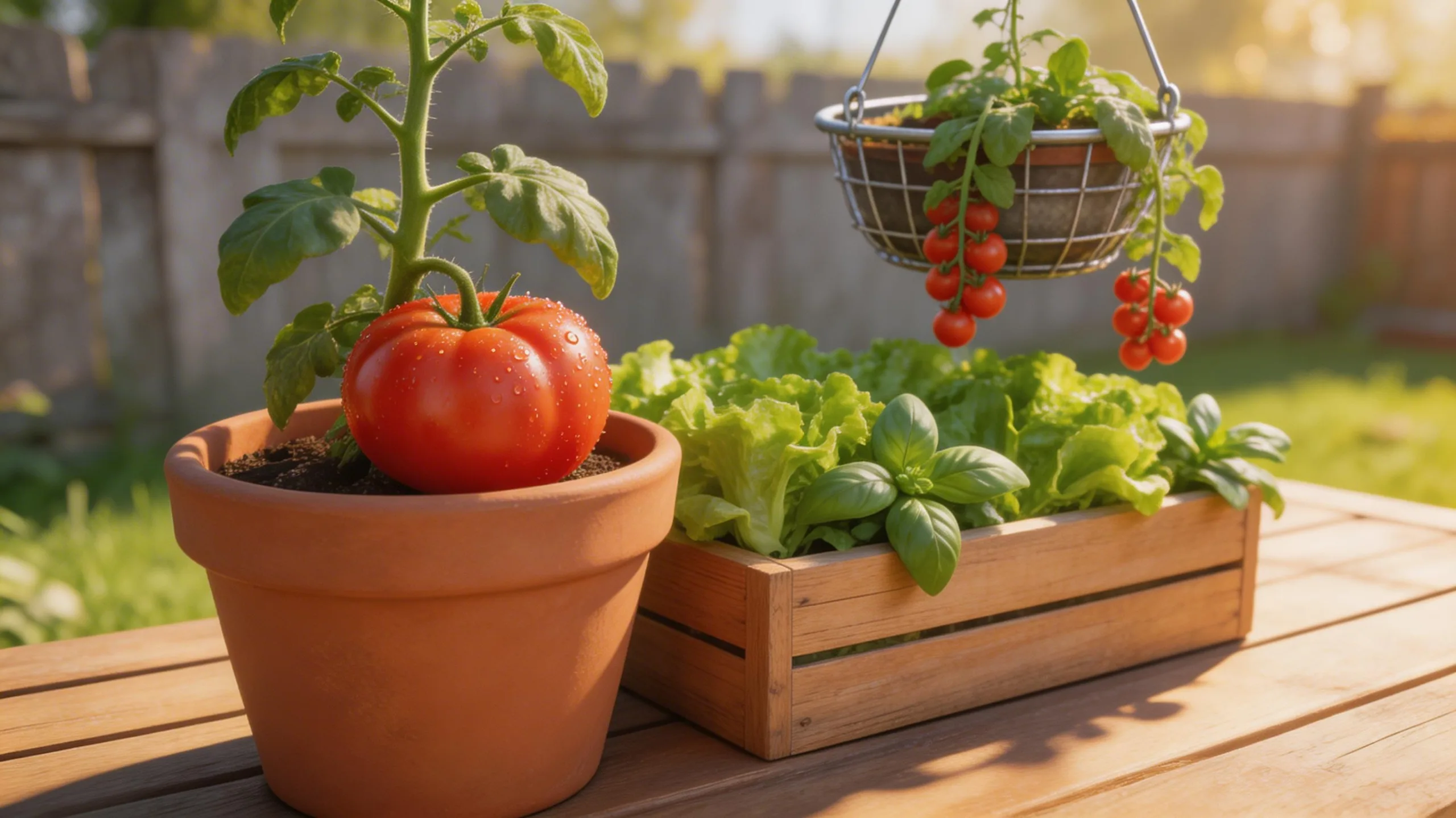
Harness your green thumb anywhere by unlocking the potential of container gardening. You don’t need a large yard to grow fresh produce; a sunny balcony, patio, or even a windowsill will do.
Success hinges on just a few key elements.
- Select the Right Pots: Ensure your containers have drainage holes. Match pot size to your plant’s mature root system—deep pots for tomatoes, wider ones for lettuces.
- Choose a Quality Mix: Always use potting soil, not garden dirt. It’s lightweight, drains well, and is free of pests and diseases.
- Prioritize Sunlight: Most vegetables need at least six hours of direct sun daily. Position your containers where they’ll get the most light.
- Water and Feed Diligently: Containers dry out fast. Check soil moisture daily and use a balanced, water-soluble fertilizer every couple of weeks.
Build Your Own Simple Raised Garden Beds
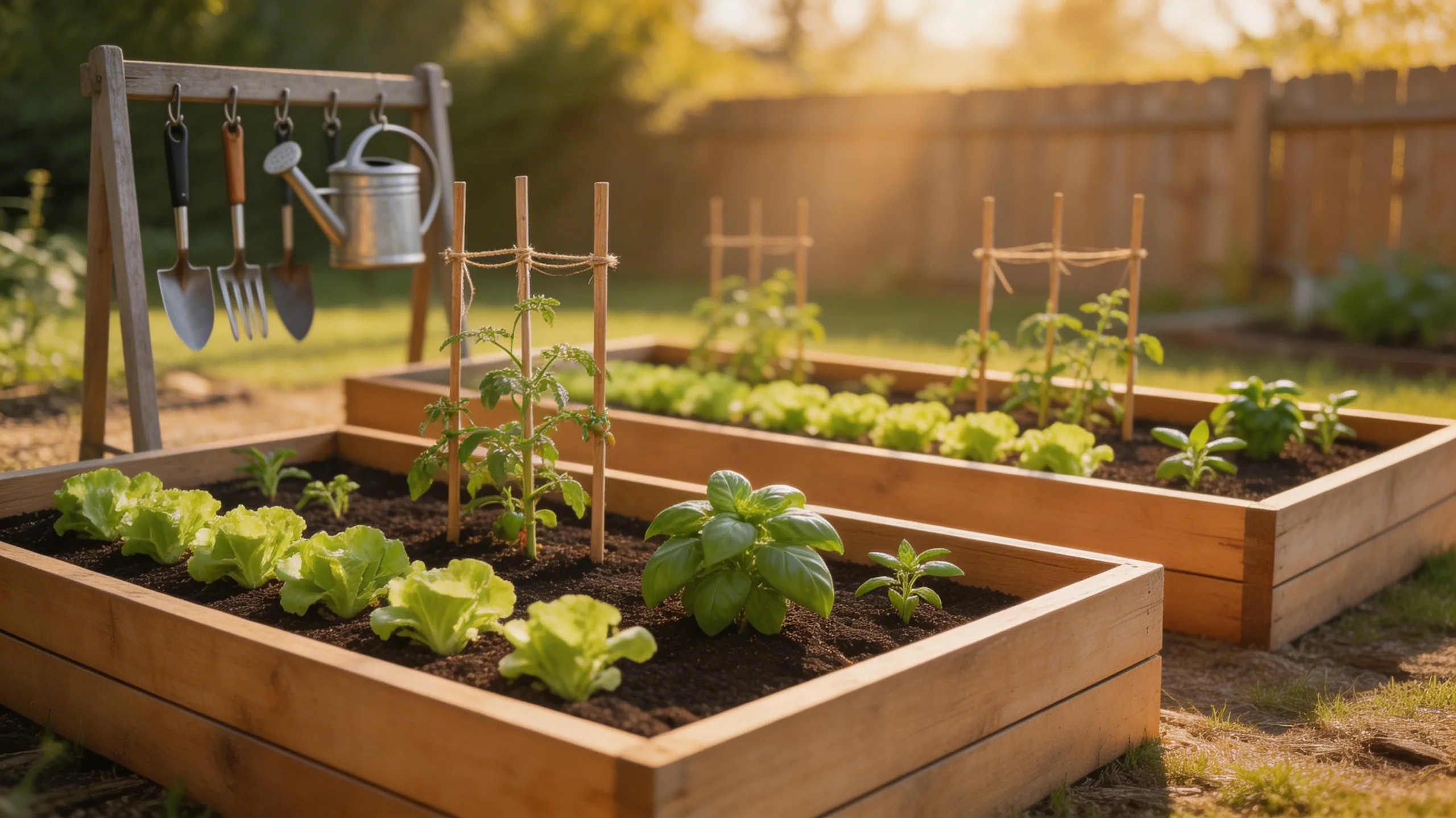
If container gardening has sparked your interest in growing your own food, building a simple raised bed can expand your harvest even further.
These beds are fantastic for improving drainage and soil warmth.
You can build one with just a few inexpensive materials like untreated wood or cinder blocks.
Aim for a width you can reach across without stepping inside, keeping the soil uncompacted.
Fill your new bed with a mix of topsoil and compost for a fertile, fluffy growing medium.
Raised beds give you better control over your garden’s conditions, making them perfect for demanding crops like carrots or tomatoes.
It’s a quick project that yields years of productive, easy-to-manage gardening space.
Grow up With Vertical Gardening
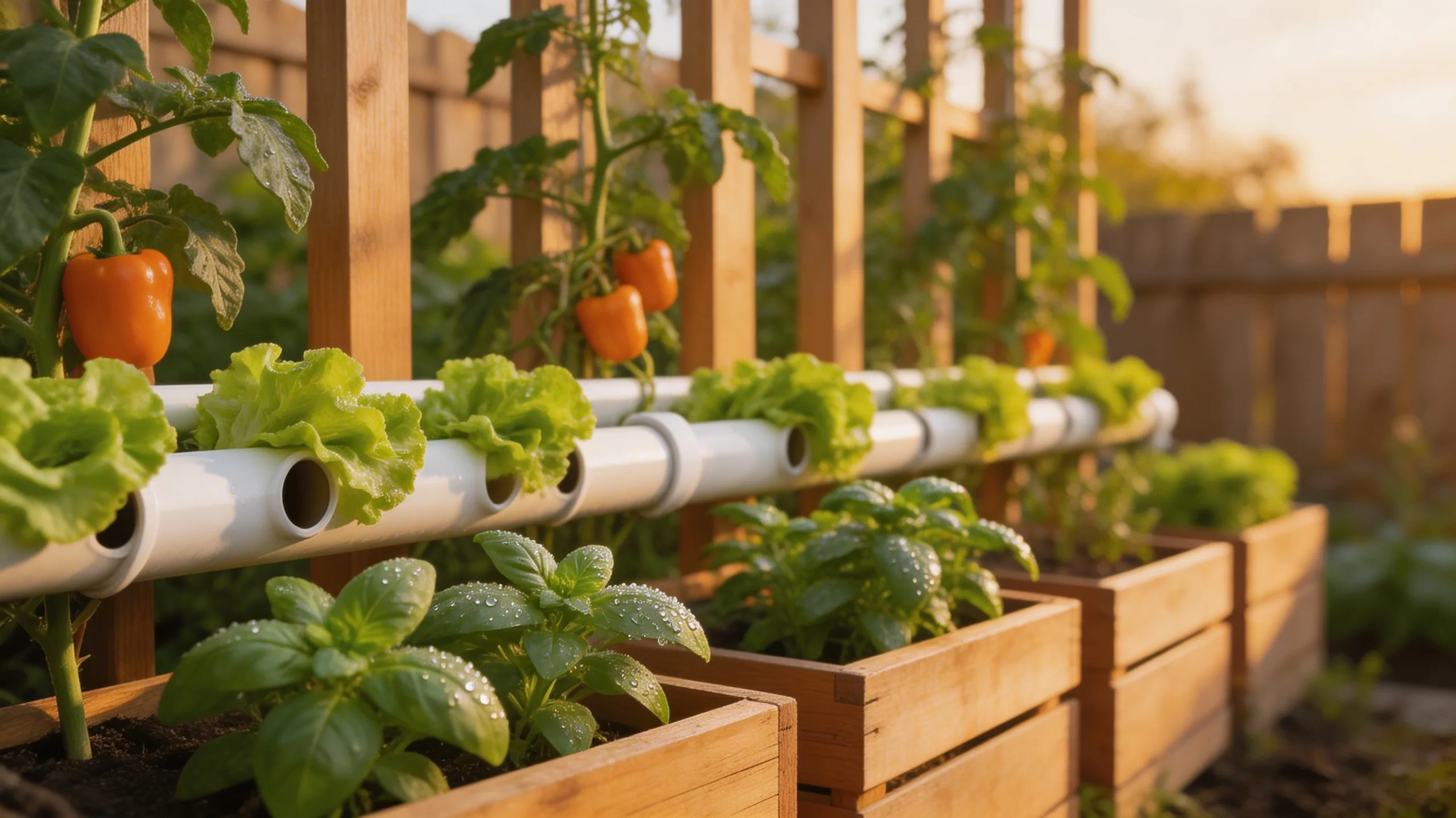
Take your garden to new heights by exploring vertical gardening. This space-saving technique uses walls, trellises, and structures to grow plants upward, perfect for small yards or patios. You’ll maximize your harvest, improve air circulation to reduce disease, and make harvesting a breeze.
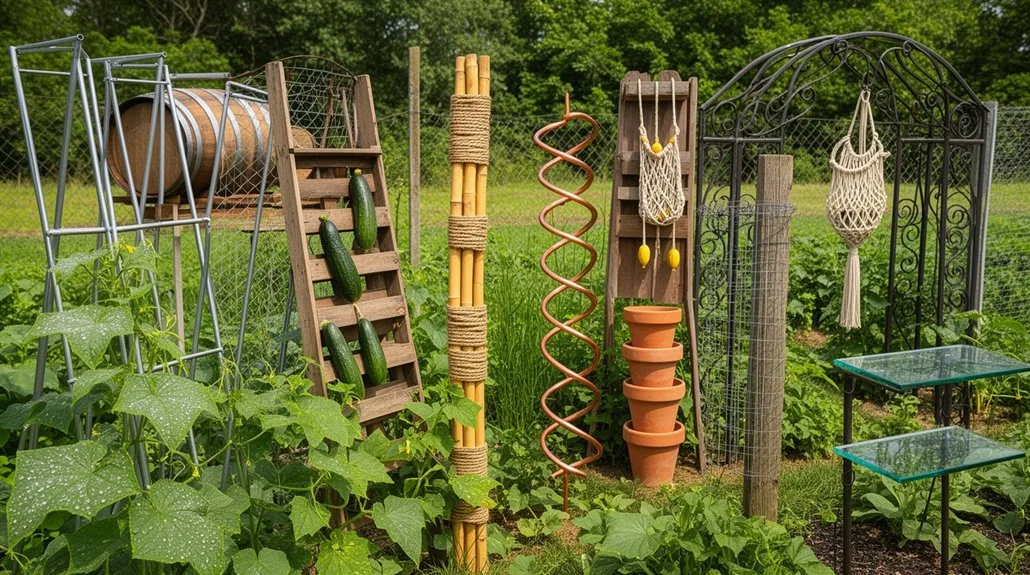
- Choose the right plants: Vining crops like cucumbers, peas, pole beans, and indeterminate tomatoes are natural climbers.
- Build simple supports: Use stakes, bamboo tripods, or a trellis made from wire or wood.
- Employ vertical containers: Hang gutters for strawberries, use pocket planters on a fence, or stack pots in a tower.
- Train your plants: Gently tie young stems to their support with soft twine as they grow, guiding them upward.
Create a High-Yield Square Foot Garden Layout
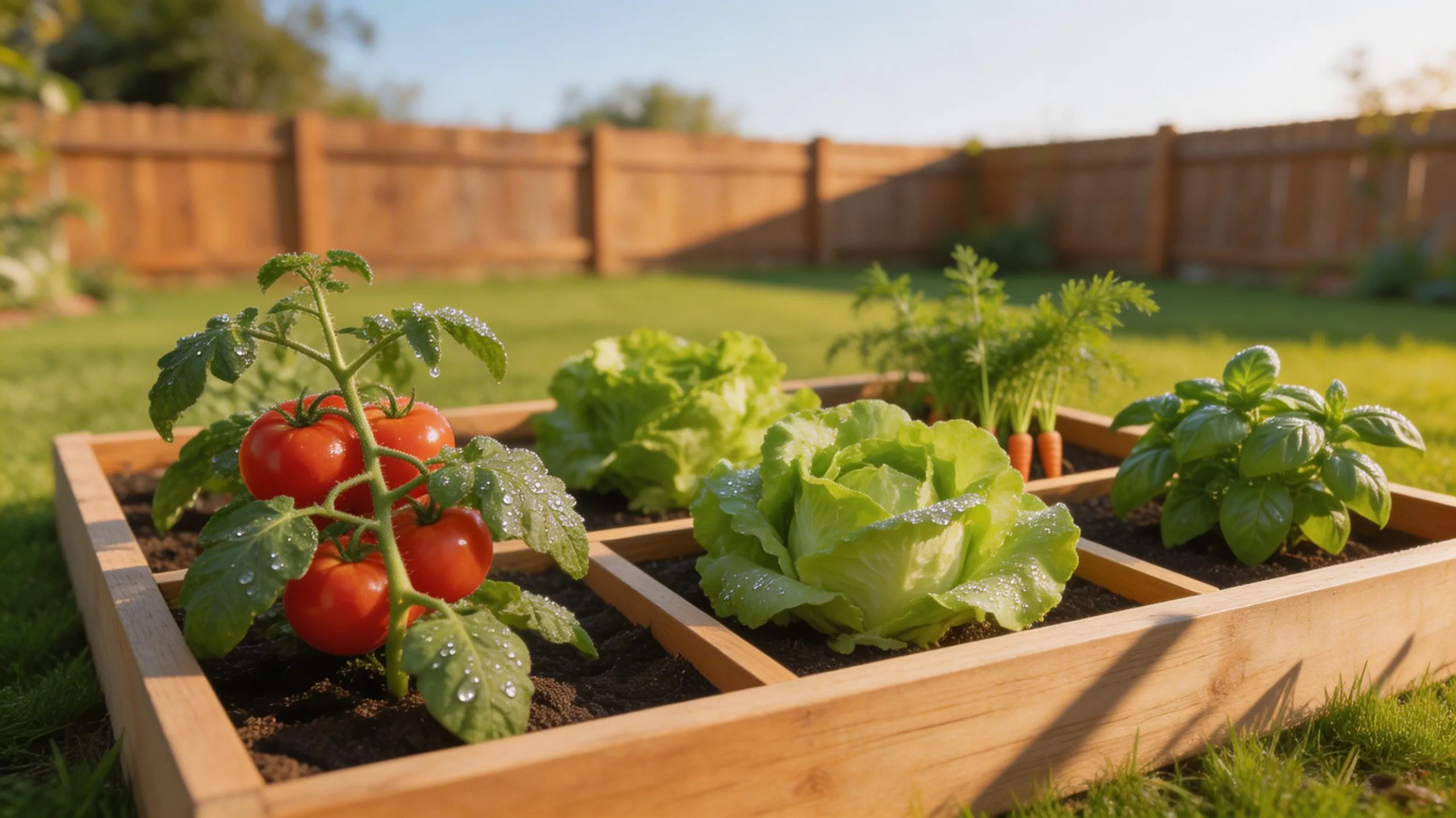
Get more food from less space by planning a high-yield square foot garden. This method divides a raised bed into a grid of one-foot squares, letting you intensively plant each section.
You’ll build a simple, manageable frame, typically four feet by four feet, and fill it with a perfect soil mix.
The real magic is in the planting plan. Instead of traditional rows, you place a specific number of seeds or seedlings in each square based on the plant’s size.
For example, you can grow one tomato plant, four lettuces, or sixteen carrots in a single square! This organized approach maximizes every inch, reduces weeds, and makes your garden incredibly efficient and easy to maintain.
Give Your Plants the Sun, Water, and Food They Need
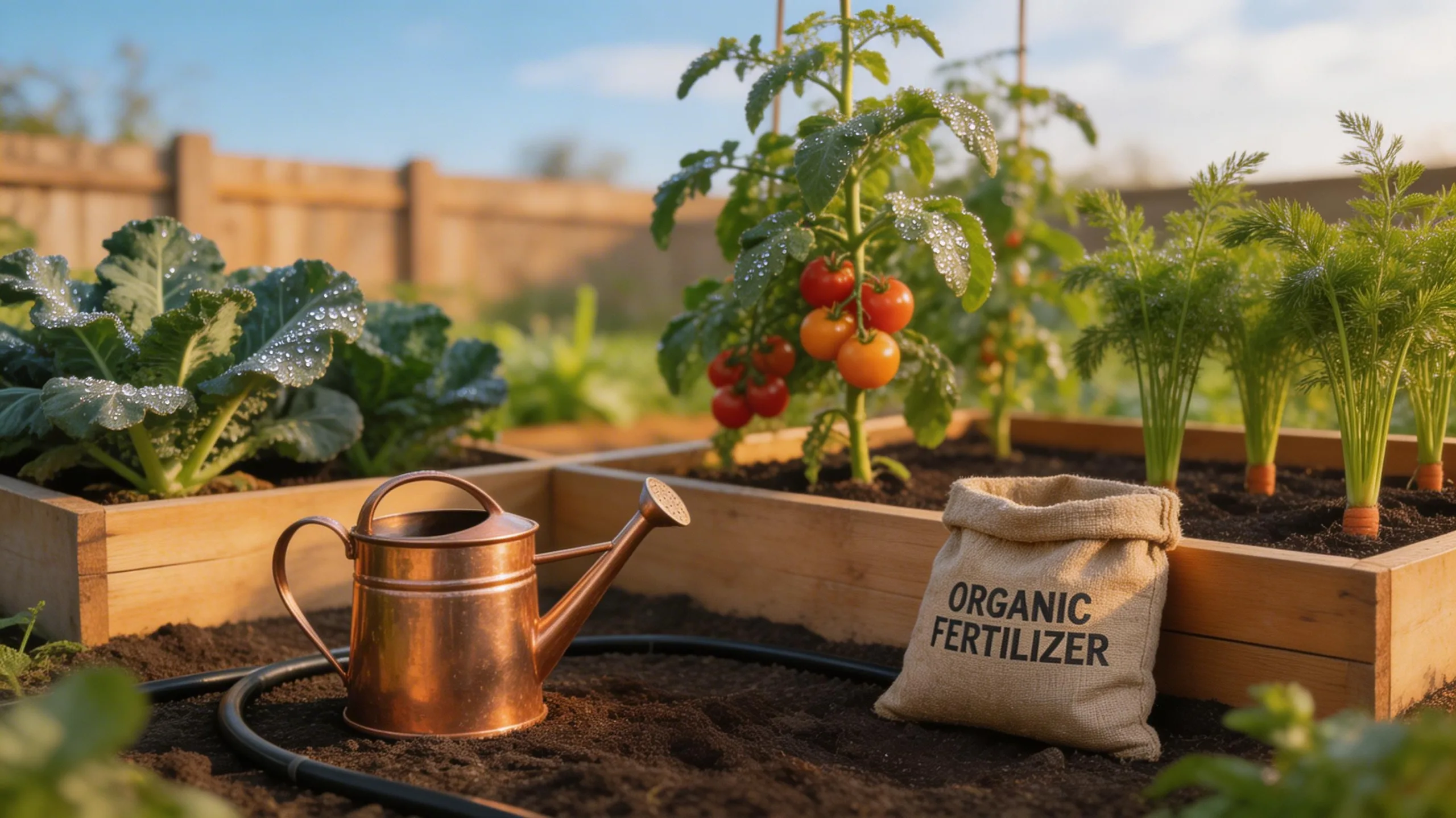
Now that your garden’s layout is planned, you’ll focus on the three essentials: sunlight, consistent moisture, and proper nutrients.
- Chase the Sun: Ensure your garden gets at least 6-8 hours of direct sunlight daily. Observe your yard to find the brightest spot; this fuels growth and boosts yields.
- Master Watering: Water deeply and less frequently to encourage strong roots. Use your finger to check soil moisture; it should be damp a few inches down, not soggy or dry on the surface.
- Nourish the Soil: Feed your plants by mixing compost into the soil at planting. It improves texture and slowly releases nutrients.
- Maintain Vigilance: Regularly check for signs of thirst or hunger, like wilting or pale leaves, and adjust your care quickly.
When and How to Plant Your Vegetable Seeds
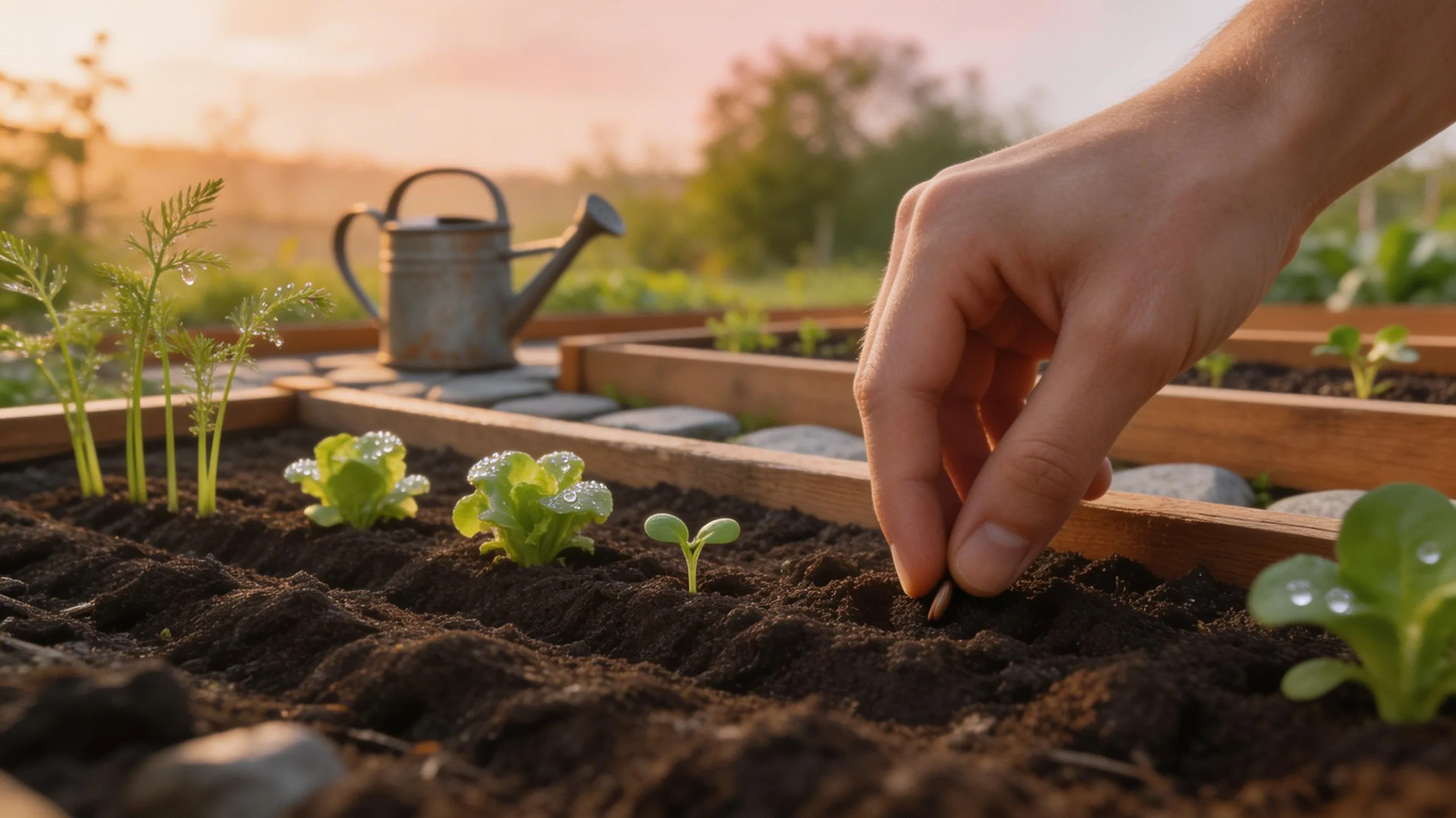
With your plants’ basic needs covered, you can turn your attention to putting seeds in the ground. Timing is key, so check seed packets or local guides for the ideal planting date after the last frost.
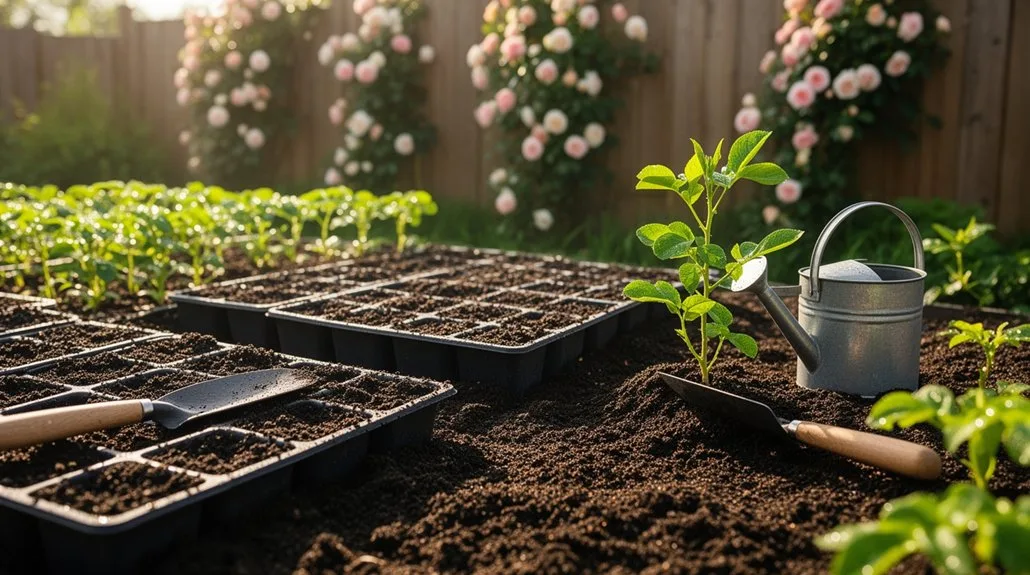
For a quick start, you can sow seeds directly into your prepared soil. Just follow the packet’s spacing and depth instructions—don’t bury them too deep!
For many veggies, you can create shallow furrows with a stick, drop in the seeds, and gently cover them. Keep the soil moist until they sprout.
Some plants, like tomatoes, benefit from being started indoors weeks earlier. Plant those seedlings outdoors only when they’re sturdy and the weather’s reliably warm.
Install a Simple and Efficient Watering System
Capture your garden’s hydration routine effortlessly by installing a simple watering system. You’ll save time, conserve water, and deliver consistent moisture directly to the roots where your plants need it most.
A basic drip irrigation kit or soaker hoses are fantastic, efficient choices that you can easily set up yourself. Here’s how to get started:
- Map Your Beds: Sketch your garden layout to determine the lengths of hose or tubing you’ll need.
- Choose Your System: Select soaker hoses for rows or drip lines with emitters for precise container watering.
- Connect to Source: Attach your main line to an outdoor spigot using a timer for automated, scheduled watering.
- Test and Adjust: Run the system, check for even water distribution, and tweak the placement of emitters as needed.
Keep Pests Out of Your Garden Naturally
Shield your vegetable bounty from unwanted nibblers by embracing natural pest control methods. You’ll protect your harvest without harmful chemicals. Start by inviting beneficial insects like ladybugs and lacewings, which feast on aphids. You can also plant companions like marigolds or basil to repel pests with their strong scents. For larger invaders, physical barriers like row covers work wonders. Hand-pick larger pests, like tomato hornworms, and drop them into soapy water. A healthy garden is your best defense, so keep plants strong with good soil and proper watering.
| Pest Deterrent | How It Works | Example in Action |
|---|---|---|
| Companion Planting | Uses plant aromas to mask or repel pests. | Interplant basil with tomatoes to deter flies. |
| Beneficial Insects | Introduces natural predators to your garden ecosystem. | Release ladybugs to control an aphid population. |
| Physical Barriers | Creates a physical block to prevent pest access. | Use floating row covers over cabbage to block moths. |
| Manual Removal | Directly reduces pest numbers through action. | Hand-pick slugs and snails after an evening rain. |
| Healthy Soil Foundation | Supports robust plants that are more pest-resistant. | Enrich soil with compost for vigorous plant growth. |
Stagger Your Planting for a Continuous Harvest
Enjoying your garden’s bounty all season long isn’t just luck—it’s a result of smart planning. You can use a simple technique called succession planting. Instead of sowing all your seeds at once, you stagger the plantings. This gives you a steady supply of fresh produce, preventing a huge, overwhelming glut followed by nothing. You’ll love having just the right amount ready for your kitchen each week.
- Successive Sowings: Plant a new row of fast-growing crops like lettuce or radishes every two to three weeks.
- Vary Maturity Dates: Choose seed packet varieties with different “days to maturity” for crops like tomatoes or corn.
- Follow-On Crops: After harvesting an early spring vegetable like peas, replant that space with a summer crop like beans.
- Interplanting: Grow quick-sprouting radishes between slower-growing carrots; harvest the radishes and free space for the carrots.
Harvest Your Homegrown Vegetables at Peak Flavor
Taste the difference when you pick vegetables at their absolute peak—it turns gardening effort into kitchen triumph. You’ll get the sweetest flavor and best texture by harvesting at the right moment. Check plants daily as crops ripen.
Pick zucchini and cucumbers while they’re young and tender. Let tomatoes stay on the vine until fully colored and slightly soft. For leafy greens like lettuce, take outer leaves first or cut the whole head before it bolts.
Snap peas right off the vine when the pods are plump. Your biggest clue is often size and color; a glossy, deep hue usually signals readiness. Use a sharp knife or pruners for clean cuts that keep plants productive. Enjoy that unbeatable, fresh-picked taste straight from your garden.
Preserve Your Harvest: Canning, Freezing, and Drying
After you’ve enjoyed that unbeatable fresh-picked taste, you’ll often find yourself with a bountiful surplus from your garden. Preserving that harvest is a fantastic way to enjoy your homegrown food all year long!
You’ve got several effective methods to choose from, each perfect for different types of produce.
1. Canning is ideal for high-acid foods like tomatoes and fruits.
You’ll use jars, heat, and proper technique to create a shelf-stable pantry.
2. Freezing is the quickest method for veggies like beans and corn.
Blanch them first to lock in color and flavor.
3. Drying concentrates flavors for herbs, peppers, and fruits.
Use a dehydrator, oven, or even air-drying.
4. Pickling uses vinegar brine to preserve crunchy vegetables like cucumbers and carrots, adding a delicious tang.
Frequently Asked Questions
How Do I Save Seeds From My Vegetables for Next Year?
Select ripe, healthy vegetables. Let some seeds dry naturally inside, or ferment tomato seeds in water. Clean them thoroughly, then store your dry seeds in labeled envelopes in a cool, dark spot.
What Are the Best Companion Plants for Common Vegetables?
Grow basil near your tomatoes to repel pests; plant beans with corn for natural support. Marigolds protect many vegetables. Carrots love tomatoes, and radishes can shield your squash—you’ll see healthier plants and bigger harvests.
Can I Reuse Potting Soil From Last Year’s Containers?
Yes, you can reuse potting soil, but you should refresh it first. Mix in some new compost, maybe a bit of fertilizer, and consider breaking up any compacted clumps from last season’s roots.
How Do I Organize a Community Seed Swap With Neighbors?
You start by picking a date and location, then invite neighbors through social media or flyers. Ask everyone to bring labeled seeds and swap stories. Provide tables for organization and encourage sharing extra tips.
What Are the Legal Restrictions on Selling My Homegrown Produce?
You’ll need to check local zoning laws. For sales, you often need permits and must follow food safety regulations. Selling at farmers’ markets is simpler than retail. Contact your county health department for specifics.
Conclusion
Your fresh homegrown food awaits! By matching your garden style to your space, tending your soil, and planting smartly, you’ll turn your plot into a bounty of flavor. Harvest at peak ripeness and savor it all year. You’ve got the know-how—now get growing and enjoy the delicious, sustainable rewards of your own backyard vegetable garden.
The Only Tools You Need for a Thriving Garden 🌱
Whether you're a weekend gardener or growing daily — these hand-picked tools make every session faster, easier, and more satisfying.