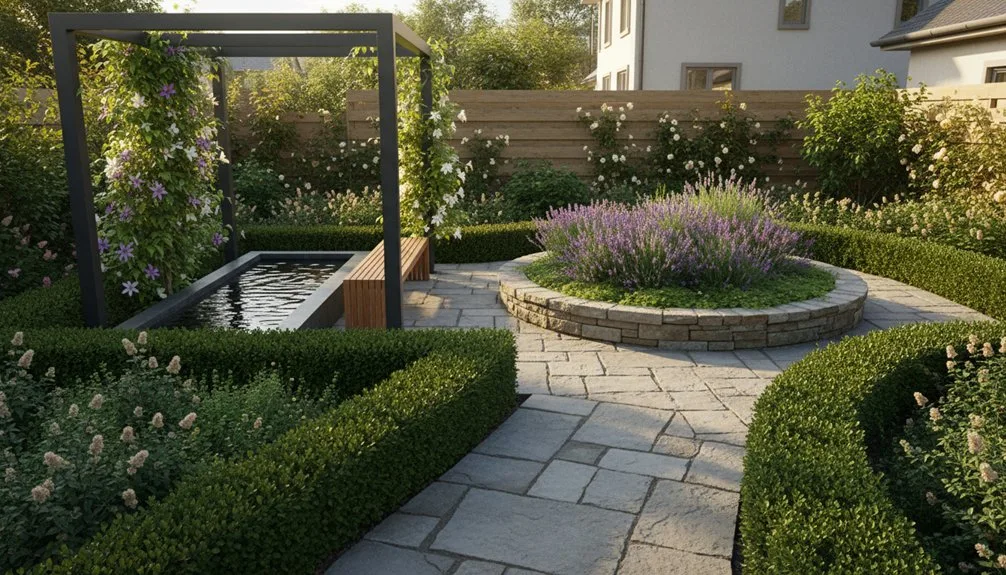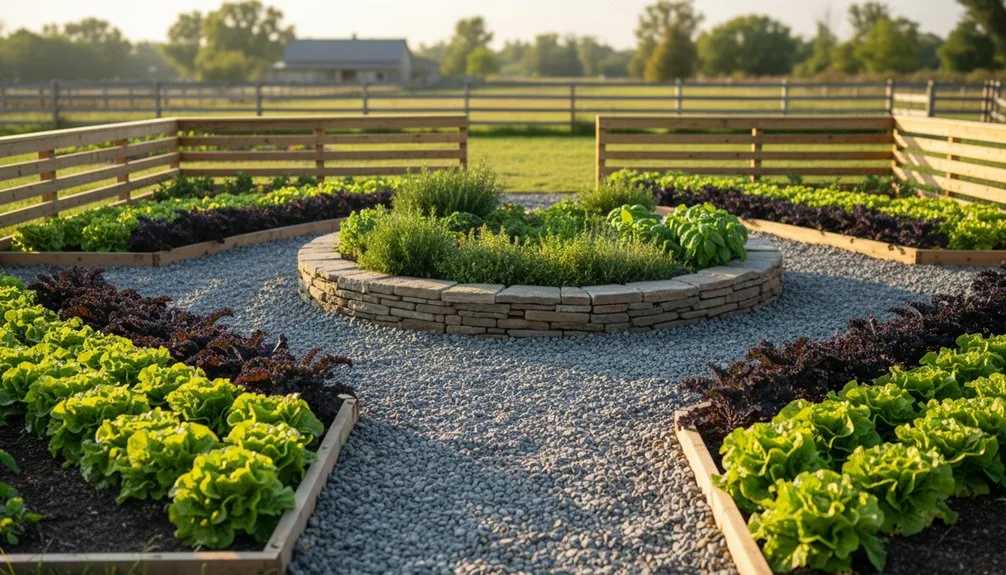

You’ve probably noticed how a well‑planned front garden can turn a simple doorway into a welcoming statement, yet many homeowners overlook the subtle tricks that make that transformation effortless. Think about choosing a cohesive color palette that echoes seasonal blooms, adding a low‑maintenance succulent border for texture, and planting evergreen shrubs that give structure without demanding constant care. A curved flagstone path edged with creeping thyme can guide guests while a few solar lanterns and a decorative gate frame the entrance beautifully. If you’re curious about how these ideas fit together and what steps come next, the next section will show you exactly how to start.
Key Takeaways
- Use a decorative gate with seasonal‑matched finishes and solar lanterns to frame the entrance and guide sightlines.
- Create layered planting: tall sun‑loving backdrops, mid‑height perennials, and trailing groundcovers for depth and seasonal color.
- Incorporate low‑maintenance borders like succulent or and dwarf evergreen shrubs for structure and year‑round interest.
- Install a curved pathway with flagstone or permeable pavers, edged by low groundcovers and subtle solar lighting.
- Add seasonal seating and accents—bench under a hedge, seasonal lanterns, and weather‑resistant rugs—to enhance hospitality and visual appeal.
Why Strong Curb‑Appeal Matters
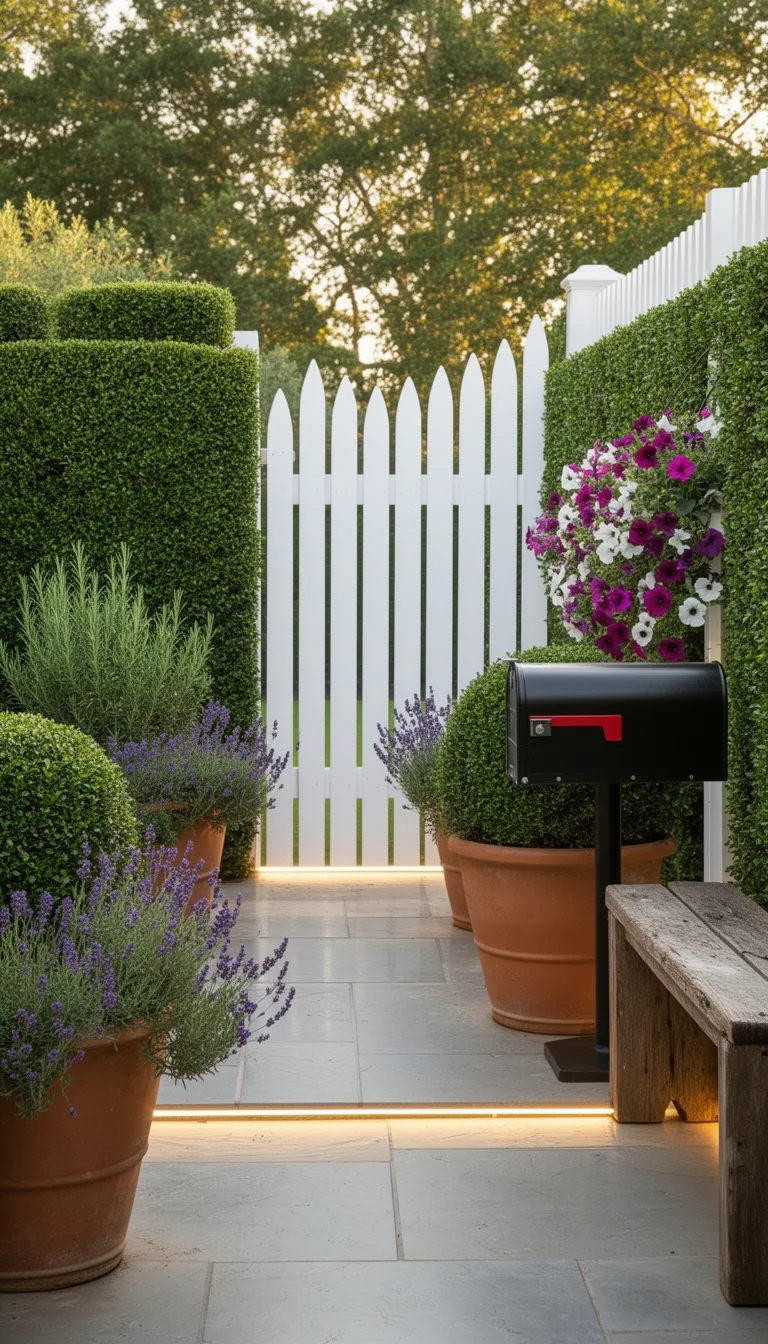
Often, a well‑kept front garden instantly boosts a home’s curb‑appeal, signaling pride of ownership and inviting positive first impressions. You’ll notice how neat borders, seasonal blooms, and tidy pathways draw eyes toward the front door, creating a welcoming frame for visitors.
In spring, fresh tulips and daffodils add bright color; summer’s lavender and roses offer fragrance and texture; autumn’s mums and ornamental grasses provide warm tones; winter’s evergreens and ornamental berries sustain visual interest when leaves fall. This visual consistency reassures passersby that you care for your property, which can increase perceived value and encourage higher offers if you sell.
Moreover, a polished garden reduces clutter, guides foot traffic, and sets a tone of hospitality that lingers long after the first glance.
Choose a Striking Color Palette for Curb‑Appeal
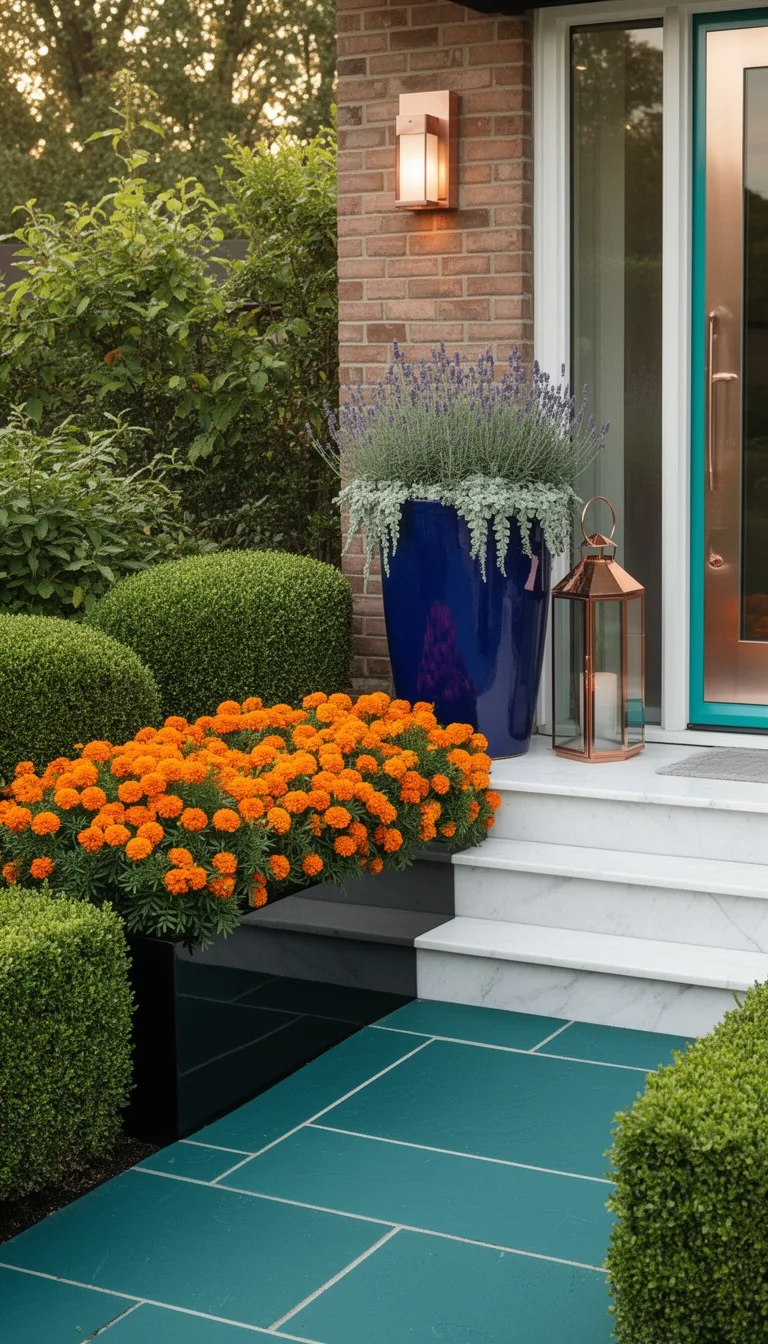
A well‑chosen color scheme can instantly transform an ordinary front garden into a visual magnet that draws the eye from the street. Start with a base of neutral stone or mulch, then layer bold hues that echo the season—emerald foliage in spring, deep burgundy in autumn, crisp white blossoms in summer, and icy blues in winter.
Pair a striking focal plant, like a red‑flowering hydrangea, with complementary accents such as golden ornamental grasses or lavender‑purple sage. Use planters in contrasting tones to break up monotony, and sprinkle seasonal annuals—sunny marigolds, violet petunias, or teal petunias—to keep the palette fresh.
Keep the overall balance in check by limiting the number of dominant colors to three, allowing each shade to breathe and guide the visitor’s gaze toward your entryway.
Add a Low‑Maintenance Succulent Border
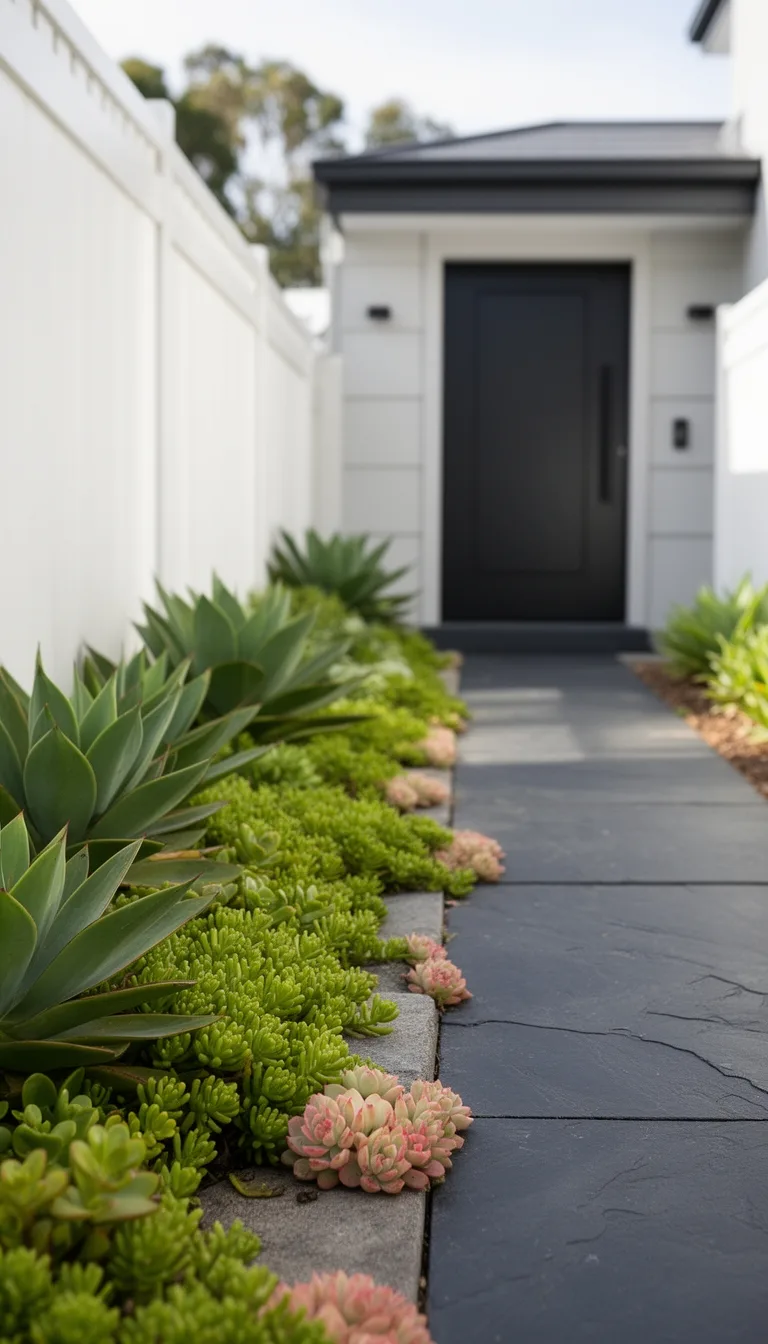
Typically, you’ll start the succulent border by laying a well‑draining base of coarse sand and small gravel, then planting drought‑tolerant varieties such as Echeveria, Sedum, and Agave in staggered clusters that echo the garden’s seasonal rhythm.
Choose a mix of colors and textures: chartreuse leaves of Sedum ‘Angelina’ contrast with the rosette blues of Echeveria ‘Blue Star’, while Agave ‘Mediopicta’ adds sculptural height.
Space plants 6–8 inches apart to allow airflow, reducing rot risk.
Mulch lightly with decorative river rocks to retain heat and suppress weeds.
Water sparingly—once every two weeks in summer, less in winter—using a drip line to target roots.
In spring, trim back leggy growth; in fall, replace any dead foliage to keep the border tidy and inviting.
Plant Evergreen Shrubs for Structure & Privacy
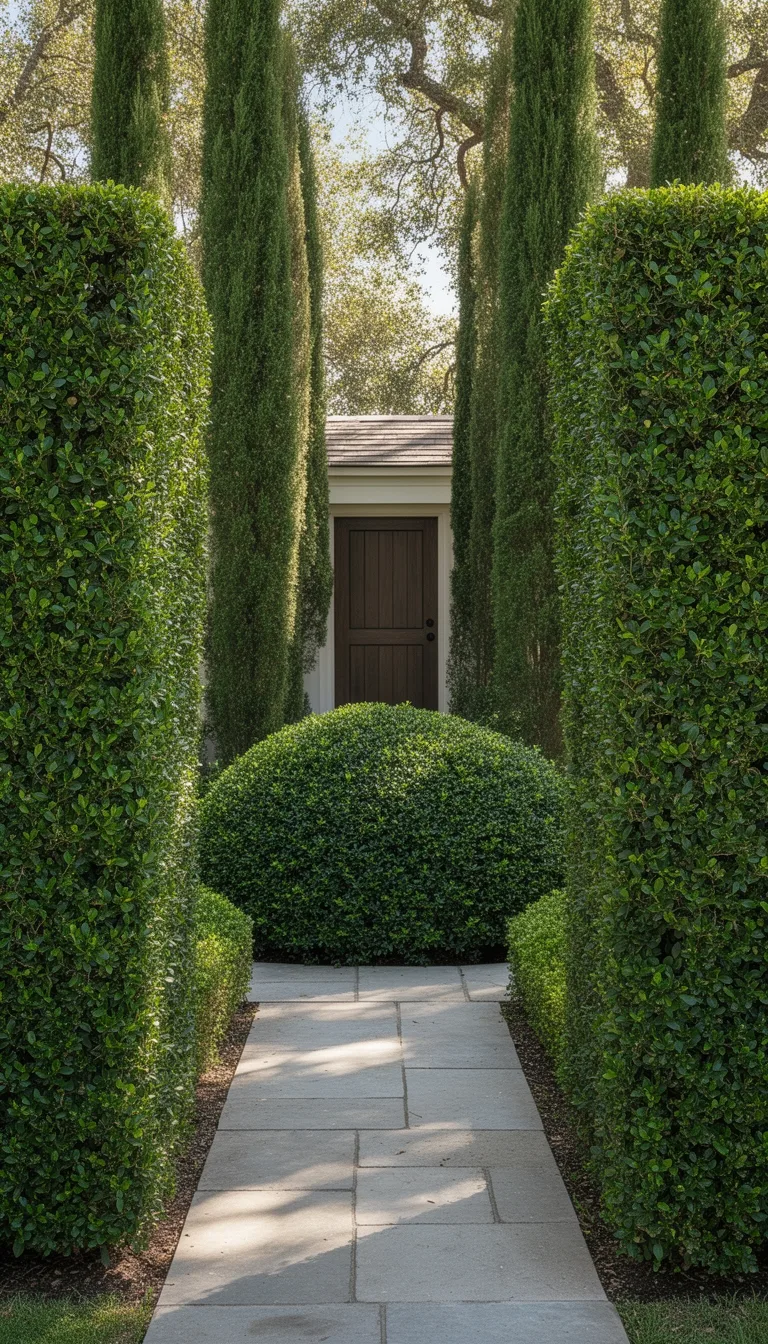
After the low‑maintenance succulent border settles into place, you can add evergreen shrubs to give the garden year‑round structure and privacy. Choose compact, dense varieties like dwarf boxwood, Japanese holly, or dwarf yew, planting them in groups of three for visual weight.
Space each shrub about three feet apart, allowing their foliage to interlock and form a living screen. In spring, prune lightly to shape the barrier and remove any dead wood; the fresh cuts encourage vigorous growth.
Summer heat may stress foliage, so mulch a two‑inch layer of bark to retain moisture. Autumn brings rich color—let the shrubs retain their green hue while surrounding plants turn amber.
Winter’s snow will outline the evergreen silhouette, maintaining privacy until the next growing season.
Install a Curved Pathway to Guide Guests
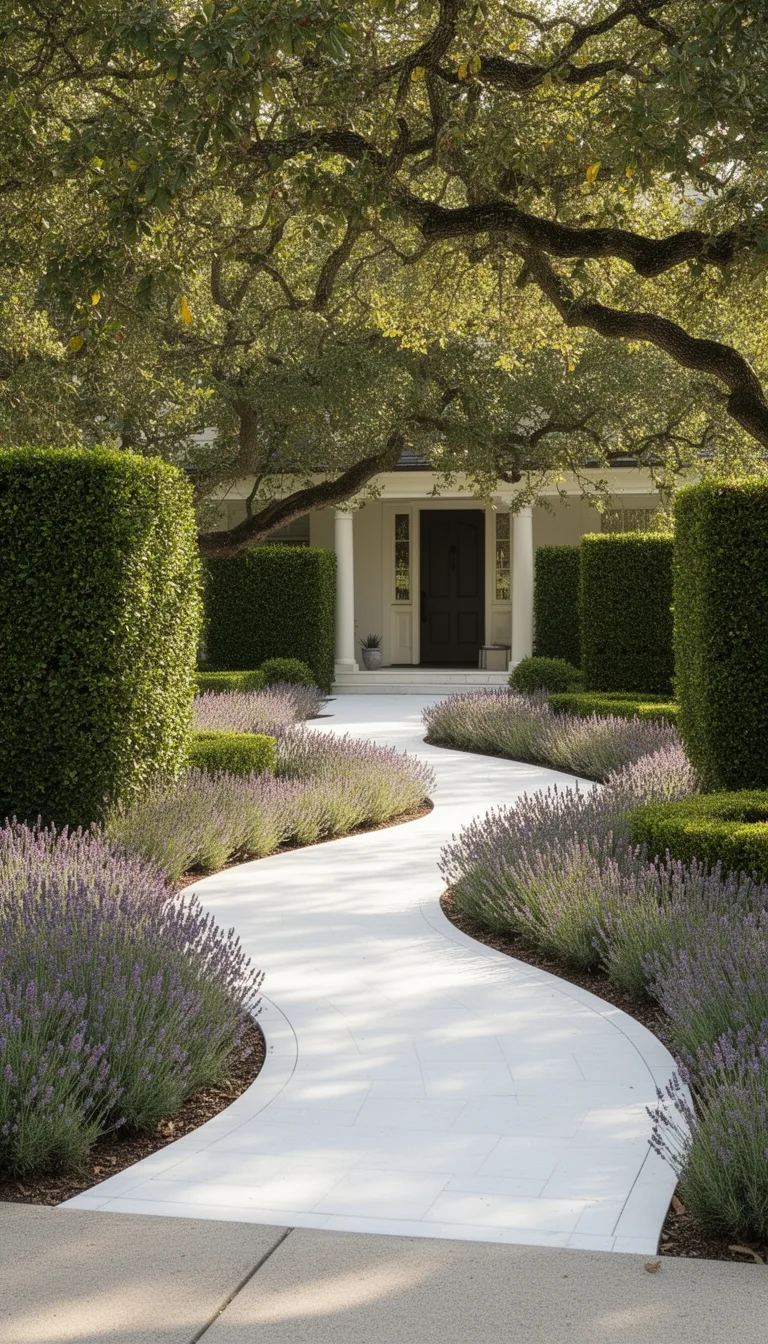
Winding a gently curved pathway through your front garden creates a natural flow that invites guests to explore every seasonal vignette.
Choose a material that complements your home’s architecture—smooth flagstones for a Mediterranean feel, reclaimed brick for rustic charm, or permeable pavers for modern sustainability.
Lay the stones in a gentle S‑shape, spacing joints just enough for moss to settle in winter and reveal bright spring flowers in summer.
Edge the path with low, drought‑tolerant groundcovers like creeping thyme, which releases fragrance when stepped on.
Install subtle lighting at intervals; solar LED globes highlight the curve after dusk and accentuate autumn foliage.
In winter, allow a thin layer of snow to outline the curve, turning the walkway into a serene, white ribbon that guides visitors gracefully to your door.
Use Raised Planters to Add Height & Definition
A well‑placed raised planter instantly adds vertical interest, turning flat garden beds into a layered tableau that frames each season’s colors. You’ll notice how the height draws the eye upward, making the entrance feel grander.
Choose weather‑resistant wood or stone, line it with landscape fabric, and fill it with a mix of loam and compost for healthy roots. Planting in tiers lets you showcase spring bulbs at the top, summer perennials in the middle, and autumn foliage below, creating a seamless seasonal flow. Keep the edges clean, mulch to retain moisture, and water consistently for a lush, defined look.
- Select a sturdy, decorative container that complements your façade.
- Layer soil and plant varieties for year‑round color.
- Maintain edging, mulch, and watering for crisp, defined height.
Create a Small Water Feature for Calm Ambiance
When you install a modest water feature—whether a sleek stone basin, a reclaimed copper trough, or a simple tabletop fountain—you instantly introduce a soothing soundscape that softens the garden’s edges and invites lingering moments. Choose a basin that complements the season: a frosted stone works in winter, while a sun‑warmed copper glows in summer. Position the pump low to keep ripples gentle, and line the rim with low‑grow thyme or ornamental grasses for texture. Use a timer to sync flow with daylight, conserving energy and enhancing ambience at dusk.
| Material | Seasonal Touch |
|---|---|
| Stone basin | Frost‑kissed in winter |
| Copper trough | Warm patina in autumn |
| Tabletop fountain | Bright glass beads in spring |
| Pump setting | Low flow for night serenity |
Hang a Decorative Mirror on Your Door
Hang a decorative mirror on your front door to instantly brighten the entrance and reflect seasonal foliage, creating a welcoming tableau that changes with each bloom.
Choose a frame that echoes your garden’s palette—weathered oak for autumn, crisp white for winter, pastel pastel for spring, or vibrant teal for summer.
Position the mirror at eye level so passersby see themselves amid blooming roses, golden maples, or frosted holly, forging a personal connection with your home.
- Select a protective coating – UV‑resistant glass prevents fading while allowing crisp reflections through sun or snow.
- Secure with rust‑proof hardware – stainless steel brackets keep the mirror steady during wind or rain.
- Add a seasonal accent – a wreath, garland, or simple sprig of lavender frames the mirror, reinforcing the current season’s mood.
Set Up Solar Path Lights for Evening Appeal
Your decorative mirror now catches the day’s light, so let the evening glow take over with solar path lights that guide visitors after sunset. Choose fixtures that complement seasonal foliage: warm amber for autumn leaves, crisp white for winter snow, soft pastel for spring blossoms, and vibrant teal for summer evenings. Position lights 3‑4 feet apart along the walkway, aiming each sensor upward to maximize charge. Bury the base 2 inches deep to keep wires hidden, and use a reflective mulch to amplify illumination. Adjust the timer to dim at 10 p.m., preserving nighttime wildlife while maintaining safety.
| Light Style | Seasonal Color | Placement Tip |
|---|---|---|
| Lantern‑type | Amber (Fall) | Near maple canopy |
| Spike‑style | White (Winter) | Along stone path |
| Globe‑type | Pastel (Spring) | Between flower beds |
| LED‑strip | Teal (Summer) | Along patio edge |
Add a Rustic Bench for Function & Charm
Place a weathered wooden bench beneath the shade of your lilac hedge, and let it become the centerpiece of seasonal gatherings. You’ll feel the cool spring breeze as you sit, then watch autumn leaves settle on its slats, while winter snow frames its sturdy silhouette.
The bench invites you to pause, sip tea, or greet guests with a warm smile, turning the entrance into a lived‑in gallery of nature’s cycles.
- Choose reclaimed timber – aged planks with natural knots add texture and echo the garden’s organic rhythm.
- Apply a protective oil – seasonal coats resist rain, sun, and frost while enhancing the wood’s warm patina.
- Add seasonal cushions – breathable linen in spring pastels, woven wool for fall, and waterproof covers for winter keep comfort year‑round.
Install a Decorative Gate as a Focal Point
When spring’s first blossoms unfurl, a decorative gate can instantly become the garden’s visual anchor, framing the entrance and guiding the eye toward the blooming path beyond.
Choose a gate whose material—wrought iron, reclaimed wood, or powder‑coated aluminum—mirrors the seasonal palette; a dark finish accentuates fresh green, while a weather‑edged hue blends with early‑season mud.
Install hinges that allow smooth swing, then add brass or bronze handles for tactile contrast.
Plant low‑growth perennials, such as lavender or creeping thyme, along the gate’s base to soften metal edges and release fragrance as the sun warms.
Light the gate with solar‑powered lanterns, casting warm glows that highlight intricate scrollwork after dusk.
This focal point unites function and aesthetics, inviting guests into a garden that celebrates spring’s arrival.
Use Vertical Garden Panels for Green Walls
The decorative gate you just installed frames the entrance, but the garden’s vertical space can also become a living showcase. Imagine a green wall that greets guests with seasonal color shifts, from spring’s fresh ferns to autumn’s deep‑red foliage. By mounting modular panels, you control height, density, and plant mix, turning a blank wall into a dynamic backdrop that reflects the calendar’s moods.
- Choose hardy, low‑maintenance species – succulents, lavender, and ornamental grasses thrive in most climates and need minimal watering.
- Layer planting depths – place taller, sun‑loving herbs at the back, mid‑height perennials in the middle, and trailing groundcovers on the front for texture and airflow.
- Integrate smart irrigation – drip lines or self‑watering inserts keep moisture consistent, preventing runoff and ensuring each season’s bloom arrives on cue.
Add Recycled Accents for Eco‑Friendly Curb‑Appeal
Often, a few thoughtfully repurposed items can instantly boost your curb‑appeal while keeping the footprint low. Choose season‑appropriate pieces that endure weather and showcase your eco‑mindset. A reclaimed wooden pallet becomes a rustic planter for spring bulbs, while a rusted metal drum, painted in muted autumn tones, stores rain‑collected water for winter watering. Upcycled glass bottles, cut and painted, act as whimsical edging for summer pathways. Even old pallets can be re‑stained for a fresh fall look, and a repurposed tire, covered in moss, creates a low‑maintenance winter focal point.
| Item | Seasonal Use |
|---|---|
| Pallet planter | Spring |
| Metal drum | Autumn |
| Glass bottle edging | Summer |
| Re‑stained pallet | Fall |
| Moss‑covered tire | Winter |
Install a Smart Irrigation System for Water Savings
Your repurposed rain‑water barrel can now do more than just collect runoff; pairing it with a smart irrigation controller lets you fine‑tune watering schedules to each season’s needs. In spring, the sensor detects rapid soil moisture loss and triggers short bursts to nurture seedlings without waste.
Summer’s heat maps prompt deeper, less frequent cycles that reach root zones while conserving gallons. Autumn’s cooler temps automatically reduce frequency, preserving moisture for dormant perennials.
- Sensor Placement – Install moisture probes near the barrel’s outlet and under the most water‑intensive plants for accurate feedback.
- Zone Programming – Divide the front garden into sun‑exposed, shade‑protected, and mixed zones; assign each a tailored schedule.
- Weather Integration – Sync the controller with a local forecast API so rain delays pause watering, preventing over‑irrigation.
Place a Stylish Welcome Mat & Door Sign
Welcome guests with a stylish mat and coordinated door sign that reflect the season’s vibe—think a woven jute rug in autumn, a bright, water‑resistant polyblend for summer, and a hand‑painted wooden plaque with a warm, handwritten greeting.
Choose a mat that matches your front porch color palette; a muted sage jute complements fall foliage, while a teal polyblend echoes summer skies. Pair it with a sign that uses the same material or a contrasting metal frame for visual balance.
Secure the mat with non‑slip backing to prevent slipping on rain‑slicked stone. Mount the sign at eye level, ensuring the text is legible from the driveway.
Rotate designs yearly: swap seasonal motifs, refresh colors, and keep the entrance lively without major expense.
Add a Small Fire Pit for Evening Warmth
Adding a compact fire pit to your front garden creates a cozy focal point for crisp evenings, inviting friends to linger while the embers glow.
You’ll choose a low‑profile steel or cast‑iron basin that fits the pathway’s width, then surround it with heat‑resistant stone pavers.
In autumn, the flickering light accentuates amber leaves; in winter, it offers a brief respite from the chill.
Position the pit near a modest seating cluster, ensuring clearance for safety and easy access to a fire‑wood storage box.
Keep a small metal bucket for ash and a wind‑screen to protect the flame from gusts.
- Select a pit size that complements your entrance width.
- Use non‑flammable paving and a fire‑wood storage container.
- Add seasonal lighting and wind‑screen for safety.
Choose Decorative Pebbles for Low‑Maintenance Ground Cover
A tray of smooth river stones can transform a front‑yard pathway into a low‑maintenance canvas that still feels inviting. You’ll pick pebbles that match the season’s palette—cool grays for winter, warm amber in autumn, bright teal in summer. Lay a geotextile fabric first, then spread the stones to a depth of three inches; this prevents weeds and eases drainage. Lightly rake the surface for an even texture, then water sparingly to settle the stones. The result is a durable, tactile walkway that invites barefoot strolls and showcases seasonal plantings without constant upkeep.
| Color | Size (in) | Ideal Season |
|---|---|---|
| Slate Gray | ½‑¾ | Winter |
| Terracotta | ¾‑1 | Autumn |
| Sea‑foam Green | ¼‑½ | Spring |
| Sunburst Orange | ½‑¾ | Summer |
| Mixed Pebble | ¼‑1 | All‑Year |
Lay Outdoor Rugs to Define Seating Zones
After placing pebble pathways, you can accentuate the spaces between them with outdoor rugs that instantly carve out cozy seating zones. Choose a rug that tolerates rain, sun, and frost, and pick a color that mirrors the season—deep amber for autumn, crisp white for winter, vibrant teal for summer.
Lay the rug on a level spot, secure it with non‑slip pads, and arrange chairs or benches around it to create a defined gathering area.
- Select weather‑resistant fibers – polypropylene or solution‑dyed acrylic resist mold and UV fading.
- Match texture to climate – low‑pile for rainy regions, high‑pile for dry, breezy yards.
- Anchor edges – use garden stakes or hidden clips to prevent slipping during gusty days.
Swap Seasonal Décor to Keep the Look Fresh
Swap out your décor each season to keep the garden feeling fresh and inviting.
In spring, replace winter wreaths with pastel‑colored fabric garlands, add blooming potted tulips, and scatter lightweight, pastel lanterns.
Summer calls for vibrant, weather‑resistant cushions in bold hues, a turquoise water feature, and citrus‑scented candles that attract pollinators.
Autumn invites rust‑tone throw blankets, pumpkins painted with metallic accents, and amber‑glowing LED string lights draped over low arches.
Winter works best with frosted pine cones, deep‑green evergreen wreaths, and a cozy, insulated bench wrapped in a thick, plaid throw.
Rotate these pieces quarterly, store off‑season items in airtight bins, and refresh the layout by swapping positions to maintain visual interest throughout the year.
Maintain Your Vertical Garden for Ongoing Appeal
Regularly pruning your vertical garden keeps it lush and prevents overcrowding, which can choke airflow and invite disease.
In spring, trim back dead stems and thin out fast‑growing foliage to let new shoots breathe.
Summer calls for watering at the base, feeding with a balanced fertilizer, and checking for pests under the shade of taller plants.
Autumn, you’ll want to reduce watering, clean away fallen leaves, and protect roots with mulch before frost.
- Trim & Thin – cut spent blooms, remove weak stems, and shape the structure each season.
- Water & Feed – water at the root zone, apply slow‑release fertilizer, and monitor moisture levels.
- Protect & Clean – clear debris, add mulch, and cover vulnerable sections during cold snaps.
Conclusion
You’ve now got a toolbox of seasonal tricks to keep your front garden fresh and inviting. By pairing a bold color palette with low‑maintenance succulents, evergreen shrubs, and a curved pathway, you’ll guide guests straight to your door. Swap out décor each season, layer textures with decorative pebbles and outdoor rugs, and keep the space thriving with smart irrigation. The result? A welcoming entrance that looks polished year‑round without demanding endless effort.
The Only Tools You Need for a Thriving Garden 🌱
Whether you're a weekend gardener or growing daily — these hand-picked tools make every session faster, easier, and more satisfying.