
You’re looking to turn a plain yard into a functional showcase, and the right garden beds can make that happen without breaking the bank. From raised cedar boxes that keep your back safe to recycled pallet planters that add a rustic touch, each option offers a blend of style and practicality. You’ll also discover tiered herb setups for easy harvesting, self‑watering systems that cut down on maintenance, and themed beds that attract pollinators or thrive in shade. The next step reveals how these ideas fit together for year‑round color and convenience.
Key Takeaways
- Mix rot‑resistant cedar or redwood lumber for raised beds, cutting boards to 4‑ft width for easy reach and using stainless‑steel screws for durability.
- Incorporate built‑in drip‑line or soaker hose irrigation with a timer and pressure regulator, flushing the system before winter to prevent clogs.
- Use layered soil mixes—compost, peat moss, coarse sand, and perlite—to ensure good drainage and moisture retention across all bed types.
- Choose diverse bed styles such as tiered wooden frames, curved stone borders, pallet‑recycled boxes, and metal‑frame containers for visual interest and functional variety.
- Add child‑friendly features like rounded‑edge raised boxes, stepping‑stone paths with painted numbers, and soft rubber edging to create a safe, engaging backyard garden.
Raised Wooden Garden Bed: Easy Access & Classic Look
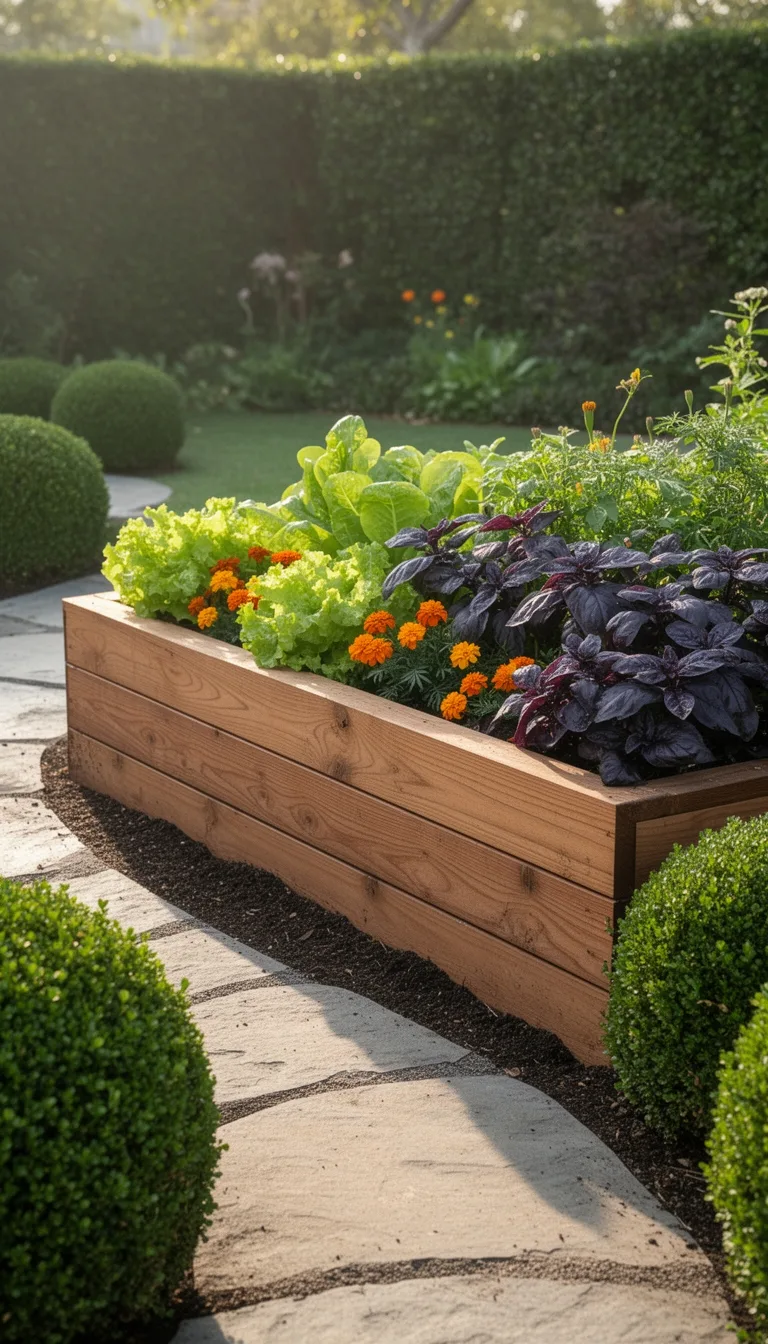
A raised wooden garden bed gives you easy access and a timeless look, letting you tend to plants without bending over.
Start by selecting rot‑resistant lumber—cedar or redwood works best—and cut the boards to a 4‑foot width so you can reach the center from either side.
Assemble the frame with stainless‑steel screws to avoid rust, then level it on compacted soil or a gravel base for drainage.
Fill the bed with a mix of compost, peat moss, and coarse sand, aiming for a loamy texture that retains moisture yet drains excess water.
Plant herbs, lettuce, or shallow‑rooted veggies, spacing them 6‑8 inches apart.
Water consistently, mulch the surface, and you’ll enjoy a tidy, low‑maintenance garden that stays productive year after year.
Concrete Block Garden Bed: Modern, Low‑Maintenance Design

If you liked the timeless look of a raised wooden bed but want something even sturdier and virtually maintenance‑free, concrete blocks deliver a modern, low‑maintenance garden solution.
Choose standard 8‑inch blocks, stack them in a rectangle, and backfill with a mix of topsoil and compost. The blocks lock together without mortar, so you can disassemble or re‑configure the bed when needed. Their weight prevents shifting, and the smooth surface resists rot and insect damage.
Add a landscape fabric liner to keep soil from escaping through gaps. Drainage is simple—just drill a few holes in the bottom block or place a gravel layer before the soil.
The result is a sleek, durable bed that holds its shape for years with minimal upkeep.
Recycled Pallet Garden Bed: Budget‑Friendly Upcycle Idea

Transform old pallets into a sturdy, budget‑friendly garden bed by simply disassembling, sanding, and re‑configuring the boards into a rectangular frame. Cut the slats to equal length, nail them together, and line the bottom with landscape fabric to keep weeds out. Fill the box with a mix of compost and topsoil, then plant herbs, lettuce, or flowers. The pallet’s natural look blends with any backyard style, and you’ll save money while reducing waste.
| Benefit | Feel |
|---|---|
| Low cost | Satisfaction |
| Easy DIY | Pride |
| Eco‑friendly | Joy |
You’ll finish the project in a weekend, and the finished bed will invite you to tend it daily, turning a simple upcycle into a thriving garden centerpiece.
Vertical Trellis Garden Bed: Maximize Small Spaces
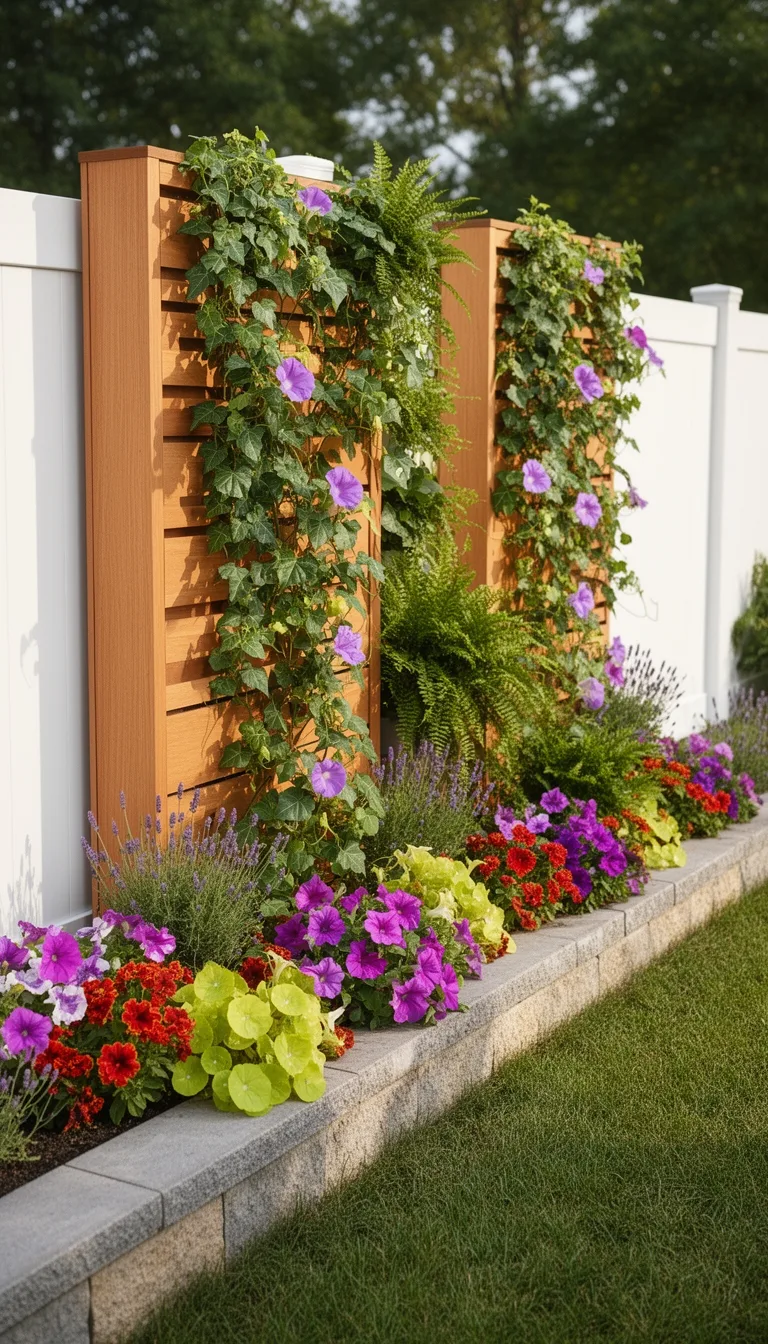
Set up a vertical trellis garden bed to squeeze every inch of a tight yard into productive planting space, using a sturdy frame of wood or metal and a lattice that lets vines and leafy greens climb upward.
Choose a location that gets at least six hours of sunlight and anchor the frame securely to prevent wind damage.
Plant fast‑grow climbers like beans, peas, or cucumbers at the base, and intermix slower herbs such as basil or mint for shade.
Water from the bottom with a drip‑irrigation line to reach roots without wetting foliage, reducing disease risk.
Harvest by cutting stems just above a leaf node; the plant will keep producing.
This vertical setup maximizes yield while freeing ground space for ground‑cover vegetables or decorative mulch.
Tiered Herb Garden Bed: Harvest Fresh Flavors Year‑Round
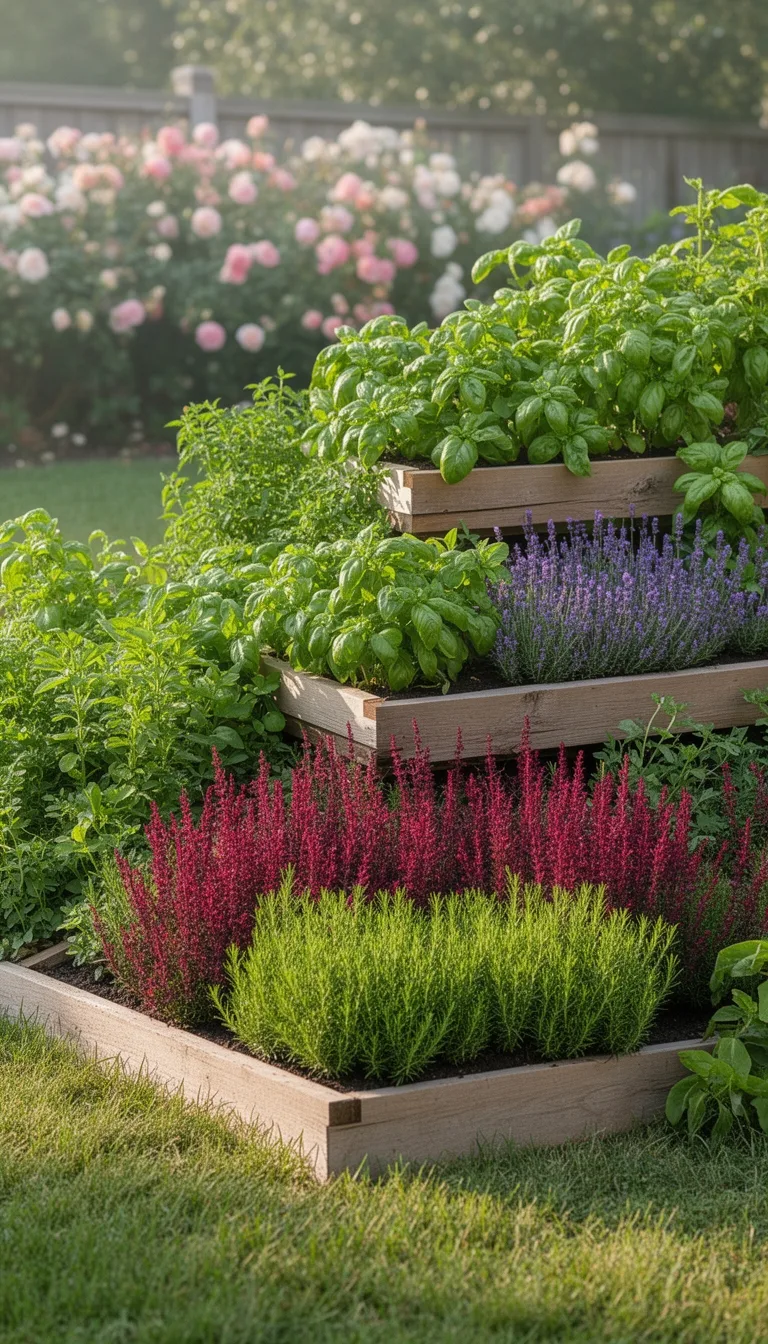
After you’ve squeezed extra growing area from a vertical trellis, you can keep the momentum going with a tiered herb garden bed that delivers fresh flavors all year.
Build a three‑tier frame using rot-resistant lumber or reclaimed pallets, spacing each level 12‑18 inches apart for easy access.
Fill the bottom tier with a well‑draining mix of compost, peat, and perlite; add a slightly richer blend to the middle and top tiers to accommodate lighter‑rooted herbs like basil and thyme.
Plant shade‑tolerant herbs low down and sun‑loving varieties higher up, rotating crops each season to prevent soil fatigue.
Install a drip‑irrigation line along the back, set a timer for morning watering, and mulch each tier to retain moisture and suppress weeds.
This vertical arrangement maximizes space, improves airflow, and gives you a constant supply of aromatic leaves for cooking.
Curved Stone Garden Bed: Soft Lines for a Romantic Feel
If you want a garden that feels intimate and inviting, a curved stone bed can give you soft, flowing lines that blend seamlessly with the landscape.
Choose low‑profile flagstones or river rocks that sit just above the soil; they create a gentle contour without overwhelming the space. Lay a weed‑blocking fabric before placing the stones to keep maintenance low.
Fill the interior with a well‑draining soil mix, then plant low‑growth perennials, herbs, or groundcovers that follow the curve. Group plants in threes or fives for visual balance, and add a few dwarf shrubs at the ends to anchor the design.
Water with a drip‑irrigation line to conserve moisture and reduce runoff. This setup delivers romance and practicality in equal measure.
Metal Frame Garden Bed: Sleek Industrial Aesthetic
Embracing the clean lines of metal, a metal‑frame garden bed instantly injects an industrial edge into any yard. You’ll appreciate its durability—steel resists rot, pests, and weather better than wood. Choose a galvanized or powder‑coated frame to avoid rust, and assemble the panels with simple bolts or brackets.
Fill the interior with a high‑quality soil mix; the metal walls stay cool, so you can plant heat‑loving herbs, succulents, or compact vegetables without worrying about root rot. The sleek profile makes it easy to align with pathways or patio furniture, and you can paint it to match existing décor. Maintenance is minimal: wipe down the frame seasonally and check bolts for tightness. This practical, low‑maintenance option delivers a modern look while supporting healthy plant growth.
Mixed‑Texture Garden Bed: Boost Drainage & Visual Interest
The metal frame’s sleek, durable design sets a modern foundation, but adding varied textures can dramatically improve both drainage and visual appeal. Mix coarse gravel, shredded bark, and fine sand in layers; the larger pieces create channels for excess water, while the finer material retains moisture for roots. Spread each layer evenly, then top with a lightweight soil mix that settles between the textures. This approach prevents soggy spots and gives the bed a dynamic, tactile look that changes with light and season.
| Layer | Material | Purpose |
|---|---|---|
| 1 | Coarse gravel | Rapid drainage |
| 2 | Shredded bark | Aeration & moisture retention |
| 3 | Fine sand | Soil smoothing |
| 4 | Light soil mix | Plant support |
Pollinator‑Friendly Garden Bed: Attract Bees, Butterflies & Hummingbirds
A vibrant pollinator‑friendly bed starts with a mix of nectar‑rich flowers, fragrant herbs, and seed‑producing perennials that bloom at different times, ensuring food for bees, butterflies, and hummingbirds throughout the season.
Choose plants like coneflower, bee balm, salvias, and milkweed for long bursts of color and nectar.
Space taller stems toward the back, medium heights in the middle, and low‑growing herbs such as thyme and oregano up front to create layered access.
Add a shallow water source—like a birdbath or a dish with a stone—to let hummingbirds sip.
Avoid pesticides; instead, use neem oil or hand‑picking for pests.
Mulch with bark chips to retain moisture and keep weeds down, and prune spent blooms regularly to stimulate fresh growth.
Night‑Bloom Garden Bed: Colorful Flowers After Dark
When night falls, choose plants that open their petals after dark to keep your garden glowing with scent and color.
Pick moonflowers, evening primroses, and night-blooming jasmine for fragrant, pale blooms that stand out under moonlight. Space them 18‑24 inches apart, allowing airflow and easy access for watering.
Use a well‑draining mix enriched with compost; add a layer of mulch to retain moisture and suppress weeds.
Water early in the day so foliage dries before dusk, reducing fungal risk.
Install low‑voltage LED spotlights to highlight the blossoms without overwhelming the natural glow.
Fertilize monthly with a balanced, slow‑release formula to sustain vigor.
Finally, prune spent flowers weekly to encourage fresh growth and prolong the night‑time display.
Edible Flower Garden Bed: Beauty Meets Culinary Use
Mixing edible blossoms into your garden bed lets you harvest fresh, colorful ingredients straight from the soil while keeping the space visually striking.
Choose a mix of low‑maintenance and high‑yield varieties—nasturtium, calendula, and borage add bright hues and attract pollinators, while chives, mint, and rosemary provide culinary herbs and subtle flowers.
Plant in a sunny spot with well‑draining soil, spacing each species according to its mature size to avoid crowding.
Water consistently, but let the top inch dry betweenings to prevent rot.
Harvest early in the morning for peak flavor; pinch petals, buds, or leaves as needed, and replace cuts with new growth.
Rotate crops each season to maintain soil health and keep your edible flower bed thriving.
Drought‑Tolerant Garden Bed: Water‑Saving Plant Selections
Choosing just a handful of truly drought‑tolerant species lets you create a low‑maintenance garden bed that thrives on minimal water.
Start with Mediterranean staples like lavender, rosemary, and sage; they tolerate dry spells and add fragrance.
Add ornamental grasses such as blue fescue or feather reed grass for texture and movement.
Succulents like agave and sedum store moisture in their leaves, reducing irrigation needs.
Incorporate native perennials—black-eyed Susan, coneflower, and yarrow—because their deep roots seek out water underground.
Mulch heavily with bark or stone chips to lock in moisture and suppress weeds.
Group plants with similar water requirements together, and water deeply but infrequently to encourage strong root systems.
This combo delivers color, scent, and resilience while keeping your water bill low.
Raised Garden Bed With Built‑In Irrigation: Hands‑Free Watering
Set up a raised garden bed with built‑in irrigation and you’ll enjoy hands‑free watering all season long.
First, choose a sturdy frame—cedar or metal works best—and line it with a waterproof liner. Install a drip‑line or soaker hose along the base, securing it with zip ties and a pressure regulator. Connect the line to a timer that you can program for early morning or evening runs, adjusting flow rates for soil type and plant needs. Add a reservoir or connect to a rain barrel for sustainable sourcing. Cover the top with mulch to reduce evaporation and keep the line hidden. Check for clogs every few weeks, and flush the system before winter to prevent damage.
This setup saves time, conserves water, and keeps plants consistently hydrated.
Container‑Integrated Garden Bed: Flexibility for Rental Gardens
After installing a built‑in irrigation system, you can adapt the same principles to a container‑integrated garden bed that fits renters’ limited spaces.
Choose lightweight, stackable containers—plastic or fabric pots—that sit on a sturdy tray with drainage holes. Fill each pot with a well‑draining mix, then connect the drip lines to the central timer you already have.
Position the trays near a window or balcony, and use a rolling cart if you need to move them for sunlight or cleaning. Because the containers are portable, you can rearrange the layout each season without damaging walls or flooring.
Harvest regularly, replenish soil after each crop, and keep the system’s filter clean to prevent clogs. This setup gives you full garden flexibility while respecting rental restrictions.
Perennial Mix Garden Bed: Low‑Maintenance Long‑Term Color
Creating a perennial mix garden bed means you’ll enjoy vibrant color year after year with minimal effort. Choose hardy, low‑maintenance varieties that bloom at different times, layer them for texture, and group like‑loving plants together. Prepare a well‑draining soil mix, add a slow‑release fertilizer, then mulch to suppress weeds and retain moisture. Water deeply once a week, and prune only to remove dead stems. This approach gives you a garden that looks polished without constant attention.
| Sun/Light | Suggested Perennials |
|---|---|
| Full Sun | Coneflower, Black-eyed Susan |
| Partial Shade | Hostas, Astilbe |
| Moist Soil | Daylily, Iris |
| Dry Soil | Lavender, Sedum |
Seasonal Rotation Garden Bed: Swap Spring, Summer, Fall Plants
Swap out your plantings each season to keep the garden bed fresh and productive, planting cool‑weather annuals in spring, heat‑loving varieties in summer, and shade‑tolerant or color‑changing perennials in fall, so you maximize bloom time while minimizing effort.
In spring, sow lettuce, peas, and snapdragons; they germinate quickly and tolerate chilly soils. After the last frost, replace them with tomatoes, peppers, and marigolds that thrive in warm days and long nights.
When summer heat wanes, pull back the heat‑loving crops and introduce asters, mums, and ornamental kale that relish cooler, shadier conditions.
Use a simple labeling system—color‑coded stakes or a garden journal—to track planting dates, spacing, and soil amendments. Rotate crops to prevent disease buildup, replenish nutrients with compost, and keep the bed productive year‑round.
Sun‑Loving Garden Bed: Ideal for Full‑Day Exposure
When you have a spot that basks in sun all day, choose heat‑loving plants that thrive in full exposure. Pick tomatoes, peppers, basil, and sunflowers; they love the heat and reward you with abundant harvests and bright blooms.
Prepare the soil with plenty of compost to retain moisture while allowing drainage. Mulch heavily to keep the root zone cool and reduce watering frequency.
Space plants according to their mature size—taller varieties at the back, shorter ones forward—to maximize air flow and light penetration. Install a drip‑irrigation line with a timer; a steady, low‑volume supply prevents scorching without waste.
Regularly deadhead spent flowers to encourage repeat blooming, and scout for pests early to keep the bed productive all season.
Shade‑Tolerant Garden Bed: Thrive Under Trees or Decks
Under a canopy of trees or a deck’s shadow, you can still grow a thriving garden bed by selecting plants that love cool, filtered light. Choose shade‑tolerant perennials like hostas, ferns, and astilbes, which thrive in low‑light conditions and add texture.
Add evergreen shrubs such as boxwood or rhododendron for year‑round structure, and incorporate shade‑loving annuals like impatiens for seasonal color.
Prepare soil with compost and leaf mulch to retain moisture and improve fertility, because shaded areas dry slower. Space plants loosely to allow air circulation, reducing fungal risk.
Install a drip‑irrigation line with a timer to deliver consistent moisture without overwatering. Finally, prune surrounding trees lightly to increase dappled light while preserving the shade you need.
Kid‑Friendly Garden Bed: Safe Plants & Interactive Design
Creating a kid‑friendly garden bed means choosing safe, low‑maintenance plants and designing interactive features that invite curiosity while keeping safety top of mind.
Pick non‑toxic varieties like marigolds, sunflowers, lettuce, and strawberries; they’re edible, hardy, and easy to tend.
Use raised, rounded‑edge boxes at waist height so children can reach without straining.
Add a stepping‑stone path with painted numbers for counting games, and install a low fence with a latch that kids can open for supervised access.
Incorporate a sensory corner—potted herbs for scent, a small water feature for sound, and a chalkboard panel for drawing plant labels.
Keep tools stored in a locked shed, and label each plant with bright tags to reinforce learning and prevent accidental ingestion.
DIY Self‑Watering Garden Bed: Simple Reservoir for Consistent Moisture
After you’ve set up a safe, kid‑friendly garden, the next step is to keep the soil consistently moist without constant watering. Build a simple self‑watering bed by digging a shallow trench around the perimeter and placing a PVC pipe with holes at the base.
Fill the trench with a layer of coarse sand, then position a 5‑gallon food‑grade container upside‑down on the edge, sealing the top with a lid that has a small outlet. Connect the pipe to the container’s outlet so water drips into the soil as the reservoir empties.
Fill the container with water once a week; cap capillary action will draw moisture upward, maintaining even hydration for veggies and flowers while reducing daily chores.
Conclusion
You’ve got a toolbox of options—raised cedar boxes for easy access, concrete blocks for sleek durability, upcycled pallets for budget style, and tiered or curved stone beds for visual flair. Mix in trellises, drip irrigation, and self‑watering systems to keep plants thriving. Choose themed plantings—pollinator, night‑blooming, edible‑flower, drought‑tolerant, or shade—to suit your climate and aesthetic. With clear labels, soft edging, and accessible heights, your backyard will stay beautiful, functional, and enjoyable year‑round.
The Only Tools You Need for a Thriving Garden 🌱
Whether you're a weekend gardener or growing daily — these hand-picked tools make every session faster, easier, and more satisfying.