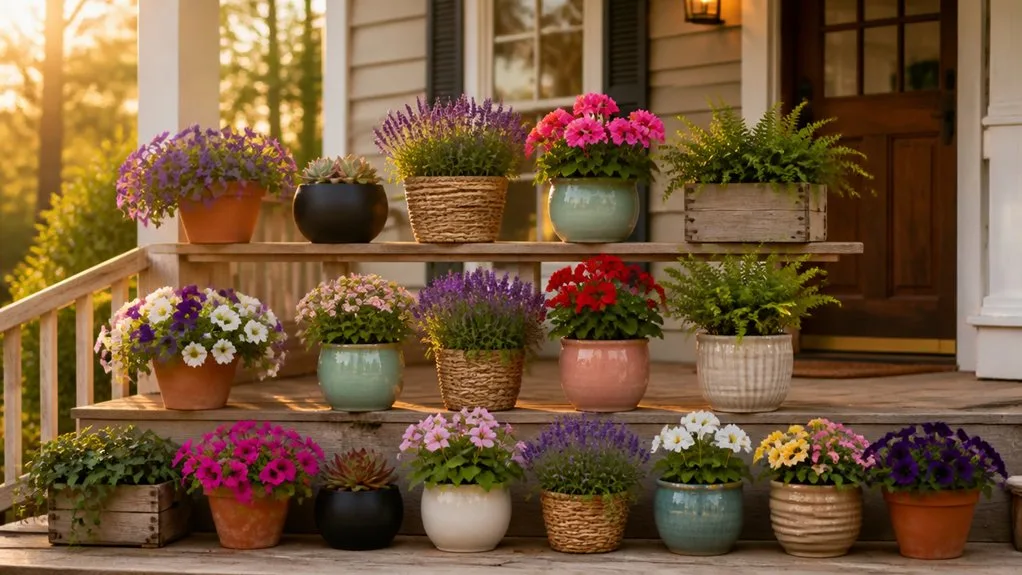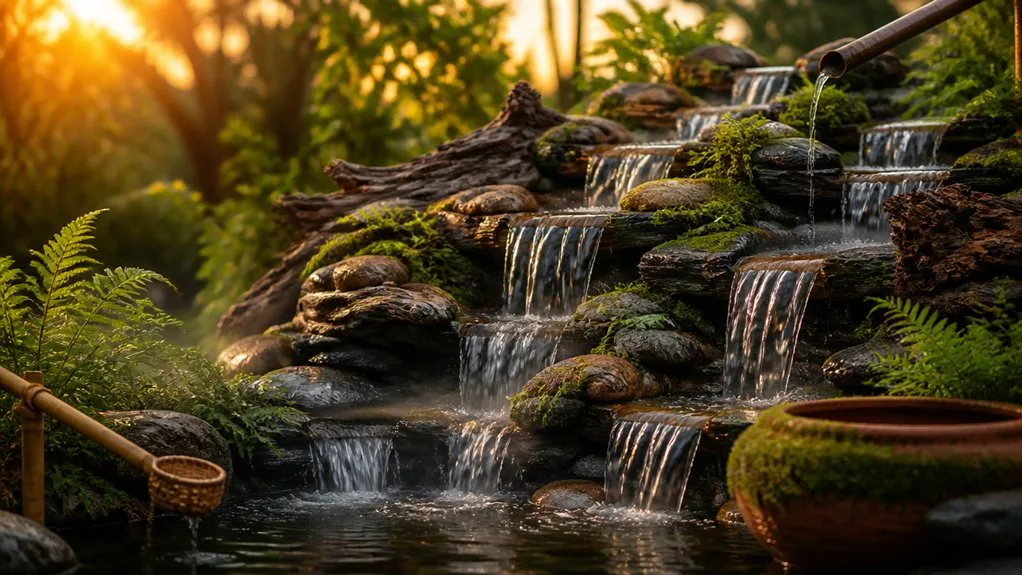

You’re looking to turn a plain backyard into a functional retreat, and the first step is deciding how each area will serve you—whether it’s dining, lounging, play, or gardening. By choosing a cohesive theme, mapping distinct zones, and selecting durable hardscapes, you set the foundation for a low‑maintenance oasis. The next sections will walk you through specific plant choices, lighting tricks, and decorative details that tie everything together while keeping upkeep minimal.
Key Takeaways
- Define functional zones (relaxation, play, gardening) based on sunlight, traffic flow, and lifestyle goals.
- Choose durable hardscape materials: stone pavers for lounging, rubber tiles for play, and porous gravel for garden paths.
- Incorporate water features like a small pond or reflecting pool with quiet pump and subtle lighting for visual interest.
- Plant native, low‑maintenance species grouped by water needs, using mulch to retain moisture and suppress weeds.
- Add outdoor structures such as a retractable canopy, trellis, or simple outdoor kitchen to enhance usability and aesthetics.
How to Plan a Backyard Oasis in 5 Simple Steps
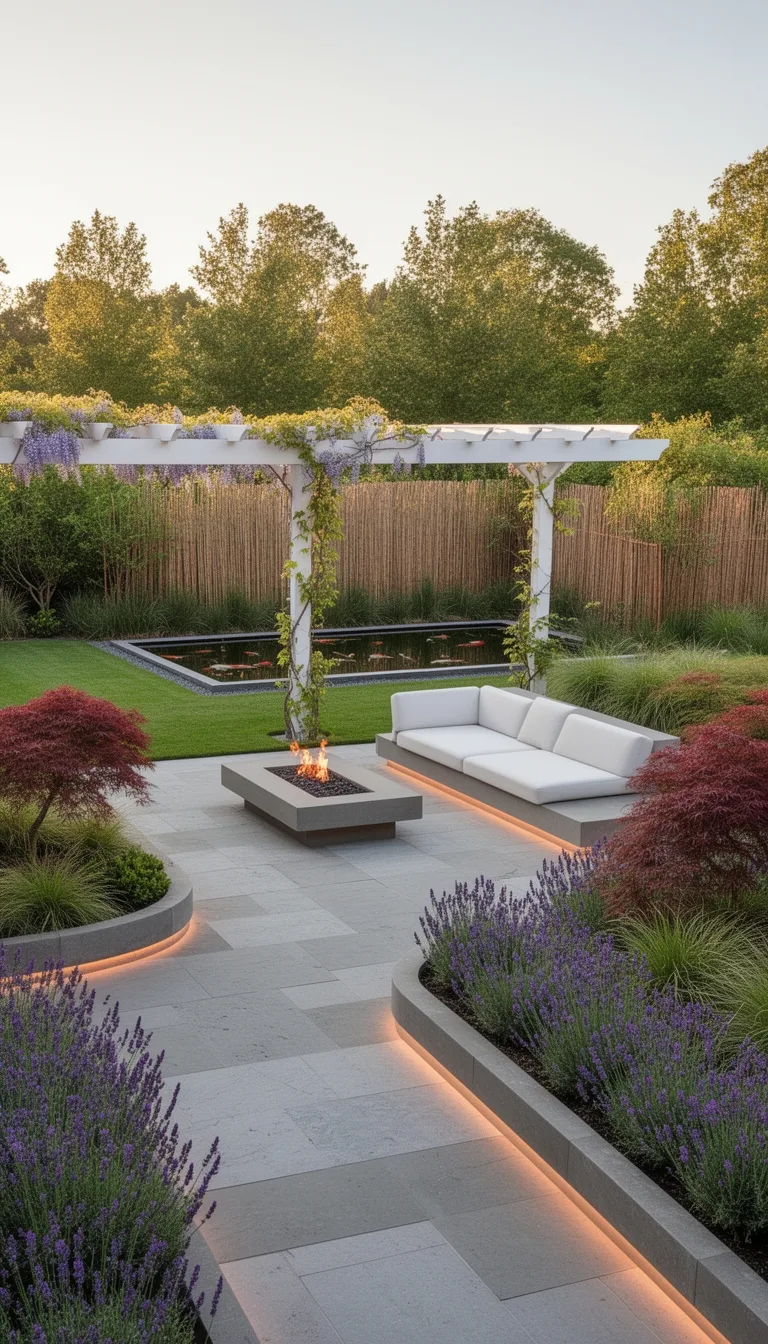
When you start planning a backyard oasis, first assess the space, sunlight, and your lifestyle goals so you can design a functional, inviting retreat. Measure the area, note sun‑exposed zones, and list activities—entertaining, gardening, relaxation.
Next, sketch a rough layout on graph paper or a digital tool, allocating zones for seating, cooking, and play while respecting traffic flow.
Third, choose core elements—pavers, decking, or a lawn—and source durable, weather‑resistant materials that fit your budget.
Fourth, plan utilities: run irrigation lines, install lighting, and locate power outlets for grills or sound systems.
Finally, create a phased budget, prioritizing structural work before décor, and schedule tasks to avoid peak summer heat. This systematic approach keeps the project on track and ensures a cohesive, usable oasis.
Choose a Cohesive Theme for Backyard Landscaping
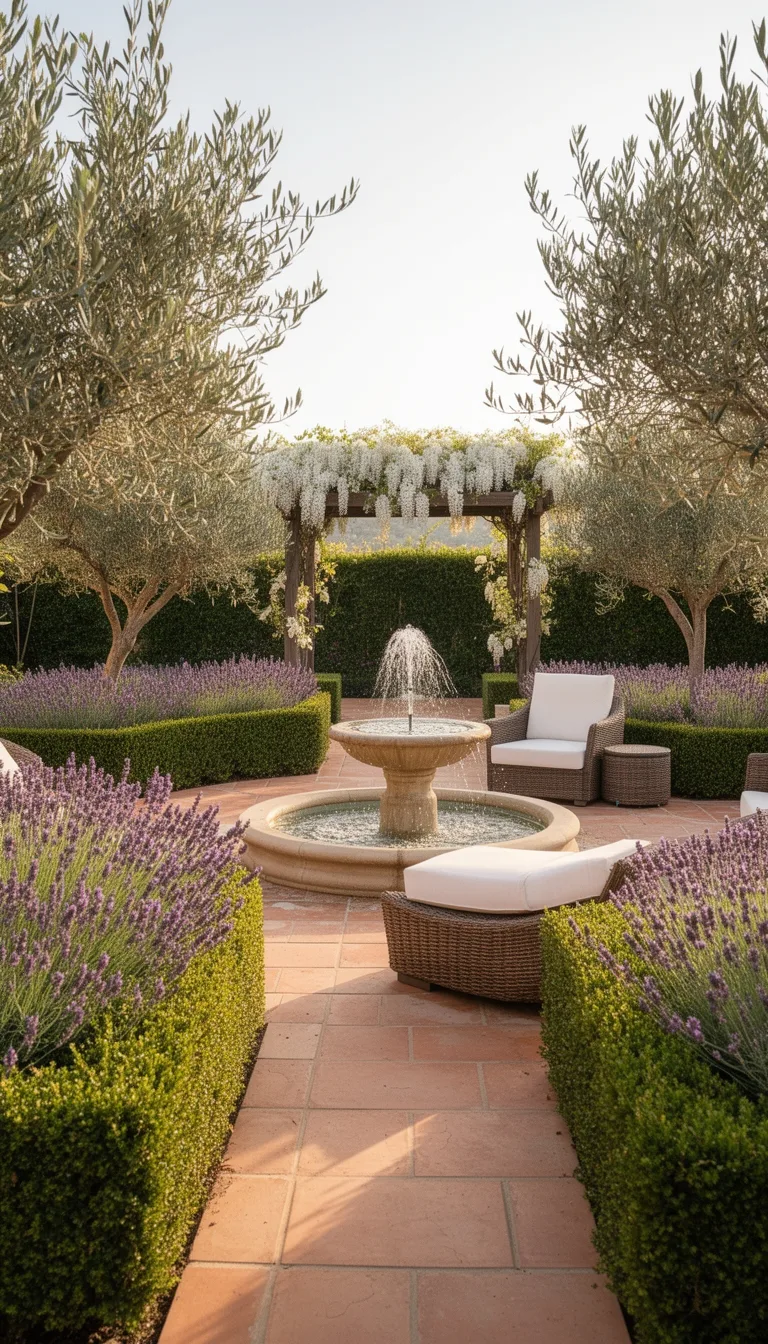
If you want your backyard to feel intentional and inviting, start by picking a single design theme that ties every element together. Choose a style—modern, rustic, Mediterranean, or Japanese—and let it guide your plant palette, furniture, lighting, and hardscape. Consistency in colors, textures, and shapes creates visual flow, making the space feel larger and more cohesive. Use the table below to match key elements with your chosen theme, ensuring each decision reinforces the overall look.
| Theme | Core Elements |
|---|---|
| Modern | Clean lines, concrete, metal, monochrome plants |
| Rustic | Reclaimed wood, stone, earthy tones, native grasses |
| Mediterranean | Terracotta, lavender, olive trees, wrought‑iron |
| Japanese | Minimalist, bamboo, water feature, moss |
| Coastal | Light wood, navy accents, sea‑grass, drift‑wood |
Apply these pairings consistently, and your backyard will instantly convey a unified, polished aesthetic.
Map Out Zones for Relaxation, Play, and Gardening
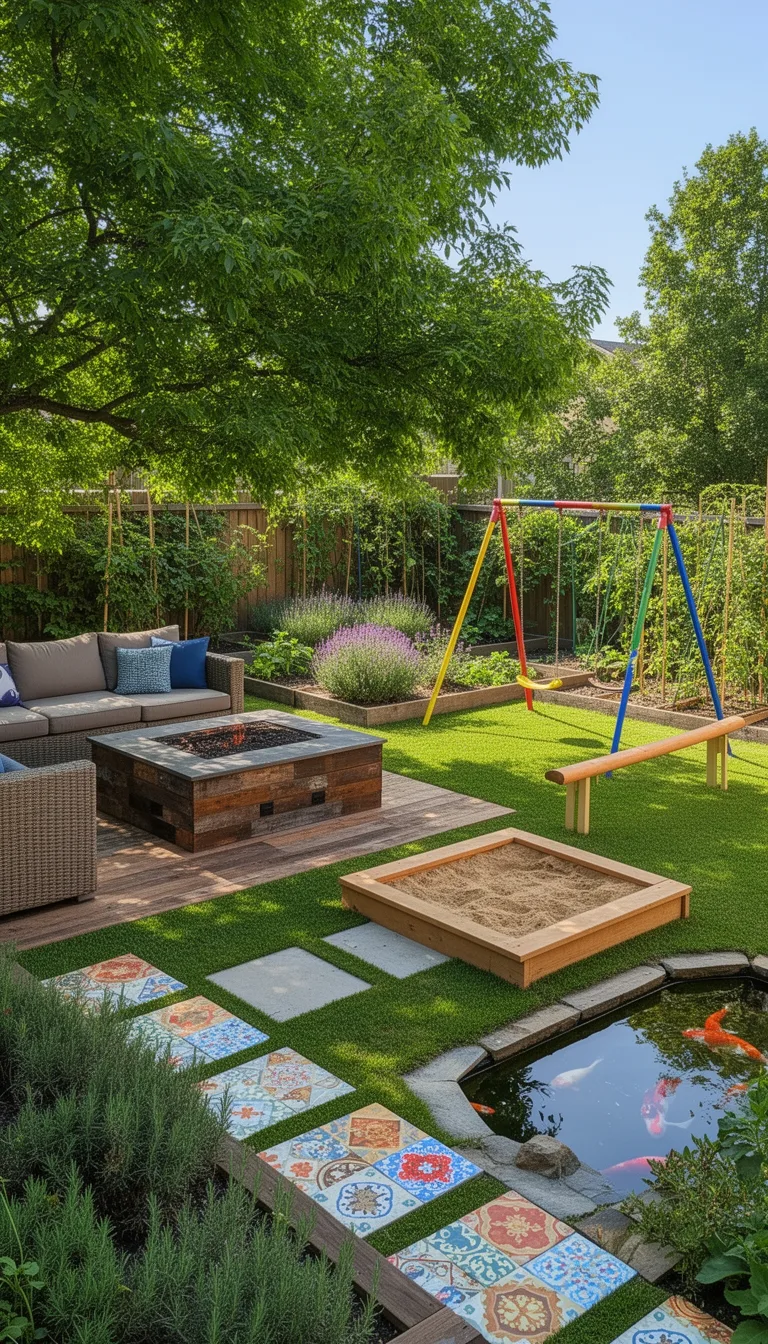
After settling on a cohesive theme, start dividing your backyard into distinct zones that serve relaxation, play, and gardening. Sketch a rough layout on graph paper or use a garden‑design app; allocate a quiet corner for a lounge set, a central open area for games, and a sun‑lit edge for beds.
Position the relaxation zone near shade trees or a pergola, and a low‑profile rug and weather‑proof cushions. Keep the play zone clear of fragile plants, and a solid surface like a grass or artificial turf for ball games or a swing set.
Arrange garden beds along the perimeter, using raised planters or borders to define them. Ensure pathways connect each zone, using gentle curves to guide traffic while preserving sightlines. Mark boundaries with low stakes or temporary rope to visualize flow before finalizing.
Select Hardscape Materials for Each Zone
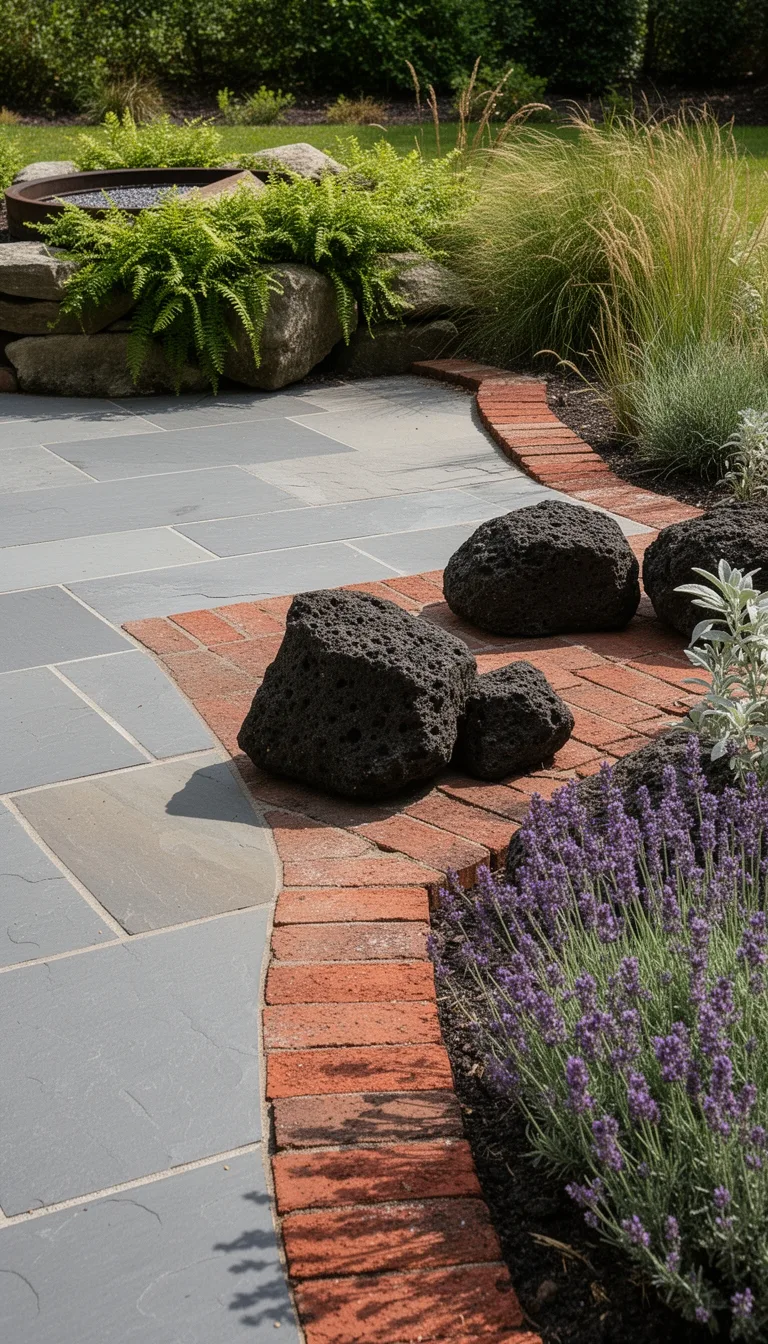
Choosing the right hardscape materials for each zone sets the tone for functionality and aesthetic harmony; start by matching durability and texture to the zone’s purpose. In the relaxation area, opt for smooth, cool stone pavers that invite barefoot comfort and resist weathering. For the play zone, select slip‑resistant, impact‑tolerant rubber tiles that cushion falls and stay safe for kids. In the gardening strip, choose porous, weed‑suppressing gravel that improves drainage and showcases plant beds.
| Zone | Recommended Material |
|---|---|
| Relaxation | Stone pavers |
| Play | Rubber tiles |
| Gardening | Porous gravel |
Pick materials that complement your climate, budget, and style, then install with proper base preparation for lasting performance.
Install Low‑Maintenance Native Plantings for Backyard Landscaping
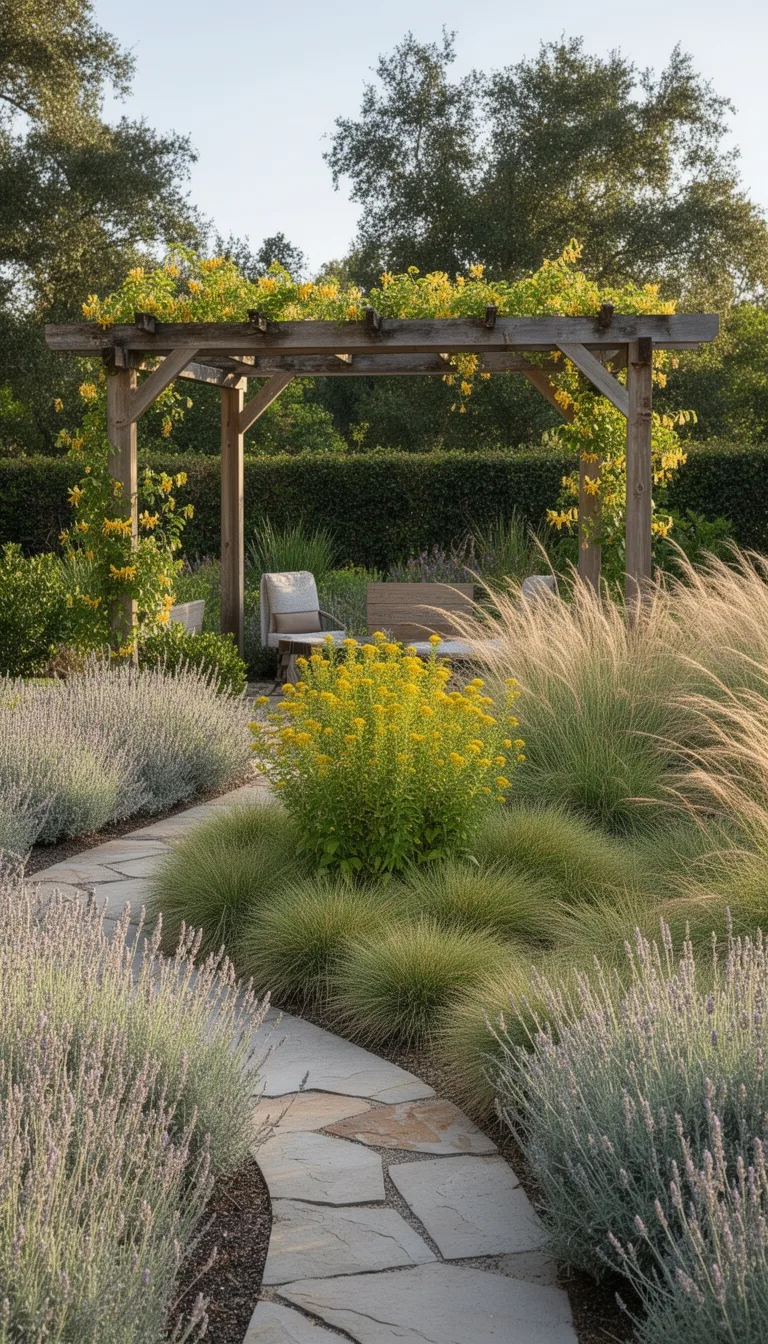
Low‑maintenance native plantings turn your backyard into a resilient, attractive oasis with minimal upkeep.
Choose species adapted to your climate, soil type, and sunlight exposure—such as coneflowers, black-eyed Susans, and ornamental grasses for sunny zones, and ferns, hostas, and viburnums for shade.
Group plants by water needs; drought‑tolerant clumps reduce irrigation, while moisture‑loving sections stay near a drip line.
Prepare soil with compost, then mulch heavily to suppress weeds and retain moisture.
Space plants according to mature spread, allowing airflow to deter disease.
Install a simple irrigation timer that waters early morning, then let rain do the rest.
Add a Simple DIY Fire Pit for Year‑Round Ambiance
Your low‑maintenance garden already offers color and texture, so adding a modest DIY fire pit will give you year‑round ambiance without compromising that easy upkeep.
Choose a fire‑resistant base—concrete pavers, a steel ring, or a stacked‑stone circle—to keep flames contained and protect the lawn.
Dig a shallow pit, line it with sand, then place the ring or stones.
Add a metal fire bowl or a simple steel fire‑pit insert, and you’re ready to light up evenings with minimal effort.
- Materials: Use a pre‑formed metal bowl, fire‑brick, or reclaimed steel for cost‑effective durability.
- Safety: Keep a bucket of sand or a fire extinguisher nearby; never leave the fire unattended.
- Finishing Touches: Surround the pit with low‑maintenance gravel and a few potted herbs for scent and easy cleanup.
Use Hidden LED Lighting to Highlight Pathways at Night
Often a subtle strip of hidden LED lights along your garden walk transforms a simple path into a safe, inviting guide after dark. You’ll run low‑profile LED strips in a shallow trench, cover them with clear stone or mulch, and connect to a solar‑powered controller. Choose warm white for cozy ambience or cool white for modern precision. Set timers or motion sensors to conserve energy and enhance security. Keep wiring hidden in conduit and seal joints with waterproof silicone to prevent moisture damage.
| Feature | Benefit | Mood |
|---|---|---|
| Solar power | Low cost, eco‑friendly | Peaceful |
| Motion sensor | Energy saving | Secure |
| Warm white | Cozy, welcoming | Relaxed |
| Clear stone cover | Discreet, durable | Confident |
Build a Raised Deck or Patio With Budget‑Friendly Materials
After the hidden LED strip lights guide guests safely along the garden walk, you can extend that same sense of welcoming to a raised deck or patio that feels both sturdy and affordable.
Choose a material that balances cost, durability, and aesthetics. Pressure‑treated lumber offers a classic look and resists rot when sealed, while reclaimed pallet wood adds rustic charm without breaking the bank. Concrete pavers give a sleek surface that’s easy to install and replace.
- Foundation – Lay a compacted gravel base, then add pressure‑treated joists spaced 16 in. apart for solid support.
- Surface – Secure decking boards or interlocking pavers with corrosion‑resistant screws or clips.
- Finishing touches – Apply a weather‑proof sealant, add low‑profile railings, and incorporate planters for greenery. This approach delivers a functional, inviting outdoor room while keeping the budget in check.
Create a Minimalist Zen Garden for Backyard Landscaping
If you want a tranquil focal point that feels both spacious and low‑maintenance, start by defining a simple rectangular or square layout with a low wooden or stone border.
Choose a single shade of sand or fine gravel, spreading it evenly to a depth of two inches.
Place a few large, flat stones as stepping pads, spacing them about three feet apart for easy navigation.
Add a modest bamboo fence or a single ornamental tree to frame the garden and provide subtle shade.
Incorporate a raked pattern in the sand, using a wooden rake to create gentle, sweeping lines that echo water ripples.
Finish with a small, weather‑resistant lantern or a stone basin for occasional contemplation.
Keep plants minimal—perhaps a low‑lying moss patch or a dwarf Japanese maple—to preserve the clean, meditative aesthetic.
Add a Small Pond or Reflecting Pool for Depth
A small pond or reflecting pool instantly adds depth and visual interest to a backyard garden, turning a flat space into a tranquil focal point.
You’ll want a liner that fits your layout, a pump for circulation, and edging that blends with surrounding materials.
Choose a size that suits your yard’s scale; a 4‑foot diameter works well for modest spaces, while larger footprints can accommodate koi.
Install the liner, level it, and secure the pump in a discreet corner.
Add stones, aquatic plants, and subtle lighting to enhance the reflective quality.
- Select a liner – flexible EPDM or pre‑formed concrete.
- Install a quiet pump – ensures water movement without noise.
- Add edging and décor – stones, gravel, and low‑light fixtures.
Plant a Colorful Flower Border for Seasonal Interest
Creating a vibrant flower border transforms a plain backyard edge into a living palette that shifts with each season.
Choose a mix of early‑spring bulbs (crocus, tulip), summer perennials (coreopsis, gaura), and fall foliage (chrysanthemum, ornamental kale) to ensure color year‑round.
Space plants 12‑18 inches apart for airflow and to prevent disease.
Amend soil with compost and a slow‑release fertilizer, then water deeply after planting.
Mulch with shredded bark to retain moisture and suppress weeds.
Install a low, decorative edging—metal, stone, or brick—to keep the border tidy and define the line.
Prune spent blooms regularly to encourage rebloom and maintain shape.
Adjust planting density each year based on growth, keeping the border full but not overcrowded.
Set Up a Compact Herb Garden Near the Kitchen Door
Ever wondered how a petite herb garden can turn your kitchen doorway into a fresh, aromatic pantry? Position a shallow, weather‑resistant planter right by the door, and choose compact, fast‑growing herbs you’ll use daily.
Pick a sunny spot, keep soil moist, and harvest often to encourage new growth. This setup lets you snip basil, mint, or thyme while cooking, cutting trips to the store and adding flavor instantly.
- Choose the right container – a 12‑inch wide, drainage‑drilled pot with a lightweight saucer.
- Select herbs wisely – basil, parsley, chives, and oregano thrive in limited space.
- Maintain consistently – water when the top inch dries, fertilize monthly, and trim regularly to prevent legginess.
Install a Retractable Canopy for Sun and Rain Protection
When the weather swings between scorching sun and sudden rain, a retractable canopy lets you enjoy your backyard without interruption; by installing a motorized or manual system you can quickly extend shade during peak heat and pull it back when clouds clear, keeping furniture dry and maintaining a comfortable temperature for lounging or dining.
Choose a frame material—aluminum for rust‑resistance or powder‑coated steel for strength—and match the fabric to your décor, opting for UV‑blocking, water‑repellent canvas.
Position the canopy over your patio or dining set, ensuring the mounting posts sit on stable footings or concrete pads.
Run the power cord to a GFCI outlet if you go motorized, and test the remote or crank for smooth operation.
Regularly clean the fabric with mild soap, and lubricate hinges annually to prevent squeaks and prolong lifespan.
This setup gives you instant protection, boosts usable outdoor time, and adds a sleek, modern touch to your backyard.
Lay Mulch‑Covered Rock Paths to Cut Maintenance
Lay a layer of mulch over strategically placed stepping stones to create a low‑maintenance path that stays neat and functional year‑round.
You’ll notice instant curb‑appeal while cutting back on weed growth and soil erosion. Choose weather‑resistant mulch—like shredded bark or pine needles—and spread it evenly to a depth of 2–3 inches. The stones act as a solid base, preventing foot‑traffic compaction and keeping the mulch from scattering.
- Select stone size – 4–6 inches works best for stability and easy stepping.
- Prep the base – excavate a shallow trench, lay landscape fabric, then set stones level.
- Apply mulch – spread, tamp lightly, and edge with a metal border to keep it in place.
Maintain the path by topping up mulch annually and clearing debris after storms.
This simple system saves time, reduces watering needs, and enhances your backyard’s visual flow.
Design a Kid‑Friendly Play Area With Soft Surfaces
A mulch‑covered rock path already gives you a clean, low‑maintenance base, so extending that concept to a kid‑friendly play zone is a natural next step.
Lay a 4‑inch‑deep layer of pea‑gravel or rubber mulch over a compacted sand base; it cushions falls while staying easy to rake. Add interlocking rubber tiles around a sandbox or swing set for uniform shock absorption and quick cleaning.
Frame the area with low‑profile edging to keep materials contained and define boundaries. Plant hardy, non‑toxic groundcovers like clover or creeping thyme between tiles for a soft, natural feel that tolerates foot traffic.
Install a simple shade sail or pergola to protect from sun, and include a few sturdy benches for adult supervision. This setup stays safe, durable, and visually cohesive with the rest of your backyard.
Install a Vertical Garden on a Fence or Wall
Transforming a plain fence into a thriving vertical garden instantly adds color, privacy, and fresh produce to your backyard.
Start by assessing sunlight, drainage, and load‑bearing capacity; a sturdy, weather‑resistant frame prevents sagging.
Choose modular planting pockets or reclaimed pallets for easy installation and future re‑configuration.
Prepare the wall with a moisture‑proof barrier, then attach the system using stainless steel brackets.
Watering can be automated with a drip line or a simple hose‑off.
Harvest a few inches of soil for a deep‑rooted mix, then plant a blend of herbs, leafy greens, and flowering vines for visual interest and culinary use.
- Install a water‑drip irrigation kit.
- Mount removable planting trays for seasonal swaps.
- Add trellis strips for climbing varieties.
Choose Drought‑Tolerant Succulents for Easy Care
Often the simplest way to keep a backyard garden low‑maintenance is to fill it with drought‑tolerant succulents. You’ll love how these plants store water in thick leaves, thriving on minimal irrigation and tolerating full sun. Pick varieties with contrasting textures—spiky, rosette, and trailing forms—to add visual interest without extra effort. Group them in clusters for a natural look, and use mulch to retain moisture and suppress weeds. When you water, soak the soil deeply once a month; the succulents will handle the rest, leaving you more time to enjoy your space.
| Succulent | Light Needs | Water Frequency |
|---|---|---|
| Agave | Full sun | Monthly |
| Echeveria | Partial sun | Every 6 weeks |
| Sedum | Full sun | Monthly |
| Crassula | Partial sun | Every 4 weeks |
Build a Simple Outdoor Kitchen as Part of Your Backyard Landscape
Your backyard can serve both as a low‑maintenance succulent garden and a functional cooking space, so after arranging drought‑tolerant plants, carve out a modest outdoor kitchen right beside them.
Choose a compact, weather‑resistant grill and pair it with a simple prep island that doubles as a serving table.
Keep utilities minimal: a small propane tank or a solar‑powered electric outlet will power the grill, while a portable sink with a hose connection handles cleanup.
Add a few sturdy shelves for utensils, spices, and a cutting board.
- Grill & Counter – Opt for a 24‑inch propane grill and a 2‑foot concrete slab prep surface.
- Storage – Install wall‑mounted metal cabinets for tools and pantry items.
- Lighting – Mount low‑voltage LED strips under the counter for evening cooking.
Add a Decorative Trellis for Climbing Vines
Add a decorative trellis to frame your backyard and give climbing vines a stylish support. Choose a trellis that matches your garden’s aesthetic—metal for modern sleekness, wood for rustic charm, or wrought‑iron for classic elegance.
Position it where sunlight reaches most of the day, typically along a fence, patio wall, or freestanding post. Secure the structure with concrete footings or ground stakes to prevent wobble.
Plant fast‑growing vines such as clematis, honeysuckle, or jasmine at the base, spacing them 12‑18 inches apart. Water consistently until roots establish, then prune regularly to direct growth along the lattice and keep foliage tidy.
Add garden lights or hanging planters for evening ambience, and enjoy a lush, private backdrop that enhances privacy and visual interest.
Use Reclaimed Wood for a Rustic Swing or Bench
A reclaimed‑wood swing or bench instantly adds rustic charm while reusing material that’s already weathered for character.
First, source planks from old barns, pallets, or demolition sites; look for straight grain, minimal rot, and natural patina.
Next, sand lightly to remove splinters, then treat with a low‑VOC sealant that protects against moisture but preserves the aged look.
Finally, assemble a sturdy frame using stainless‑steel brackets or hidden dowels to ensure safety and longevity.
- Select wood – prioritize hardwoods like oak or pine for strength.
- Prepare surface – sand, clean, and apply a protective finish.
- Build securely – use corrosion‑resistant hardware and test load capacity.
Follow these steps, and you’ll create a functional, eye‑catching piece that blends sustainability with backyard style.
Save Water With a Smart Irrigation System
Even if you think your lawn’s water use is already efficient, a smart irrigation system can cut consumption by up to 30 % while keeping plants healthy.
Start by mapping zones: group sun‑exposed beds, shaded borders, and high‑water‑need shrubs separately. Install moisture sensors in each zone; they feed real‑time data to the controller, which adjusts run times automatically.
Set the schedule for early morning or late evening to minimize evaporation. Use rain‑delay features so the system skips watering after a forecasted storm.
Calibrate flow rates by measuring gallons per minute at each sprinkler, then program the controller to deliver the exact volume each plant needs. Regularly inspect emitters for clogs, and update firmware to benefit from algorithm improvements and bug fixes.
Highlight Key Areas at Night With Solar Spotlights
Often the most striking transformation of a backyard comes after dark, when strategically placed solar spotlights accentuate pathways, garden beds, and architectural features.
You’ll want lights choose LEDs with adjustable lenses, weather‑proof housings, and built‑in motion sensors for efficiency. Position lights at eye level to avoid glare, and aim them at focal points like a water feature or a sculptural tree.
A quick checklist keeps the project on track:
- Select the right wattage – 3‑5 W for subtle glow, 8‑12 W for dramatic highlights.
- Mount on sturdy stakes or brackets – ensure they stay upright through wind and rain.
- Angle the beam – tilt 30‑45° upward to illuminate vertical elements without blinding passersby.
Add Decorative Boulders or Stone Seating for Visual Interest
When you scatter decorative boulders or install stone seating, you instantly add texture, depth, and natural focal points that break up flat lawn space. Choose boulders that complement your garden’s color palette—gray, sandstone, or river rock work well. Arrange them in clusters, spacing each piece 3–5 feet apart to create visual rhythm.
For seating, opt for low, wide slabs or a curved bench that invites conversation. Anchor the stone with a compacted base of sand and gravel to prevent shifting. Plant drought‑tolerant groundcovers, such as sedum or creeping thyme, around the rocks to soften edges and reduce weeds. Light the arrangement with low‑profile LED uplights for evening ambience, and periodically sweep debris to keep the stones looking pristine.
Dress up Your Patio With Coordinated Rugs and Cushions
Adding coordinated rugs and cushions instantly transforms a plain patio into a comfortable, styled outdoor room. Choose weather‑resistant fabrics that echo your home’s palette, then layer textures for depth. Pick a rug that defines the seating zone and match cushions in complementary hues to create visual cohesion.
Keep proportions balanced: a rug should extend 12–18 inches beyond the furniture, and cushions should be sized to sit comfortably without crowding.
- Select a base color – anchor the space with a neutral rug, then add bold cushions for pop.
- Mix patterns wisely – pair a geometric rug with solid‑color cushions, or vice‑versa, to avoid visual overload.
- Add functional accessories – include waterproof pillow covers and a low‑profile rug pad for slip resistance and easy cleaning.
Follow a Simple Maintenance Checklist for Ongoing Care
Keep your backyard looking fresh by following a simple, weekly maintenance checklist that tackles cleaning, pruning, and inspection tasks.
Start Monday by sweeping paths, blowing debris from flower beds, and rinsing patio furniture.
Tuesday, inspect plant health; trim dead leaves, dead‑head blooms, and cut back overgrown shrubs to promote airflow.
Wednesday, check irrigation—clear clogged emitters, adjust spray heads, and ensure timers run correctly.
Thursday, mulch flower beds to suppress weeds and retain moisture, adding a fresh layer if it’s thinned.
Friday, test soil moisture with a probe; water deeply only when the top inch feels dry.
Saturday, clean gutters and downspouts to prevent water damage.
Sunday, walk the perimeter, noting any cracks, loose pavers, or pest signs, and address them promptly.
This routine keeps your backyard vibrant and low‑maintenance.
Conclusion
By now you’ve got a clear roadmap to transform your backyard into a functional, stylish oasis. Stick to a cohesive theme, zone the space wisely, choose durable hardscapes, and plant low‑maintenance natives. Light up focal points with solar spotlights, add boulders or stone seating for interest, and finish the patio with coordinated rugs and cushions. Follow a simple maintenance checklist, and you’ll enjoy a beautiful, low‑effort retreat year after year.
The Only Tools You Need for a Thriving Garden 🌱
Whether you're a weekend gardener or growing daily — these hand-picked tools make every session faster, easier, and more satisfying.