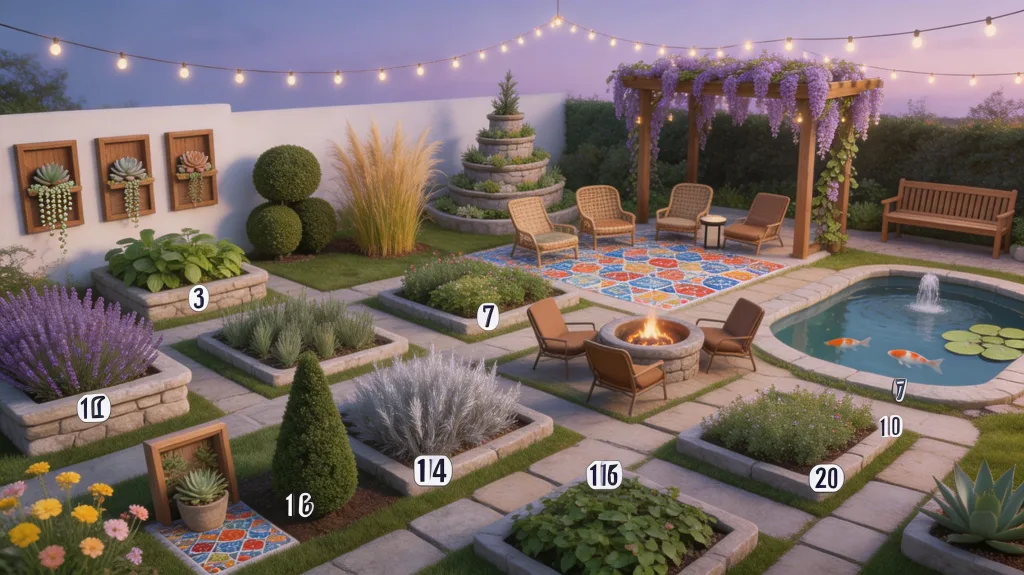
You can transform even the smallest backyard into a stunning retreat. Imagine maximizing your space with vibrant container gardens, welcoming pollinators with a wildflower patch, or creating ambiance with layered lighting. Whether you crave a cozy seating nook or a productive edible garden, clever ideas blend beauty with function. Discover how simple choices in materials and plants build a space you’ll love using, designed for lasting enjoyment with surprisingly minimal upkeep.
Key Takeaways
- Create colorful container gardens using a cohesive palette of thrillers, fillers, and spillers.
- Build vertical or tiered planters from pallets or stacked pots to save space.
- Design sensory areas with fragrant plants like lavender and evening bloomers along paths.
- Establish private seating nooks with comfortable furniture, climbers on trellises, and soft lighting.
- Incorporate child-friendly features like a small plot for sunflowers and a digging patch.
Start Simple With a Colorful Container Garden

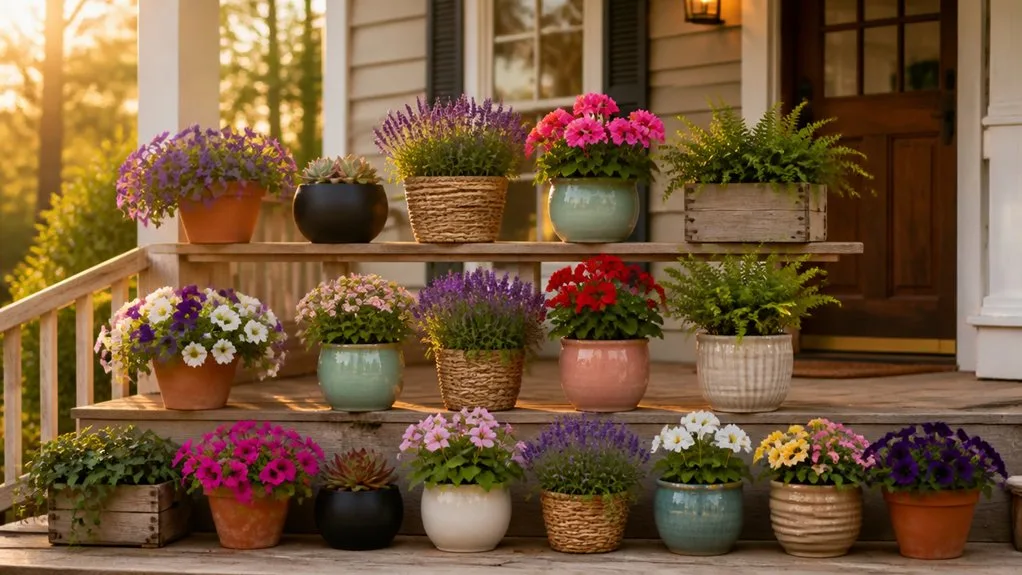
Amidst the vast array of gardening possibilities, you can achieve a vibrant and manageable start with a colorful container garden. Grab a few pots with drainage holes—their style adds personality.
Mix annuals like petunias for instant color with perennials like sedum for lasting structure. You’ll arrange them by height, planting taller varieties at the back or center.
Choose a cohesive palette, perhaps fiery reds and oranges or calming blues and purples. Don’t forget thrillers, fillers, and spillers to create dynamic, lush compositions.
Remember to water regularly, as containers dry out faster than beds. This approach lets you experiment easily, moving pots to perfect sun exposure or simply to refresh your view.
Maximize Small Spaces With Vertical and Tiered Gardens

For those with limited square footage, your garden’s potential soars upward through vertical and tiered designs. Mount a simple wooden pallet against a fence, fill its slats with soil, and plant succulents or herbs in the gaps.
You can attach a series of stackable pots to a wall or use a freestanding, ladder-style planter to create cascading floral displays. A tiered herb garden, built from three graduated wooden boxes, saves ground space while keeping your culinary favorites organized and accessible.
For a clever DIY project, recycle gutter sections into elevated planters for strawberries or lettuces. You’ll gain more planting real estate while adding dynamic layers of texture and color to your compact yard.
Build a Cozy Seating Nook for Relaxation

Once you’ve maximized your planting space, you can create a dedicated spot to enjoy it by building a cozy seating nook. Tuck a weatherproof loveseat or a pair of deep armchairs into a quiet corner.
Layer on comfort with plump, all-weather cushions and a soft throw blanket. Define the area with an outdoor rug and add a small side table for your book or morning coffee.
You’ll enhance the sense of enclosure and romance by training fragrant climbers like jasmine or clematis over a simple arched trellis behind the seats.
Finally, string up globe lights or hang a lantern to ensure your retreat is inviting long after the sun sets.
Craft an Inviting Outdoor Dining Area

To share meals and create lasting memories in your garden, establish an outdoor dining area that blends comfort and style. Anchor your space with a sturdy, weather-resistant table that accommodates your family. Complement it with cushioned chairs or a bench for prolonged comfort. Soften the ambiance with overhead string lights or lanterns for evening gatherings, and use potted herbs or flowers as natural, fragrant centerpieces.
- Choose a Resilient Table: Opt for teak, metal, or composite materials that withstand sun and rain.
- Invest in Comfortable Seating: Add outdoor cushions with quick-dry foam to chairs or a built-in bench.
- Set the Mood with Lighting: Hang Edison bulbs above the table for a warm, inviting glow after dusk.
- Add Natural Decor: Place mint, lavender, or succulents in containers around the table for fresh scents and color.
Extend Enjoyment With a Fire Pit or Heater
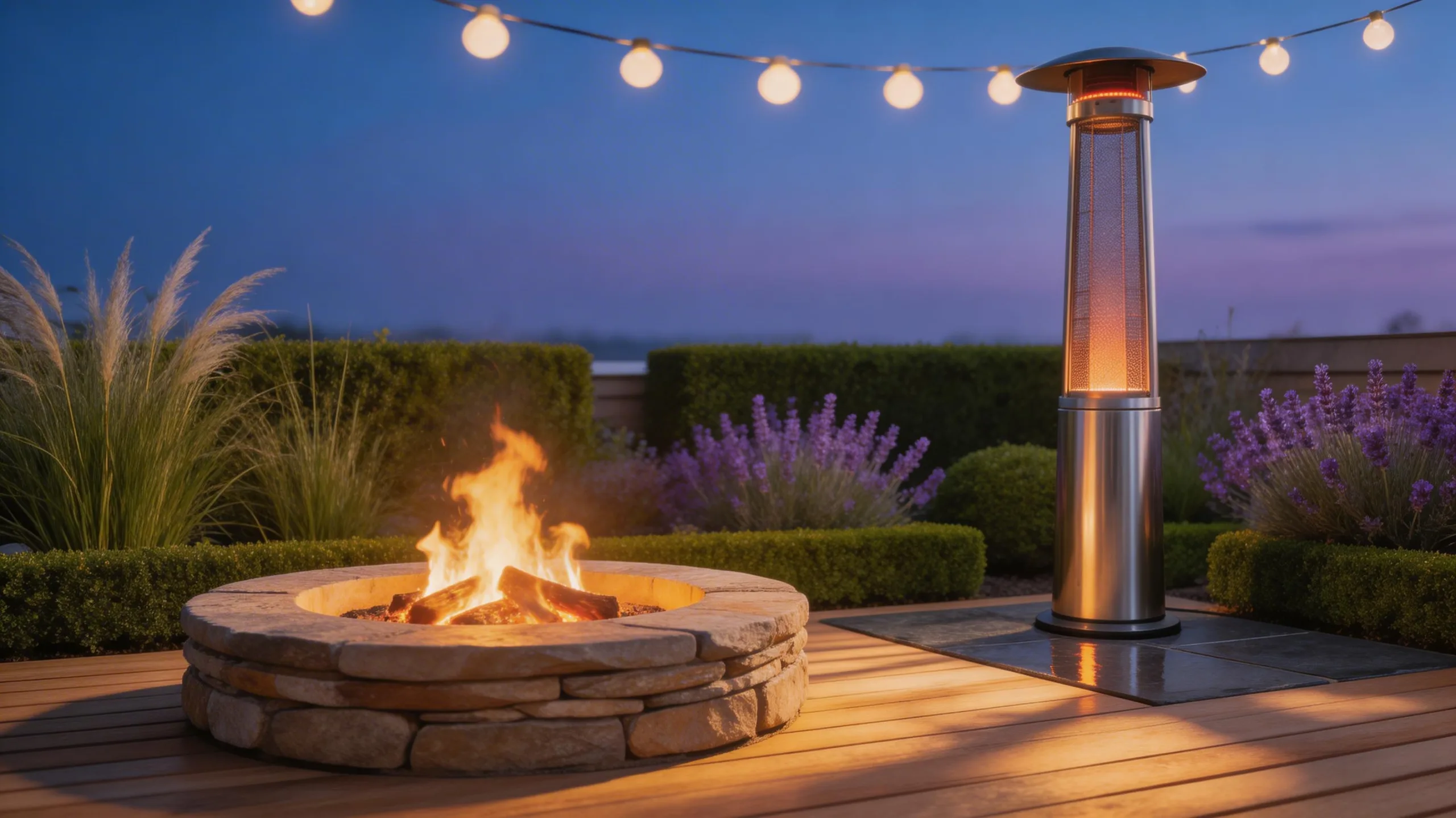
Whether you’re hosting friends on a crisp autumn night or simply enjoying a quiet evening outdoors, incorporating a fire pit or patio heater lets you enjoy your garden long after the sun goes down.
A stone-lined fire pit becomes a natural gathering spot for roasting marshmallows and sharing stories.
For a cleaner option, a modern gas fire table offers instant ambiance with a turn of a key.
If space is tight, a tall, portable patio heater provides focused warmth directly over your seating area.
Just ensure you place any heat source on a stable, non-flammable surface and maintain a safe clearance from structures and overhanging branches.
This simple addition effectively stretches your outdoor living season.
Set the Mood With Outdoor Lighting
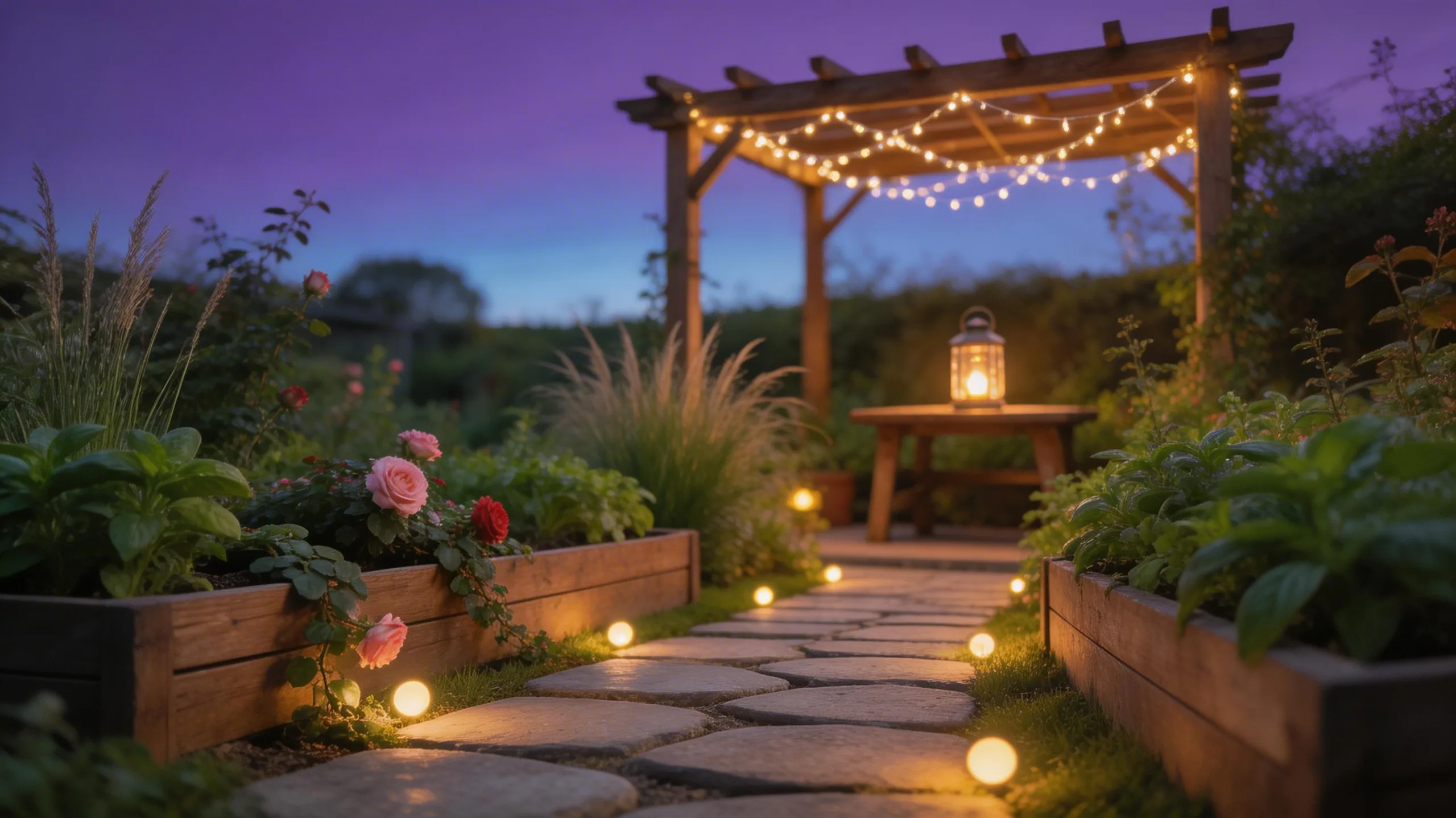
Lighting your garden can transform it from a daytime retreat into an enchanting nighttime oasis. You’ll extend your hours outdoors and create captivating layers of illumination. Focus on highlighting key features rather than flooding the entire area with light. You can install fixtures yourself for an immediate impact.
- Uplight trees or sculptures: Use well lights or spotlights at the base to cast dramatic shadows upward.
- String bistro lights overhead: Drape them between posts or trees to create a soft, welcoming canopy.
- Line steps with low-voltage path lights: This ensures safety and adds a charming, guided glow.
- Tuck solar lanterns into planters: They’ll charge by day and provide a subtle, ambient twinkle at night.
Define Spaces With Easy Gravel or Stone Paths
While your lighting sets the evening mood, gravel or stone paths define your garden’s daytime flow and structure. You can guide visitors naturally, connecting a patio to a secluded seating nook or framing a vibrant flower bed.
Choose affordable pea gravel for a casual, cottage-core feel or opt for flat flagstones for a more formal look. Installation is straightforward: first, mark your desired route with stakes and string.
Then, excavate a shallow trench, lay down landscape fabric to suppress weeds, and edge the path with materials like brick or metal. Finally, fill it in with your chosen stone, raking it smooth. You’ll instantly create definition and add charming texture underfoot.
Add a Focal Point Like a Water Feature or Sculpture

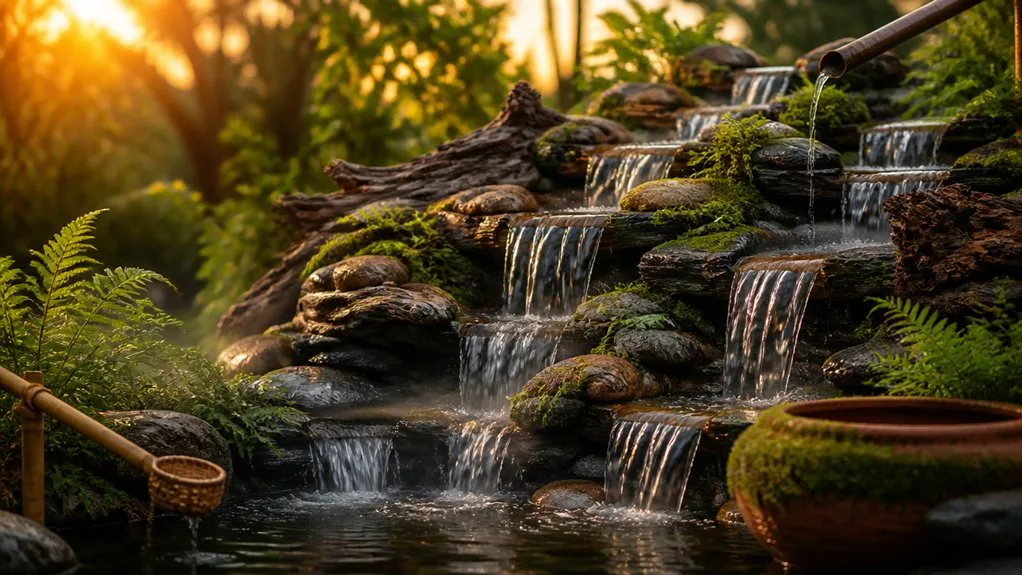
As your paths direct the flow, a focal point like a water feature or sculpture gives your garden a place to pause and a visual anchor. You’ll choose something that draws the eye and creates a moment of interest.
A simple bubbling fountain adds soothing sound, while a striking modern sculpture can introduce bold form.
- Place it strategically at a path’s end or within a planting bed so it’s discovered, not just seen.
- Scale it appropriately; a large garden needs a substantial piece, a small patio a delicate one.
- Consider maintenance; a solar-powered fountain is easier than a complex pond system.
- Play with materials like weathered stone, sleek metal, or glazed ceramic to complement your style.
Grow Fresh Food in Raised Beds and Pots
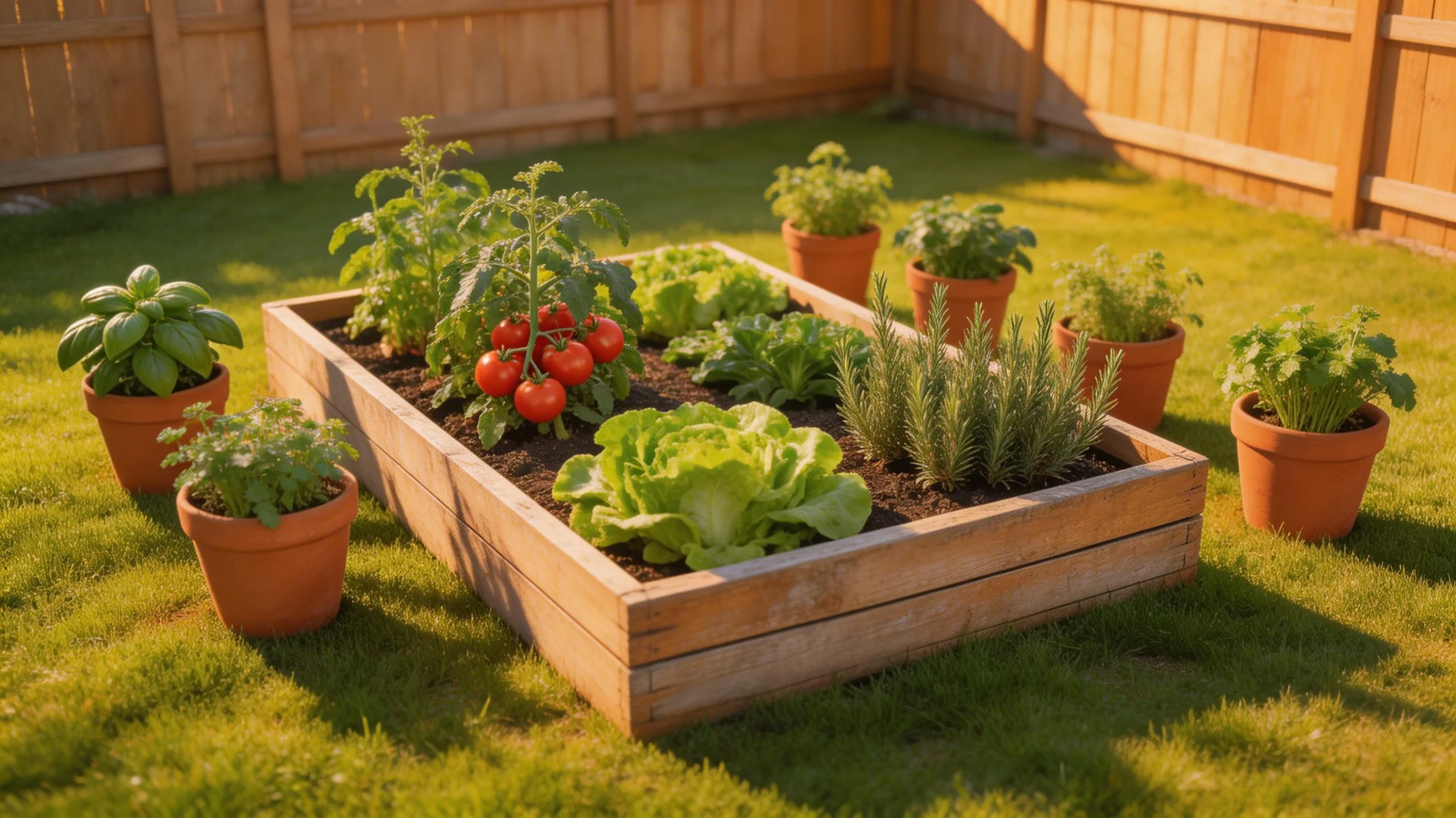
Transform your patio or plot into a personal produce aisle by growing fresh food in raised beds and pots. Start with a simple cedar bed filled with quality soil; it warms quickly for early-season planting and offers excellent drainage.
You can grow practically anything—compact cherry tomatoes, vibrant salad greens, and trailing strawberries thrive here. Use large, deep containers for root vegetables like carrots or potatoes.
Remember, you’re controlling the environment, so mix in compost for nutrients and water consistently. This method saves your back from bending and neatly organizes your harvest.
You’ll snip herbs for dinner just steps from your kitchen, enjoying flavors that supermarket produce simply can’t match.
Plant a Pollinator-Friendly Wildflower Patch
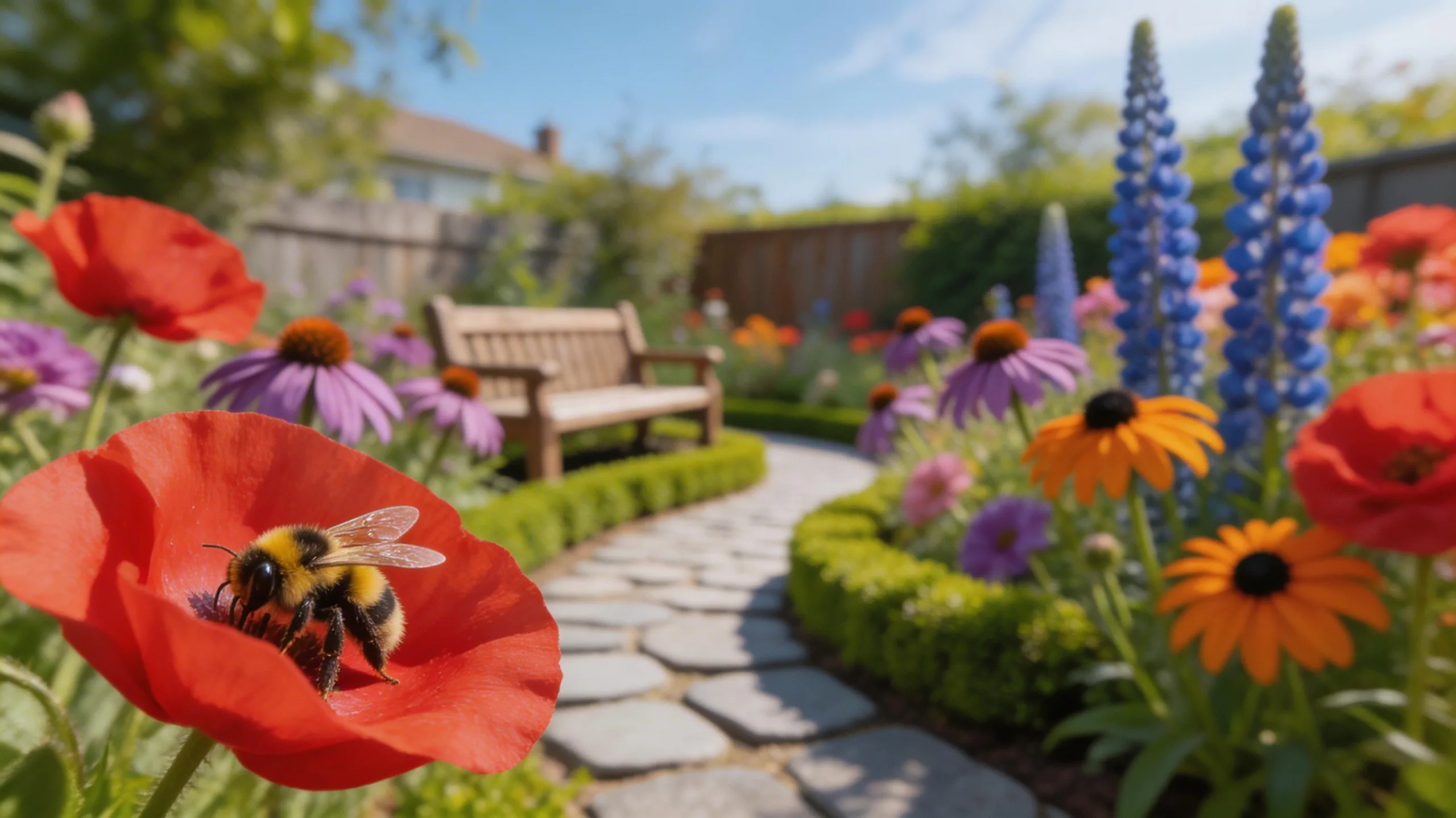
Often overlooked, a vibrant wildflower patch can become a cornerstone of your garden’s ecosystem. You’ll attract essential pollinators like bees and butterflies while creating a low-maintenance, colorful display.
Start by selecting a sunny spot with decent drainage. You can sow a regional seed mix directly onto cleared soil in early spring or fall. Once established, it largely cares for itself, needing only occasional watering during severe droughts.
- Choose Native Seeds: Opt for a mix of local wildflowers; they’re adapted to your climate and best support native pollinators.
- Prepare the Ground: Clear the area of grass and weeds, then lightly rake the soil to create good seed-to-soil contact.
- Sow Generously: Scatter seeds evenly and press them gently into the earth—don’t bury them deeply.
- Let It Grow: Resist the urge to tidy up; leaving spent blooms and stems provides winter habitat and seeds for birds.
Create Privacy With Greenery and Screens
Whether you’re seeking a secluded retreat or simply want to soften the view of a neighboring fence, using plants and structures can build a beautiful, living privacy screen.
Start by planting fast-growing evergreens like arborvitae or bamboo in strategic clusters. For quicker coverage, install a simple wooden lattice or metal trellis and train climbing vines such as clematis or jasmine to weave through it.
You can even repurpose old wooden shutters or woven willow panels as stylish freestanding dividers. Layer these elements—place a tall shrub behind a lower flowering hedge in front of a decorative screen.
This creates depth, blocks sightlines year-round, and turns a bare boundary into a lush, textured garden wall.
Design a Sensory Garden With Fragrant Plants
Now that you’ve established some private, leafy walls, you can fill that intimate space with an inviting array of scents. Design a sensory garden by layering fragrances that release at different times, choosing plants for their aromatic leaves as much as their flowers. Place them along paths or near seating where you’ll naturally brush against them.
- Evening Bloomers: Plant night-scented stock and moonflower vines; their perfume intensifies after dusk.
- Herbal Touch: Include rosemary, lavender, and mint; crush a leaf between your fingers for an instant burst.
- Floral Classics: Add old-fashioned sweet peas, gardenias, or dianthus for a timeless, sweet fragrance.
- Woody Anchors: Incorporate aromatic shrubs like lilac or summersweet, which provide structure and seasonal scent.
Make a Kid-Friendly Garden Plot for Play
For a truly magical escape, you can craft a dedicated garden plot where kids’ imaginations take root alongside easy-growing plants. Designate a small, manageable area just for them. Fill it with fast-growing, tactile plants like fuzzy lamb’s ear, towering sunflowers, and cherry tomatoes they can snack on straight from the vine.
Incorporate whimsical elements, such as a simple teepee made from bean poles or a fairy ring of colorful marigolds. Make sure to include a dirt patch for digging and a path for running wheelbarrows. Use soft mulch for safety and define the space with low, sturdy borders. Letting them choose some seeds and be responsible for daily watering fosters ownership and wonder in their own green haven.
Upcycle Old Items Into Unique Planters
Look around your home and you’ll likely find everyday objects that can be transformed into charming planters with just a little creativity.
Begin by ensuring your chosen item has proper drainage; drill a few holes in the bottom.
Then, give it a good clean and consider a coat of outdoor-safe paint to add color.
The key is matching the plant’s size and light needs to the container’s scale and placement.
- Teacups & Mugs: Drill a hole, then use them for small succulents or herbs on a sunny windowsill.
- Wooden Crates: Line them with landscape fabric, fill with soil, and create a rustic herb garden.
- Rain Boots: Their durable material is perfect for bright, trailing flowers like petunias.
- Colanders: Their existing holes make excellent drainage for strawberries or shallow-rooted annuals.
Boost Curb Appeal With Window Boxes
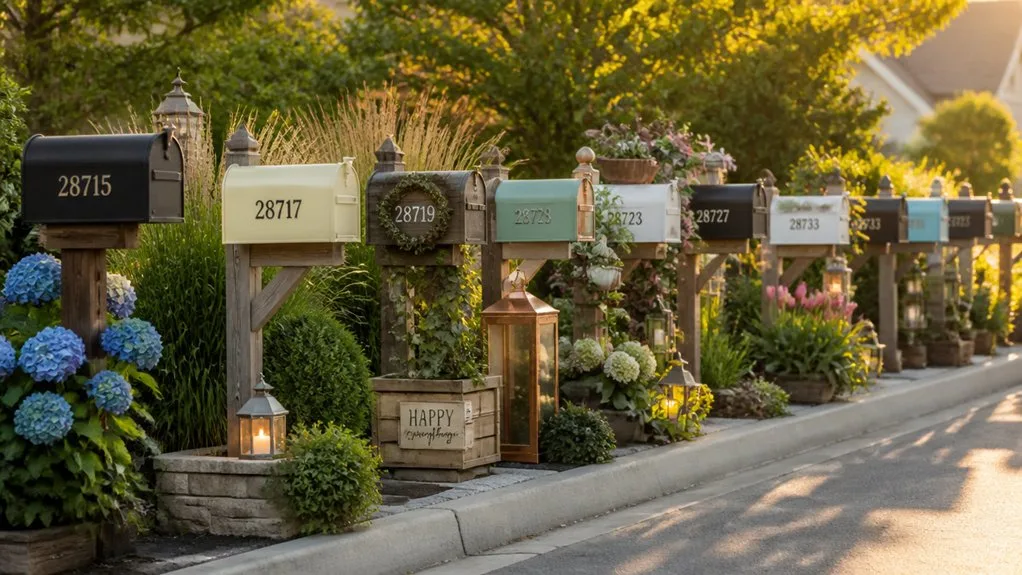
As you move from upcycling individual items to considering your home’s overall presentation, installing window boxes offers a classic way to frame your view and welcome guests. Choose boxes with proper drainage and secure them firmly to your window sills or exterior wall.
For a lush, cascading effect, you’ll want to employ the “thriller, filler, spiller” technique. Plant an upright focal point like a geranium, surround it with compact blooms like petunias, and let trailing ivy or sweet potato vine spill over the edges. Coordinate your flower colors with your home’s paint or trim for a cohesive look.
Remember to water them regularly, as these small containers dry out quickly in the sun, ensuring your vibrant display lasts all season.
Create a Zen Corner With Stones and Grasses
While the lively cascade of window boxes greets the street, you can carve out a serene retreat just for yourself by establishing a zen corner with stones and grasses. This minimalist garden focuses on texture, form, and calm.
You’ll want to select a quiet, level spot, perhaps shaded by a tree or a fence. Then, follow these steps to build your sanctuary:
- Lay a Base: Define the area with edging, then lay landscape fabric and cover it with a layer of fine gravel or sand for drainage and a clean look.
- Position Anchor Stones: Choose one to three larger, interesting stones as focal points, burying them partially for a natural, grounded appearance.
- Add Ornamental Grasses: Plant clumps of low-maintenance grasses like blue fescue or Japanese forest grass around the stones for soft, flowing movement.
- Finalize with Accents: Rake the gravel into calming patterns, and add a single, simple element like a stone lantern or a shallow basin for water.
Choose Fast-Growing Vines for a Living Screen
You can transform a bare fence or unsightly view into a lush, private backdrop by training fast-growing vines over a trellis or support structure.
For quick coverage, consider annuals like morning glory or scarlet runner bean, which explode with color in a single season. For a permanent screen, opt for vigorous perennials such as clematis, with its stunning blooms, or evergreen jasmine for year-round foliage and scent.
You’ll need to guide their tendrils initially, but they’ll soon climb on their own.
This living wall not only provides privacy but also attracts pollinators, turning a functional screen into a dynamic garden feature. Just ensure your chosen vine suits your climate and sunlight conditions.
Save Time Watering With a Drip Irrigation System
Often, watering a garden by hand is a time-consuming chore. Installing a drip irrigation system liberates your summer evenings while ensuring your plants receive deep, consistent hydration directly at their roots. This method drastically reduces water waste from evaporation and runoff.
You’ll tailor the setup using a main supply line from your spigot, branching off with flexible tubing to deliver water precisely where it’s needed through tiny emitters.
- Map your layout by sketching beds and noting each plant’s water requirements.
- Assemble a starter kit with a pressure regulator, filter, tubing, and emitters.
- Lay tubing along planting rows, securing it with ground stakes.
- Attach emitters at the base of individual plants or use soaker lines for dense rows.
Mix Edibles and Flowers in a Potager Garden
Combining edible plants and ornamental flowers in a potager-style garden creates a beautiful, multifunctional space that’s as productive as it’s charming. You’ll design with both form and function.
Plant vibrant nasturtiums or marigolds among your lettuce; they repel pests while adding pops of color. Use structural edibles, like trellised beans or feathery asparagus ferns, as living garden art. Arrange plants in geometric beds or whimsical patterns, mixing textures and heights.
For fragrance and pollinators, tuck herbs like lavender and thyme between your tomatoes and peppers. You’re not just growing food; you’re crafting a living tapestry.
Harvest a salad and a bouquet from the same beautiful plot, maximizing your garden’s visual appeal and bounty.
Select the Right Weather-Resistant Furniture
Transform your garden into a true outdoor room by selecting durable furniture that can withstand sun, rain, and changing seasons.
You’ll want pieces that look great but don’t demand constant maintenance. Focus on materials engineered for longevity and style.
- Teak: This hardwood naturally resists rot and insects, aging to a beautiful silvery-gray patina.
- Powder-Coated Aluminum: It’s incredibly lightweight, rust-proof, and available in a spectrum of modern colors.
- All-Weather Wicker: Synthetic resin wicker won’t fray or fade, offering classic texture without the fragility.
- Marine-Grade Polymer Lumber: Made from recycled plastics, it mimics wood grain but is impervious to moisture and never needs sealing.
Always add plush, quick-dry cushions in Sunbrella fabric for instant comfort.
Maintain Your Garden With Low-Effort Tips
Keeping a beautiful garden doesn’t have to consume your weekends; you can simplify upkeep with a few strategic habits and smart choices.
Start by choosing low-maintenance, drought-tolerant plants native to your region—they’ll thrive with minimal watering. Group plants with similar needs together to streamline care. Install a simple drip irrigation system on a timer to automate watering.
Use mulch generously to suppress weeds and retain soil moisture, reducing your chore list. Embrace “self-cleaning” perennials that don’t require deadheading.
Let fallen leaves decompose as natural fertilizer.
Finally, adopt a relaxed attitude towards perfection; a little wildness adds charm and saves you endless hours of meticulous pruning and tidying.
Frequently Asked Questions
How Do I Start Gardening on a Tight Budget?
Start with seeds from veggies you already have. Use recycled containers like yogurt pots as pots. Build soil with kitchen scraps in a homemade compost bin. Finally, swap cuttings with friends to grow for free.
What Are the Best Plants for Complete Beginners?
Start with easy, forgiving plants like marigolds, sunflowers, or herbs such as basil and mint. They’re hardy, grow quickly, and thrive in most soils, giving you early successes to build your confidence.
How Do I Keep Pests Away Without Chemicals?
Try companion planting; for instance, grow marigolds near tomatoes to deter nematodes. You can handpick larger pests like beetles. Use a strong spray of water from your hose to knock off smaller insects like aphids.
Which Tools Are Essential for a New Gardener?
You’ll need a spade, trowel, pruners, and watering can. Add a sturdy rake for soil prep. Keep gloves for protection and a sharp hoe for weeding. These essentials help you start right and work efficiently.
How Can I Make My Garden Safe for Pets?
You’ll want to choose non-toxic plants first. Use fencing to keep pets out of veggie beds and mulch paths instead of cocoa mulch. Always secure your compost bin and avoid chemical pesticides.
Conclusion
Transform your backyard into a personal sanctuary with these ideas. You’ll create a vibrant, functional space by layering plants and structures. Combine practical elements like drip irrigation with creative flourishes like a flickering fire pit. This blend of beauty and utility ensures your garden remains a stunning, low-maintenance retreat for years to come, where you can truly unwind and connect with nature.
The Only Tools You Need for a Thriving Garden 🌱
Whether you're a weekend gardener or growing daily — these hand-picked tools make every session faster, easier, and more satisfying.