Spring’s arrival begs you to refresh your outdoor space. You can start small with quick container swaps or define a border for instant impact. Imagine harvesting herbs by your kitchen door or listening to a gentle water feature. We’ll explore ideas ranging from practical raised beds to cozy seating nooks, giving you the inspiration to transform your backyard into a seasonal sanctuary.
Key Takeaways
- Refresh containers with instant color using cool-season flowers and pre-grown bulbs.
- Define beds with simple edging materials and lay new gravel or mulch pathways.
- Add vertical structure with a decorative trellis or wall-mounted planters.
- Start a kitchen-door herb garden and a cut-and-come-again salad bed.
- Attract wildlife with a DIY bird feeder or a native wildflower patch.
Start With a Quick Container Garden Refresh
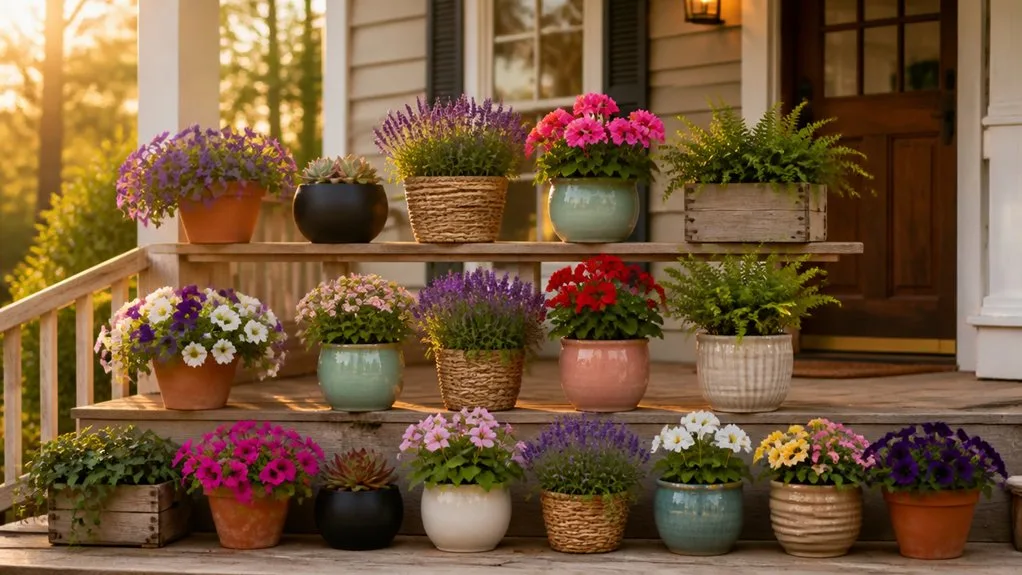
Don’t underestimate a quick container refresh as your spring kickoff. Grab your emptiest pots and give them a simple overhaul.
First, you’ll ditch any tired, leftover growth. Next, you’ll refresh that soil—mix in some new compost to wake it up.
Now, you’ve got a clean slate. Pop in a few resilient, cool-season starters. Think cheerful pansies, fragrant primroses, or lush ornamental kale. They’ll shrug off a late frost and greet you with color.
Tuck them in, water them well, and you’re done. It’s an instant victory. You’ll see that fresh, hopeful look right at your door or on your patio without a major weekend project.
This small win builds momentum and gets your gardening spirit blooming.
Add Instant Color With Potted Spring Bulbs
For a burst of guaranteed spring color, you can skip the wait and turn to pre-grown potted bulbs. Purchase them from garden centers as they break dormancy, ready to place on your patio or porch. You’ll enjoy weeks of vibrant, seasonal blooms without the months of anticipation. Use them as focal points in empty corners or as cheerful centerpieces on an outdoor table. Group pots of different heights and colors together for a dynamic, instant display. Once they finish flowering, you can transplant the bulbs into your garden to bloom again next year.
| Bulb Type | Best Spot | Color Impact |
|---|---|---|
| Tulips | Sunny Doorstep | Bold & Dramatic |
| Daffodils | Partial Shade | Sunny & Cheerful |
| Hyacinths | Tabletop | Fragrant & Rich |
Create a Simple Border to Frame Your Garden Beds

Define your garden beds with a simple border that gives your landscape a clean, finished look. It’s a spring project that instantly elevates your space.
You can use materials you already have, like leftover bricks or stones, to lay a neat edge. For a classic look, install pressure-treated timber or flexible metal edging.
This border creates a clear line that stops grass from creeping into your flower beds and makes mowing a breeze. In spring, a crisp edge beautifully frames emerging tulips and daffodils.
You’ll find this clean definition makes your garden feel intentional and cared for, highlighting your plants as the season’s stars.
Grow Your Own Salad Greens in a Raised Bed
With your garden beds neatly framed, you might now look toward what to grow inside them; a raised bed offers the perfect opportunity to cultivate your own mix of fresh salad greens this spring. You’ll enjoy perfect drainage and can easily manage the soil.
For a quick, continuous harvest, sow seeds directly in cool soil. Try a vibrant “cut-and-come-again” blend of lettuces, spicy arugula, and tender spinach. You can snip outer leaves for meals while the plants keep producing.
This method saves money and guarantees the freshest, crispest flavors just steps from your door. There’s immense satisfaction in creating a salad bowl from your backyard, turning a simple meal into a celebration of the season.
Plant a Fragrant Herb Garden by Your Kitchen Door
Right outside your kitchen door lies the perfect spot to plant a fragrant herb garden, blending convenience with everyday pleasure. You’ll just need a sunny patch or a few containers with good drainage.
Plant aromatic culinary staples like rosemary, thyme, and mint this spring; their scents will greet you each time you step outside. For immediate impact, tuck in some fast-growing basil and chives—you’ll be snipping them for dishes within weeks.
This dedicated spot encourages you to use fresh herbs daily, transforming simple meals. Imagine brushing against lavender as you pass or pinching lemon balm for tea.
A kitchen-door garden makes herbs an integral, sensory part of your home, celebrating the season’s growth right where you need it most.
Attract Pollinators With a Simple Wildflower Patch
While your kitchen herbs offer fragrance and flavor, you can extend your garden’s hospitality to bees and butterflies by planting a simple wildflower patch this spring.
It’s surprisingly easy—just select a sunny spot and sprinkle a regional native wildflower seed mix onto cleared soil.
You’ll witness a kaleidoscope of color from blooms like coreopsis, cosmos, and lupines that thrive in the warming days.
This low-maintenance garden not only creates a vibrant spectacle but also provides essential nectar and pollen throughout the season, directly supporting local pollinators.
You’re giving these beneficial insects a lifeline and ensuring your entire garden flourishes.
Watch as your patch buzzes with life, transforming a bare corner into a thriving ecosystem.
Craft a DIY Bird Feeder From Upcycled Materials
Transform an empty plastic bottle or used milk carton into a charming sanctuary for your feathered visitors. This simple, eco-friendly project invites lively activity into your spring garden.
Just clean your container, cut small feeding holes, and add a perch below each. A wooden spoon or dowel works perfectly. Hang it securely with twine from a tree branch. Fill it with black-oil sunflower seeds to attract colorful finches and chickadees. It’s a wonderful way to observe nature while giving household waste a second life.
- Use a plastic bottle: Create a two-hole design for easy access and perching.
- Repurpose a carton: A milk or juice carton makes a classic, sturdy house-style feeder.
- Embellish naturally: Decorate with non-toxic paint or wrap it in rustic twine for a garden-ready look.
Build a Vertical Garden on a Fence or Wall
Maximizing your vertical space can unlock a lush new dimension in your spring garden.
Start by attaching sturdy wall-mounted planters or fabric pockets to a sunny fence. Fill them with lightweight potting mix and plant quick-growing spring favorites.
Trailing nasturtiums or fragrant sweet peas will cascade beautifully, while compact herbs like thyme or chives thrive in smaller pockets.
For a bold statement, mount a series of wooden boxes and plant a mix of colorful pansies and violas.
Remember to water these gardens more frequently, as they dry out faster than beds.
You’ll transform a bare wall into a vibrant, living tapestry that saves ground space and brings your spring blooms right up to eye level.
Protect Your Plants With a Decorative Trellis
Beyond adding structure, a decorative trellis provides essential shelter for your tender spring climbers. It shields them from harsh winds and late frosts that can damage new growth, acting as a supportive microclimate.
You’ll find a variety of designs, from classic wooden lattices to sleek metal obelisks, that elevate your garden’s style while serving a vital purpose.
Position your trellis on the east side of a bed for morning sun protection or use it to create a living screen for delicate seedlings.
Consider these spring-focused applications:
- Guide pea and bean vines upward, keeping pods clean and improving air circulation to prevent mildew.
- Support flowering clematis or sweet peas early, training stems before they become tangled.
- Create a shield for lettuce or spinach by growing them on the shaded side of a leafy trellis of peas.
Lay a New Gravel or Mulch Pathway in Your Backyard
Give your spring garden a defined sense of place by installing a gravel or mulch pathway. This project adds structure and beckons you to explore.
First, outline your route with a simple string guide. For gravel, dig a shallow trench and line it with landscape fabric to suppress weeds, then fill it with pea gravel or crushed stone for a clean, modern look. For a softer, woodland feel, use aromatic cedar mulch or dark bark chips; they’ll enrich your soil as they decompose.
Lay the mulch directly over leveled soil. Both materials are perfect for spring as they handle damp ground well.
A winding path to a secluded bench or a straight line to your vegetable patch instantly organizes your space.
Paint or Stain Your Fence for a Fresh Look
Just as a new path defines the ground, a refreshed fence frames your entire garden. Spring’s mild weather is perfect for this project, giving paint or stain ample time to cure.
First, clean and repair any damaged boards. Choosing a color transforms the space instantly. A crisp white creates a classic backdrop, while a dark stain makes greenery pop. For a playful touch, consider painting panels in alternating pastel hues.
- Choose Your Finish: Stain enhances wood grain and is low-maintenance; paint offers bold, solid color and stronger protection.
- Prep is Key: Power wash the fence and let it dry completely for a few sunny days before applying any product.
- Think Seasonally: Soft greens or sky blues echo spring blossoms, creating a harmonious, refreshed look.
Repurpose Old Furniture for Garden Decor
Transform a worn-out chair or an unused table into a unique garden feature. Give an old wooden chair a fresh coat of weather-resistant paint and use it as a charming plant stand for a potted fern.
You can turn a small, sturdy table into a potting station. Simply clean it, apply a stain if you’d like, and keep your tools and small pots organized there.
Consider a vintage dresser drawer; fill it with soil to create a shallow, rustic planter for spring herbs or lettuce. These projects breathe new life into forgotten items, saving you money while adding personality to your garden.
Focus on pieces that can withstand the spring elements, ensuring your creations last through the season.
Build a Cozy Backyard Seating Nook
Create a cozy backyard seating nook to enjoy the mild spring air. Choose a sheltered spot, perhaps under a budding tree or against a sunny fence, and define the space with a simple outdoor rug.
Focus on comfortable, weather-resistant seating like a loveseat or a cluster of deep-cushioned chairs. Then, layer in textiles such as colorful throw pillows and a soft blanket for chilly evenings, using patterns that reflect spring’s fresh palette of greens and florals. Add a small side table to hold your morning coffee or an afternoon book.
- Arrange around a fire pit for warmth and a natural gathering point on cool spring nights.
- Use a repurposed bench adorned with seasonal cushions to create charming, affordable seating.
- Add potted hyacinths or tulips beside your seats to infuse the nook with spring fragrance and color.
Hang Outdoor String Lights for Evening Ambiance
To extend the inviting atmosphere of your seating area into the evening, hanging outdoor string lights adds a magical glow. You’ll create an instant, budget-friendly retreat.
For a practical start, use weatherproof bulbs and secure strands with cup hooks or adhesive clips. Drape them above your seating nook or weave them through tree branches and along fence lines.
This soft, ambient light is perfect for spring’s longer, milder nights. Consider globe lights for a modern feel or classic Edison bulbs for a vintage vibe.
They’ll illuminate your emerging tulips and flowering shrubs, making your garden a nightly destination. Your backyard becomes an enchanting extension of your home, ideal for relaxed conversations under the spring stars.
Set Up an Outdoor Movie Night Corner
Branching out from ambient lighting, you can take your spring evenings to the next level by setting up a dedicated outdoor movie corner. Choose a sheltered spot and project onto a blank wall or simple screen. You’ll create lasting memories with minimal fuss. Focus on cozy, weather-ready seating using outdoor cushions and blankets.
- Practical Setup: Use a portable projector and a Bluetooth speaker for easy, high-quality sound.
- Cozy Comfort: Layer outdoor blankets and provide large, durable pillows for lounging.
- Spring Snacks: Serve seasonal treats like strawberry lemonade in pitchers and easy-to-share popcorn.
This spring project transforms your garden into a communal hub for family and friends.
Make a Playful Sensory Garden for Kids
Building on those evenings of shared entertainment, you can craft daytime delights with a garden designed for children’s exploration. Focus on engaging all five senses with spring-planted favorites. For touch, include fuzzy lamb’s ears and smooth stones. Plant fragrant lavender and sweet peas for smell. Add bright, edible nasturtiums and snap peas for taste and sight. Incorporate wind chimes or a rustling bamboo for sound.
Create defined, safe pathways with bark chips or smooth gravel, letting kids navigate the zones. Use low, sturdy planters they can reach easily. This spring, you’re not just planting flowers; you’re growing a living playground that encourages curiosity and discovery through every season.
Install a Simple Backyard Water Feature
Amid the springtime renewal, you can bring the gentle music of moving water into your own yard with a simple, DIY feature. It’s a perfect spring project that adds a tranquil focal point and attracts birds. You don’t need a pond; just use a waterproof container, a small submersible pump, and some decorative stones. Position it where you’ll enjoy the sound from a patio or bench.
- A Bubbling Urn: Place a pump inside a classic garden urn, fill it with water, and let it spill over the rim into a hidden reservoir below.
- A Tiered Fountain: Stack two or three ceramic pots with drainage holes plugged to create a charming cascading effect.
- A Disappearing Creek: Bury a plastic basin, cover it with a grate and river rocks, and let a recirculating pump create a shallow stream over the stones.
Build a Handy DIY Potting Station
Transform your spring gardening chores with a dedicated, organized potting station. You’ll save time and effort by keeping all your soil, tools, and pots in one convenient spot.
Start with a simple, waist-high wooden table for comfortable work. Add open shelving below for bagged potting mix and trays of young seedlings.
Attach a small shelf above the table to hold hand tools, twine, and plant markers. Incorporate a large, galvanized bucket for mixing soil and a smaller one for collecting debris.
A pegboard wall behind the station keeps everything visible and within reach. This setup turns messy potting tasks into a streamlined, enjoyable part of your spring routine, perfectly timed for transplanting your new plants.
Frequently Asked Questions
How Do I Choose the Right Soil for Containers?
For vibrant spring containers, you always pick a lightweight potting mix labeled for containers. It’ll drain well but hold moisture. Never use garden soil; it compacts. Then, mix in compost to really boost your flowers’ health.
What Are Deer-Resistant Spring Flowering Plants?
Plant deer-resistant spring beauties like daffodils, alliums, or bleeding hearts. They’ll add vibrant color while deterring browsing. You can also try foxgloves or peonies for a bold, low-maintenance display that thrives in spring.
How Often Should I Fertilize a New Herb Garden?
Start with a balanced, slow-release fertilizer when you plant. Lightly feed every 4-6 weeks during the active growing season for robust flavor. Remember, less is often more with herbs.
Which Wildflowers Bloom the Longest in Spring?
Choose reliable California poppies and purple coneflowers. They’ll bloom for weeks, extending your garden’s color well into summer. Plant them generously and you’ll see a lasting, vibrant display.
How Deep Should I Bury a DIY Bird Feeder Pole?
Bury your pole at least two feet deep to anchor it securely. Mix coarse gravel with your soil for drainage and stability, ensuring your feeder won’t tilt or sway with visiting spring birds.
Conclusion
You’ve got the plans—now make them yours. Pick your favorite ideas, whether it’s that kitchen-door herb patch or a string-light nook. Spring’s the perfect time to start. Remember, even small changes, like refreshing a few pots, create a big impact. So grab your gloves, step outside, and begin. Your refreshed, vibrant backyard, filled with color and life, is waiting for you.
The Only Tools You Need for a Thriving Garden 🌱
Whether you're a weekend gardener or growing daily — these hand-picked tools make every session faster, easier, and more satisfying.