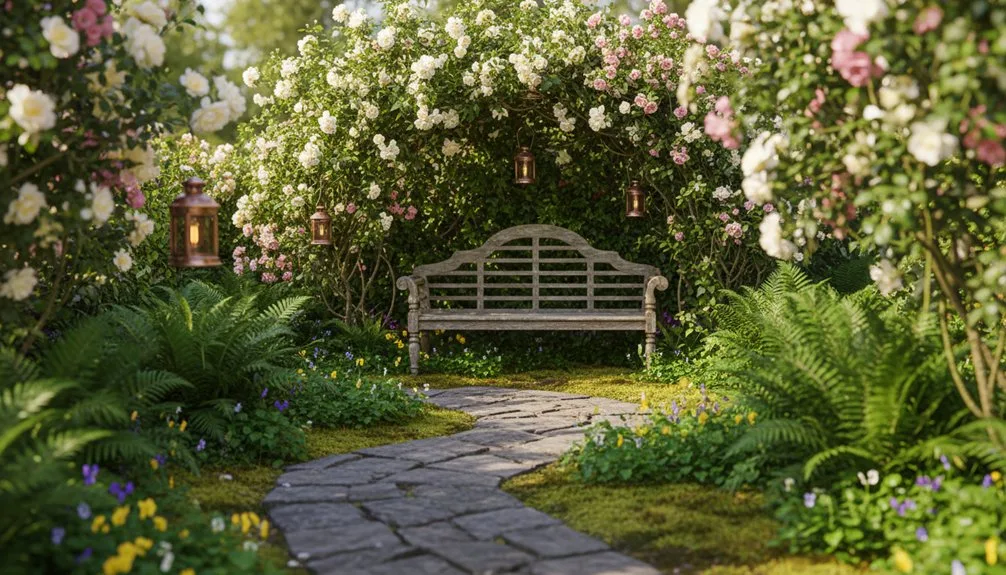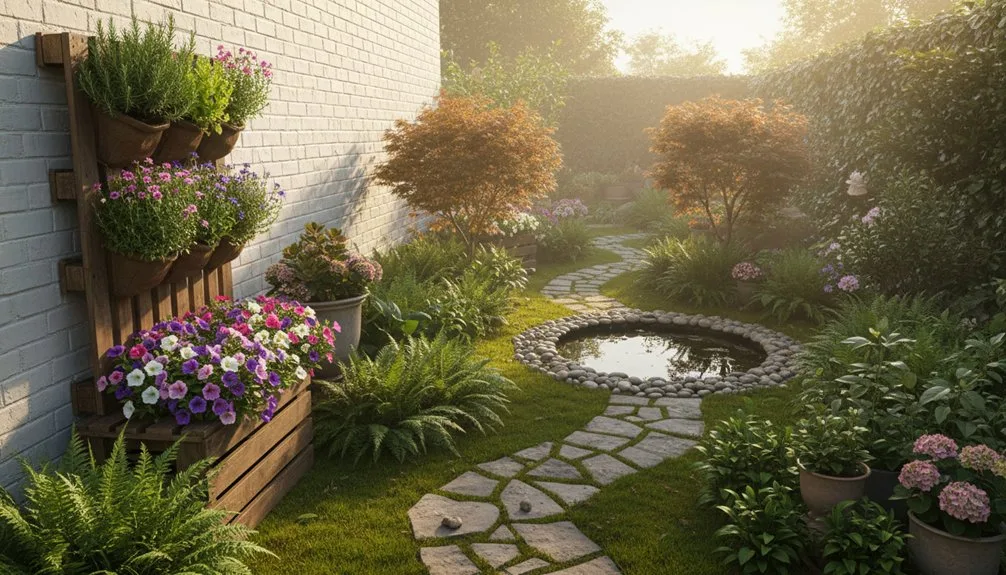
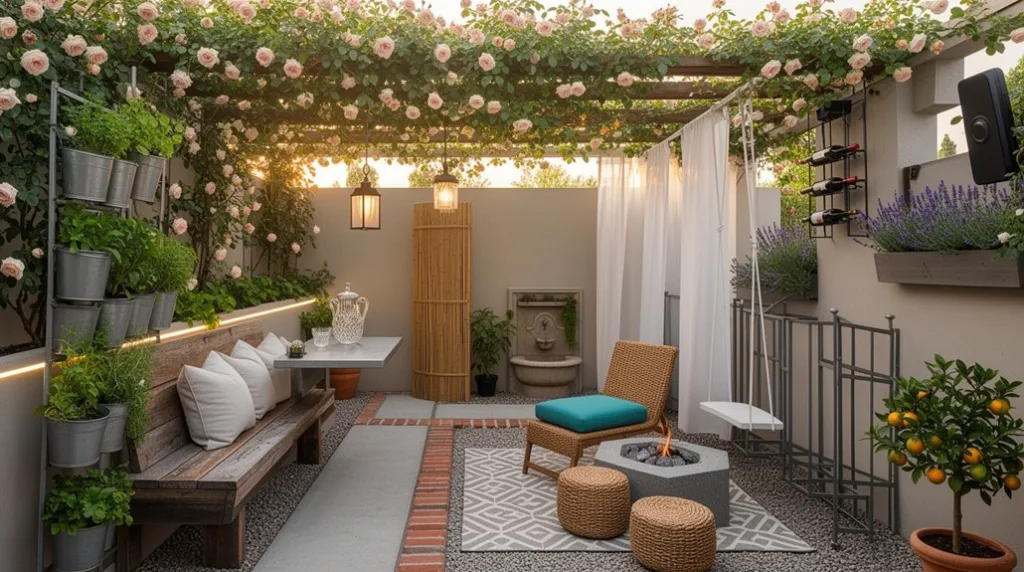
You’ve got a cramped patio, but a few smart tweaks can turn it into a functional garden oasis. Think vertical herb walls, stackable planters, and a built‑in bench that doubles as storage. Add fold‑away seating, modular cubes, and hidden benches to keep the space tidy. Smart drip irrigation and moisture sensors handle watering while string lights, a compact fountain, and a retractable awning set the mood. With weather‑resistant materials and a mini greenhouse, you’ll maximize green space and longevity—ready to see how each idea fits together?
Key Takeaways
- Use vertical herb walls or pocket planters to maximize planting area while keeping the floor space clear.
- Incorporate multi‑tiered ladder shelves or stacked planter boxes with drip‑irrigation for efficient watering and easy access.
- Choose low‑profile, modular furniture with built‑in storage and hidden planters to maintain clear pathways and tidy aesthetics.
- Install a smart irrigation hub linked to soil‑moisture sensors and weather APIs for automated, water‑saving watering schedules.
- Add ambient lighting such as warm‑white LED string lights powered by solar panels or battery packs, and consider shade cloths or a small canopy for temperature control.
Vertical Herb Wall: A Small Patio Garden Idea for Fresh Flavors
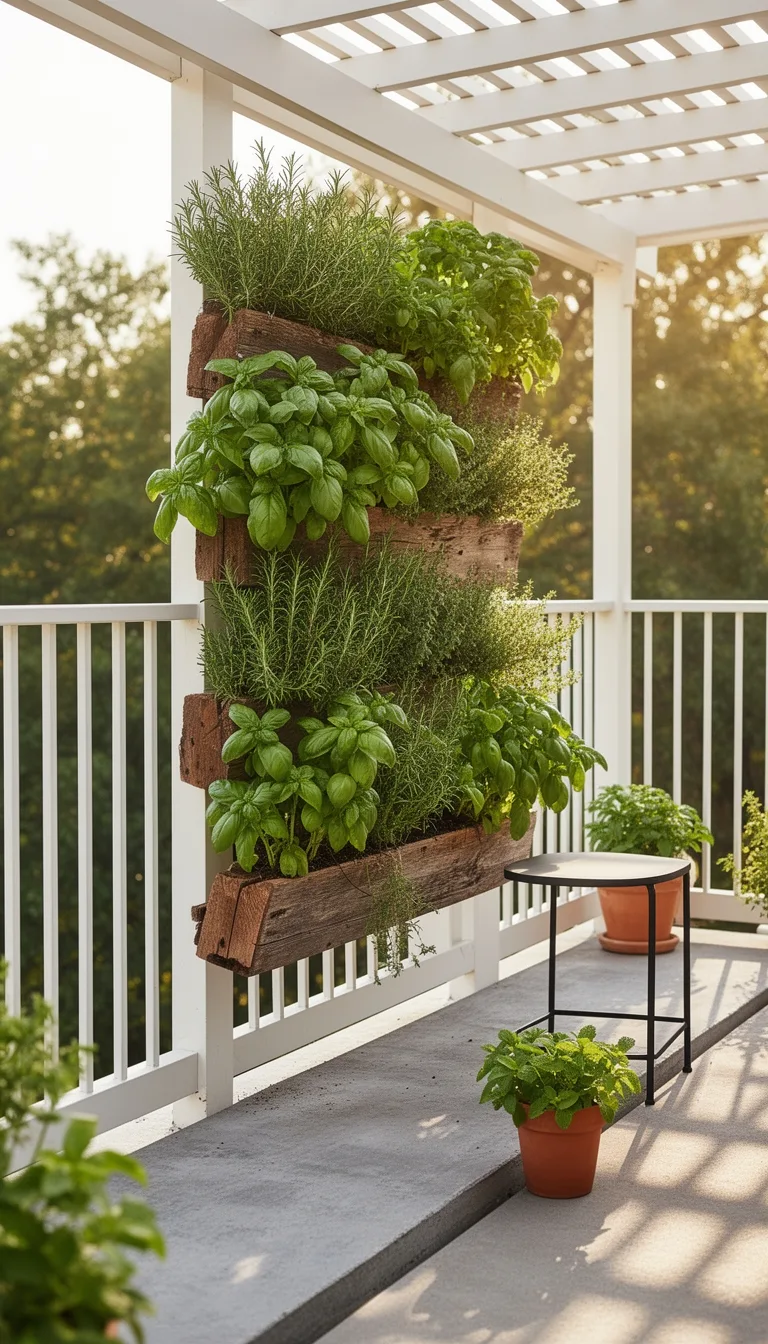
A vertical herb wall turns a plain patio into a compact, aromatic garden, letting you harvest fresh flavors right at your fingertips.
Choose a sturdy frame—metal or reclaimed wood—and attach modular pockets or fabric pockets that hold soil.
Fill each pocket with a light, well‑draining mix, then plant basil, mint, thyme, and oregano according to their sun needs.
Position the wall where it catches at least six hours of sunlight, but protect delicate herbs from harsh afternoon heat with a shade cloth.
Water from the top, allowing excess to drain into a tray below; reuse the runoff for nearby containers.
Prune regularly to encourage bushy growth and prevent flowering, which can turn leaves bitter.
Harvest leaves as you cook, and enjoy a continuous supply of fresh herbs without crowding your patio.
Stack Planter Boxes to Maximize Floor Space
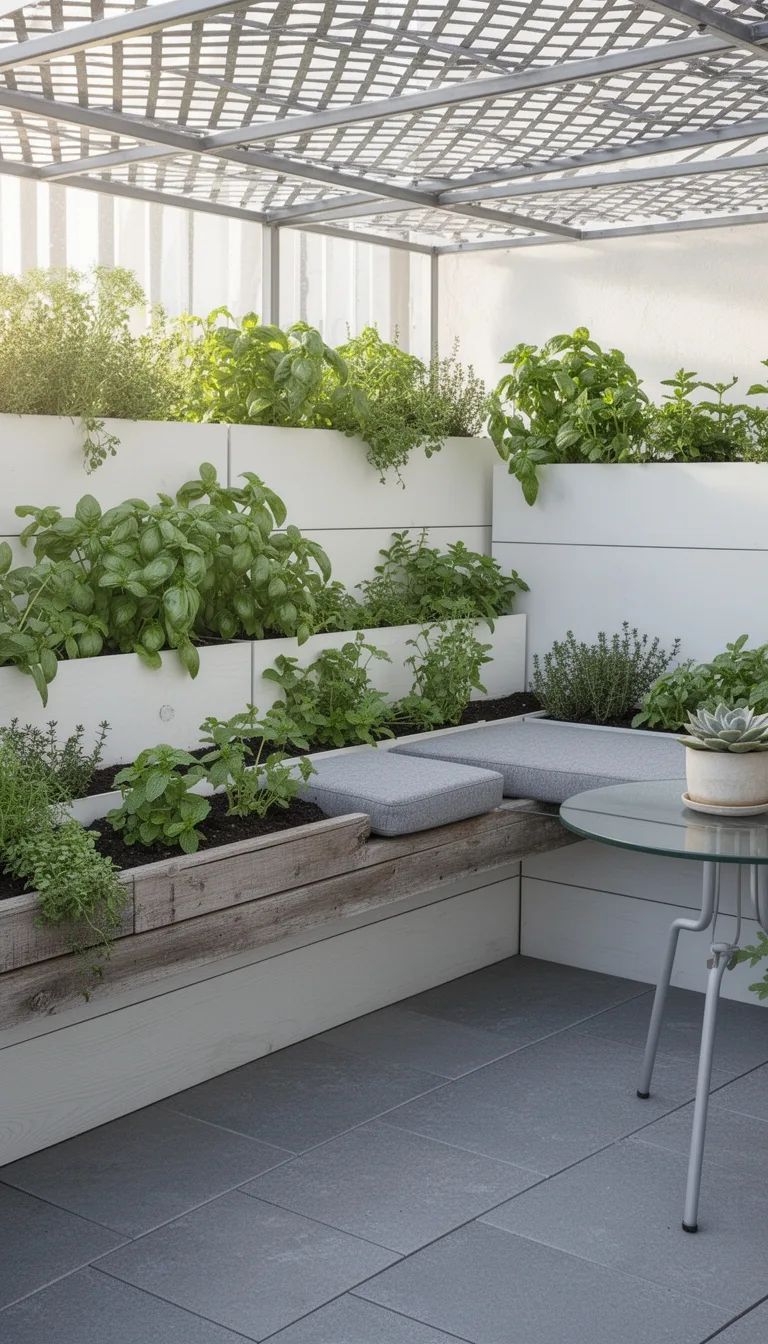
Stacking planter boxes lets you make the most of limited patio floor space while keeping your garden organized and easy to tend.
Choose modular, lightweight boxes with drainage holes; stack them on a sturdy frame or shelf to create vertical tiers. Place the heaviest, largest containers at the bottom for stability, then add smaller, lighter boxes above for herbs, seedlings, or trailing vines.
Use a drip‑irrigation line that runs through each level, so water reaches all plants without over‑watering.
Arrange the stack near a sunny spot, but keep it away from high‑traffic areas to avoid accidental bumps.
Rotate crops seasonally, swapping out containers to keep the garden fresh and productive year‑round.
Fold‑Away Bistro Set: Small Patio Garden Idea for Easy Storage
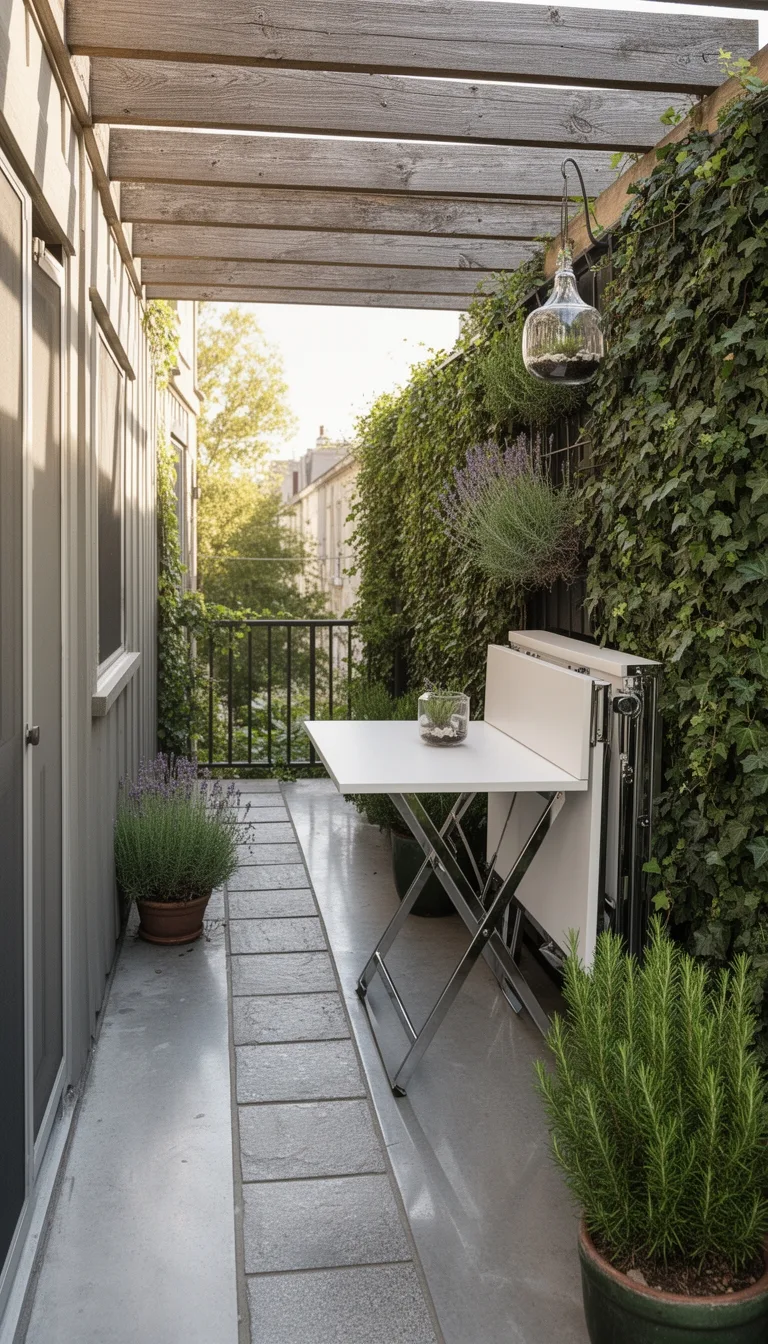
After arranging stacked planter boxes, you can keep the patio tidy by adding a fold‑away bistro set that tucks neatly into a corner when not in use. Choose a compact table with a hinged tabletop and two lightweight chairs that collapse flat. Look for weather‑resistant frames—aluminum or powder‑coated steel—so you won’t worry about rust.
When you’re ready to dine or sip coffee, unfold the table, slide the chairs into place, and enjoy a cozy spot without crowding your garden. When the sun sets, fold the set back, store it under a canopy or in a storage bench, and keep the space open for plants. This smart, low‑profile solution maximizes usability while preserving visual calm.
Hang Glass Terrariums for Airy Greenery
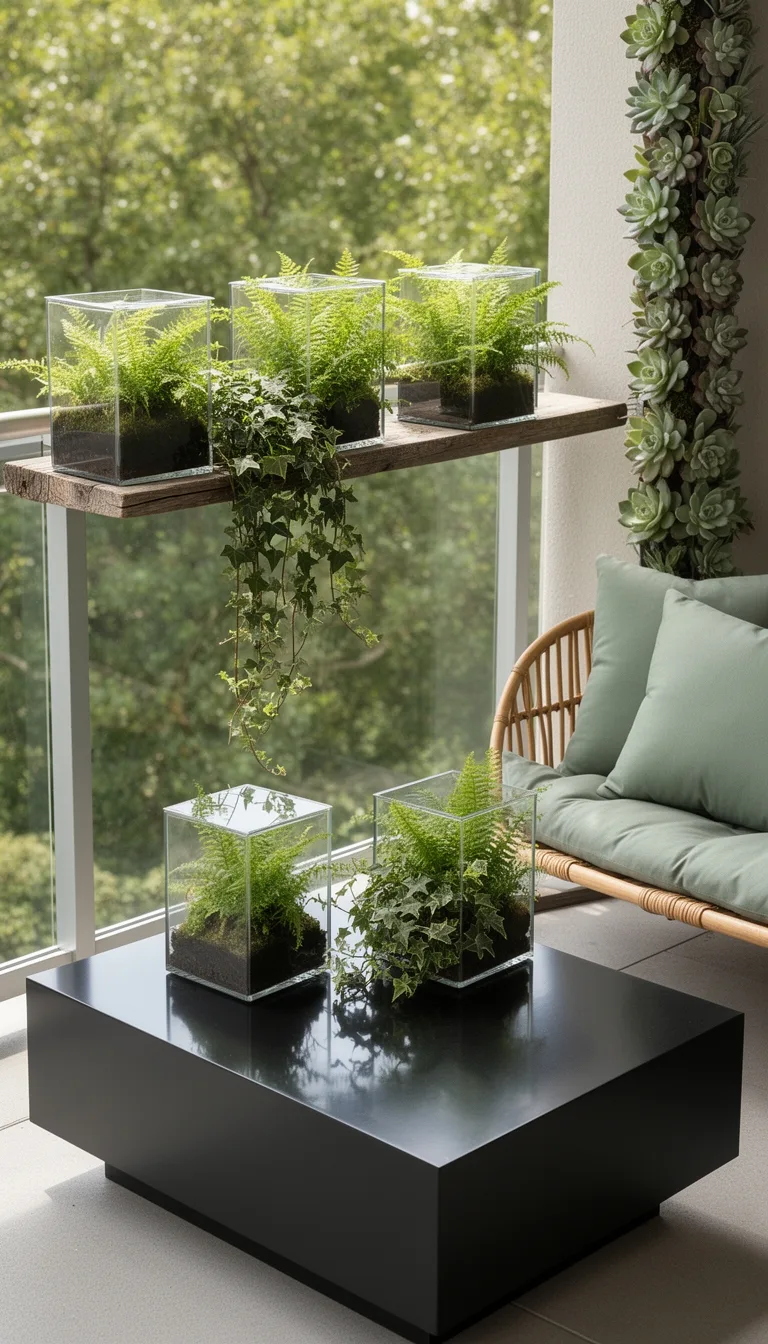
By suspending glass terrariums from ceiling hooks or sturdy plant brackets, you instantly add airy greenery without sacrificing floor space.
Choose lightweight, clear globes and fill them with trailing succulents, air‑plants, or small ferns that thrive on minimal soil.
Secure hooks with stainless steel anchors to handle wind, and space terrariums 18‑24 inches apart for balanced visual weight.
Use a drip‑free watering system—mist the plants weekly and add a tiny water reservoir at the base of each globe to keep humidity steady.
Keep the terrariums within arm’s reach for easy pruning and occasional repotting.
This vertical garden creates a floating forest effect, maximizes limited square footage, and lets sunlight filter through the glass for a bright, living décor.
Create a Corner Seating Nook With a Cushioned Bench
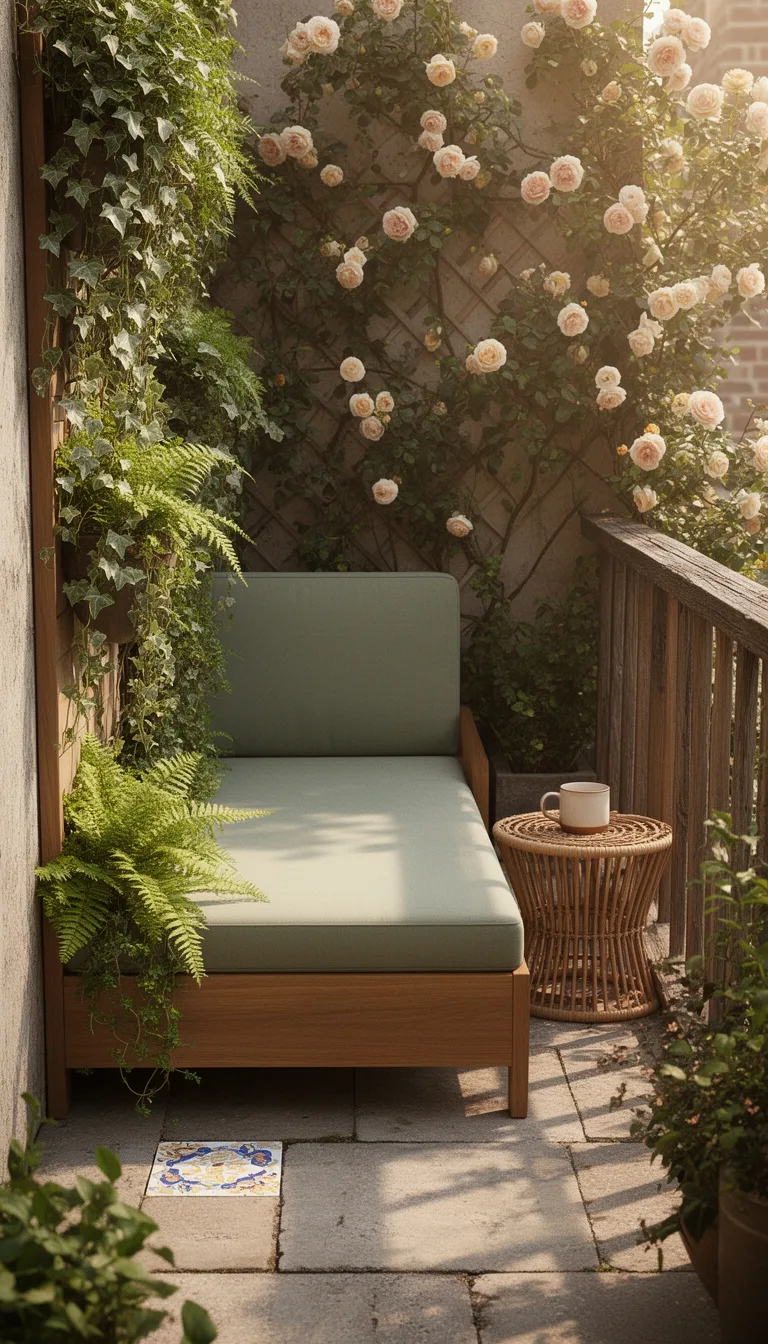
Often the best way to turn an unused corner into a cozy retreat is to place a low, cushioned bench that follows the walls’ angles. Choose a weather‑resistant frame and a breathable fabric cushion that dries quickly after rain. Add a few potted herbs on a slim side table to keep scents and fresh greens within arm’s reach. Keep the bench low enough to stay out of the way of foot traffic, yet high enough for comfortable seating. Use a neutral color palette so the plants become the focal point.
| Feature | Benefit | |
|---|---|---|
| Low profile | Maintains clear pathways | |
| Cushioned seat | Encourages longer stays | |
| Weather‑proof fabric | Resists moisture and UV | Feel arranging the bench with a small, raised planter box at one end; the box can host trailing vines that soften the corner’s hard lines while providing a visual anchor. Trim surrounding foliage regularly to prevent overgrowth from crowding the seating area. This simple nook becomes a functional, green‑filled pause spot in your compact patio. |
Build a Multi‑Tiered Ladder Shelf for Small Plants
Start by selecting a sturdy, lightweight ladder or ladder‑style frame that fits your patio’s dimensions, then attach a series of shallow, weather‑resistant shelves to each rung.
Measure the width of the ladder, cut plywood or composite boards to match, and secure them with stainless‑steel brackets.
Drill pilot holes, use exterior‑grade screws, and seal edges with waterproof caulk.
Arrange the shelf levels so taller herbs sit on the lower tiers, while trailing vines cascade from the upper ones.
Add a drip tray beneath each shelf to catch excess water and protect the floor.
Anchor the ladder to a wall or ground stakes for stability during wind.
Finish with a light coat of UV‑protective paint to keep the wood from fading.
Add a Compact Fountain for Instant Tranquility
Choosing a compact fountain for your patio instantly creates a soothing ambience while keeping the space functional. You’ll fit a small, self‑contained unit on a table or shelf, and the gentle water sound masks city noise. Opt for a solar‑powered model to avoid wiring; a rechargeable battery works too.
Position it near your favorite chair so the mist refreshes you on hot days. Choose a design with a minimalist stone or metal base that complements your plant pots. Keep the water level topped up with a simple pitcher, and clean the pump monthly to prevent algae.
The fountain’s visual focus draws the eye, making the patio feel larger and more inviting without sacrificing planting space.
String‑Light Canopy: Evening Mood Lighting for Small Patios
Typically, you’ll drape a string‑light canopy across your patio’s perimeter to transform the space into a cozy evening retreat. Choose LED bulbs for low heat and long life, and pick a warm‑white hue to enhance foliage without washing out colors.
Secure the canopy to existing railings or a simple frame using zip ties or discreet hooks; keep the wiring hidden behind planter pots or a low‑profile trellis. Space the lights about 12‑18 inches apart for even illumination, and position them just above the plant canopy to cast a gentle glow that highlights leaves and blossoms.
Adjust brightness with a dimmer switch to suit dinner parties or quiet reading. This setup adds ambience while preserving your garden’s visual balance.
Power Your String Lights With Solar or Battery Packs
By tapping solar panels or compact battery packs, you can keep your patio’s string‑light canopy glowing without relying on hard‑wired electricity. Choose a solar kit with a 10‑W panel and a 2‑Ah battery for evenings up to six hours; a rechargeable pack works just as well when sunlight is scarce. Mount the panel on a nearby wall or railing, angle it toward the sun, and let the built‑in charge controller regulate flow. When you need extra brightness, swap in a higher‑capacity pack or add a small LED dimmer for mood control.
| Power Source | Capacity | Ideal Use |
|---|---|---|
| Solar panel | 10 W, 2 Ah | Day‑to‑night lighting |
| Battery pack | 6 Ah, 12 V | Backup on cloudy days |
| USB‑rechargeable | 4 Ah, 5 V | Portable, quick swap |
These options let you stay green, avoid cords, and keep the ambiance consistent all season.
Modular Cube Seating That Doubles as Storage
A few modular cube seats can instantly transform your patio into a versatile lounge and hidden storage hub.
Choose cubes with removable tops, so you can stash gardening tools, cushions, or seasonal décor inside without cluttering the floor.
Arrange them in a U‑shape or scatter them for flexible seating; each configuration creates a new conversation nook.
Opt for weather‑resistant fabrics and UV‑stable plastics to keep colors bright year‑round.
Add a single plant in a shallow tray on top of a cube for a touch of green that doubles as a decorative accent.
When you need extra space, simply lift the lid, pull out the contents, and close it again—your patio stays tidy, functional, and inviting.
Install a Retractable Awning for Sun and Rain Protection
Shade the patio with a retractable awning, and you’ll instantly gain flexible protection from sun and rain while keeping the space open for breezy evenings.
Choose a model that folds flat when not in use, so you preserve sightlines and airflow. Measure the mounting area precisely; a snug fit prevents wobble and water leaks. Opt for UV‑blocking fabric to shield plants and furniture, and pick a motorized version if you want one‑touch operation.
Install the brackets securely on a wall or pergola, then attach the awning arm and fabric panel. Test the extension and retraction cycles to ensure smooth movement.
When the weather clears, simply pull the awning back, letting sunlight filter through and preserving the garden’s airy feel.
Raise a Platform Deck to Elevate Your Garden Layout
Elevate your garden by building a raised platform deck, which instantly adds visual interest and creates distinct zones for seating, planting, and entertaining. Start by measuring the area and sketching a simple frame using pressure‑treated lumber or composite decking.
Keep the deck low—12‑18 inches high—to stay accessible and maintain a cozy scale. Add built‑in planters along the edges; they’ll hide the deck’s support beams while providing extra soil depth for herbs, succulents, or dwarf vegetables.
Use a non‑slip finish and consider a lightweight railing of cable or reclaimed wood for safety. Integrate subtle lighting under the lip to highlight pathways after dusk.
This vertical shift frees ground space, improves drainage, and gives your small patio a polished, layered look.
DIY Pallet Sofa With Weather‑Resistant Cushions
Build a sturdy pallet sofa for your patio and then dress it with weather‑resistant cushions to create a comfortable, low‑maintenance seating spot. First, sand the pallets, reinforce joints with metal brackets, and apply a waterproof sealant.
Next, measure and cut foam to fit each seat, then cover it with UV‑protected, water‑repellent fabric. Anchor the sofa to the ground with brackets to keep it stable during breezy days.
Finally, add a few potted succulents or a hanging planter for a splash of green that won’t overwhelm the space.
- Sand and seal pallets for durability
- Reinforce with brackets to prevent wobble
- Choose foam density for outdoor comfort
- Use UV‑protected, water‑repellent cushion fabric
- Anchor securely to resist wind and foot traffic
Vertical Garden Pocket System for Herbs & Flowers
After you’ve set up your pallet sofa, you can keep the garden thriving with a vertical garden pocket system that lets herbs and flowers grow right on your patio wall.
Choose a modular pocket kit made of UV‑stable fabric or recycled plastic, then attach it with stainless‑steel brackets or command strips that won’t damage the wall.
Fill each pocket with a light, well‑draining potting mix; a 1‑inch layer of coarse sand at the bottom improves drainage.
Plant low‑maintenance herbs—basil, mint, thyme—next to compact bloomers like nasturtium or alyssum, which attract pollinators and add color.
Water with a drip line or a spray bottle, aiming for soil that stays moist but not soggy.
Trim regularly to prevent overcrowding, and rotate pockets seasonally for continuous harvest and visual interest.
Portable Fire Pit With Minimal Footprint
A portable fire pit with a minimal footprint lets you enjoy cozy evenings on your patio without sacrificing space.
Choose a compact, steel or cast‑iron model that folds flat for storage and fits on a small table or stand.
Look for a design with a built‑in wind guard to keep flames steady and a removable ash pan for easy cleanup.
Position it near your seating area but keep a safe distance from plants and furniture.
Use natural firewood or eco‑friendly briquettes for a clean burn, and add a few decorative stones around the base to blend the pit with your garden aesthetic.
- Foldable steel frame
- Integrated wind guard
- Removable ash pan
- Eco‑friendly briquette fuel
- Decorative stone edging
Hidden Storage Bench With Built‑In Planters
Your patio’s fire pit can stay tucked away, and the space beside it can double as a hidden storage bench that also houses planters.
Choose a weather‑resistant bench with a lift‑top lid; the interior stores cushions, gardening tools, or spare blankets.
Integrate shallow planter boxes into the bench’s sides or back, using lightweight, drainage‑ready fabric or metal trays.
Plant low‑maintenance herbs like basil, thyme, or compact flowers such as dwarf marigolds that thrive in partial shade.
Keep soil mix light to avoid excess weight, and add a drip‑irrigation line for easy watering.
When you need extra seating, simply lift the lid; the planters stay concealed, preserving a tidy look while delivering fresh greenery at arm’s reach.
This dual‑function piece maximizes space without sacrificing style.
Mirror‑Backed Wall to Amplify Light and Space
If you install a mirrored wall behind your patio, the reflected light will instantly make the area feel larger and brighter, turning a modest space into a welcoming oasis.
Choose a weather‑resistant mirror panel, mount it on a sturdy frame, and align it to capture sunrise or sunset. Pair the wall with low‑maintenance foliage that thrives in indirect light, like ferns or pothos, so the reflection highlights their greenery.
Keep the surrounding décor minimal to avoid visual clutter, and use the mirror to showcase a favorite plant arrangement or a decorative pot.
This simple trick amplifies space without sacrificing style, letting you enjoy a brighter, more open patio garden.
- Use UV‑protected glass to prevent fading
- Position the mirror at a 45‑degree angle for optimal bounce
- Add a narrow railing for safety and visual interest
- Choose potting soil that drains well for the reflected plants
- Incorporate subtle LED strip lighting for evening ambience
Build a Lean‑To Shed to Stash Tools and Protect Plants
Setting up a lean‑to shed right against your patio wall gives you instant storage for tools and a protected spot for delicate plants. Choose a lightweight, weather‑resistant kit that snaps together; a 4‑by‑6‑foot footprint fits most compact patios without crowding seating.
Anchor the frame to the wall with brackets to prevent wind lift, then attach a sloped roof that channels rain away from your garden beds. Inside, mount pegboards or magnetic strips for trowels, pruners, and seed packets, keeping them off the floor and dry.
Add a few shelves for pots, and line the back wall with reflective foil to bounce light onto hanging herbs. Finish with a simple latch and a breathable fabric door to keep pests out while allowing airflow.
Add a Mini Greenhouse Corner to Extend Your Patio Garden Growing Season
Creating a mini greenhouse corner on your patio lets you lengthen the growing season without sacrificing space.
Choose a lightweight, clear‑panel frame that fits a corner shelf or balcony railing.
Position it where morning sun hits, then add a simple vent or roll‑up side to regulate temperature.
Use potting mix that drains well, and plant cool‑season veggies like lettuce, spinach, and herbs.
Keep a thermometer handy, and close the cover at night when frost threatens.
- Compact polycarbonate panels for durability
- Adjustable vent strips for airflow control
- Small shelf or tiered rack to maximize planting area
- Portable heater or heat‑mat for early spring starts
- Easy‑open latch for quick access and cleaning
Smart Irrigation Hub for Effortless Watering
Usually, a smart irrigation hub lets you water your patio garden automatically, saving time and preventing over‑ or under‑watering.
You connect soil‑moisture sensors to the hub, set zones for herbs, succulents, and flowering pots, then program schedules that match sunrise, sunset, or rain forecasts. The hub adjusts flow rates in real time, so drought‑tolerant plants receive a light mist while thirsty veggies get a deeper soak. You can control everything from a phone app, receive alerts when a valve malfunctions, and integrate with weather APIs to skip watering on rainy days.
Installation is a simple plug‑in‑and‑play: attach drip lines, mount the hub near a power outlet, and pair via Bluetooth.
The result is a thriving patio garden that thrives without your constant attention.
Conclusion
You’ve got the tools to turn a cramped patio into a thriving, organized oasis. By layering vertical herbs, stackable planters, and bench‑integrated containers, you free up floor space while keeping everything within arm’s reach. Add fold‑away seating, modular storage, and hidden benches for flexible zones, and let smart drip irrigation and moisture sensors handle watering. Light up the space with string lights, a compact fountain, and a retractable awning, and protect your plants with weather‑resistant materials, lightweight soil, and a mini greenhouse or mirror panels. Enjoy a functional, beautiful outdoor retreat.
The Only Tools You Need for a Thriving Garden 🌱
Whether you're a weekend gardener or growing daily — these hand-picked tools make every session faster, easier, and more satisfying.