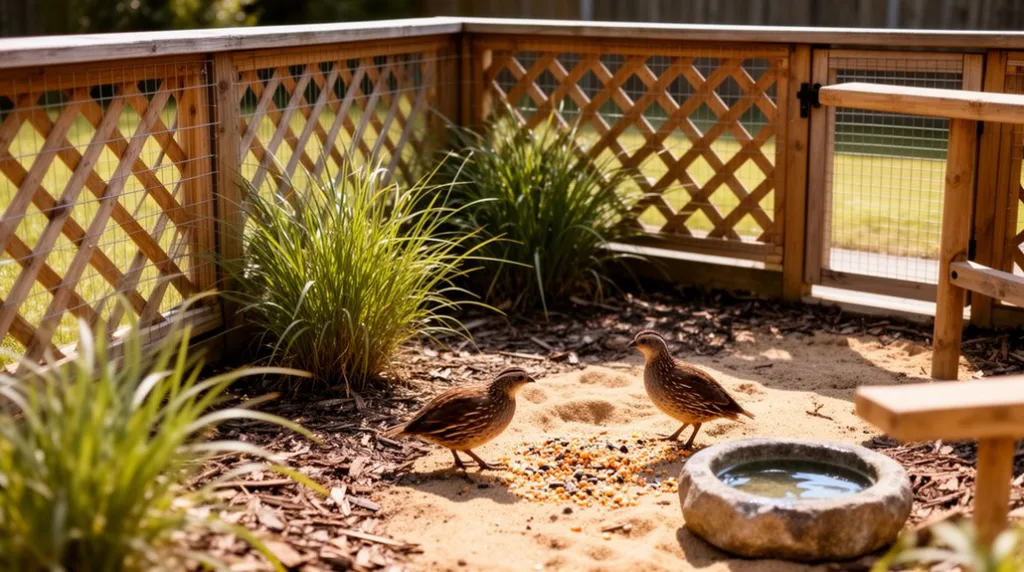
You’re aiming for a quail habitat that’s secure yet vibrant. Start by sinking hardware cloth against diggers and roofing against raptors. Then integrate your setup with clumping grasses, edible groundcovers, and sheltered dust baths. This plant-focused approach weaves safety into a living landscape, providing cover and forage. What you choose to plant next could define your flock’s daily rhythm and enrichment.
Key Takeaways
- Bury hardware cloth 12 inches deep and bend it outward to stop digging predators like foxes and raccoons.
- Use a solid roof or heavy-gauge mesh overhead for protection from aerial predators like hawks and owls.
- Plant dense, thorny shrubs and clumping grasses around the perimeter to create a natural living barrier.
- Design runs with safe edible plants, bare soil for dust baths, and scattered seeds to encourage natural foraging.
- Anchor a solid-roofed coop within the habitat to provide a secure, draft-free shelter and camouflage.
Start With the Essentials of a Safe Quail Enclosure
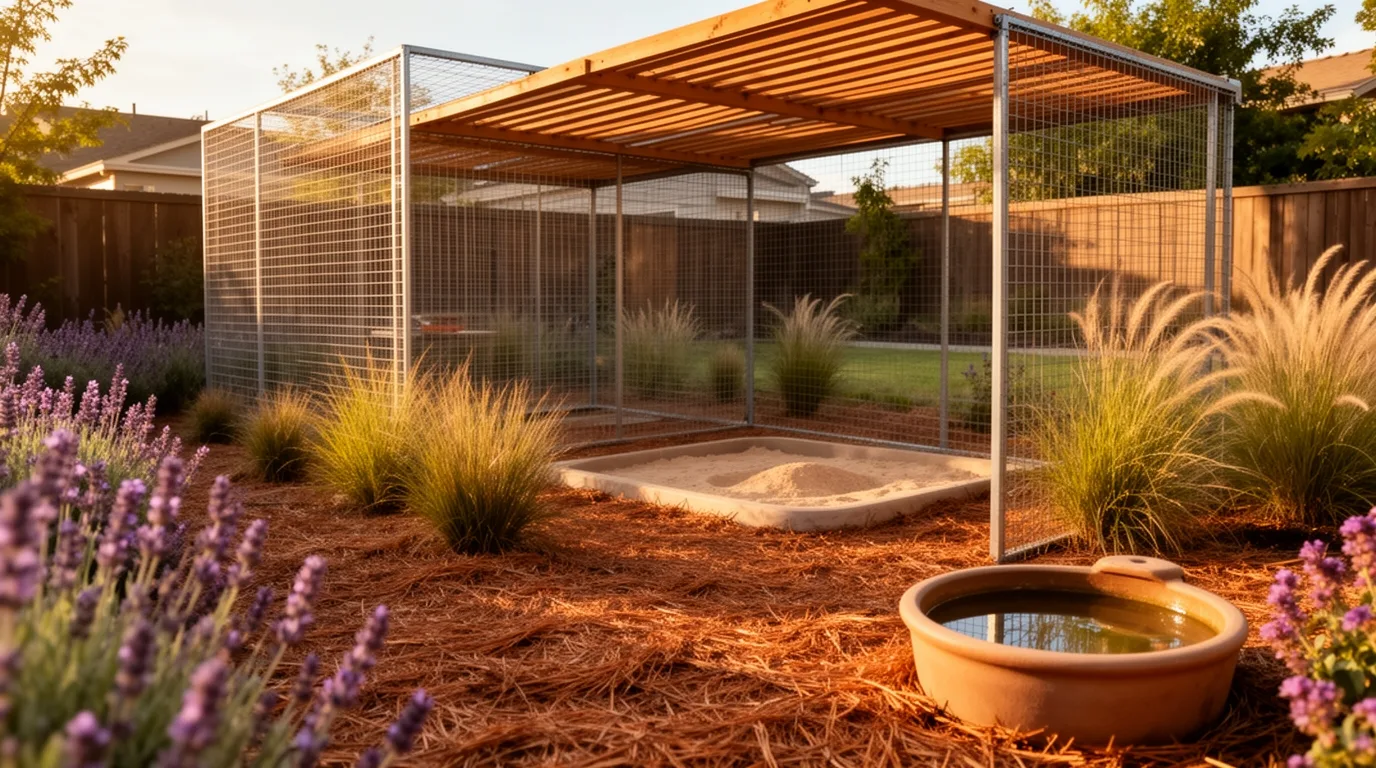
Before you even think about the size or style of your quail enclosure, you must ensure it provides safety from both predators and escape.
Your first layer of defense is a sturdy, hardware cloth perimeter buried a few inches underground. This prevents digging animals from getting in and keeps your birds securely inside.
Overhead, you’ll need a solid roof or mesh to guard against hawks and owls.
Integrate dense, native shrubs like serviceberry or thicket-forming plants around the enclosure’s exterior. They create a natural visual barrier that discourages predators.
Inside, consider planting clumping grasses or low, woody covers; these give your quail immediate hiding spots if they feel threatened, blending safety seamlessly into their habitat.
Choose the Right Quail Habitat Style for Your Flock
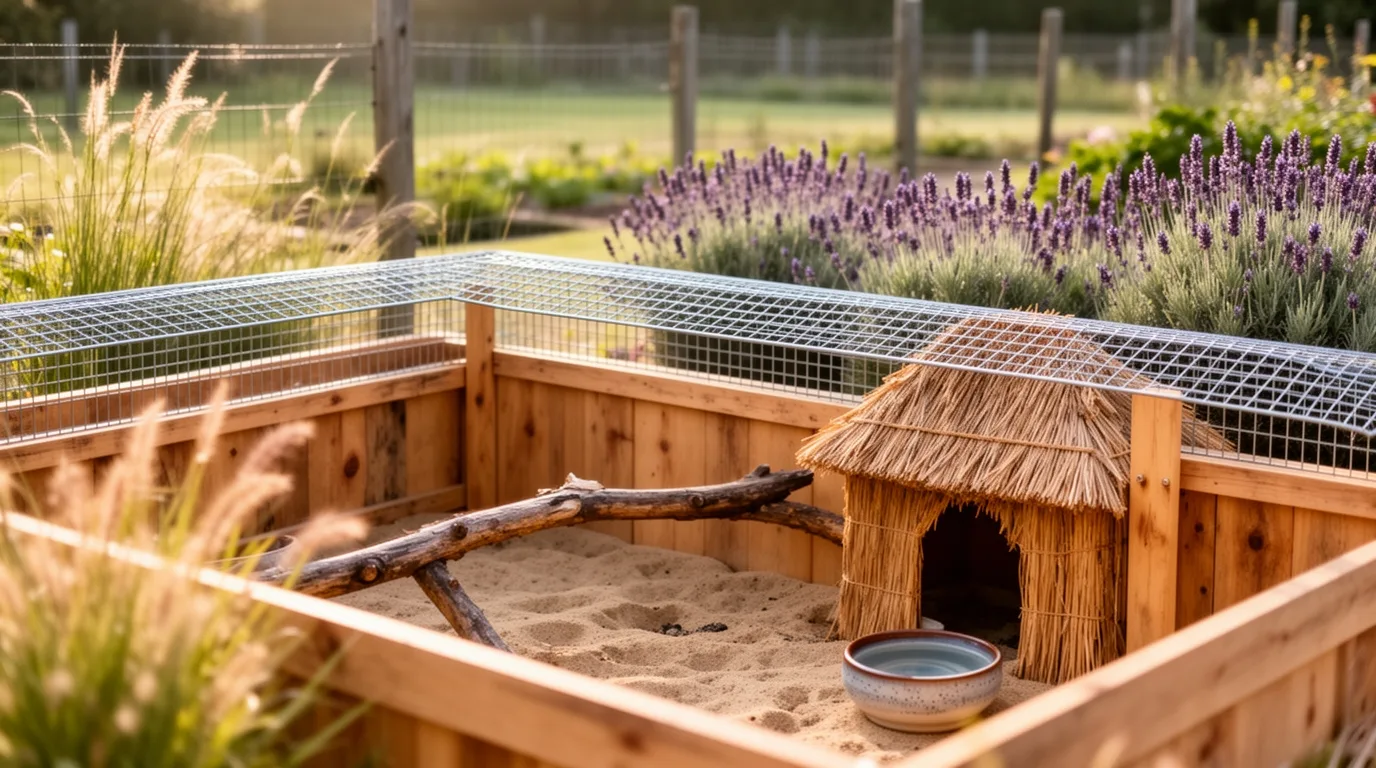
With a secure foundation established, you can match the enclosure’s design to your flock’s needs and your land. Consider your space and whether you’ll rotate pastures or keep a permanent run.
A larger, habitat-integrated pen, planted with clumping grasses like fountain grass and low shrubs, provides foraging and cover. Dense ground covers like thyme or alyssum offer security while you scatter millet seeds for self-harvesting.
For smaller yards, a compact style with deep litter and potted plants like oregano works well. You’re always aiming to mimic their natural environment. Include safe, edible plants they’ll browse—think strawberry plants for fruit and leaf cover or sturdy herbs that withstand pecking. This creates a living system that nourishes and protects your birds.
Build a Secure Shelter for Weather and Predators
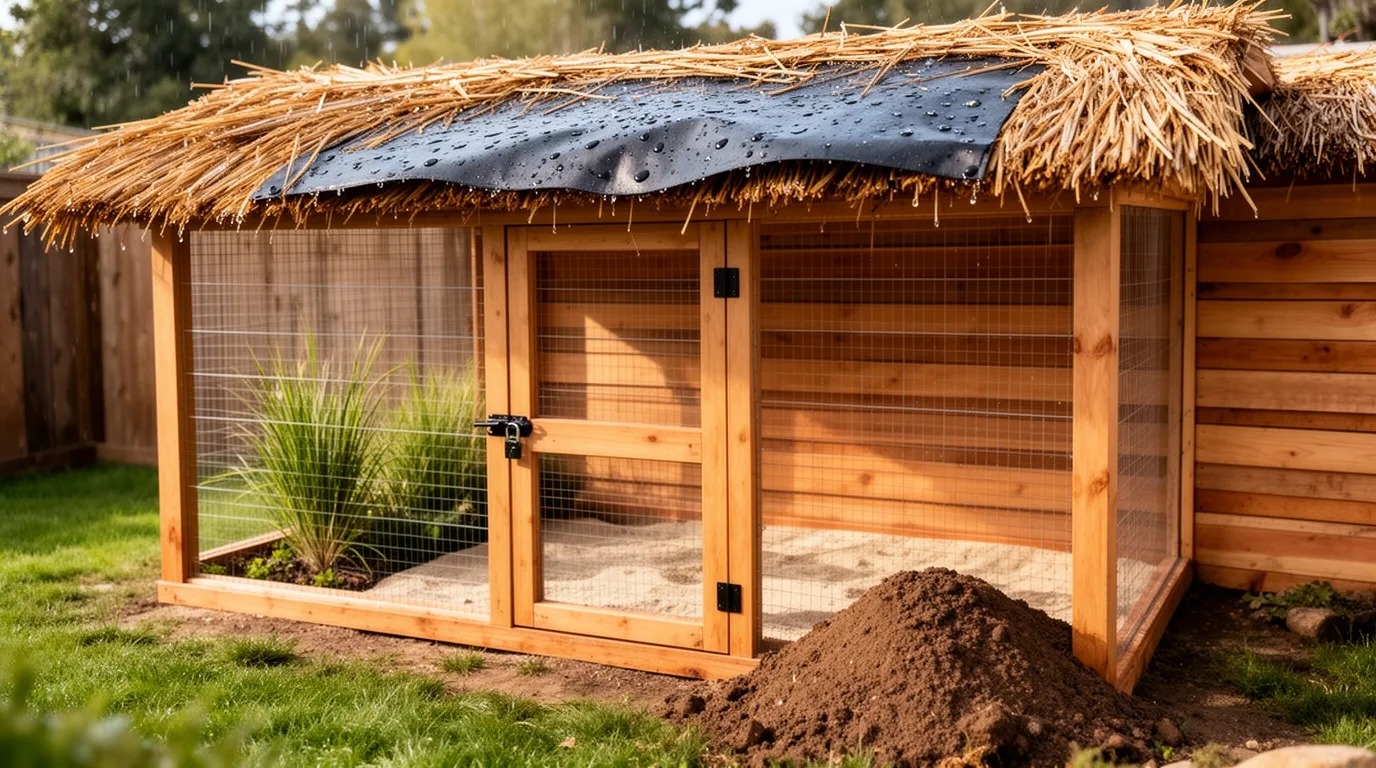
While you’re designing the shelter, integrate it with the planted habitat you’ve established so the structure feels like a natural refuge. Anchor a simple, solid-roofed coop amidst native shrubs to provide immediate cover and camouflage. Use hardware cloth, buried at least a foot deep, to create an impregnable barrier against digging predators. Your planted perimeter isn’t just decoration; it’s a first line of defense that obscures the shelter from aerial hunters. Ensure the structure has a dry, draft-free interior with ample ventilation, using the surrounding foliage to help buffer wind and rain.
| Shelter Feature | Habitat Integration Benefit |
|---|---|
| Solid Roof | Provides dry refuge; use living roofs with sedums for insulation. |
| Buried Hardware Cloth | Stops diggers; plant clumping grasses over the apron to conceal it. |
| Ventilation Openings | Ensure airflow; position them opposite planted windbreaks. |
| Enclosed Nesting Area | Offers security; drape native vines near the entrance for cover. |
Create a Quail Run for Foraging and Natural Behaviors
Extend your quail’s world beyond the shelter by establishing a dedicated foraging run that encourages their natural scratching and dust-bathing behaviors. Choose a sunny, well-drained area adjacent to their coop.
You’ll create a dynamic habitat by planting a mix of hardy grasses, clover, and low-growing shrubs like lavender which also offers cover. Leave patches of bare, soft soil for their essential dust baths.
Scatter seeds like millet directly into this living area, letting them forage naturally. Integrate flat stones and shallow dishes of water to complete the environment.
This run doesn’t just feed them; it engages their instincts, promoting better health and reducing boredom through constant interaction with a living, plant-based landscape.
Fortify Your Setup Against Common Predators
After establishing a foraging run, you must protect it. Integrate dense, thorny plants like native roses or blackberries around the perimeter; they create a living barrier that deters digging and climbing predators.
Your primary defense is robust hardware cloth, buried at least 12 inches deep and bent outward to stop burrowers. Overhead, you’ll need a secure cover to block aerial attacks from hawks and owls.
Remember, predators exploit weaknesses, so regular inspection is key.
- Plant Defensive Hedges: Use thick, prickly shrubs to form a natural, discouraging wall.
- Bury and Bend Hardware Cloth: Sink it deep with an outward-facing lip to prevent digging.
- Install Secure Roofing: Use sturdy wire mesh over the entire run to stop birds of prey.
- Integrate Ground Cover: Allow low, dense plants inside for quail to hide in quickly.
Maintain a Healthy Quail Habitat With Ease
Since your quail’s health is directly tied to their environment, a habitat that mimics natural, plant-rich systems is the simplest to maintain. You can incorporate dense, low-growing plants like clover and native grasses directly into their run; these living carpets suppress dust, cushion falls, and provide natural foraging.
Plant a perimeter of taller shrubs or grasses to offer security and windbreaks, which reduces stress. The plants’ root systems also help process waste and improve drainage, minimizing your cleaning duties.
You’ll rotate the birds to different planted sections, allowing forage to regenerate and preventing parasite buildup and soil sickness. This integrated approach creates a resilient, self-cleaning system that sustains both the quail and the landscape with minimal effort.
Enhance Your Quail Habitat With Enrichment Ideas
While a naturally planted habitat provides for your quail’s basic needs, you can actively boost their mental and physical well-being with strategic enrichment. Integrate these ideas seamlessly with your existing plantings to create a dynamic, engaging space that prevents boredom and encourages natural behaviors.
- Scatter Mixed Grains directly among ground covers like clover, letting them forage as they’d in the wild.
- Create Dust Bath Stations in sunny, dry spots by mixing fine sand with diatomaceous earth and dry soil beneath a protective shrub.
- Hang Edible Bundles of millet sprays or leafy herbs from the enclosure’s frame or sturdy branches to encourage pecking and jumping.
- Install Low Brush Piles using pruned branches from safe shrubs, offering instant hiding spots and insect habitats right in their run.
Frequently Asked Questions
How Many Quail Can I Keep per Square Foot?
You can keep about one quail per square foot. Plant native shrubs inside for shelter, and use deep bedding. You’ll create a healthier space that integrates with your yard’s ecosystem and reduces stress.
What Do Quail Eat Besides Commercial Feed?
You can supplement their diet with leafy greens, sprouts, seeds, and insects. Integrate edible plants like clover and kale directly into their run for foraging, and they’ll appreciate occasional treats like mealworms or chopped vegetables.
Can Different Quail Species Live Together?
You shouldn’t generally mix different quail species, as they’ll often fight. Focus on a single species in a planted aviary with tall grasses and shrubs. This dense vegetation provides essential cover for their safety and natural behaviors.
How Long Do Domestic Quail Typically Live?
Domestic quail live two to four years. You’ll design their habitat with sturdy shelters and dense plantings for cover, ensuring they’ve got safe, integrated spaces that mimic natural forage and shelter throughout their lifespan.
Do Quail Need a Dust Bath Area?
Yes, you should provide a dust bath. Fill a shallow pan with sand or dry soil. They’ll fluff their feathers in it. This helps them stay clean and manage parasites naturally.
Conclusion
You’ve now got the blueprint for a secure, plant-rich quail haven. By blending predator-proofing with layers of natural cover—grasses, shrubs, and edible groundcovers—you’ll create a thriving habitat. Your quails will enjoy foraging, dust-bathing, and nesting safely. It’s a living system that sustains both your birds and your garden’s health. So, let your plants grow and your quails flourish in their integrated backyard home.
The Only Tools You Need for a Thriving Garden 🌱
Whether you're a weekend gardener or growing daily — these hand-picked tools make every session faster, easier, and more satisfying.